
 Carmen J. Moore

Photography has evolved significantly over the years, with the transition from film to digital being one of the most significant advancements. Many photographers still debate whether shooting with a film camera is more expensive than using a digital camera.
While the initial cost of a film camera may be higher than a digital camera, the ongoing expenses of shooting with film can add up quickly. Film rolls, processing, and printing costs can make shooting with film more expensive in the long run.
On the other hand, digital photography offers the advantage of immediate feedback, allowing photographers to review and retake shots without the cost of film. Additionally, digital images can be easily stored, edited, and shared online, reducing the need for physical prints.

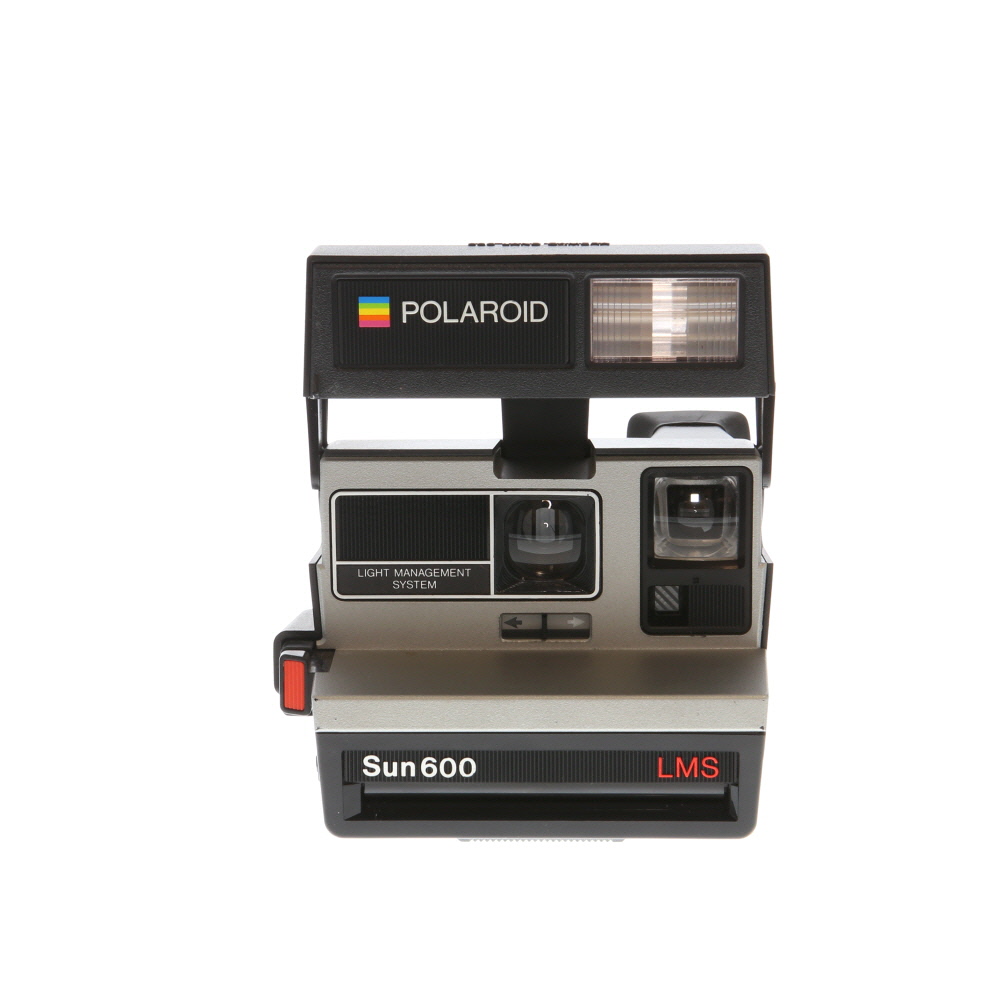
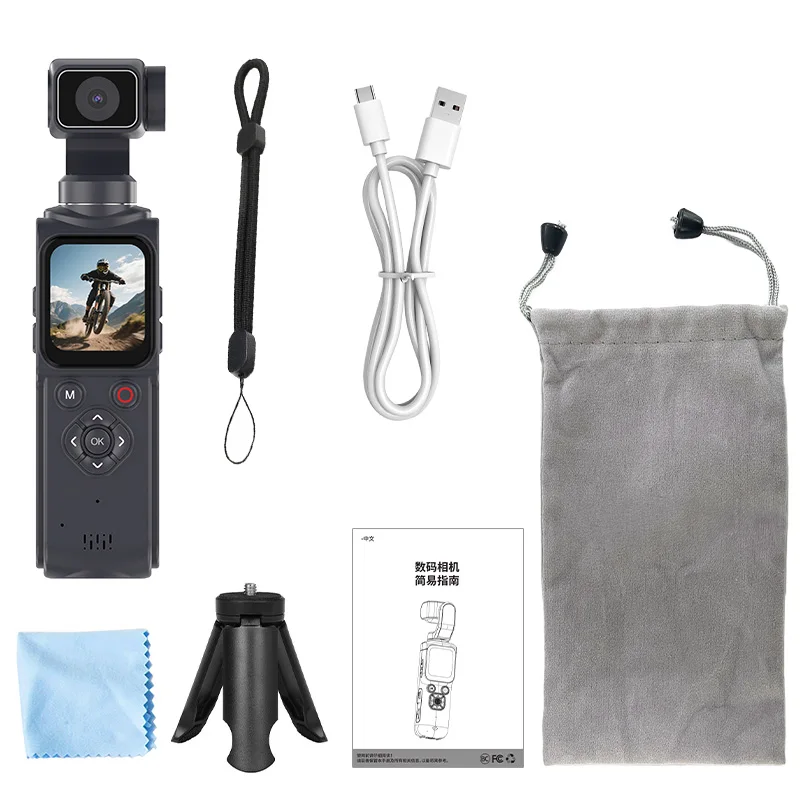
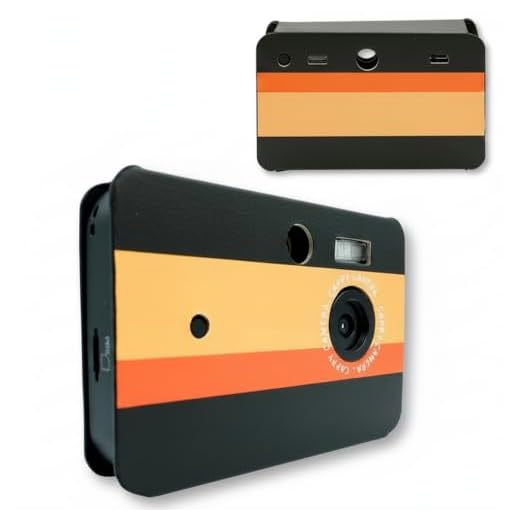
Is Shooting Film More Expensive Than Digital Photography?
When comparing the cost of shooting with a film camera versus a digital camera, several factors need to be considered. While the initial investment in a film camera may be higher, as film and processing costs add up over time, digital photography can also be expensive due to the need for high-quality equipment, memory cards, and software.
Film photography requires the purchase of film rolls, which can range in price depending on the type and brand. Additionally, developing and printing film can be costly, especially if you shoot frequently. On the other hand, digital photography eliminates the need for film and processing costs, but photographers may spend more on memory cards, batteries, and software updates.
Overall, the cost of shooting with a film camera versus a digital camera depends on individual preferences, shooting habits, and budget. While film photography may have higher upfront costs, digital photography can also add up over time. Ultimately, both mediums offer unique benefits and challenges, making the choice between the two a personal decision based on individual needs and preferences.
Comparing Initial Costs
When comparing the initial costs of shooting with a film camera versus a digital camera, it’s important to consider several factors. Film cameras generally have a higher upfront cost compared to digital cameras. You not only have to purchase the camera body, but also film rolls, which can add up quickly. On the other hand, digital cameras require a one-time purchase of the camera body and memory cards, which can be reused multiple times.
| Item | Film Camera | Digital Camera |
|---|---|---|
| Camera Body | Higher initial cost | Lower initial cost |
| Film Rolls/Memory Cards | Additional cost for film rolls | Memory cards can be reused |
In conclusion, while film cameras may have a higher initial cost due to the need to purchase film rolls, digital cameras offer more cost-effective options in the long run with reusable memory cards.

Cost of Consumables
When shooting with a film camera, the cost of consumables can add up quickly. You will need to purchase rolls of film, which can range in price depending on the type and brand. Additionally, you will need to pay for developing and printing costs, unless you have access to a darkroom and can develop the film yourself. These costs can vary, but they are an additional expense to consider when shooting with film.
On the other hand, digital photography eliminates the need for film and developing costs. Once you have a digital camera, the only ongoing cost is for storage media such as memory cards. While memory cards may need to be replaced over time, they are generally more affordable than purchasing film and paying for developing.
| Cost | Film Camera | Digital Camera |
|---|---|---|
| Initial Camera Cost | Varies depending on the camera model | Varies depending on the camera model |
| Film Cost | Cost per roll | N/A |
| Developing & Printing | Cost per roll | N/A |
| Memory Cards | N/A | Cost per memory card |
Long-Term Investment
While the initial cost of purchasing a film camera may be higher than that of a digital camera, it can actually be a more cost-effective investment in the long run. Film cameras are known for their durability and longevity, often lasting for many years with proper care and maintenance.
Additionally, film cameras tend to hold their value well in the second-hand market, making them a good investment if you decide to sell or upgrade in the future. On the other hand, digital cameras can quickly lose their value as newer models are released, making them a less stable investment.
Quality and Aesthetics
Many photographers argue that film photography produces a unique quality and aesthetic that is hard to replicate with digital cameras. Film captures light in a different way, resulting in rich colors, subtle tones, and a timeless feel. The grain structure of film also adds a certain character to the images, giving them a nostalgic and vintage look.

On the other hand, digital photography offers sharpness, clarity, and the ability to manipulate images easily using editing software. While digital images can be more easily shared and reproduced, some photographers feel that they lack the depth and soul of film photographs.
In the end, the choice between film and digital often comes down to personal preference and the desired aesthetic for the project. Both mediums have their own strengths and weaknesses, and many photographers choose to use a combination of both to achieve the desired results.
Environmental Impact
When comparing film and digital photography, it’s important to consider the environmental impact of each option. Film photography involves the use of film rolls, which are made of plastic and chemical components. The production and disposal of these film rolls can have a negative impact on the environment, especially if they are not properly recycled.
On the other hand, digital photography eliminates the need for film rolls and chemical processing, leading to reduced waste and pollution. However, digital cameras and devices require electricity to operate and often have a shorter lifespan than traditional film cameras.
Energy Consumption
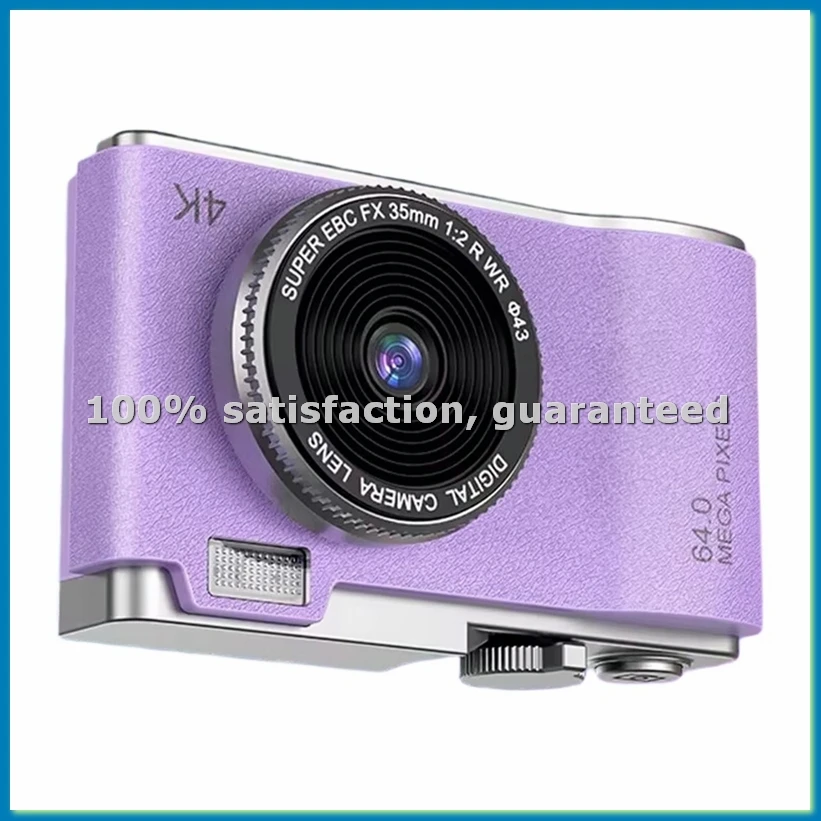
A study conducted by the UK Environment Agency found that the production of a digital camera has a higher environmental impact in terms of energy consumption compared to a film camera. This is due to the energy-intensive manufacturing processes and materials used in digital camera production.
Waste Generation
While digital photography reduces the waste generated from film rolls and chemical processing, it introduces electronic waste from discarded cameras and devices. Proper disposal and recycling of electronic waste are essential to minimize the environmental impact of digital photography.
| Aspect | Film Camera | Digital Camera |
|---|---|---|
| Environmental Impact | High (plastic film rolls, chemical processing) | Moderate (electricity consumption, electronic waste) |
FAQ
Is shooting with a film camera more expensive than using a digital camera?
Yes, shooting with a film camera is generally more expensive than using a digital camera. Film cameras require you to purchase film rolls, which can be costly, as well as pay for developing and printing the photos.
What are some factors that contribute to the cost of shooting with a film camera?
Factors that contribute to the cost of shooting with a film camera include the price of film rolls, the cost of developing and printing the photos, and the need for specialized equipment like a film scanner.
Are there any advantages to shooting with a film camera despite the higher cost?
Yes, shooting with a film camera can offer advantages such as a unique aesthetic quality, the tangible nature of film prints, and the slower, more deliberate process of taking photos.
Is shooting with a film camera a better choice for professional photographers despite the cost?
It depends on the individual photographer’s preferences and needs. Some professional photographers prefer the look and feel of film, while others find digital photography more convenient and cost-effective.

Are there ways to reduce the cost of shooting with a film camera?
Yes, there are ways to reduce the cost of shooting with a film camera, such as buying film in bulk, developing and scanning the film yourself, and investing in equipment that can be used for a long time.



I’m confused about the long-term costs. If film is more expensive in the beginning, how does that compare to digital over time? Can someone break that down?
Great question! While film cameras may have higher initial costs due to film rolls and processing, digital cameras can accumulate expenses over time with memory cards and software. It varies based on how frequently you shoot.
I started with film and still love it. The anticipation of waiting for film to be developed is part of the experience. I find that film gives my photos a character that digital sometimes lacks. But yes, the costs can really add up. I think both have their merits, but I'm personally leaning towards film for its aesthetic.
Thanks for sharing your experience! Film does indeed have a unique aesthetic that many photographers appreciate. The choice often comes down to personal preference.
Is it true that film photography has a different quality compared to digital? I've heard that film can capture colors in a way that digital can't. Can anyone elaborate on that?
I switched to digital because the ongoing costs are lower, but I do miss the film look sometimes. Does anyone else feel that way?
Absolutely! Digital is convenient, but there's something nostalgic about film that I think is irreplaceable.