
 Carmen J. Moore

Digital cameras have become an essential tool in capturing moments and creating memories in the modern age of technology. However, there is often confusion about whether a digital camera is considered hardware or software. The truth is that a digital camera is a combination of both hardware and software, working in tandem to produce high-quality images and videos.
On the hardware side, a digital camera is a physical device that consists of various components such as a lens, image sensor, processor, and memory card. These hardware components work together to capture light and convert it into digital data that can be stored and processed.


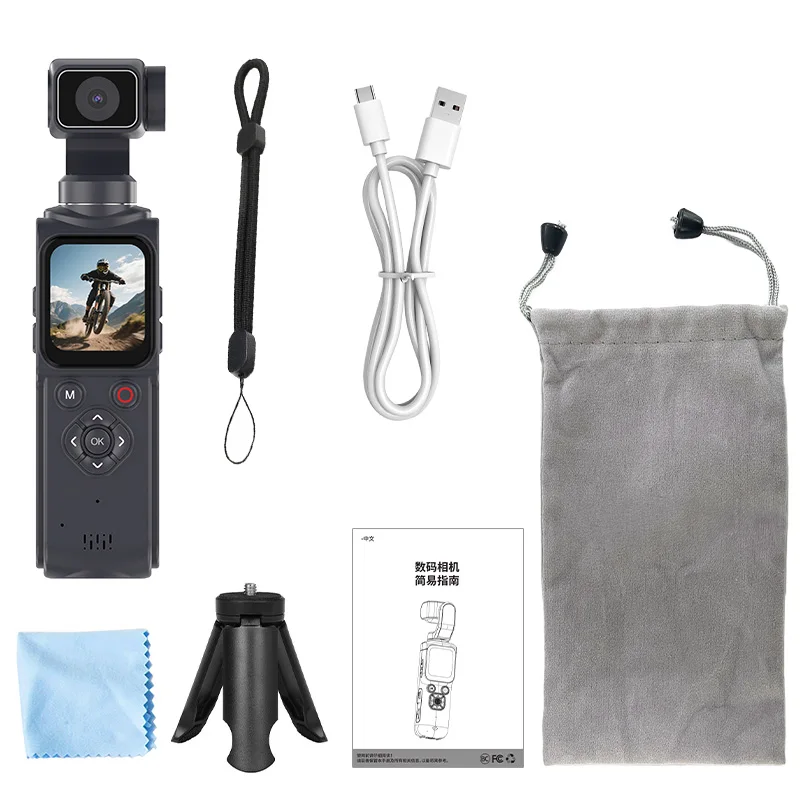

Software plays a crucial role in digital cameras as well, as it controls the camera’s settings, image processing algorithms, and user interface. The software enables users to adjust settings like exposure, white balance, and focus, as well as apply filters and effects to their photos.
Is a Digital Camera Hardware or Software
A digital camera is a device that captures and stores digital images. It consists of both hardware and software components that work together to produce high-quality photos and videos.
Hardware Components:
The hardware components of a digital camera include the lens, image sensor, processor, memory card, LCD screen, buttons, and ports. These physical parts work together to capture light, process images, and store data.
Software Components:
The software components of a digital camera include the firmware, image processing algorithms, user interface, and settings. The software controls how the hardware components interact and processes the digital signals from the image sensor to create the final image or video file.
| Hardware | Software |
| Lens, image sensor, processor | Firmware, image processing algorithms |
| Memory card, LCD screen, buttons | User interface, settings |
Understanding the Basics
When discussing whether a digital camera is hardware or software, it’s important to understand the fundamental differences between the two. Hardware refers to the physical components of a device, such as the camera body, lens, image sensor, and memory card slot. These are tangible, physical parts that you can touch and see.

On the other hand, software refers to the programming and instructions that control how the hardware functions. In the case of a digital camera, software includes the firmware that operates the camera’s settings, image processing algorithms, and user interface. Software is intangible and is stored in the camera’s memory.
Role of Hardware in Digital Cameras
Hardware plays a crucial role in the functionality of digital cameras. The key components of a digital camera’s hardware include:
Sensor:
The sensor is the heart of a digital camera as it captures the light and converts it into digital signals. The quality and size of the sensor directly affect the image quality and low-light performance of the camera.
Lens:
The lens of a digital camera determines the clarity and sharpness of the images. Different lenses offer various focal lengths and apertures, allowing photographers to achieve different effects and compositions.
Image Processor: The image processor is responsible for processing the digital signals from the sensor and converting them into a viewable image. It also controls various settings like white balance, exposure, and image stabilization.
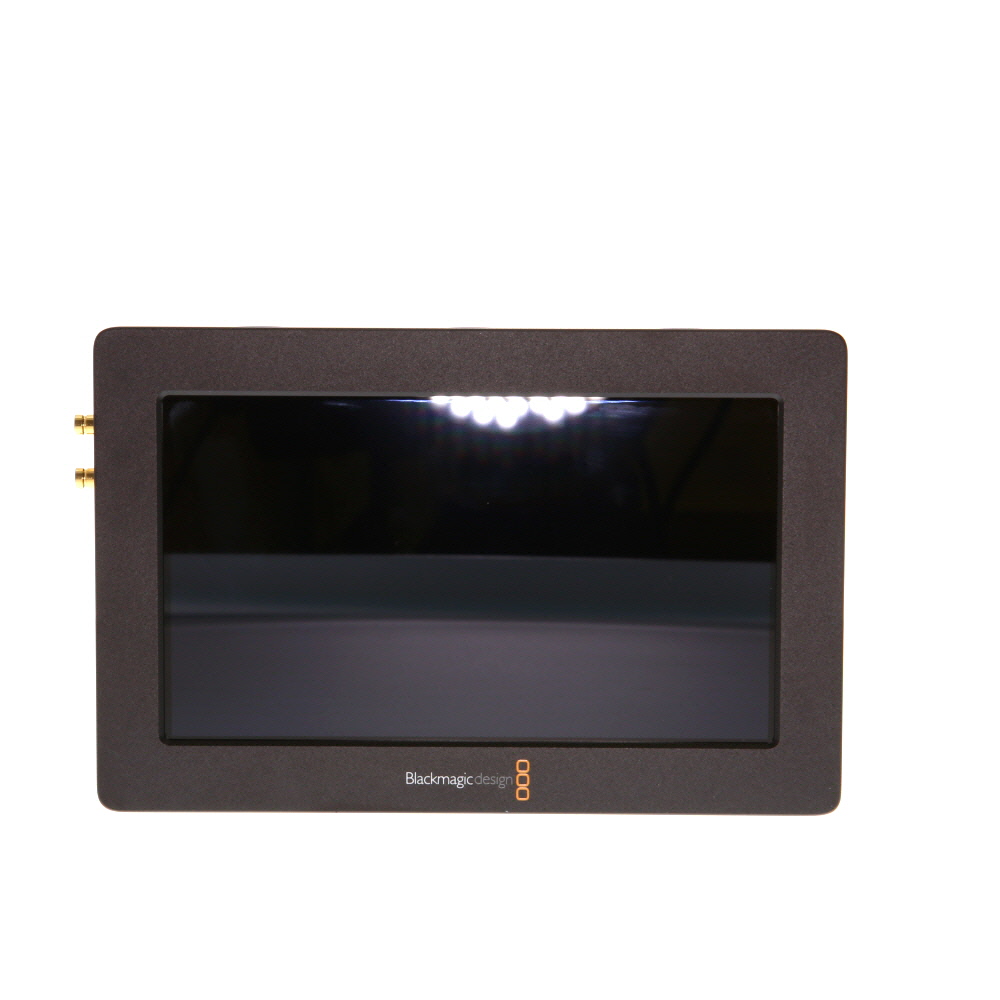
Memory Card: Digital cameras use memory cards to store captured images and videos. The type and capacity of the memory card determine how many photos and videos can be stored on the camera.
Importance of Software in Digital Cameras
Software plays a crucial role in digital cameras as it controls various functions and features of the device. Here are some key reasons why software is important in digital cameras:
- Image Processing: Digital cameras use software algorithms to process and enhance images captured by the sensor. This includes tasks like noise reduction, color correction, and image sharpening.
- Settings and Controls: The software in a digital camera allows users to adjust settings such as ISO, aperture, and shutter speed, giving them control over the final image output.
- Auto-Focus and Image Stabilization: Software is responsible for auto-focusing mechanisms and image stabilization features, ensuring that images are sharp and clear.
- File Management: Digital cameras use software to organize and store images, making it easy for users to access and transfer their photos.
- Connection and Communication: Software enables digital cameras to connect to other devices, such as computers or smartphones, for image transfer and sharing.
In conclusion, software is an indispensable part of digital cameras, enhancing their functionality and providing users with the tools they need to capture high-quality images.
Distinguishing Between Hardware and Software
When it comes to digital cameras, it’s important to understand the distinction between hardware and software components:
- Hardware: This refers to the physical components of the digital camera, such as the lens, image sensor, memory card slot, buttons, and LCD screen. These are tangible parts that you can touch and see.
- Software: Software refers to the programs and applications that run on the camera to control its functions and settings. This includes the camera’s operating system, image processing algorithms, and user interface.
While hardware is the physical foundation of the digital camera, software plays a crucial role in determining its functionality and features. Both hardware and software work together to capture and process images, making a digital camera a sophisticated tool for photography.
How Hardware and Software Work Together
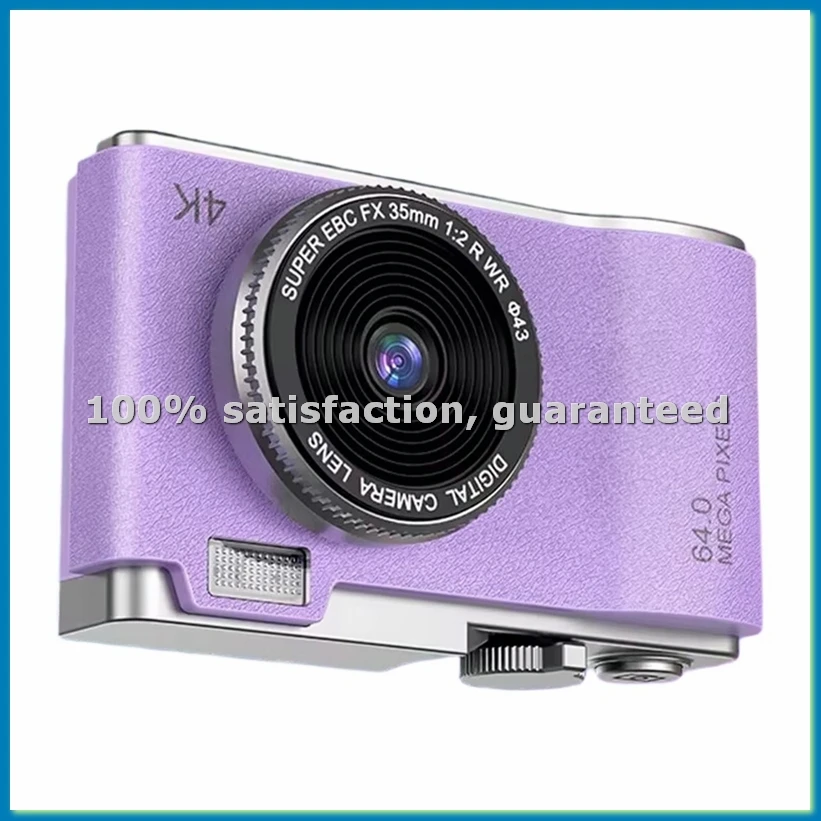
Hardware refers to the physical components of a digital camera, such as the lens, image sensor, and memory card. These components work together to capture and store images.
Software includes the programs and instructions that control how the hardware functions. This includes the camera’s operating system, image processing algorithms, and user interface.
When you take a photo with a digital camera, the hardware components capture the image, while the software processes the image data and saves it to the memory card. The software also allows you to adjust settings, view and delete photos, and transfer images to a computer.
In essence, hardware and software in a digital camera work together seamlessly to provide users with a complete photography experience.
Impact of Hardware and Software on Image Quality
Hardware:

Hardware components such as the image sensor, lens, and image processor play a crucial role in determining the quality of images captured by a digital camera. The size and quality of the image sensor, the clarity and precision of the lens, and the processing power of the image processor all contribute to the sharpness, color accuracy, and overall image quality.
Software:
Software algorithms and processing techniques also significantly impact image quality. Image processing software controls aspects such as noise reduction, color correction, white balance, and image sharpening. The quality of these software algorithms can greatly enhance or degrade the final image output.
Conclusion:
Both hardware and software are essential components in determining the image quality of a digital camera. A combination of high-quality hardware components and sophisticated software algorithms is necessary to achieve superior image quality and produce stunning photographs.
Evolution of Digital Camera Technology
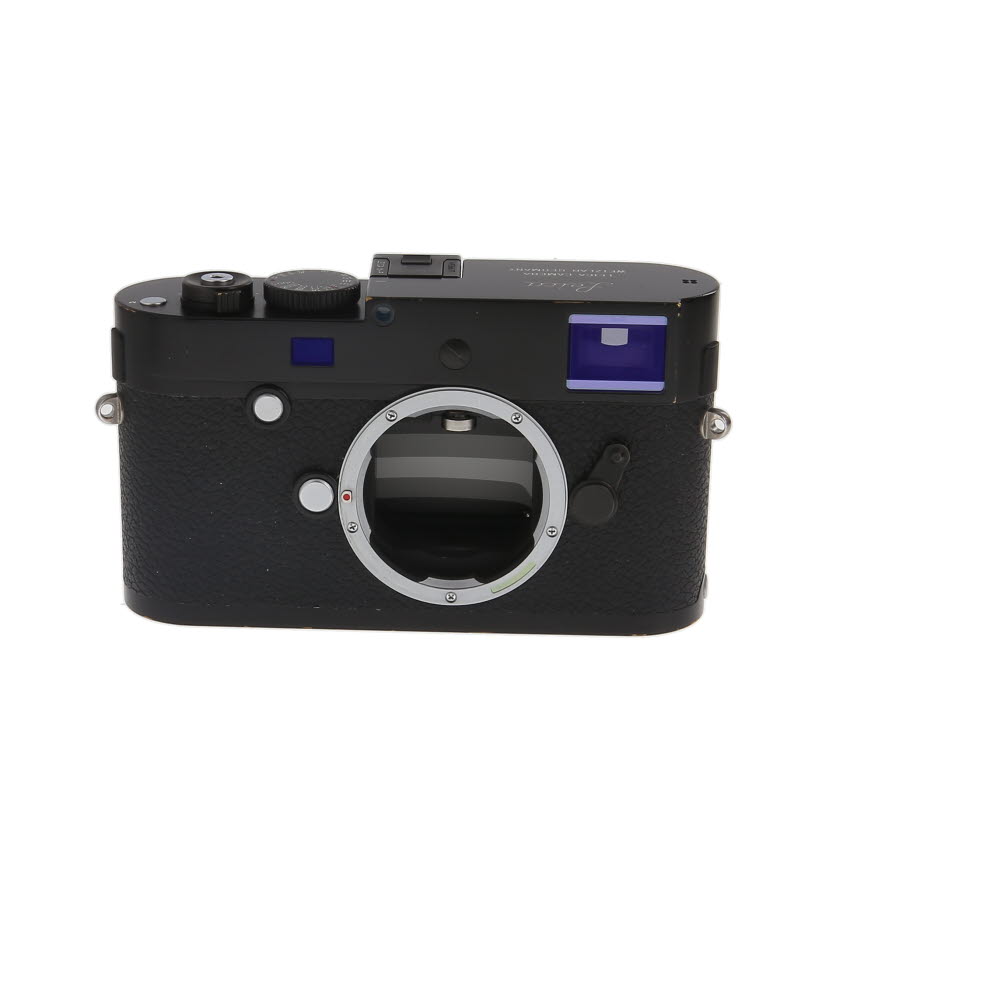
In the early days of digital cameras, they were primarily used by professionals due to their high cost and limited capabilities. These early digital cameras were bulky and had low resolution sensors, resulting in poor image quality compared to film cameras.
However, as technology advanced, digital cameras became more affordable and compact, making them accessible to a wider audience. The introduction of higher resolution sensors improved image quality, while advancements in software allowed for more sophisticated features such as image stabilization and face detection.
Today, digital cameras are equipped with a range of advanced features, including high-resolution sensors, fast autofocus systems, and built-in Wi-Fi connectivity. These advancements have made digital cameras a popular choice for capturing high-quality images and videos in a variety of settings.
Future Trends in Digital Camera Development
In the rapidly evolving world of digital photography, the development of digital cameras continues to push the boundaries of technology. Here are some future trends to watch out for:
1. AI Integration
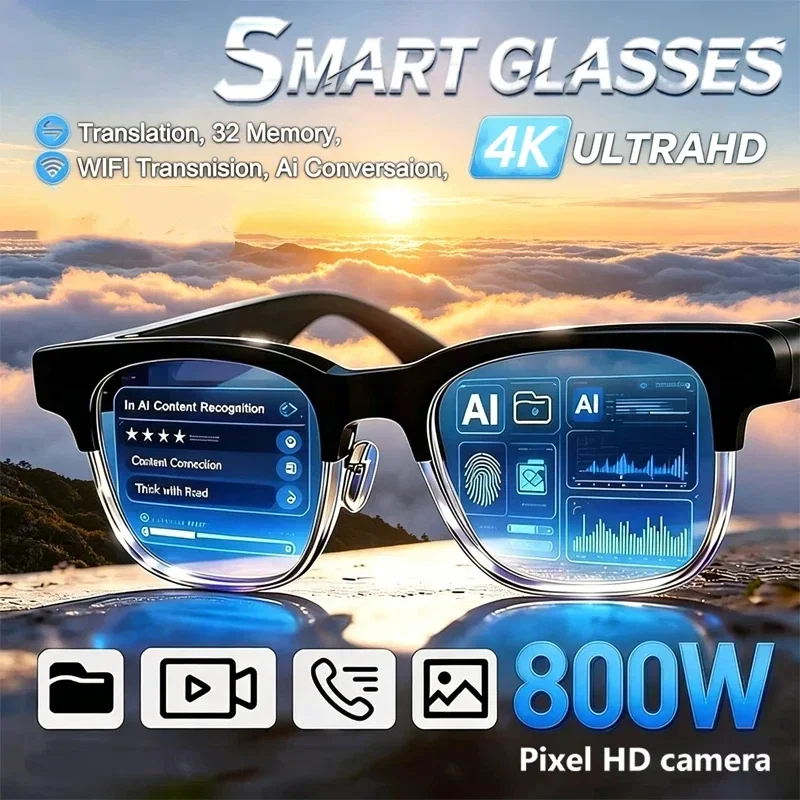
Artificial intelligence (AI) is expected to play a significant role in the development of digital cameras. AI-powered features such as scene recognition, automatic image enhancement, and real-time object tracking will become more prevalent, making photography easier and more intuitive for users.
2. Computational Photography
Computational photography, which combines hardware and software to create stunning images, is another trend to look out for. Techniques such as multi-frame image processing, depth mapping, and advanced image fusion will continue to improve image quality and expand creative possibilities.
Stay tuned as digital camera technology advances, offering photographers new tools and capabilities to capture the world around them.
FAQ
Is a digital camera considered hardware or software?
A digital camera is considered hardware because it is a physical device that captures images using sensors and lenses.
What components make up the hardware of a digital camera?
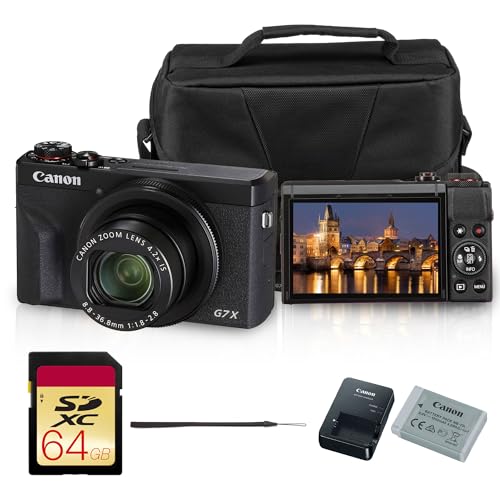
The hardware components of a digital camera include the image sensor, lens, image processor, memory card, LCD screen, and body of the camera itself.
How does software play a role in a digital camera?
Software in a digital camera controls various functions such as image processing, settings adjustments, autofocus, image stabilization, and in some cases, even Wi-Fi connectivity for sharing photos.

Can you upgrade the hardware of a digital camera?
While the hardware components of a digital camera are usually fixed and cannot be easily upgraded by users, some advanced cameras may have the option to upgrade lenses, flashes, or other accessories.
What is the importance of both hardware and software in a digital camera?
Hardware is essential for capturing images, while software enhances the functionality and features of the camera, providing users with creative control and improving image quality.


Can someone explain how the software specifically enhances the image quality in digital cameras? I'm curious about the technical aspects like noise reduction and color correction.
Great question! Software enhances image quality through algorithms that process the raw data from the sensor. Noise reduction minimizes graininess, while color correction adjusts hues to make them more accurate. These processes significantly improve the final image quality.
I recently switched from a DSLR to a mirrorless camera, and I noticed the software really helps with autofocus compared to my old camera. It’s so much quicker now!