
 Carmen J. Moore

Have you ever wanted to capture the world in a different light? Infrared photography offers a unique perspective by revealing a spectrum of light that is invisible to the human eye. With a digital camera and a few simple techniques, you can create stunning infrared images that will amaze and inspire.
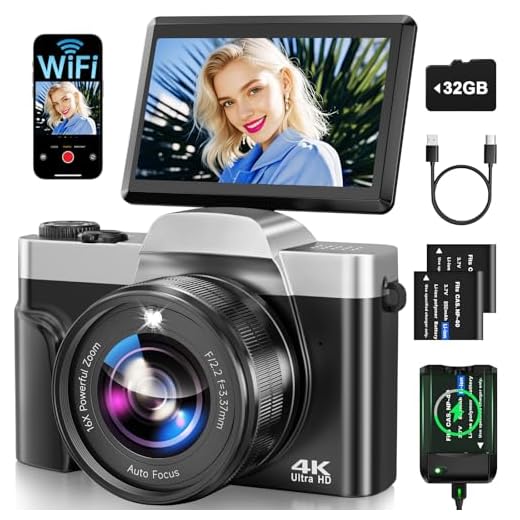
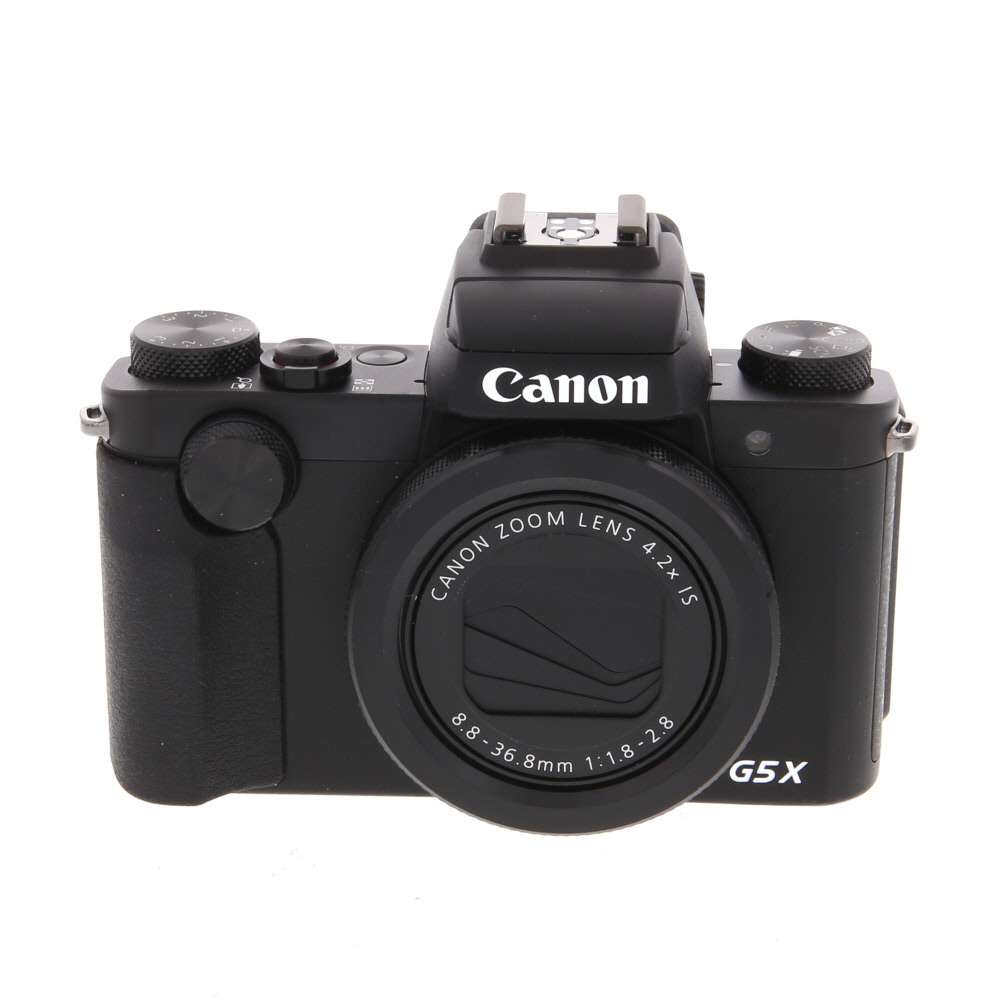
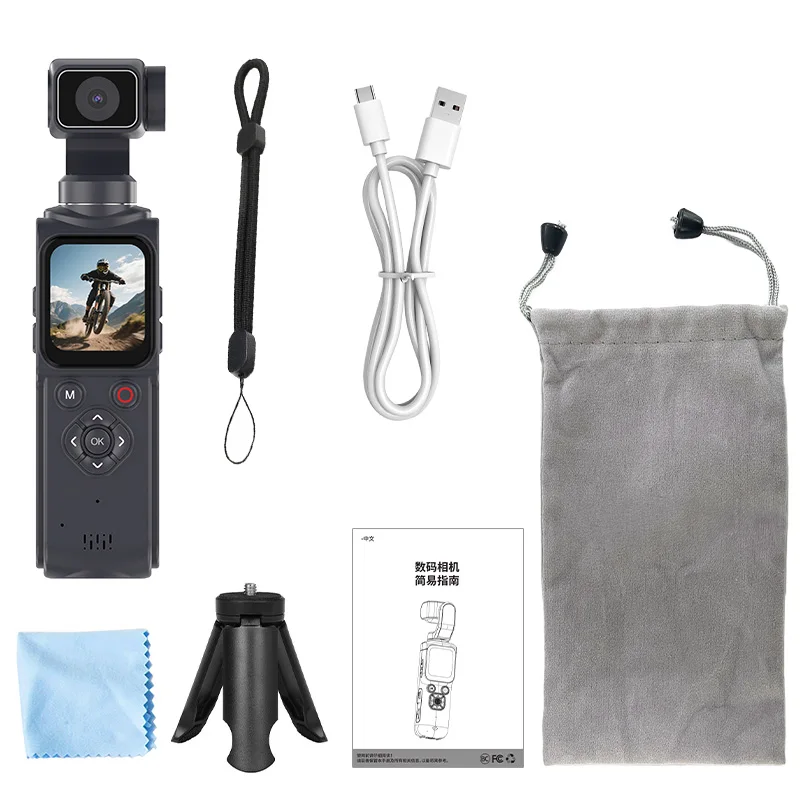

But how exactly do you take infrared photos with a digital camera? In this guide, we will walk you through the process step by step, from choosing the right equipment to editing your final images. Whether you’re a seasoned photographer looking to try something new or a beginner eager to explore the world of infrared photography, this guide is for you.
Understanding Infrared Photography
Infrared photography is a fascinating technique that captures light beyond the visible spectrum, allowing you to create unique and surreal images. Understanding how infrared photography works is essential to capturing stunning infrared photos with your digital camera.
How Does Infrared Photography Work?
Traditional cameras are designed to capture light within the visible spectrum, which ranges from approximately 400 to 700 nanometers. Infrared photography involves using a specially modified camera or infrared filter to capture light in the infrared spectrum, which has wavelengths longer than those of visible light.
When you take an infrared photo, the camera records the infrared light reflected off objects in the scene, resulting in a unique image with a dreamlike quality. Vegetation, for example, appears bright white in infrared photos, while skies can take on a dramatic dark tone.
Choosing the Right Equipment
To experiment with infrared photography, you will need a digital camera capable of capturing infrared light. You can either convert a digital camera to be infrared-sensitive or use an infrared filter on your camera lens. Additionally, you may need to adjust your camera settings and white balance to achieve optimal results.

| Equipment | Details |
|---|---|
| Digital Camera | Full-spectrum or specially modified camera |
| Infrared Filter | Filter that blocks visible light and allows only infrared light to pass through |
| Camera Settings | Adjustments to exposure, focus, and white balance for infrared photography |
Choosing the Right Camera
When selecting a digital camera for infrared photography, there are a few key factors to consider:
- Full Spectrum or Converted Camera: You can either use a full spectrum camera that captures both visible and infrared light or a converted camera that is modified to capture only infrared light.
- Sensor Sensitivity: Look for a camera with a sensor that is sensitive to infrared light. Some cameras have a built-in infrared filter that blocks out infrared light, so check if your camera can be modified to remove this filter.
- Resolution: Higher resolution cameras will give you more detailed infrared images, so choose a camera with a resolution that meets your needs.
- Manual Settings: Make sure the camera has manual settings that allow you to adjust the exposure, white balance, and other settings needed for infrared photography.
Setting Up Your Camera
Before you start taking infrared photos with your digital camera, you need to set it up properly for this specific type of photography. Here are some key steps to follow:
1. Enable Manual Mode: Switch your camera to manual mode to have full control over the settings, including the shutter speed, aperture, and ISO.
2. Set White Balance: Adjust the white balance settings on your camera to accommodate infrared light. You may need to use a custom white balance setting or set it to the “Daylight” preset.
3. Attach an Infrared Filter: To capture infrared light, you’ll need to attach an infrared filter to your lens. This filter blocks out visible light and allows only infrared light to pass through.
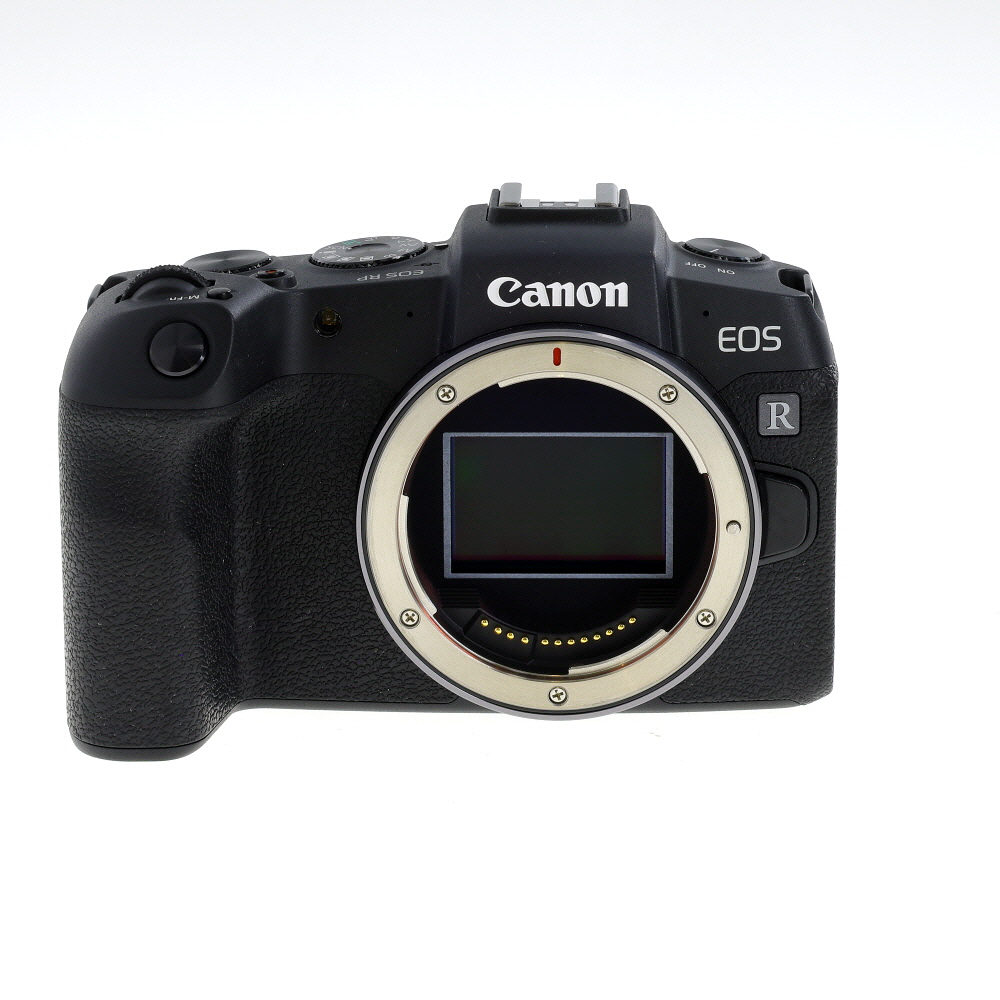
4. Adjust Focus: Since infrared light focuses at a different point than visible light, you’ll need to manually adjust the focus on your lens to compensate for this shift.
5. Use a Tripod: Infrared photography often requires longer exposure times, so using a tripod will help stabilize your camera and prevent blurry images.
6. Experiment with Settings: Test different combinations of shutter speed, aperture, and ISO to find the settings that work best for capturing stunning infrared photos.
Choosing the Right Lens
When taking infrared photos with a digital camera, it is important to choose the right lens to achieve the desired results. Here are some factors to consider when selecting a lens for infrared photography:
| Filter Compatibility | Make sure the lens is compatible with infrared filters, as some lenses may cause hot spots or vignetting when used with certain filters. |
| Focal Length | Consider the focal length of the lens based on your shooting style and the desired composition of your infrared photos. |
| Aperture | Choose a lens with a wide aperture to allow more light to reach the camera sensor, especially since infrared light is less intense than visible light. |
| Sharpness | Opt for a lens known for its sharpness to capture details and textures effectively in your infrared images. |
| Coating | Consider lenses with anti-reflective coatings to reduce lens flare and ghosting when shooting infrared photos. |
Taking Infrared Photos
1. Choose the Right Camera: Not all digital cameras are capable of capturing infrared light. Make sure your camera has the ability to capture infrared images before attempting to take infrared photos.
2. Use an Infrared Filter: To capture infrared photos, you will need to attach an infrared filter to your lens. These filters block visible light and allow only infrared light to pass through, creating unique and surreal images.
3. Set the White Balance: Infrared light can affect the white balance of your photos, so it’s important to adjust the white balance settings on your camera to compensate for the infrared light. Experiment with different white balance settings to achieve the desired effect.
4. Choose the Right Time of Day: Infrared light is most prominent during the midday sun when the sun is high in the sky. Try taking your infrared photos during this time to capture the best results.
5. Experiment and Have Fun: Infrared photography is a creative and experimental process. Don’t be afraid to try different techniques and settings to see what works best for you. Have fun exploring the world of infrared photography and capturing unique and stunning images.
Editing Your Infrared Photos
After capturing your infrared photos, the editing process is crucial to achieve the desired effect. Here are some tips for editing your infrared images:

1. White Balance Adjustment
Since infrared photography captures light outside the visible spectrum, the white balance in your photos will be off. Adjust the white balance to give your images a more natural look or experiment with different settings for creative effects.
2. Contrast and Saturation Enhancement
Infrared photos can sometimes appear flat due to the lack of color information. Enhance the contrast and saturation to make the details pop and create a more dynamic image. Be careful not to overdo it, as it can lead to unnatural-looking results.
FAQ
What is infrared photography and how does it work?
Infrared photography is a technique where a digital camera is used to capture light beyond the visible spectrum, specifically in the infrared range. Infrared light has longer wavelengths than visible light, and digital cameras can be modified or have filters attached to allow them to capture this type of light. When infrared light is captured, it creates unique and ethereal images with a different color palette compared to traditional photography.
What equipment do I need to take infrared photos with a digital camera?
To take infrared photos with a digital camera, you will need a digital camera that can be modified to capture infrared light or a camera that can have an infrared filter attached to it. Additionally, you will need an infrared filter, which blocks out visible light and allows only infrared light to pass through. Some photographers also use tripods to stabilize their camera during long exposures, as infrared photography often requires slower shutter speeds to capture enough light.



This sounds interesting! What type of infrared filter do you recommend for beginners? Are there specific brands that work better with certain cameras?
I don't think it's necessary to use a tripod for all infrared shots. I've had decent results without one, especially when using faster shutter speeds. It seems more about personal style and comfort than strict rules.
I'm confused about the difference between a full-spectrum camera and a converted camera. Can you explain that a bit more?
I recently tried infrared photography with a converted camera. The results were surprising! At first, I didn't get the white balance right, and my images came out too reddish. After some experimenting, I found that setting the white balance to daylight helped a lot. Just a heads-up for anyone starting out!
Thanks for sharing your experience! Adjusting white balance can definitely make a huge difference. It's great to hear that you found a setting that worked for you!
I love the dreamlike quality of infrared photos! Can't wait to try this out. It feels like a whole new world to explore!