
 Carmen J. Moore

SLR digital cameras are a popular choice among photographers due to their versatility and image quality. These cameras use a mirror mechanism to allow the photographer to see exactly what the camera sees through the lens.
When you look through the viewfinder of an SLR camera, you are seeing the image reflected off a mirror that sits in front of the camera’s image sensor. This mirror flips up and out of the way when you press the shutter button, allowing light to hit the sensor and capture the image.
SLR cameras also use interchangeable lenses, giving photographers the ability to choose the best lens for the specific type of photography they are doing. The combination of the mirror mechanism and interchangeable lenses is what makes SLR digital cameras so versatile and popular among photographers.




Understanding the Basics
SLR digital cameras work by using a combination of lenses, mirrors, and sensors to capture high-quality images. When you press the shutter button, the mirror inside the camera flips up, allowing light to pass through the lens and onto the image sensor. The image sensor then converts the light into digital data, which is processed by the camera’s processor to create the final image.
SLR cameras offer a range of manual settings and controls, allowing photographers to adjust the aperture, shutter speed, and ISO to capture the perfect shot. The optical viewfinder provides a clear, real-time view of the scene, helping photographers compose their shots with precision.
Key Components:
- Lens: Determines the focal length and aperture of the camera.
- Mirror: Reflects light from the lens onto the image sensor.
- Image Sensor: Converts light into digital data to create the image.
- Processor: Processes the digital data to produce the final image.
Exploring the Sensor
One of the key components of an SLR digital camera is the image sensor, which plays a vital role in capturing photos. The sensor is typically a CMOS or CCD chip that converts light into electrical signals. When you press the shutter button, the sensor is exposed to light through the lens, and each pixel on the sensor records the intensity of light it receives.
The sensor then converts this information into digital data, which is processed by the camera’s image processor to create a digital image. The size and quality of the sensor can affect the image resolution and overall image quality of the photos you take with the camera.
Modern SLR digital cameras often have advanced sensors with high megapixel counts and improved low-light performance, allowing photographers to capture detailed and sharp images even in challenging lighting conditions. Understanding how the sensor works can help you make informed decisions when selecting a camera that meets your photography needs.

Discovering the Mirror Mechanism
One of the key components of an SLR digital camera is the mirror mechanism. This mechanism plays a crucial role in the operation of the camera, particularly in allowing the photographer to see through the lens and frame the shot accurately.
When you look through the viewfinder of an SLR camera, you are actually looking through a series of mirrors that reflect the image coming through the lens. The mirror inside the camera reflects the light up to a focusing screen, which then reflects the image to your eye.
This mirror mechanism allows you to see exactly what the lens sees, enabling you to compose your shot with precision. When you press the shutter button, the mirror flips up out of the way to allow the light to reach the image sensor and capture the photograph.
Components of an SLR Camera
An SLR camera consists of several key components that work together to capture high-quality images:
Lens
- The lens is a crucial component of an SLR camera, responsible for focusing light onto the image sensor. It determines factors such as focal length, aperture, and image quality.
Mirror and Prism
- An SLR camera has a mirror that reflects light from the lens up into a prism, which then redirects the light through the viewfinder. When the shutter button is pressed, the mirror flips up to allow light to reach the image sensor.
These components work in harmony to provide photographers with a versatile and reliable tool for capturing stunning images.
Unveiling the Lens System
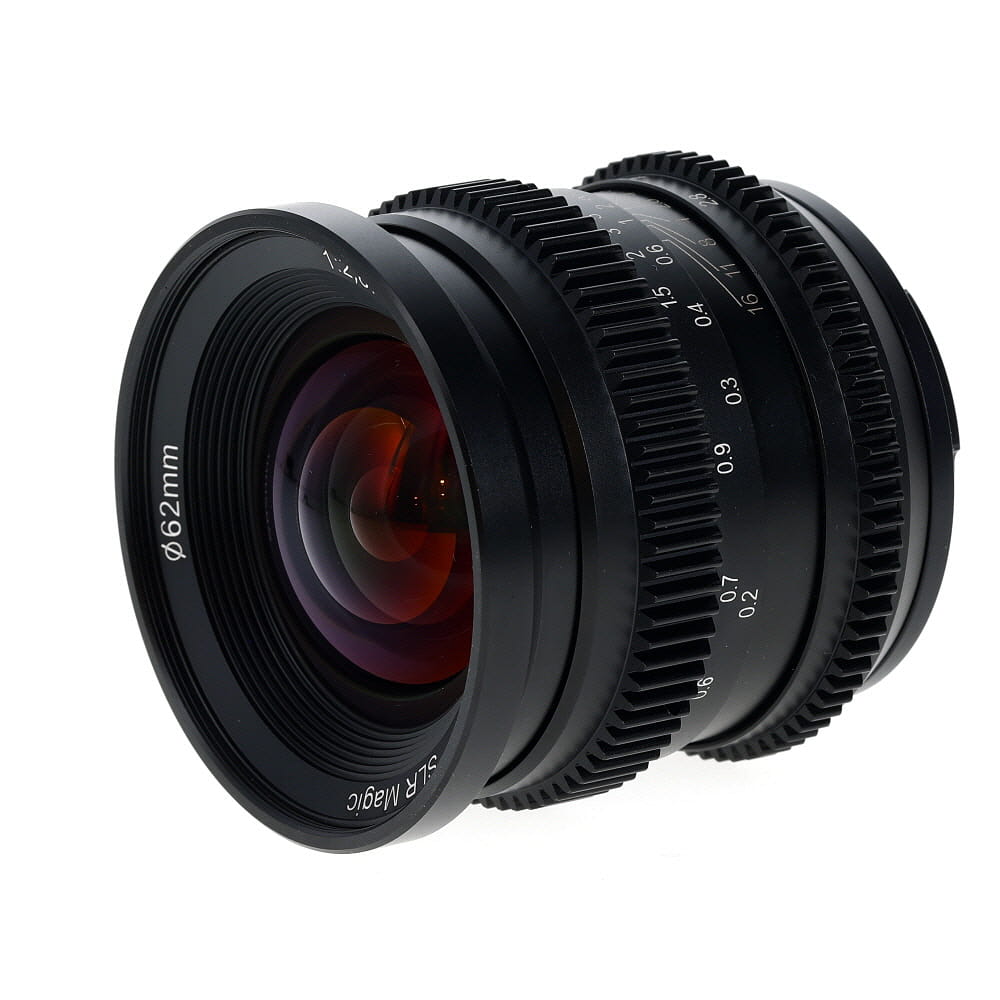
One of the key components of an SLR digital camera is its lens system. The lens is responsible for focusing light onto the image sensor, capturing the scene in front of the camera. SLR cameras typically have interchangeable lenses, allowing photographers to choose the best lens for the specific type of photography they are doing.
The lens system in an SLR camera consists of multiple glass elements that work together to bend and focus light onto the sensor. The quality of the lens can greatly impact the sharpness and clarity of the final image. Different lenses have different focal lengths, which determine how much of the scene will be captured in the frame.
When you adjust the lens on an SLR camera, you are changing the focal length and the focus point, allowing you to capture a variety of shots from wide-angle to telephoto. The lens system is a crucial part of the camera’s functionality, and understanding how it works can help you take better photos.
Examining the Shutter
One of the key components of an SLR digital camera is the shutter. The shutter is a mechanism that controls the amount of time light is allowed to hit the camera’s sensor. When you press the shutter button, the shutter opens to let light in and then closes to capture the image.
Types of Shutter
There are two main types of shutters used in SLR cameras: focal-plane shutters and leaf shutters. Focal-plane shutters are located in front of the camera’s sensor and consist of two curtains that move across the sensor to control exposure time. Leaf shutters, on the other hand, are located inside the lens and consist of overlapping metal blades that open and close to control exposure time.

The shutter speed refers to the amount of time the shutter remains open to capture an image. A faster shutter speed freezes motion, while a slower shutter speed allows for motion blur. Adjusting the shutter speed is crucial for capturing sharp images of fast-moving subjects or creating artistic effects with long exposures.
Working of the Viewfinder
The viewfinder in an SLR digital camera is an optical component that allows the photographer to see through the lens and frame the shot. It works by reflecting light from the camera lens up into the viewfinder using a series of mirrors and prisms.
When you look through the viewfinder, you are actually seeing the light that is passing through the camera lens and hitting the image sensor. This allows you to compose your shot and adjust settings such as focus and exposure before taking the picture.
Understanding the Prism
One of the key components in an SLR digital camera is the prism. The prism is responsible for redirecting the light coming through the lens to the viewfinder. When you look through the viewfinder, you are actually seeing the image that has been reflected by the prism.
The prism in an SLR camera is a complex piece of optical equipment that ensures the image you see is accurate and true to what the lens is capturing. It helps you compose your shot and focus properly by providing a clear and detailed view of the scene.

As you adjust the focus and settings on your camera, the prism ensures that the image you see through the viewfinder remains consistent and in line with the final image that will be captured by the image sensor. This is essential for achieving sharp and well-composed photographs.
Highlighting the Optical Viewfinder
One of the key features of an SLR digital camera is its optical viewfinder. This viewfinder allows you to see exactly what the camera lens sees, giving you a clear and accurate representation of the scene you are capturing. The optical viewfinder uses a system of mirrors and prisms to redirect the light coming through the lens to your eye, providing a real-time view of your subject.
When you look through the optical viewfinder of an SLR camera, you are seeing the image as it is reflected off the camera’s mirror and prism system. This direct optical view allows you to compose your shot with precision and accuracy, making it easier to frame your subject and adjust focus and exposure settings as needed.
In addition to providing a clear view of your subject, the optical viewfinder also offers several advantages over electronic viewfinders found in other types of digital cameras. These include faster response times, better performance in low-light conditions, and a more natural viewing experience that closely resembles what you would see with your own eyes.
FAQ
How do SLR digital cameras work?
SLR (Single Lens Reflex) digital cameras work by using a mirror mechanism to reflect light from the lens up into an optical viewfinder, allowing the photographer to see exactly what the lens sees. When the picture is taken, the mirror flips up out of the way, and the light passes through the lens to the image sensor, capturing the image digitally.
What are the advantages of SLR digital cameras?
SLR digital cameras have several advantages, such as the ability to change lenses to suit different types of photography, the optical viewfinder that gives a clear and accurate representation of the scene, and the fast autofocus systems. Additionally, SLR cameras typically have larger sensors, which result in higher image quality and better low-light performance compared to compact cameras.


I recently switched to an SLR camera, and I have to say, the interchangeable lenses are a game changer. I love being able to switch from a wide-angle to a telephoto lens depending on what I'm shooting. It really helps with creativity and capturing different perspectives.
I'm really interested in how the mirror mechanism works in SLR cameras. Can you explain what happens when you press the shutter button?
When you press the shutter button, the mirror flips up to allow light to reach the image sensor. This is crucial for capturing the image accurately since it lets the sensor record the incoming light.