
 Carmen J. Moore

Are you ready to take your photography skills to the next level? With the advent of digital cameras, capturing stunning images has never been easier. Whether you’re a novice looking to improve your snapshots or a seasoned pro aiming for that perfect shot, mastering the art of digital photography is within your reach.
From understanding the basic principles of composition to mastering advanced techniques such as exposure and lighting, there are plenty of tips and tricks to help you elevate your photography game. With the right knowledge and practice, you can transform ordinary moments into extraordinary works of art.
Join us on a journey to explore the world of digital photography and learn how to take good photographs with your digital camera. Let’s dive into the world of pixels, lenses, and creativity, and unlock the potential of your camera to capture moments that will last a lifetime.
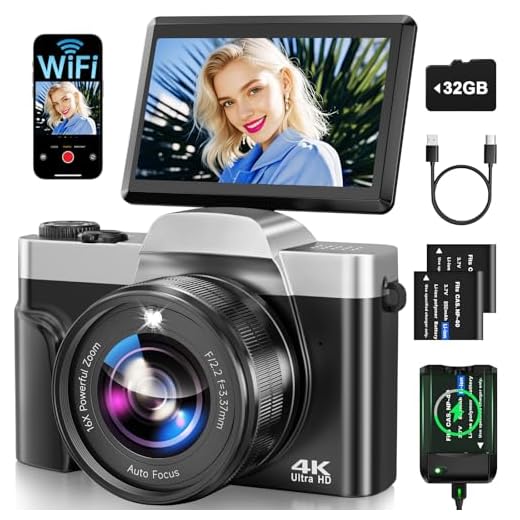
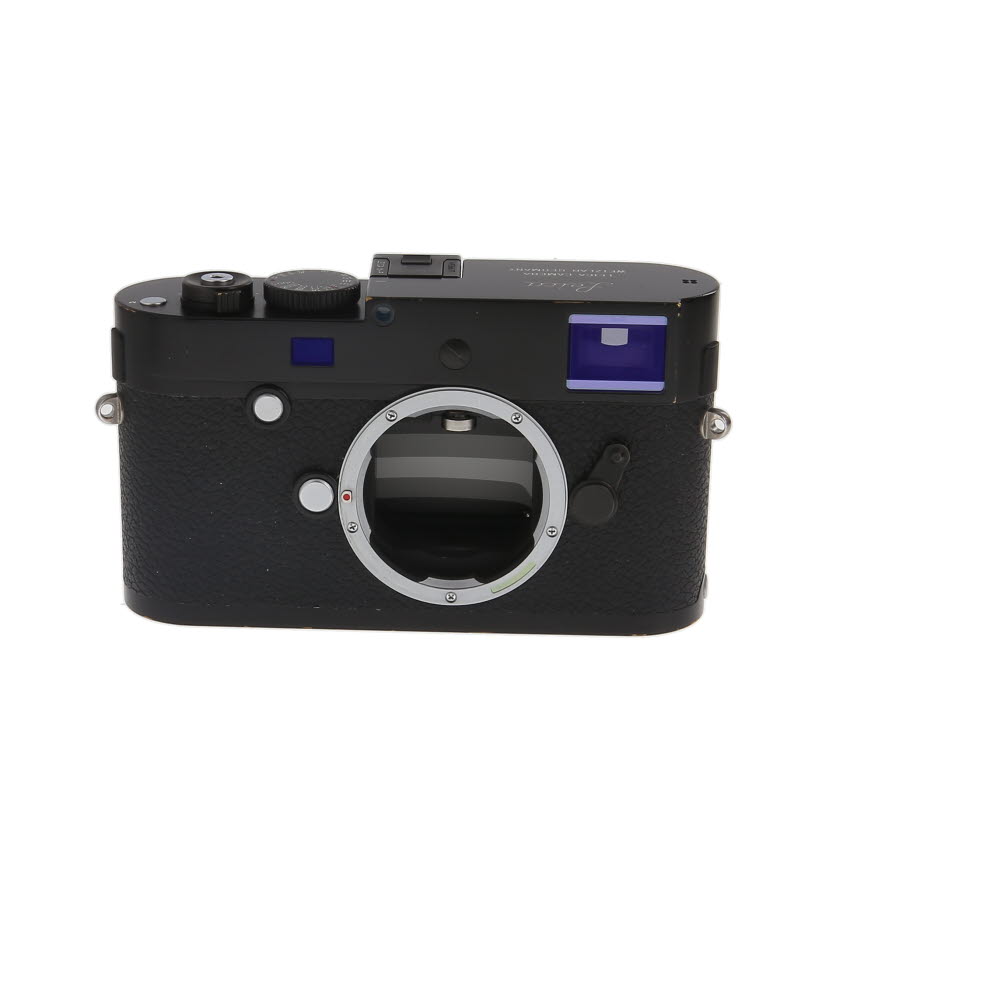
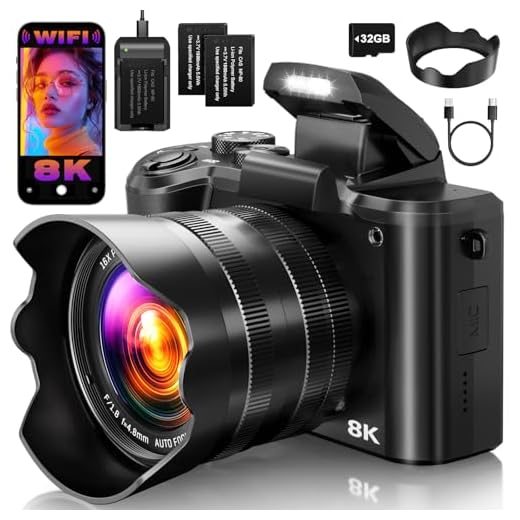
Mastering the Basics
Before diving into advanced techniques, it’s important to master the basics of photography with a digital camera. Here are some key tips to keep in mind:
| 1. Know Your Camera | Take the time to familiarize yourself with the settings and features of your digital camera. Understanding how to adjust the aperture, shutter speed, ISO, and focus will help you capture better photos. |
| 2. Focus on Composition | Pay attention to the composition of your shots. Experiment with different angles, framing, and perspectives to create visually interesting images. |
| 3. Use Natural Light | When possible, take advantage of natural light for your photos. Avoid harsh, direct sunlight and opt for soft, diffused light for more flattering results. |
| 4. Practice, Practice, Practice | Practice makes perfect when it comes to photography. Take your camera with you everywhere and experiment with different subjects and settings to improve your skills. |
Understanding Your Camera
Before you start taking photos with your digital camera, it’s essential to understand its basic functions and settings. Familiarize yourself with the different buttons, dials, and menus on your camera to know how to adjust the various settings such as ISO, aperture, and shutter speed.
Learn the Camera Modes
Most digital cameras come with different shooting modes like auto, manual, aperture priority, and shutter priority. Each mode has its own purpose and allows you to control specific settings. Make sure to read the camera manual to understand how each mode works.
Experiment with Settings
Take some time to experiment with different settings on your camera to see how they affect your photos. Adjust the aperture to control the depth of field, change the ISO to manage the camera’s sensitivity to light, and play around with the shutter speed to capture motion or create blur effects.
Setting the Right Exposure
Exposure is a crucial element in photography, especially when using a digital camera. It refers to the amount of light that reaches the camera sensor, determining how bright or dark an image will appear. To take good photographs, it is essential to set the right exposure for each shot.

Understanding Exposure Settings
Modern digital cameras offer various exposure settings that allow you to control the amount of light entering the camera. The key settings to consider are:
| 1. Aperture | The aperture setting controls the size of the opening in the lens through which light enters the camera. A larger aperture (small f-stop number) lets in more light, while a smaller aperture (larger f-stop number) lets in less light. |
| 2. Shutter Speed | Shutter speed determines the length of time the camera’s shutter remains open to allow light to reach the sensor. A faster shutter speed freezes motion but lets in less light, while a slower shutter speed captures motion blur but lets in more light. |
| 3. ISO | ISO refers to the camera sensor’s sensitivity to light. A lower ISO setting is ideal for bright conditions, while a higher ISO setting is suitable for low-light situations. However, higher ISO settings can result in more digital noise in the image. |
Setting the Correct Exposure
To achieve the right exposure for your photographs, you need to balance the aperture, shutter speed, and ISO settings based on the lighting conditions and desired creative effect. Experiment with different settings to find the perfect exposure for each shot, ensuring proper brightness and sharpness in your images.
Focusing Techniques
One of the most crucial aspects of taking good photographs with a digital camera is ensuring that your subject is in focus. Here are some focusing techniques to help you capture sharp and clear images:
1. Use the Autofocus Feature
Most digital cameras come with an autofocus feature that automatically adjusts the focus to ensure that your subject is sharp. Make sure to half-press the shutter button to allow the camera to focus before taking the shot.
2. Manual Focus
If your camera allows for manual focus, consider using it for more control over the focus point. This can be particularly useful in situations where the autofocus struggles to lock onto the subject, such as in low light conditions.

- Use the focus ring on your lens to adjust the focus manually.
- Zoom in on your LCD screen or viewfinder to ensure that the subject is in focus.
Composition Tips
1. Rule of Thirds: Divide your frame into thirds both horizontally and vertically, and place your subject at the intersection of these lines to create a more visually appealing composition.
2. Leading Lines: Use lines in your frame to lead the viewer’s eye towards your subject, creating a sense of movement and guiding the viewer through the image.
3. Framing: Use natural elements like archways, windows, or trees to frame your subject and draw attention to it within the composition.
4. Symmetry and Patterns: Look for symmetry or interesting patterns in your scene to create a visually striking composition that captures the viewer’s attention.
5. Negative Space: Don’t overcrowd your frame; leaving negative space around your subject can help emphasize it and create a sense of balance in the composition.

Rule of Thirds
The rule of thirds is a fundamental principle in photography that helps create well-balanced and visually appealing compositions. The idea is to imagine breaking an image into nine equal parts with two horizontal lines and two vertical lines, creating a grid of nine squares. Placing key elements of the scene along these lines or at the points where they intersect can help to create more dynamic and interesting photos.
How to Apply the Rule of Thirds:
To apply the rule of thirds, you can either align key elements of your composition with the gridlines or position them at the points where the lines intersect. This can help create a sense of balance and harmony in your photos, making them more visually appealing.
Leading Lines
Leading lines are a powerful compositional tool in photography that can help guide the viewer’s eye through the image. Look for natural or man-made lines in your scene, such as roads, fences, or buildings, and use them to create a sense of depth and movement in your photographs.
When composing your shot, try to position the leading lines in a way that draws the viewer’s attention towards the main subject of the image. Experiment with different angles and perspectives to see how the lines can enhance the overall composition of your photograph.
Pro tip: Leading lines don’t always have to be straight. Curved lines can add a sense of dynamism and flow to your images, so don’t be afraid to get creative with your compositions!

Foreground and Background
When taking a photograph, it’s important to pay attention to both the foreground and background of your shot. The foreground is the area of the image that is closest to the camera, while the background is the area behind the main subject. To create a visually appealing photograph, you should consider how the foreground and background interact with each other.
Focus on the Subject
One way to make your subject stand out is to ensure that the background is not too busy or distracting. You can achieve this by using a wide aperture to blur the background, or by changing your position to find a simpler background that won’t compete with the subject for attention.
Use Depth of Field
Another technique to highlight your subject is to use depth of field. By focusing on your subject and allowing the foreground and background to blur slightly, you can create a sense of depth in your image. This can add interest and draw the viewer’s eye to the main subject of the photograph.
Lighting Matters
One of the most important factors in taking good photographs is lighting. Proper lighting can make a huge difference in the quality of your photos. Here are some tips to help you make the most of lighting:
1. Natural Light
Whenever possible, use natural light for your photos. Natural light is soft, flattering, and brings out the true colors of your subject. Try to shoot during the golden hours of sunrise and sunset for the best natural light.
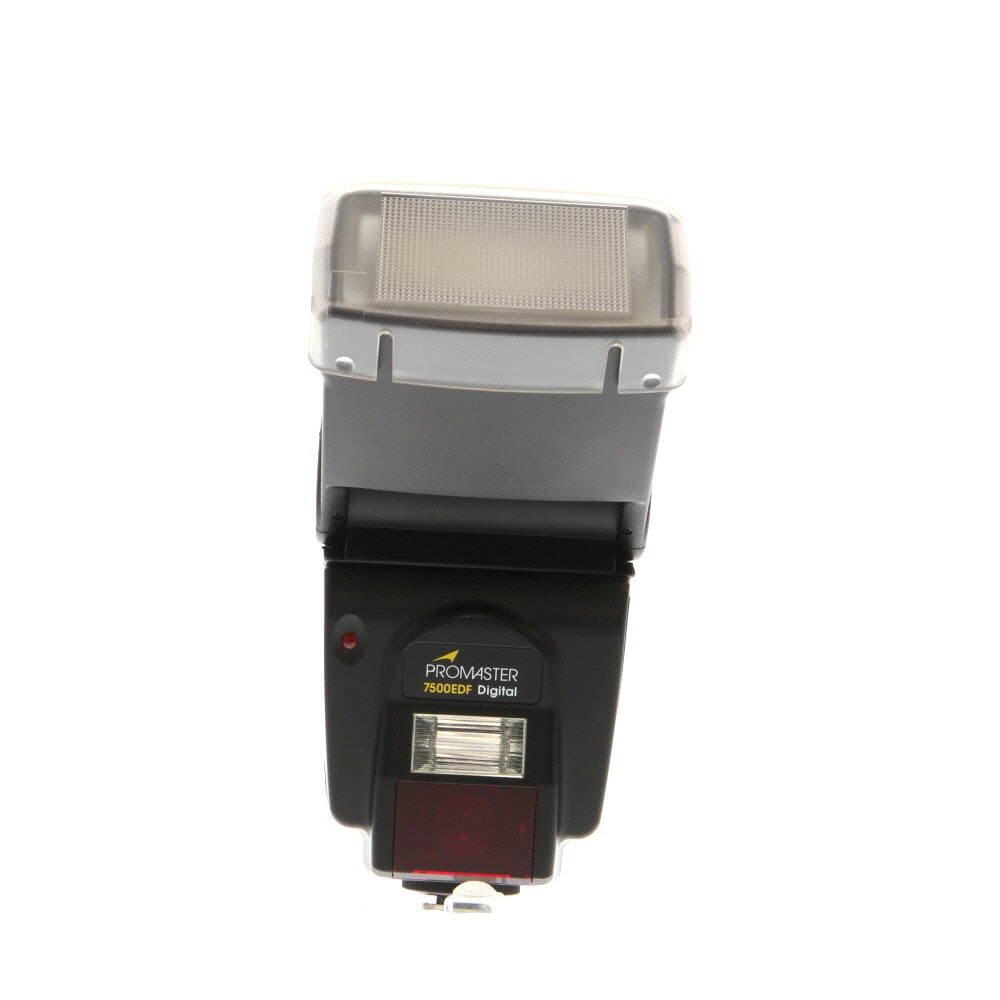
2. Avoid Harsh Light
Avoid harsh overhead light or direct sunlight, as it can create strong shadows and overexpose your photos. If you’re shooting outdoors, look for shaded areas or use a diffuser to soften the light.
Natural vs. Artificial Light
Lighting plays a crucial role in photography, and understanding the differences between natural and artificial light can help you take better photos with your digital camera.
Natural Light:
- Natural light is typically softer and more flattering for portraits, landscapes, and still life photography.
- Early morning and late afternoon light, also known as “golden hour,” provides warm, soft light with long shadows, ideal for capturing stunning images.
- Diffused light on overcast days can create a soft, even lighting that is perfect for shooting portraits without harsh shadows.
Artificial Light:
- Artificial light sources, such as flash, LED lights, and studio lighting, can be used to create specific lighting effects and control the direction and intensity of light.
- Flash photography can freeze motion and add a burst of light to illuminate subjects in low-light conditions.
- Studio lighting allows for precise control over the light setup, allowing you to create dramatic or soft lighting effects for different types of photography.
Experimenting with both natural and artificial light can help you develop your photography skills and create diverse and visually appealing images.

Golden Hour Magic
The golden hour, also known as the magic hour, is the period shortly after sunrise or before sunset when the light is soft, warm, and golden, creating a magical and dreamy atmosphere in your photos.
Why is the Golden Hour Special?
During the golden hour, the angle of the sun creates long shadows, adds depth to your images, and enhances textures. The warm golden light also creates a flattering glow on your subjects, making them look more beautiful and vibrant.
When shooting during the golden hour, try to position your subject so they are facing the light to capture the soft, warm glow on their faces. Experiment with different angles and compositions to make the most of this magical time of day.
FAQ
What are some basic tips for taking good photographs with a digital camera?
When using a digital camera, make sure to hold it steady, focus on the subject, and pay attention to lighting. Additionally, consider the composition of your shot and experiment with different angles and perspectives to create visually interesting images.
Can you recommend any specific settings on a digital camera for capturing high-quality photos?
To capture high-quality photos with a digital camera, it’s important to adjust settings like ISO, aperture, and shutter speed based on the lighting conditions and desired effect. Experimenting with these settings and understanding how they impact your images can help you achieve professional-looking results.


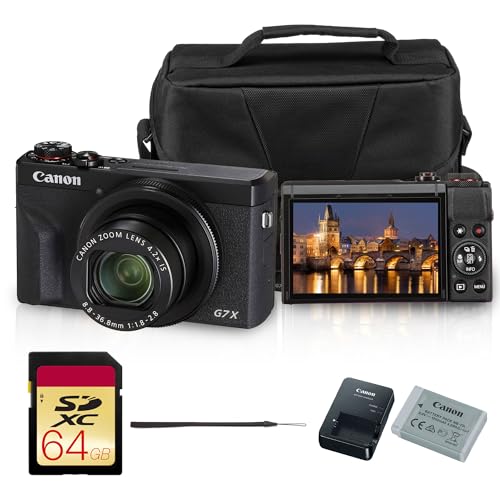
I’m just starting out with my digital camera. Can you explain how I should start learning about the different camera modes? Which mode should I use for landscapes?
Great tip! Aperture Priority is excellent for landscapes as it allows you to focus on depth of field while the camera adjusts shutter speed automatically.
I was confused about the modes too! I usually start with Aperture Priority for landscapes; it helps control depth of field.
I recently started using the rule of thirds, and it’s made a huge difference in my photos. I used to just center everything, but now my shots feel more dynamic. I even tried framing with trees, which worked well for my nature shots!
That's awesome! I've been experimenting with framing too. It adds so much depth to the photos.