
 Carmen J. Moore

Pinhole photography has a long history dating back to ancient times when the principles of light and shadow were first discovered. It involves capturing images using a simple camera without a lens, relying solely on a tiny pinhole to let light in and create an image on light-sensitive material. Traditionally, pinhole photography has been associated with using film cameras, but can you achieve the same artistic results with a digital camera?
In this digital age, the question arises: Can you do pinhole photography with a digital camera? The answer is a resounding yes! While the process may differ slightly from traditional methods, the essence of pinhole photography remains the same – capturing images through a small aperture. With the right tools and techniques, you can explore the unique and captivating world of pinhole photography with your digital camera.

Exploring Pinhole Photography
Pinhole photography is a fascinating technique that involves creating images without a lens. Instead of using a traditional camera lens, pinhole photography relies on a tiny hole to allow light to enter the camera and create an image on light-sensitive film or a digital sensor.
Pinhole cameras can be made from a variety of materials, from cardboard boxes to tin cans, and can produce unique and dreamy images with a soft focus and almost infinite depth of field.
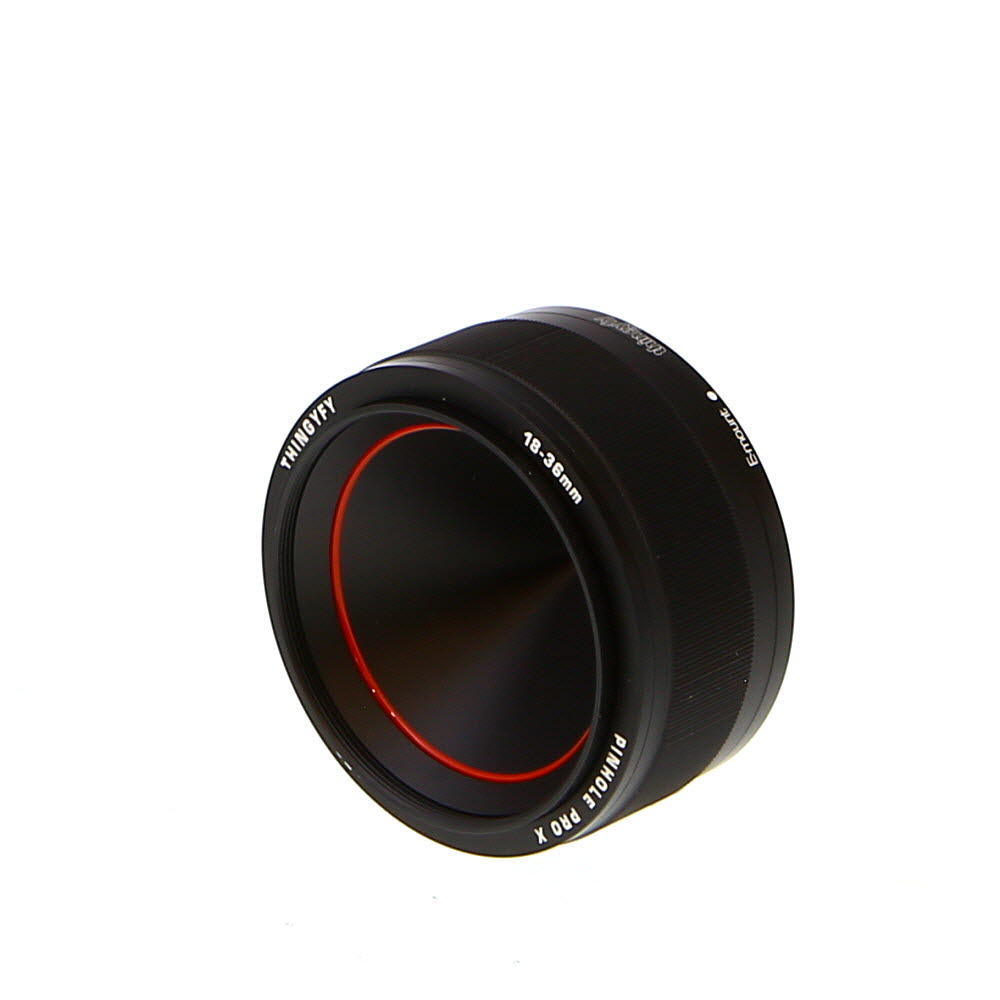
While traditional pinhole photography uses film, it is possible to adapt digital cameras for pinhole photography by covering the lens with a pinhole attachment or by creating a pinhole lens cap. This allows photographers to experiment with the art of pinhole photography using modern digital technology.
Exploring pinhole photography can be a fun and creative way to capture unique images and experiment with different techniques. Whether using film or digital cameras, the possibilities are endless when it comes to creating captivating pinhole photographs.
Understanding Pinhole Cameras
Pinhole cameras are simple devices that use a tiny pinhole to create an image on light-sensitive film or digital sensor. The basic principle behind a pinhole camera is that light passes through the small hole and projects an inverted image onto the film or sensor.

How Pinhole Cameras Work
When light enters the pinhole, it creates a focused beam that forms an image on the film or sensor. The smaller the pinhole, the sharper the image, but the longer the exposure time needed.
Can You Use a Digital Camera for Pinhole Photography?
While traditional pinhole cameras use film, it is possible to create a digital pinhole camera by covering the lens of a digital camera and creating a small hole for light to enter. This allows you to experiment with pinhole photography using a digital device.
Traditional vs Digital Pinhole Photography
Pinhole photography has a long history dating back to ancient times when the camera obscura was first discovered. Traditional pinhole photography involves using a light-tight box with a small hole, or pinhole, to create an image on light-sensitive film or paper. The process is slow and requires careful exposure calculations to achieve the desired results.
On the other hand, digital pinhole photography involves using a digital camera with the lens removed or covered, essentially turning it into a pinhole camera. This allows for instant feedback on the image captured, making it easier to adjust exposure settings and composition on the fly. However, some purists argue that digital pinhole photography lacks the charm and unpredictability of traditional methods.
Both traditional and digital pinhole photography have their own unique appeal and challenges. Traditional pinhole photography offers a hands-on, tactile experience with the physical process of creating an image, while digital pinhole photography provides convenience and flexibility in the digital age. Ultimately, the choice between the two comes down to personal preference and artistic vision.
Challenges of Digital Pinhole Photography
While digital cameras offer convenience and instant results, there are several challenges associated with digital pinhole photography:
1. Sensor Size:
Most digital cameras have small sensors compared to traditional film cameras, which can lead to increased noise and reduced image quality when using a pinhole setup.
2. Focusing:
Pinhole photography relies on a small aperture to create sharp images, but digital cameras may struggle with accurate focusing due to the lack of a physical lens. Manual focusing or trial and error may be required.
- 3. Exposure:
- 4. Post-Processing:
Digital cameras may have limited control over exposure settings, making it challenging to achieve the long exposures often needed for pinhole photography.
Post-processing digital pinhole images can be time-consuming, as adjustments may be needed to correct for distortion, noise, and other artifacts.

Techniques for Digital Pinhole Photography
Creating pinhole photographs with a digital camera is a unique and creative way to capture images. Here are some techniques to help you get started:
1. Camera Setup
Set your digital camera to manual mode and adjust the ISO, aperture, and shutter speed settings to achieve the desired exposure. Keep in mind that the smaller the aperture, the sharper the image will be, but the longer the exposure time needed.
2. Pinhole Creation
Create a pinhole for your digital camera by covering the lens with a piece of aluminum foil or cardboard with a small hole punched in the center. Make sure the pinhole is small and precise to achieve a clear image.
Experiment with different materials and hole sizes to see how they affect the quality of your pinhole photographs.
Benefits of Digital Pinhole Photography
Digital pinhole photography offers a unique and creative way to capture images with a distinct aesthetic. Here are some of the benefits of using a digital camera for pinhole photography:

1. Instant Feedback
With a digital camera, you can instantly view the image you have captured on the LCD screen, allowing you to make adjustments to achieve the desired effect. This immediate feedback can help you perfect your pinhole photography skills and experiment with different settings.
2. Easy Post-Processing
Since digital images can be easily edited and manipulated using photo editing software, digital pinhole photography allows for more creative freedom in post-processing. You can adjust the exposure, contrast, and other parameters to enhance the final result and achieve the desired look.
FAQ
Can I do pinhole photography with a digital camera?
Yes, you can do pinhole photography with a digital camera by creating a pinhole lens attachment. This involves creating a small hole in a body cap or another suitable object and attaching it to your digital camera. The digital sensor in the camera will capture the image projected through the pinhole, allowing you to create pinhole photos digitally.
How does pinhole photography work with a digital camera?
Pinhole photography with a digital camera works by using a small pinhole to project an image onto the camera’s sensor. The pinhole acts as a lens, allowing light to pass through and create an inverted image on the sensor. The digital camera then captures this image, which can be processed and edited digitally. It’s a unique and creative way to experiment with photography using modern technology.




Can you explain how to create a pinhole lens attachment for a digital camera? I'm a bit confused about the materials I would need.
To create a pinhole lens attachment, you can use a body cap from your camera or any flat piece of material. Simply punch a tiny hole in the center using a needle or pin. Make sure the hole is as small and round as possible for the best results. Then, attach this to your camera where the lens would normally be.
I tried pinhole photography with my DSLR and it was quite an experience! I used a cardboard box to create the pinhole and attached it to my camera. The results were dreamy and unique, but I found that I needed long exposure times which was tricky without a remote shutter release. I definitely recommend taking your time to experiment with different hole sizes and exposure settings.
Can you really achieve the same effect with digital as with traditional film? I’m skeptical.
While both methods can produce unique images, each has its strengths. Digital offers convenience and instant results, while traditional film provides a certain tactile quality and unpredictability. The choice depends on your artistic preferences.
I don't think digital pinhole photography captures the same charm as traditional methods. The unpredictability and imperfections of film really add to the art form.
I agree with that! There's something special about waiting for film to develop and the surprises that come with it. Digital is great, but it feels a bit too controlled.
I wonder how the images from digital pinhole photography compare to traditional film methods. Are there noticeable differences in quality?
Yes, there are differences in quality. Traditional film can produce smoother images with less noise, while digital pinhole photography may struggle with sensor noise, especially in low light. However, digital allows for instant feedback and easier editing.