
 Carmen J. Moore

Indoor photography presents a unique set of challenges for photographers. From dealing with low light conditions to capturing the right ambiance, there are several factors to consider when taking pictures indoors. However, with the right techniques and equipment, you can capture stunning indoor images that rival professional photos. In this guide, we will explore how to take good indoor pictures with a digital camera.
Understanding Lighting: The key to successful indoor photography is mastering lighting. When shooting indoors, natural light may be limited, so it’s essential to make the most of artificial lighting sources. Experiment with different light angles and intensities to achieve the desired effect in your photos. Consider using a tripod to stabilize your camera in low light conditions and avoid blurry images.
Setting the Right White Balance: Indoor environments can have varying color temperatures, which can affect the overall look of your photos. Adjusting the white balance settings on your digital camera can help you achieve accurate colors in your indoor shots. Experiment with different white balance presets or manually adjust the temperature to match the lighting conditions in the room.
Mastering indoor photography
1. Use natural light whenever possible: Position your subject near a window or open door to take advantage of natural light. Avoid using harsh overhead lighting, as it can create unflattering shadows.
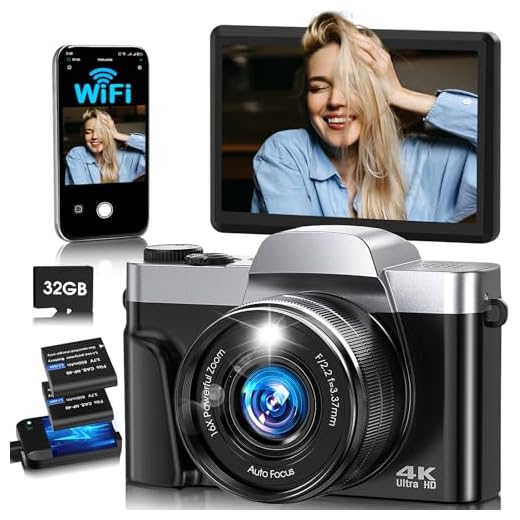
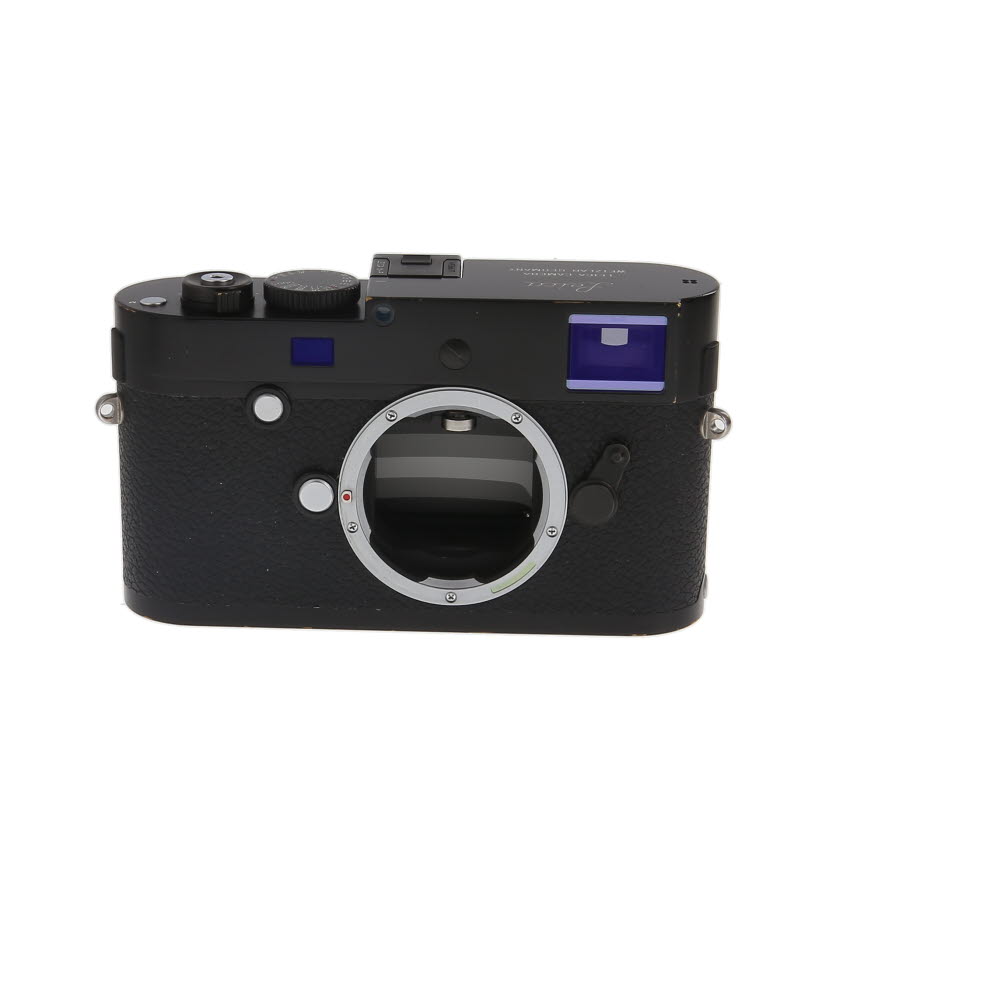

2. Adjust your camera settings: Experiment with different ISO, aperture, and shutter speed settings to find the best combination for indoor photography. Consider using a tripod to prevent camera shake in low-light conditions.
3. Mind your composition: Pay attention to the framing of your shot and eliminate any distracting elements in the background. Experiment with different angles and perspectives to add interest to your indoor photos.
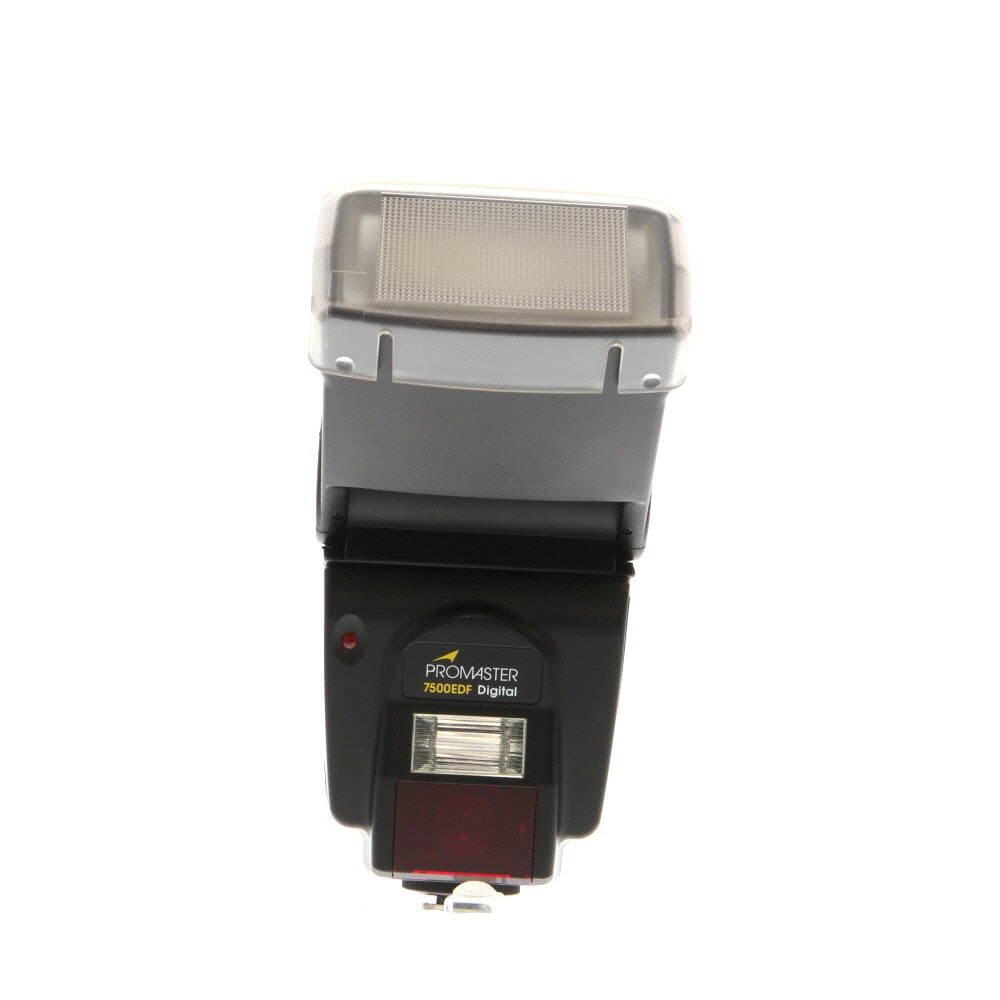
4. Use a reflector or bounce flash: If natural light is limited, consider using a reflector or bounce flash to add fill light and reduce harsh shadows. Be mindful of the direction and intensity of the light to achieve the desired effect.
5. Practice and experiment: The key to mastering indoor photography is practice. Take the time to experiment with different techniques and settings to develop your skills and find your unique style.
Choosing the right camera settings
When taking indoor pictures with a digital camera, it is crucial to choose the right camera settings to ensure high-quality results. Here are some key settings to consider:

1. ISO:
Adjust the ISO setting on your camera to control the sensitivity of the sensor to light. In low-light indoor conditions, you may need to increase the ISO to capture clear and sharp images. However, keep in mind that higher ISO settings can introduce noise into your photos, so find a balance that works best for your specific situation.
2. White balance:
Set the white balance according to the lighting conditions in the indoor environment. Different light sources, such as incandescent or fluorescent bulbs, can affect the color temperature of your photos. Use the appropriate white balance preset or manually adjust it to ensure accurate colors in your images.
| Setting | Recommendation |
|---|---|
| ISO | Adjust based on light conditions, balancing sensitivity and noise. |
| White balance | Set according to the indoor lighting for accurate color reproduction. |
Utilizing natural light sources
When taking indoor photos with a digital camera, natural light can be your best friend. Here are some tips on how to make the most of natural light sources:
- Position your subject near a window to take advantage of the soft, diffused light.
- Avoid direct sunlight as it can create harsh shadows and overexposure. Instead, look for areas with indirect light.
- Consider the time of day when natural light is at its best, such as early morning or late afternoon.
By utilizing natural light sources effectively, you can enhance the quality of your indoor photos and capture stunning images with your digital camera.
Using a tripod for stability
One of the key factors in taking sharp indoor photos is maintaining stability. Even the slightest movement can result in blurry images, especially in low-light settings. Using a tripod can help you achieve steady shots and eliminate camera shake.
Choosing the right tripod
When selecting a tripod for indoor photography, consider its weight, height, and stability. A sturdy tripod that can support the weight of your camera and lens is essential for sharp images. Adjustable legs and a ball head allow you to position your camera at the desired angle.
Tips for using a tripod
When using a tripod, make sure to secure it on a flat surface to prevent any wobbling. Use a remote shutter release or the camera’s self-timer to trigger the shutter without touching the camera. This will further reduce the risk of introducing camera shake.
| Benefits of using a tripod: | 1. Increased stability |
| 2. Sharper images | |
| 3. Longer exposure times |
Setting up the perfect composition
When taking indoor pictures with your digital camera, setting up the perfect composition is key to capturing a great shot. Here are some tips to help you compose your photos effectively:
- Consider the rule of thirds: Divide your frame into nine equal parts with two vertical and two horizontal lines. Place the main subject of your photo along these lines or at their intersections to create a more visually appealing composition.
- Pay attention to the background: Make sure the background of your photo is not cluttered or distracting. Choose a simple and clean backdrop to help your subject stand out.
- Use leading lines: Incorporate leading lines in your composition to draw the viewer’s eye towards the main subject. This can create a sense of depth and movement in your indoor photos.
- Experiment with angles: Try shooting from different angles to find the most flattering perspective for your subject. Don’t be afraid to get low or high to capture a unique and interesting shot.
- Utilize framing: Use elements in the environment to frame your subject and add depth to your indoor photos. This can create a more dynamic composition and draw the viewer’s attention to the main focal point.
Adjusting white balance for accurate colors
One important factor to consider when taking indoor pictures is the white balance setting on your digital camera. White balance helps ensure that the colors in your photos appear accurate and natural. Different light sources, such as incandescent bulbs or fluorescent lighting, can have different color temperatures that affect how colors are rendered in your photos.
Most digital cameras have preset white balance modes for common lighting situations, such as daylight, cloudy, tungsten, fluorescent, and flash. It’s essential to select the appropriate white balance setting based on the lighting conditions in the room where you are taking photos to avoid color casts or unnatural hues in your images.
If your camera allows for manual white balance adjustment, you can use a white card or a neutral gray card to set a custom white balance for the most accurate color reproduction. This method is particularly useful in mixed lighting situations where the camera’s preset modes may not provide the desired results.
Experiment with different white balance settings and observe how they affect the colors in your photos. By adjusting the white balance correctly, you can ensure that the colors in your indoor pictures look vibrant and true to life.
Enhancing images with post-processing software
After capturing your indoor photos, you can further enhance them using post-processing software. Here are some tips to improve your images:
1. Adjust brightness and contrast
- Use the software to adjust the brightness and contrast of your images to make them more vibrant and appealing.
2. Crop and straighten
- Crop out any distracting elements and straighten the horizon or vertical lines to improve the composition of your photos.
By utilizing post-processing software, you can take your indoor photos to the next level and create stunning images.
Experimenting with different angles and perspectives
One way to enhance your indoor photography is by experimenting with different angles and perspectives. By changing the angle from which you shoot your subject, you can create unique and interesting compositions that make your photos stand out.

Try shooting from a low angle to capture a different perspective of your subject. This can add depth and dimension to your photos, especially when shooting objects or people from below. Alternatively, shooting from a high angle can help you capture an overhead view of the scene, which can also result in intriguing compositions.
Using a tripod
When experimenting with different angles, using a tripod can be beneficial. A tripod provides stability, allowing you to adjust the height and angle of your camera with precision. This can help you achieve the desired perspective and composition without any camera shake or blurriness in your photos.
| Low angle | High angle |
 |
 |
Capturing details and textures in close-up shots
When taking close-up shots indoors, pay attention to the details and textures of your subject. Use the macro setting on your digital camera to capture intricate details with sharp focus. Get up close to your subject and fill the frame with the texture you want to highlight. Experiment with different angles and lighting to enhance the depth and richness of the textures in your photos. Don’t be afraid to get creative and play with composition to make your close-up shots stand out.
Creating a Cozy Atmosphere in Indoor Photographs
When taking indoor photographs, it’s important to create a cozy atmosphere that will make your photos feel warm and inviting. Here are some tips to help you achieve this:
1. Use Warm Lighting: Choose soft, warm lighting sources such as lamps or candles to create a cozy ambiance in your photos. Avoid harsh overhead lighting that can wash out your subjects.
2. Add Textures: Incorporate soft textures like blankets, pillows, or rugs in your composition to add depth and warmth to the scene.
3. Include Personal Touches: Add personal items like books, plants, or mementos to your photos to make them feel more intimate and cozy.
4. Capture Candid Moments: Instead of posing your subjects, try capturing candid moments of people interacting naturally in the space. This can help create a sense of warmth and authenticity in your photos.
5. Play with Depth of Field: Use a shallow depth of field to blur the background and draw attention to your subject, creating a more intimate and cozy feel in your photos.
By incorporating these tips, you can create indoor photographs that exude a cozy and welcoming atmosphere, making viewers feel right at home.
FAQ
What are some tips for taking good indoor pictures with a digital camera?
When taking indoor pictures with a digital camera, make sure to use a tripod to avoid camera shake, adjust the white balance to match the lighting conditions, and use a low ISO to reduce noise. Additionally, try to utilize natural light sources like windows and avoid harsh overhead lighting.
How can I improve the composition of my indoor photos?
To improve the composition of indoor photos, consider the rule of thirds, leading lines, and framing. Experiment with different angles and perspectives to create visually interesting shots. You can also use props or furniture to add depth and context to your images.
What settings should I use on my digital camera for indoor photography?
For indoor photography, set your camera to manual mode to have more control over the exposure. Adjust the aperture to achieve the desired depth of field, use a slow shutter speed to let in more light, and adjust the ISO to maintain image quality. Experiment with different settings to find the best combination for your indoor shots.
How can I avoid blurry indoor photos with my digital camera?
To avoid blurry indoor photos, make sure to use a fast enough shutter speed to freeze motion. If you’re shooting in low light, consider using a wider aperture or increasing the ISO to compensate. Using a tripod or a stable surface can also help eliminate camera shake and produce sharp images.
What are some creative techniques I can use for indoor photography with a digital camera?
For indoor photography, you can experiment with long exposures to capture light trails or create a sense of movement. Try using reflections to add an interesting element to your photos or play with shadows for a dramatic effect. Don’t be afraid to think outside the box and try new approaches to indoor photography.



What ISO settings do you recommend for indoor photography with low light? I often end up with grainy images. Any tips?
For low-light indoor photography, a good starting point for ISO is between 800 and 1600. However, it's best to test different settings based on your camera's capabilities to find a balance between light sensitivity and noise.
I've been trying to improve my indoor photography and found using a tripod really helps! I used to rely on hand-holding my camera, but the stability makes such a difference, especially at slower shutter speeds. I also like to experiment with the white balance settings; it changed how my photos looked dramatically. Have others had similar experiences?
Absolutely! I thought my camera was faulty until I adjusted the white balance. Now my colors pop, and I love using my tripod too. It's a game changer.
Absolutely! I thought my camera was faulty until I adjusted the white balance. Now my colors pop, and I love using my tripod too. It's a game changer.