
 Carmen J. Moore

So, you’ve got a brand new digital camera and you’re excited to start capturing amazing photos. But wait, how do you even use this thing? Navigating a digital camera can be overwhelming for beginners, but fear not! In this guide, we’ll walk you through the essential functions and settings you need to know to unleash the full potential of your camera.
Understanding the basics: Before you dive into the complex features of your camera, it’s important to grasp the fundamental functions. Learn how to turn your camera on and off, adjust the zoom, and focus on your subject. Familiarize yourself with the buttons and dials on your camera, as they will be your tools for capturing stunning images.
Exploring the settings: Your camera is equipped with a variety of settings that can enhance your photos. From adjusting the exposure and white balance to selecting the right shooting mode, these settings play a crucial role in achieving the desired results. Experiment with different settings to understand their impact on your photos.
Understanding the basics
Before you start using your digital camera, it’s important to understand some basic concepts. Here are a few key points to keep in mind:

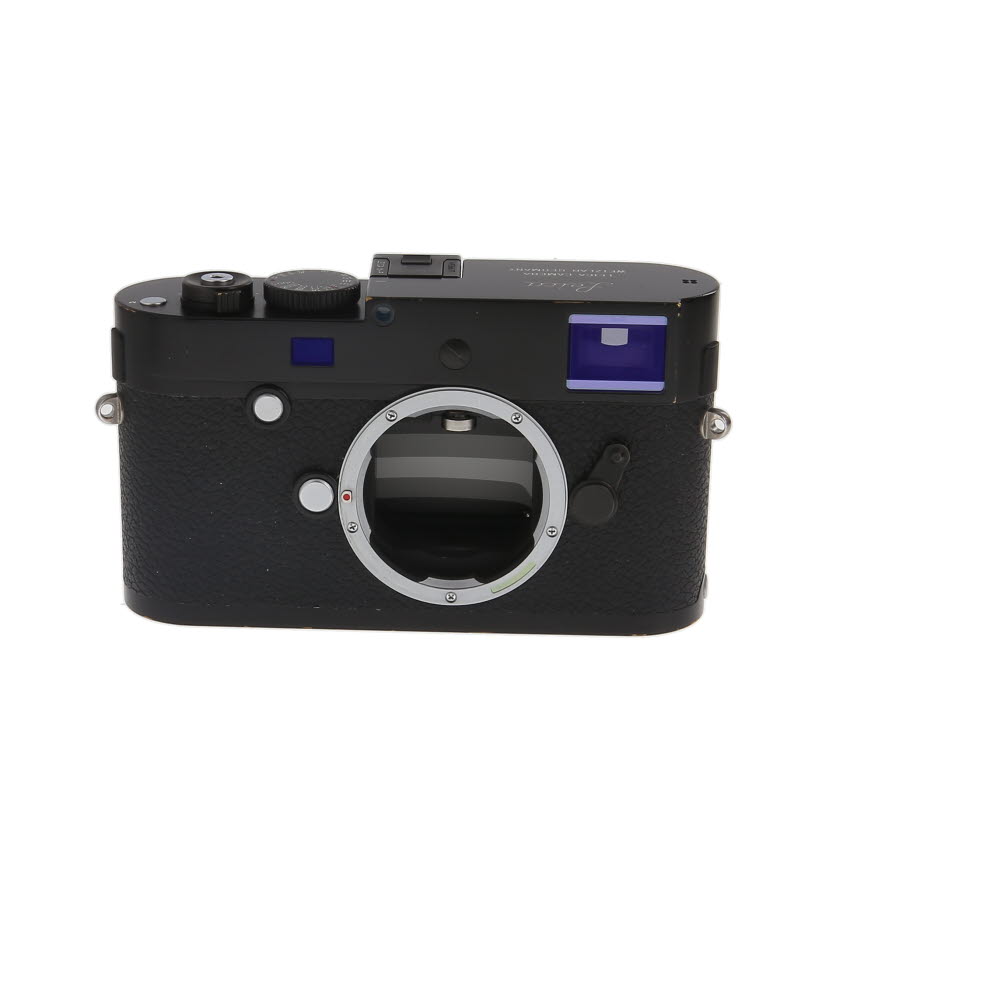
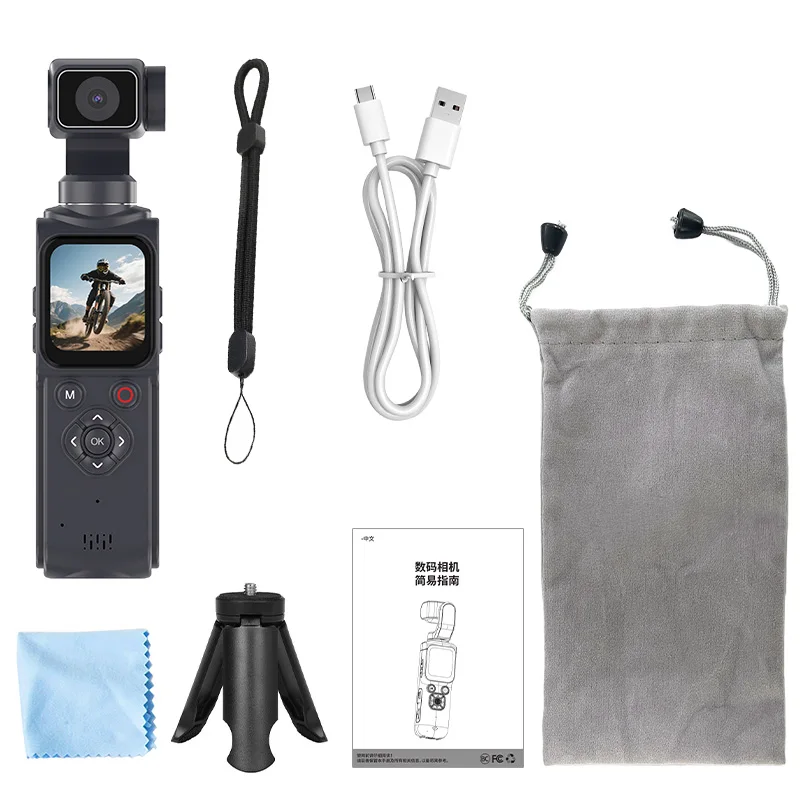

1. Camera Modes
Most digital cameras come with different shooting modes such as Auto, Manual, and Scene modes. Familiarize yourself with these modes to understand how they affect your photos.
2. Resolution
Resolution refers to the number of pixels in an image. The higher the resolution, the more detail your photos will have. Make sure to set the appropriate resolution based on your needs.
Tip: Higher resolution is ideal for printing, while lower resolution is suitable for web sharing.
Exploring camera settings
Understanding and exploring the various settings on your digital camera is essential to capturing the perfect shot. Start by familiarizing yourself with the basic settings such as aperture, shutter speed, and ISO. Adjusting these settings can greatly impact the outcome of your photos.
Experiment with different settings to see how they affect the brightness, depth of field, and motion blur in your photos. Take the time to practice adjusting each setting individually to understand their individual effects.

Don’t be afraid to try out the pre-set modes on your camera as well, such as portrait, landscape, or sports mode. These modes can help you quickly adjust your settings for specific shooting conditions.
Remember, the best way to master your camera settings is through practice. Take the time to experiment and push yourself to try new things. With time and practice, you’ll become more comfortable navigating and using the settings on your digital camera.
Choosing the right lens
When selecting a lens for your digital camera, there are several factors to consider to ensure you get the best results:
| 1. Focal Length: | Choose a focal length that suits your photography style. Wide-angle lenses are great for landscapes and architecture, while telephoto lenses are ideal for wildlife and sports photography. |
| 2. Aperture: | The aperture of the lens determines the amount of light it lets in. A lower f-stop number means a wider aperture, allowing for better low-light performance and shallow depth of field. |
| 3. Image Stabilization: | Consider whether the lens has image stabilization, especially for telephoto lenses. This feature helps reduce camera shake and produce sharper images. |
| 4. Compatibility: | Ensure the lens is compatible with your camera model. Different brands and mounts may not be interchangeable. |
| 5. Budget: | Set a budget for your lens purchase and prioritize features based on your needs. Remember that investing in quality glass can make a significant difference in image quality. |
By considering these factors and doing research on the specific lenses available for your camera, you can choose the right lens that will enhance your photography experience.
Capturing the perfect shot
When capturing the perfect shot with your digital camera, there are a few key tips to keep in mind:
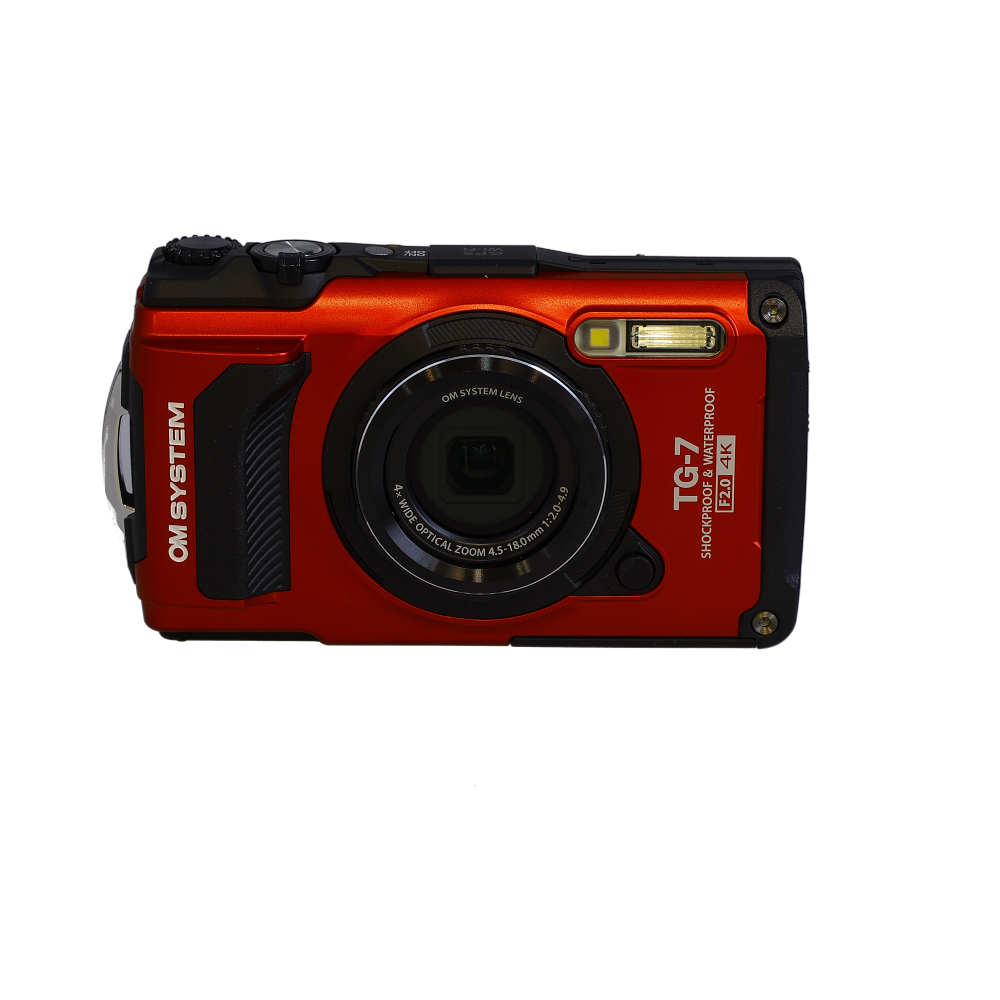
- Adjust the settings: Make sure to adjust the camera settings such as aperture, shutter speed, and ISO to suit the lighting conditions and desired effect.
- Focus on composition: Pay attention to the composition of your shot by using the rule of thirds, leading lines, and framing techniques.
- Experiment with angles: Try shooting from different angles and perspectives to add depth and interest to your photos.
- Use natural light: Whenever possible, utilize natural light for a more flattering and realistic look in your photos.
- Practice patience: Sometimes, capturing the perfect shot requires patience and waiting for the right moment to unfold.
Mastering Composition
Composition is a key element in creating compelling and visually appealing photographs. Here are some tips to help you master composition with your digital camera:
Rule of Thirds
One of the most basic composition techniques is the rule of thirds. Divide your frame into a grid of nine equal squares by drawing two horizontal and two vertical lines. Place your subject or main point of interest along these lines or at the intersections to create a more dynamic and balanced composition.
Leading Lines
Use leading lines in your composition to draw the viewer’s eye into the image. Look for natural or man-made lines like roads, fences, or rivers that can lead the viewer’s gaze towards the main subject of your photograph.
Experiment with different compositions and don’t be afraid to break the rules to create unique and impactful images.
Adjusting exposure settings
One of the key aspects of taking great photos with a digital camera is adjusting the exposure settings. Exposure refers to the amount of light that reaches the camera’s sensor, and it can greatly impact the quality of your photos.
1. Understanding exposure
Exposure is determined by three main settings: aperture, shutter speed, and ISO. Aperture controls the amount of light that enters the lens, shutter speed determines how long the sensor is exposed to light, and ISO measures the sensor’s sensitivity to light.
2. Adjusting exposure settings
- Use the camera’s manual mode to have full control over exposure settings.
- Experiment with different combinations of aperture, shutter speed, and ISO to achieve the desired exposure.
- Consider using exposure compensation to adjust the brightness of your photos without changing the exposure settings manually.
FAQ
What are the basic functions of a digital camera?
A digital camera has basic functions such as capturing photos, recording videos, adjusting settings like exposure and white balance, and viewing images on the display screen.
How do I transfer photos from my digital camera to a computer?
To transfer photos from a digital camera to a computer, you can use a USB cable to connect the camera to the computer, remove the memory card from the camera and insert it into a card reader on the computer, or use wireless transfer methods if available.
Can you provide some tips for taking better photos with a digital camera?
Sure! To take better photos with a digital camera, try experimenting with different angles, lighting conditions, and composition techniques. Make use of the camera’s manual settings to adjust exposure, aperture, and focus to achieve the desired effect. Practice framing your shots carefully and consider the rule of thirds for a more balanced composition.


I recently started experimenting with manual settings on my camera. It's a bit challenging, but I noticed that adjusting the aperture really helped with the depth of field in my photos. I didn’t know how much of a difference it could make! Anyone else here had similar experiences?
Totally! When I learned about shutter speed, it changed my night photography game. You get such cool effects with longer exposures.
Can someone explain what focal length means and how it actually affects the photos?
Focal length refers to the distance between the lens and the camera sensor. It affects your field of view; shorter lengths capture more of the scene, while longer lengths zoom in on subjects. It's key for different photography styles!
What is the difference between Auto and Manual modes on a digital camera? I’m confused about when to use each mode.
Auto mode is designed for beginners, automatically adjusting settings for you, while Manual mode gives you full control over exposure settings, allowing for more creative freedom. It’s great to switch to Manual when you want to experiment!