
 Carmen J. Moore

Long exposure photography is a fascinating technique that allows you to capture the passage of time in a single frame. By using a slow shutter speed, you can create stunning images of moving subjects, light trails, and mesmerizing night scenes. With the advent of digital cameras, long exposure photography has become more accessible and versatile than ever before.
However, achieving great results with long exposure photography requires a good understanding of the technique and the right equipment. In this article, we will guide you through the essential steps to master long exposure photography with your digital camera. From choosing the right settings to selecting the ideal subjects, we will cover everything you need to know to take your long exposure photography to the next level.
Whether you’re a beginner looking to explore a new creative outlet or an experienced photographer seeking to enhance your skills, long exposure photography offers endless possibilities for artistic expression. Let’s dive into the world of long exposure photography and unlock the secrets to capturing captivating images with your digital camera.
Choosing the Right Digital Camera
When it comes to long exposure photography with a digital camera, choosing the right camera is crucial. Look for a camera that offers manual exposure controls, including the ability to set long shutter speeds. A camera with a low noise sensor will also be beneficial for capturing clean and sharp images in low light conditions.

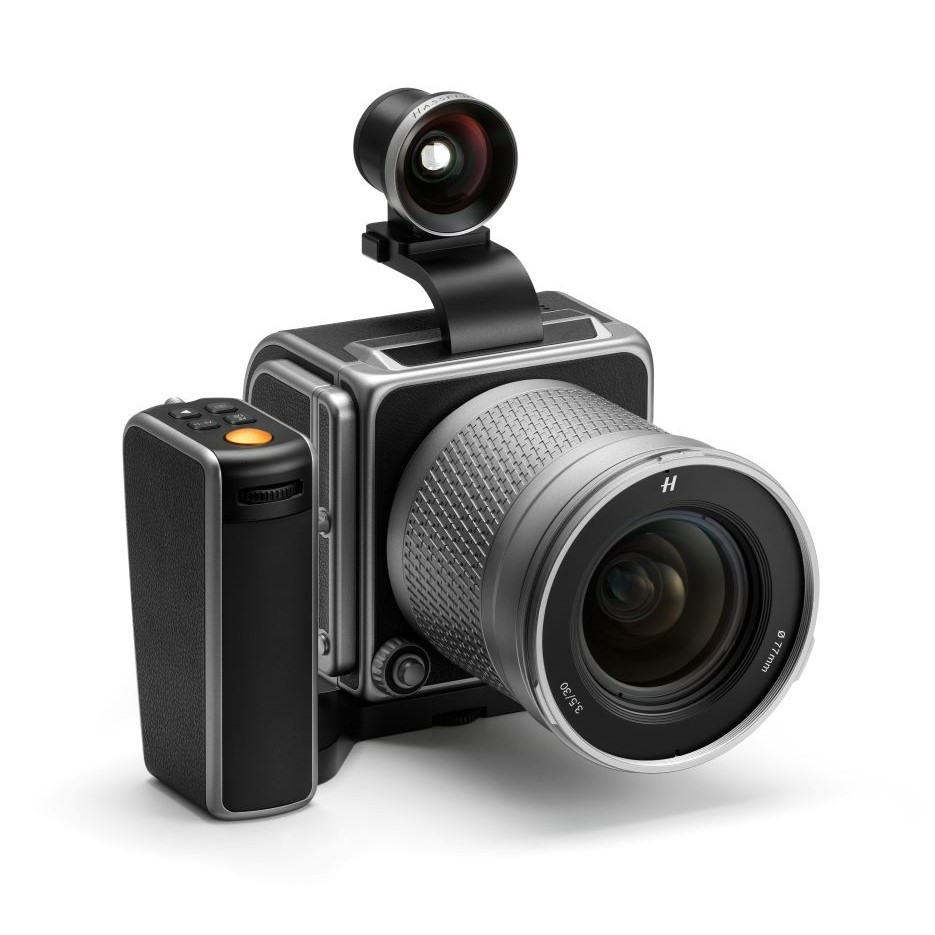
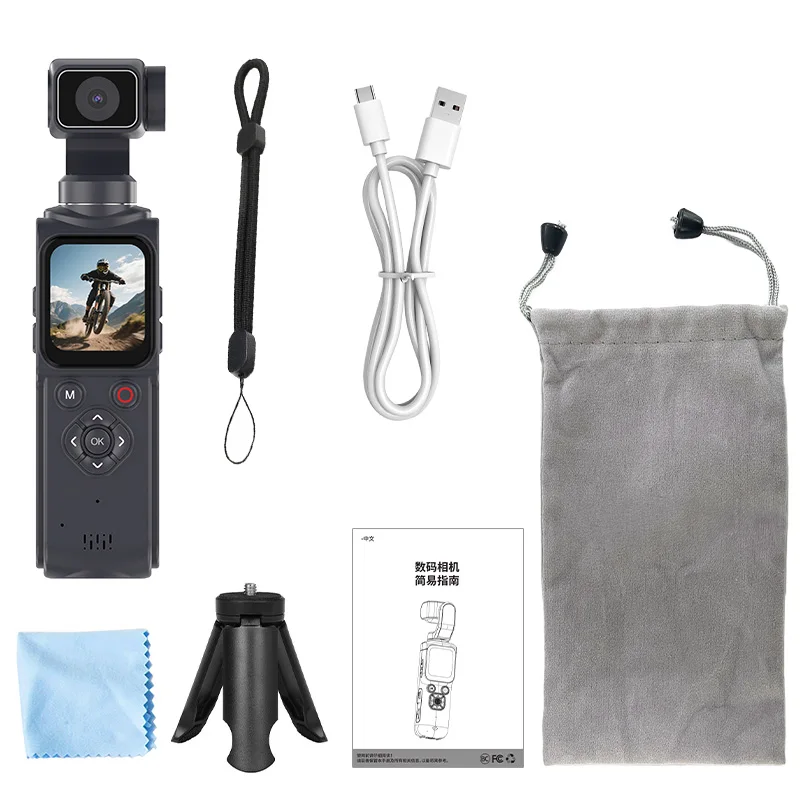

Consider the resolution of the camera as well, as higher resolution sensors can produce more detailed images. Additionally, look for a camera with a sturdy tripod mount to ensure stability during long exposure shots. Finally, consider the size and weight of the camera, as you may need to carry it around for extended periods of time.
Understanding Camera Settings
Before you start capturing long exposure photos with your digital camera, it’s important to understand and adjust certain camera settings to achieve the desired effect. Here are some key settings to consider:
| Shutter Speed: | Long exposure photography requires a slow shutter speed to capture motion blur and light trails. Set your camera to manual mode and choose a shutter speed of several seconds or more. |
| Aperture: | A smaller aperture (higher f-stop number) is typically used in long exposure photography to control the amount of light entering the camera. Experiment with different apertures to achieve the desired depth of field. |
| ISO: | Keep your ISO as low as possible to prevent noise in your long exposure photos. Lower ISO settings result in cleaner images, especially in low light conditions. |
| White Balance: | Adjust the white balance settings based on the lighting conditions to ensure accurate color reproduction in your long exposure photos. |
| Focus: | Switch your camera to manual focus mode and adjust the focus manually to ensure sharpness in your long exposure images. Use a tripod to keep your camera steady during long exposures. |
Setting Up for Long Exposure Shots
Before you start taking long exposure shots with your digital camera, it’s important to set up your equipment properly. Here are some steps to follow:
1. Use a tripod: To avoid camera shake during long exposures, it’s essential to use a sturdy tripod to keep your camera steady.
2. Set your camera to manual mode: Switch your camera to manual mode so that you have full control over the settings, including the shutter speed.

3. Choose a low ISO: Select a low ISO setting to reduce noise in your images, especially in long exposure shots.
4. Use a remote shutter release: To prevent camera shake when pressing the shutter button, use a remote shutter release or the camera’s self-timer function.
5. Frame your shot: Compose your shot and focus before starting the long exposure to avoid any adjustments during the exposure.
6. Experiment with different shutter speeds: Try different shutter speeds to achieve the desired effect, whether it’s capturing motion blur or light trails.
Tips for Successful Long Exposure Photography
Long exposure photography can produce stunning and unique images, but it requires careful planning and execution. Here are some tips to help you achieve successful long exposure shots with your digital camera:
- Use a sturdy tripod: Stability is crucial for long exposure photography to prevent camera shake. Invest in a high-quality tripod to keep your camera steady during long exposures.
- Use a remote shutter release: To further reduce the risk of camera shake, use a remote shutter release or the camera’s self-timer function to trigger the shutter without touching the camera.
- Select the right time of day: Long exposure photography works best during low light conditions, such as early morning or late evening, when the light is soft and the colors are more vibrant.
- Experiment with different shutter speeds: The key to long exposure photography is playing with shutter speeds. Start with longer exposures (e.g., 10-30 seconds) and adjust as needed to achieve the desired effect.
- Consider using neutral density filters: Neutral density filters reduce the amount of light entering the lens, allowing you to use longer shutter speeds even in bright conditions. Experiment with different ND filters to achieve the desired effect.
- Pick a compelling subject: Long exposure photography can make moving subjects appear blurred, so choose subjects that will create interesting motion blur effects, such as flowing water, moving clouds, or light trails.
- Check your camera settings: Ensure your camera is set to manual mode to have full control over settings like aperture, shutter speed, and ISO. Use a low ISO to minimize noise in your long exposure shots.
- Review your composition: Take the time to compose your shot carefully, considering elements like leading lines, symmetry, and balance. Experiment with different angles and perspectives to create visually appealing long exposure images.
Post-Processing Long Exposure Images
Once you have captured your long exposure images with your digital camera, the next step is to post-process them to enhance their quality and bring out the best in your shots. Here are some key steps to follow:
1. Import your images: Transfer your long exposure images from your camera to your computer using a card reader or USB cable.
2. Select the best shots: Review all your images and select the ones that have the most potential for editing.
3. Adjust exposure and white balance: Use editing software like Adobe Lightroom or Photoshop to fine-tune the exposure and white balance of your images.
4. Reduce noise: Long exposure shots can often have more noise than usual. Use noise reduction tools in your editing software to minimize noise and improve image quality.
5. Enhance colors and contrast: Adjust the colors and contrast of your images to make them more visually appealing.
6. Crop and straighten: Crop your images to improve composition and straighten any crooked horizons.
7. Sharpen the image: Use sharpening tools to enhance the details in your long exposure shots.
By following these post-processing steps, you can take your long exposure photography to the next level and create stunning images that truly stand out.
Experimenting with Different Subjects
One of the exciting aspects of long exposure photography is experimenting with different subjects. You can try capturing the movement of water in rivers or waterfalls, the trails of light from cars on a busy street at night, or the stars moving across the night sky. Each subject will require different settings and techniques to achieve the desired effect.

Water
When photographing water, a longer exposure time can create a smooth, silky effect, while a shorter exposure time can capture the movement and texture of the water more clearly. Experiment with different shutter speeds to find the right balance for the look you want to achieve.
Light Trails
To capture light trails from moving cars or other sources of light, set your camera to a longer exposure time and use a tripod to keep the camera steady. You can experiment with different locations and angles to create interesting patterns and compositions with the light trails.
Remember to have fun and experiment with different subjects and techniques to create unique and captivating long exposure photographs.
FAQ
What equipment do I need to do long exposure photography with a digital camera?
To do long exposure photography with a digital camera, you will need a digital camera with manual settings, a sturdy tripod to keep your camera steady, a remote shutter release or self-timer function to avoid camera shake, and ND filters to reduce the amount of light entering the lens for longer exposures.
How do I set up my digital camera for long exposure photography?
To set up your digital camera for long exposure photography, you should switch your camera to manual mode, set a low ISO (such as ISO 100 or 200) to reduce noise, choose a small aperture (like f/8 or higher) for a greater depth of field, and use the bulb mode or a specific exposure time (such as 30 seconds or longer) depending on the effect you want to achieve.
What are some tips for getting the best results in long exposure photography with a digital camera?
Some tips for getting the best results in long exposure photography with a digital camera include using a sturdy tripod to avoid camera shake, experimenting with different exposure times to achieve the desired effect, using ND filters to control the amount of light entering the lens, and adjusting your composition to create visually interesting images with movement and light trails.



Could you clarify how important using a tripod is for long exposure shots? I've seen some people manage without one.
Using a tripod is crucial for long exposure photography because it stabilizes the camera, preventing any shake that can lead to blurry images. While some may try handheld shots, a sturdy tripod will yield better results, especially with longer exposures.
Good article! What camera settings do you recommend for capturing light trails at night? I've tried a few different settings but haven't gotten great results.
I've been practicing long exposure photography for a few months now. One of the best experiences was capturing a waterfall with a silky effect. I used a 10-second exposure with a neutral density filter to really smooth out the water. The results were amazing, but I had to tweak my settings quite a bit to get it just right. Anyone else have tips for photographing moving water?
That sounds fantastic! I’ve also had success with water shots. I find that the time of day makes a huge difference. Early morning light can add a nice touch.