
 Carmen J. Moore

Are you a photography enthusiast who still loves the charm of film cameras but wishes to enjoy the convenience of digital photography? Converting your film camera to digital might be the perfect solution for you. With the right tools and techniques, you can breathe new life into your beloved film camera and capture stunning digital images.

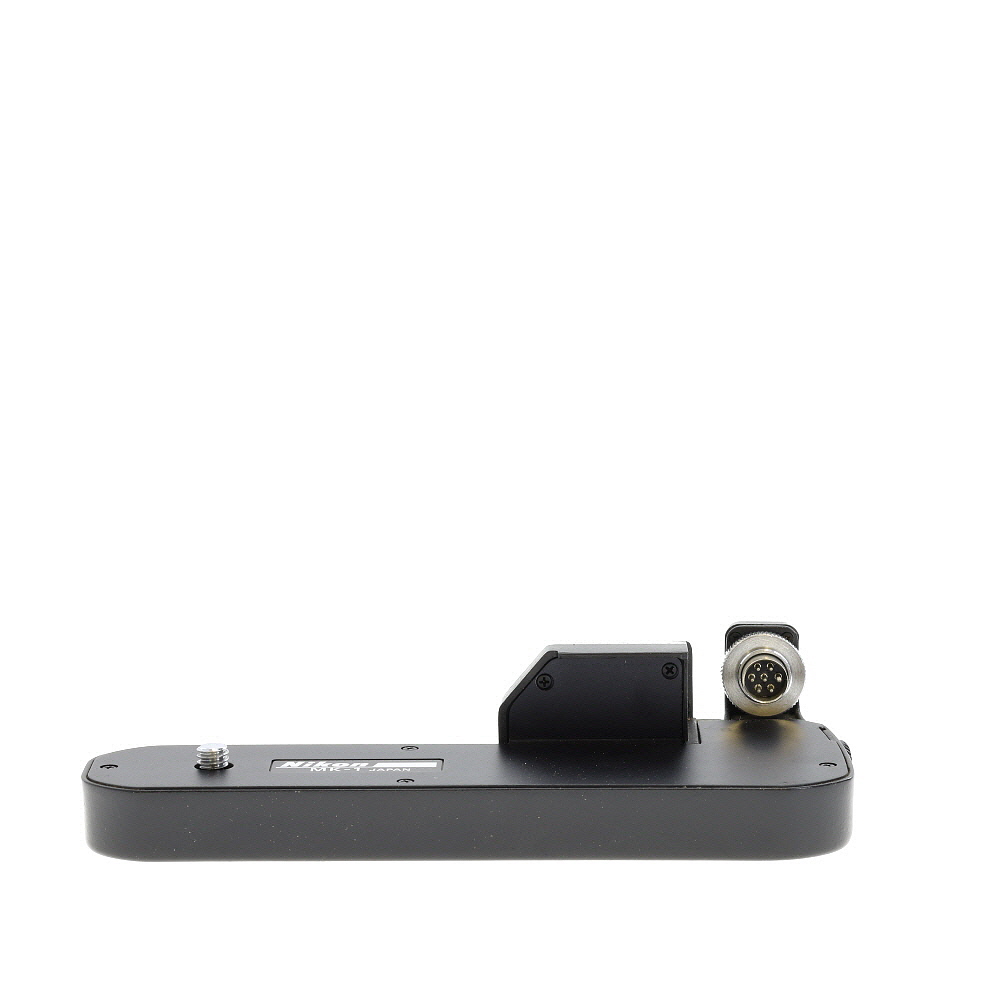

In this comprehensive guide, we will walk you through the process of converting your film camera to digital, step by step. From selecting the right conversion kit to mastering the art of digital photography, you will learn everything you need to know to make the transition smoothly and successfully.
Step-by-step guide to converting film cameras to digital
Converting your film camera to digital can breathe new life into your old equipment and give you the flexibility of digital photography. Here’s how to do it:
1. Choose a digital camera back that is compatible with your film camera model.
2. Remove the film back from your camera and attach the digital camera back in its place.
3. Adjust the settings on the digital camera back to match your preferences and shooting style.

4. Install any necessary software or firmware updates for the digital camera back.
5. Test the digital camera back with a few shots to ensure everything is working correctly.
6. Start shooting digital photos with your newly converted film camera!
Choose the right film camera for conversion
When converting a film camera to digital, it’s crucial to select the right camera model for the process. Consider the following factors:
Compatibility: Ensure that the film camera you choose is compatible with digital conversion kits or services.
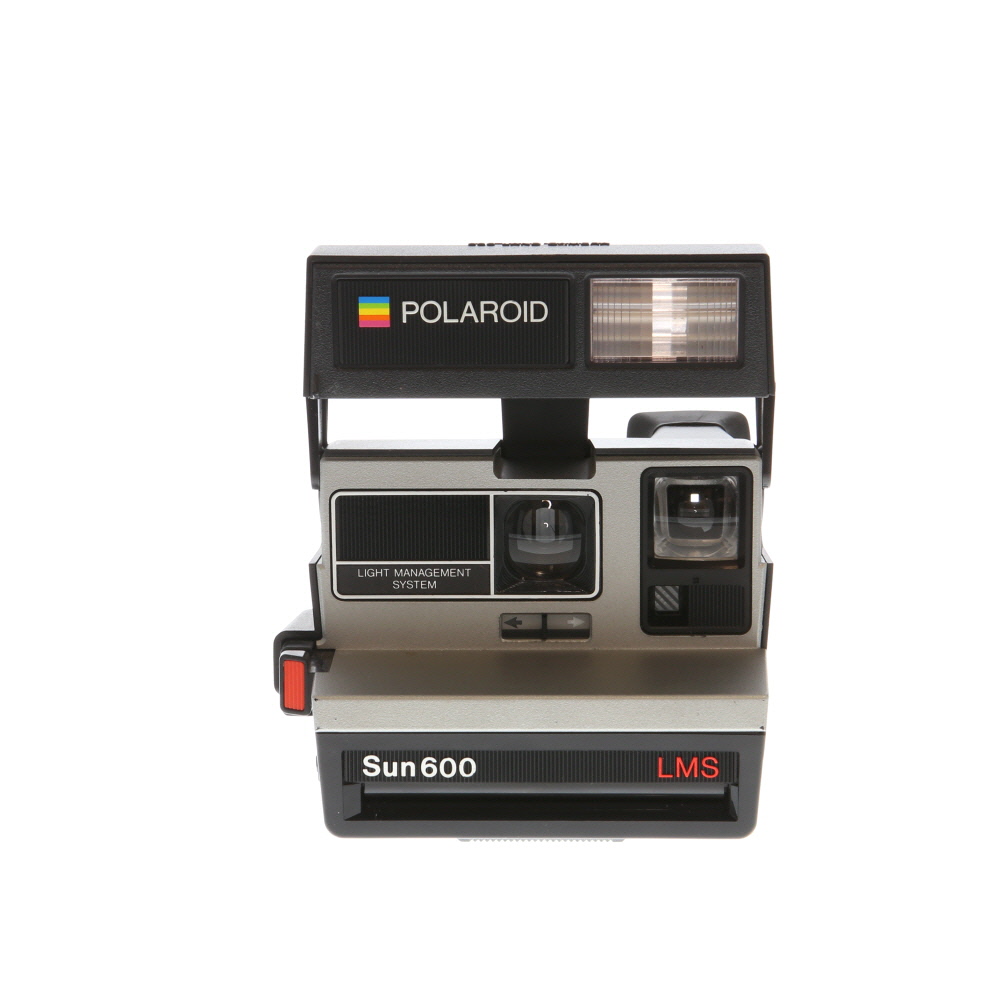
Features: Look for a camera with interchangeable lenses, manual settings, and a sturdy build for better results.
Condition: Opt for a camera in good working condition to minimize repair costs during the conversion process.
Brand: Some camera brands may offer specific conversion options or support, so choose a reputable brand if possible.
By choosing the right film camera for conversion, you can enhance the quality and usability of your digital camera setup.
Gather the necessary tools and equipment
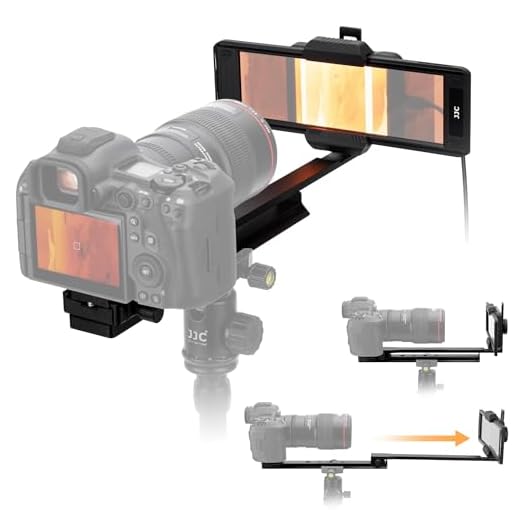
Converting a film camera to digital requires a few specific tools and equipment to get the job done effectively. Here is a list of items you will need:

1. Screwdrivers: You will need a set of precision screwdrivers to disassemble the camera and make modifications.
2. Soldering iron: A soldering iron is necessary for making electrical connections and modifications to the camera’s circuitry.
3. Digital camera sensor: You will need a compatible digital camera sensor to replace the film in the camera.
4. Adhesive materials: Adhesives such as glue or tape may be required to secure the digital sensor in place.
5. Patience and attention to detail: Converting a film camera to digital can be a delicate process, so having patience and paying attention to detail is crucial.
Disassemble the film camera carefully
Before converting your film camera to digital, you will need to disassemble it carefully to access the internal components. Follow these steps to disassemble the camera:
- Prepare a clean workspace: Find a clean, well-lit area to work on your camera. Make sure you have all the necessary tools and materials ready.
- Remove the film and batteries: Open the camera back and remove any film that may be loaded. Take out the batteries as well to avoid any electrical mishaps.
- Refer to the camera manual: If you have the manual for your camera, refer to it for specific disassembly instructions. If not, you may need to rely on online resources or guides for your camera model.
- Start unscrewing: Carefully remove the screws from the camera body using the appropriate screwdriver. Keep track of the screws and their placement to reassemble the camera later.
- Separate the camera components: Once the screws are removed, gently separate the camera body to access the internal components. Be cautious not to damage any delicate parts.
By disassembling the film camera carefully, you will be able to access the components needed for the digital conversion process.
Remove the film mechanism and shutter
First, you will need to carefully remove the film mechanism and shutter from the camera body. This step is crucial as it will make space for the digital sensor and other components.
Tools needed:
- Screwdriver set
- Tweezers
- Small pliers
Begin by locating the screws that hold the film mechanism and shutter in place. Use the screwdriver set to carefully unscrew and remove these components. Be sure to keep track of the screws and store them in a safe place for reassembly later.
Once the film mechanism and shutter are removed, you can clean the inside of the camera body to ensure there is no dust or debris that could interfere with the new digital components. Take your time with this step to avoid damaging any of the delicate parts inside the camera.

Install a digital sensor and electronic components
To convert a film camera to digital, you will need to install a digital sensor and electronic components. This process involves removing the film mechanism and replacing it with a digital sensor that captures images. Here are the steps to install a digital sensor and electronic components:
1. Disassemble the camera
Start by disassembling the film camera carefully to access the internal components. Remove the film mechanism and any other parts that are no longer needed for digital operation.
2. Install the digital sensor
Position the digital sensor in the camera body where the film used to be located. Secure the sensor in place and connect it to the camera’s electronics. Make sure the sensor is aligned properly to capture images accurately.
By following these steps, you can successfully install a digital sensor and electronic components in a film camera to convert it to digital.
Reassemble the camera and test its functionality
Once you have successfully installed the digital camera sensor and screen, it’s time to reassemble the camera. Carefully put all the components back together following the reverse order of disassembly. Make sure to screw everything back in place securely and double-check that all the connections are properly reattached.
After reassembly, insert a memory card and battery into the camera and power it on. Test the functionality of the camera by taking a few test shots and checking the quality of the images on the screen. Ensure that all the camera’s features, such as autofocus, exposure settings, and image stabilization, are working correctly.
If everything is functioning as expected, congratulations, you have successfully converted your film camera to digital! Enjoy capturing digital images with your newly upgraded camera.
Enjoy capturing digital photos with your converted film camera
Now that you have successfully converted your film camera to digital, it’s time to enjoy the benefits of capturing digital photos with your newly upgraded camera. Here are a few tips to make the most out of your digital film camera:
1. Experiment with different settings
Take the time to explore the various settings and features of your digital film camera. Experiment with different ISO, aperture, and shutter speed settings to capture the perfect shot in any lighting condition.
2. Embrace the convenience of digital photography
With a digital film camera, you no longer have to worry about running out of film or waiting for your photos to be developed. Enjoy the convenience of instant previews and the ability to take hundreds of photos without changing rolls of film.
By following these tips and embracing the advantages of digital photography, you can take your photography skills to the next level with your converted film camera.
FAQ
Is it possible to convert film cameras to digital?
Yes, it is possible to convert film cameras to digital by using a digital camera back or a film scanner. These devices allow you to capture the image from the film and convert it into a digital format.
What are the benefits of converting a film camera to digital?
Converting a film camera to digital allows you to enjoy the convenience of digital photography while still using your favorite film camera. It also gives you the ability to easily share and edit your photos digitally, opening up a whole new world of creative possibilities.



Good article! I'm curious if there are specific digital backs that are better for certain vintage film cameras? I have an old Canon AE-1 and would love to know more about compatible options.
Great question! For the Canon AE-1, look for options like the Canon EOS digital backs, as these are often more compatible with older models.
I've heard that the Canon FD mount digital backs work well with the AE-1. Just make sure to check the compatibility before buying!
I recently converted my old Pentax K1000 using a digital back kit I found online. The process was tricky, especially disassembling the camera without damaging it! But once I got through the installation, the results were amazing. I love being able to shoot digitally without losing the classic feel of my old camera.
How difficult is it to find a compatible digital camera back for an older film camera? Are there specific brands that are better for this?
Can you clarify if all film cameras can be converted? What should I look out for to ensure compatibility?
I converted my Nikon F2 into a digital camera last year, and it was quite the project! I followed a similar guide, but had some issues with the soldering. I’d recommend practicing soldering on some scrap electronics first. The end result was worth it though—having the old feel of the film camera with today's digital technology is amazing!
That sounds exciting! Did you find a specific digital sensor that worked best for your project? I’m worried about getting the right one.
I disagree with the idea that converting film cameras is worth it. Sometimes it's better just to invest in a good digital camera instead of going through all that hassle.
Make sure to have a clean workspace when doing this! Dust can really mess up the internal components.