
 Carmen J. Moore

Movie studios have increasingly turned to digital cameras for filming due to the numerous advantages they offer over traditional film cameras. Digital cameras provide filmmakers with greater flexibility, allowing them to capture high-quality images in a variety of lighting conditions. The ability to instantly review footage and make adjustments on set has revolutionized the filmmaking process, saving time and resources.
Furthermore, digital cameras offer cost-effective solutions for movie studios, as they eliminate the need for expensive film stock and processing. The digital format also simplifies post-production tasks, such as editing and special effects, leading to a more efficient workflow.
Additionally, digital cameras enable filmmakers to experiment with different visual styles and effects, opening up new creative possibilities for storytelling. The versatility and accessibility of digital technology have democratized filmmaking, allowing independent filmmakers and small studios to produce high-quality content on a smaller budget.
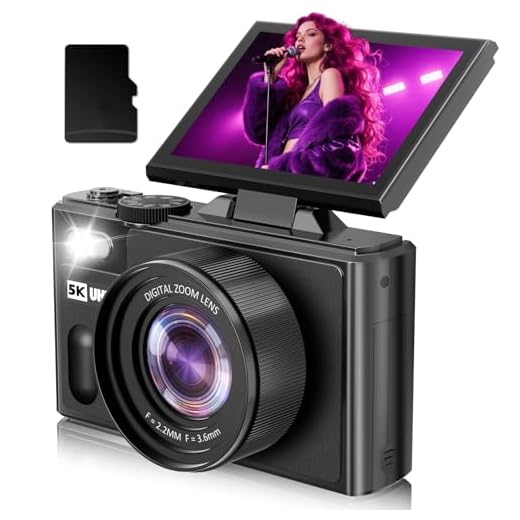


Advantages of Using Digital Cameras in Movie Production
1. Cost-Effective: Digital cameras eliminate the need for expensive film stock, processing, and storage, making them a more cost-effective option for movie production.
2. Instant Playback: With digital cameras, filmmakers can instantly review footage on set, allowing for immediate adjustments and ensuring the desired shots are captured.
3. Flexibility: Digital cameras offer a wide range of settings and options for filmmakers to experiment with, providing greater creative flexibility in capturing unique shots.
4. Higher Resolution: Digital cameras can capture high-resolution images and videos, ensuring the final product is crisp and visually appealing on various screens.
5. Post-Production Efficiency: Digital footage can be easily transferred to editing software, streamlining the post-production process and saving time in the overall filmmaking workflow.

Improved Image Quality
One of the main reasons why movie studios use digital cameras is the improved image quality they provide. Digital cameras can capture high-resolution images with stunning clarity, rich colors, and sharp details. The advanced sensors and processors in digital cameras allow filmmakers to achieve a level of image quality that was previously unattainable with traditional film cameras.
Additionally, digital cameras offer greater flexibility in post-production, allowing filmmakers to manipulate and enhance the image in ways that were not possible with film. This includes adjusting colors, contrast, and sharpness, as well as adding visual effects and digital enhancements.
Cost Efficiency and Time Saving
Another significant reason why movie studios prefer digital cameras is the cost efficiency and time-saving aspect. Traditional film cameras require costly film stock, processing, and physical storage, which can quickly add up in expenses. In contrast, digital cameras eliminate the need for film and allow for immediate playback and review of footage, saving both time and money in the production process. Additionally, digital files can be easily transferred, edited, and shared digitally, streamlining the post-production workflow and reducing overall production time.
Enhanced Creative Possibilities
One of the main reasons movie studios use digital cameras is the enhanced creative possibilities they offer. Digital cameras provide filmmakers with greater flexibility in capturing shots, allowing them to experiment with different angles, lighting, and effects in real-time. This real-time feedback allows directors and cinematographers to make immediate adjustments to achieve the desired visual aesthetic, resulting in more dynamic and visually engaging films.
Flexibility in Post-Production
One of the key advantages of using digital cameras in filmmaking is the flexibility they provide in post-production. Digital footage can be easily manipulated, edited, and enhanced using sophisticated software tools.
Editors can adjust colors, lighting, and even alter the framing of shots without losing quality, giving filmmakers greater control over the final look of their film. This flexibility allows for creative experimentation and the ability to refine the visual elements of a movie during the editing process.
Efficiency and Cost-Effectiveness
Furthermore, digital cameras streamline the post-production workflow by eliminating the need for traditional film processing and scanning. This not only saves time but also reduces costs associated with physical film handling and storage.
Environmental Impact Reduction
Using digital cameras in movie production can significantly reduce the environmental impact of filmmaking. Traditional film cameras require large amounts of film stock, chemicals, and processing, all of which have a negative impact on the environment. Digital cameras eliminate the need for film stock and the associated chemicals, reducing waste and pollution.
Furthermore, digital cameras consume less energy compared to traditional film cameras, contributing to lower carbon emissions. The production of film stock also involves the use of resources like silver, which can have environmental consequences. By using digital cameras, movie studios can help reduce their carbon footprint and minimize their impact on the environment.
Adaptation to Technological Advancements
Movie studios use digital cameras to adapt to technological advancements in the film industry. Digital cameras offer numerous benefits over traditional film cameras, including cost-effectiveness, ease of use, and instant access to footage. By embracing digital technology, studios can streamline the filmmaking process, reduce production costs, and achieve higher quality results. Additionally, digital cameras allow for greater flexibility in post-production editing and visual effects, enabling filmmakers to bring their creative visions to life more efficiently. Overall, the adoption of digital cameras reflects the industry’s commitment to innovation and staying ahead of the curve in a rapidly evolving landscape.
FAQ
Why do movie studios prefer to use digital cameras instead of film cameras?
Movie studios choose digital cameras for several reasons. Digital cameras offer more flexibility in post-production, allowing for easier editing, color correction, and special effects. Digital cameras also provide instant playback, which helps directors and cinematographers make real-time adjustments to their shots. Additionally, digital cameras are more cost-effective in the long run as they eliminate the need for purchasing and developing film stock.
What are some advantages of using digital cameras in movie production?
Using digital cameras in movie production has many advantages. Digital cameras offer higher resolutions, allowing for sharper images and greater detail. They are also lightweight and more portable than traditional film cameras, making them ideal for shooting in challenging locations. Digital cameras can capture a wider dynamic range, providing more flexibility in capturing different lighting conditions. Overall, digital cameras provide filmmakers with more creative options and technical capabilities.
Do digital cameras affect the visual style of movies compared to film cameras?
Yes, digital cameras can influence the visual style of movies compared to film cameras. Digital cameras have different sensor sizes and characteristics that produce a distinct look. They can capture images with higher contrast and saturation, which can affect the overall aesthetic of a film. Additionally, digital cameras offer more options for manipulating color grading and visual effects, allowing filmmakers to create unique visual styles that may differ from the traditional film look.
How have advancements in digital camera technology impacted the film industry?
Advancements in digital camera technology have revolutionized the film industry. Digital cameras have become more affordable, compact, and versatile, making them accessible to a wider range of filmmakers. The ability to shoot in high resolutions, such as 4K and even 8K, has raised the bar for image quality in movies. Additionally, innovations in sensor technology and image processing have improved low-light performance and dynamic range, enhancing the visual quality of films. Overall, digital camera technology has empowered filmmakers to explore new storytelling techniques and visual aesthetics.
Are there any challenges or limitations associated with using digital cameras in movie production?
While digital cameras offer many benefits, there are also challenges and limitations associated with their use in movie production. One challenge is the rapid pace of technological advancements, which can make cameras quickly outdated. Additionally, some filmmakers argue that digital cameras lack the organic, cinematic look of traditional film cameras. Digital cameras can also be more prone to issues such as overheating or rolling shutter artifacts. Despite these challenges, the film industry continues to embrace digital cameras for their convenience, flexibility, and cost-effectiveness.


I think digital cameras take away some of the artistry of film. Film has a unique texture and depth that digital can't fully replicate. Sure, it's efficient, but at what cost to the visual experience?
I've worked on a few indie films shot with digital cameras, and the instant playback feature is a game-changer. It really speeds up the process on set.
What specific digital cameras are most popular in movie studios right now?