
 Carmen J. Moore

Are you in the market for a new digital camera? With so many options available, it can be overwhelming to choose the right one. DSLR cameras are popular among photography enthusiasts for their versatility and image quality. Before making a purchase, there are several factors to consider to ensure you get the best camera for your needs.
One of the most important things to consider when choosing a DSLR camera is the sensor size. A larger sensor typically produces higher quality images with better low-light performance. Full-frame sensors are the largest and most expensive, while APS-C sensors are smaller and more budget-friendly. Consider your photography needs and budget when deciding on the sensor size that is right for you.

Factors to consider
When choosing a DSLR digital camera, there are several factors to consider to ensure you get the best camera for your needs:
| 1. Sensor size | Choose a camera with a larger sensor size for better image quality and low-light performance. |
| 2. Megapixels | Consider the resolution you need for your photos, but keep in mind that more megapixels does not always mean better quality. |
| 3. Lens compatibility | Check the compatibility of the camera with different lenses to ensure you can expand your photography options. |
| 4. ISO range | Look for a camera with a wide ISO range for better performance in different lighting conditions. |
| 5. Autofocus system | Consider the autofocus system of the camera, especially if you shoot fast-moving subjects. |
| 6. Size and weight | Choose a camera that is comfortable for you to carry and handle, especially if you plan to use it for extended periods. |
Resolution and Image Quality
When choosing a DSLR camera, one of the key factors to consider is the resolution and image quality it offers. The resolution of a camera is measured in megapixels, which determines the level of detail and sharpness in your photos. Higher resolution cameras typically produce clearer and more detailed images, especially when you need to crop or enlarge your photos.
However, resolution is not the only factor that affects image quality. The size of the camera’s sensor, the quality of the lens, and the camera’s image processing capabilities also play a significant role in determining the overall image quality. A larger sensor size can capture more light and produce better image quality, while a high-quality lens can enhance sharpness and reduce distortion.
Things to consider:
- Choose a camera with a resolution that suits your needs. Higher resolution may be beneficial for professional photographers or those who need to print large photos.
- Consider the size of the camera’s sensor and the quality of the lens for better image quality.
- Check reviews and sample images to assess the camera’s image quality in real-world scenarios.
Lens options and compatibility
When choosing a DSLR camera, it’s essential to consider the lens options available and their compatibility with the camera body. Different lenses offer various focal lengths, apertures, and features, so it’s crucial to understand your photography needs.
Make sure to check the lens mount of the camera body and ensure that the lenses you are interested in are compatible. Some popular lens mounts include Canon EF, Nikon F, Sony E, and Micro Four Thirds. Additionally, consider the quality of the lens glass, autofocus capabilities, and image stabilization features when selecting a lens.

Investing in high-quality lenses can significantly impact the quality of your images, so take the time to research and test different options to find the best fit for your DSLR camera.
Autofocus system and speed
When choosing a DSLR camera, one of the key factors to consider is the autofocus system and speed. A good autofocus system is essential for capturing sharp and clear images, especially when shooting moving subjects or in low light conditions.
Look for a camera that offers a fast and accurate autofocus system with a high number of focus points. This will allow you to quickly and precisely focus on your subject, resulting in better image quality.
Types of autofocus systems:
- Phase detection autofocus: This type of autofocus system is commonly found in DSLR cameras and offers fast and accurate focusing performance, especially in bright light conditions.
- Contrast detection autofocus: Some cameras also feature contrast detection autofocus, which is more accurate in low light situations but may be slower compared to phase detection.
Consider the autofocus speed of the camera as well. A camera with a fast autofocus speed will help you capture fleeting moments and action shots with ease.
ISO range and low light performance
When choosing a DSLR digital camera, it’s important to consider the ISO range and low light performance. ISO measures the camera’s sensitivity to light, with higher ISO settings allowing you to take photos in low light conditions without a flash. A wider ISO range gives you more flexibility in different lighting situations.
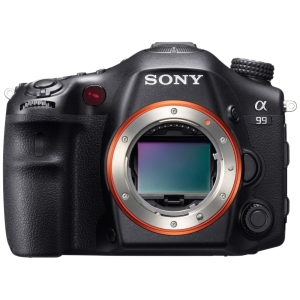
Cameras with better low light performance will produce less noise and graininess in photos taken in dimly lit environments. Look for a camera with a wide ISO range and good low light performance if you plan to shoot indoors or in low light conditions frequently.
Video recording capabilities
When choosing a DSLR camera, it is important to consider its video recording capabilities. Many DSLR cameras are equipped with advanced video features that allow you to capture high-quality videos. Look for a camera that offers Full HD or 4K video recording capabilities for crisp and clear footage.
Additionally, consider the frame rate options available on the camera. A higher frame rate will result in smoother motion in your videos, making them more professional-looking. Some cameras also offer features like manual focus control and microphone input for enhanced video recording.
Size, weight, and ergonomics
When choosing a DSLR camera, it is important to consider the size, weight, and ergonomics of the camera. The size and weight of the camera will determine how portable and comfortable it is to use. A smaller, lighter camera may be easier to carry around for long periods of time, while a larger, heavier camera may provide better stability and control.
Ergonomics is also an important factor to consider when choosing a DSLR camera. The camera should feel comfortable in your hands and be easy to use, with well-placed buttons and controls that are intuitive to operate. It’s a good idea to try holding and using the camera before making a purchase to ensure that it feels comfortable and natural to use.
Battery life and accessories
When choosing a DSLR camera, it’s important to consider the battery life and the availability of accessories.
A good battery life is essential for photographers who shoot for long periods of time without access to power outlets. Look for cameras that offer extended battery life or the option to use additional battery packs for backup.
Accessories
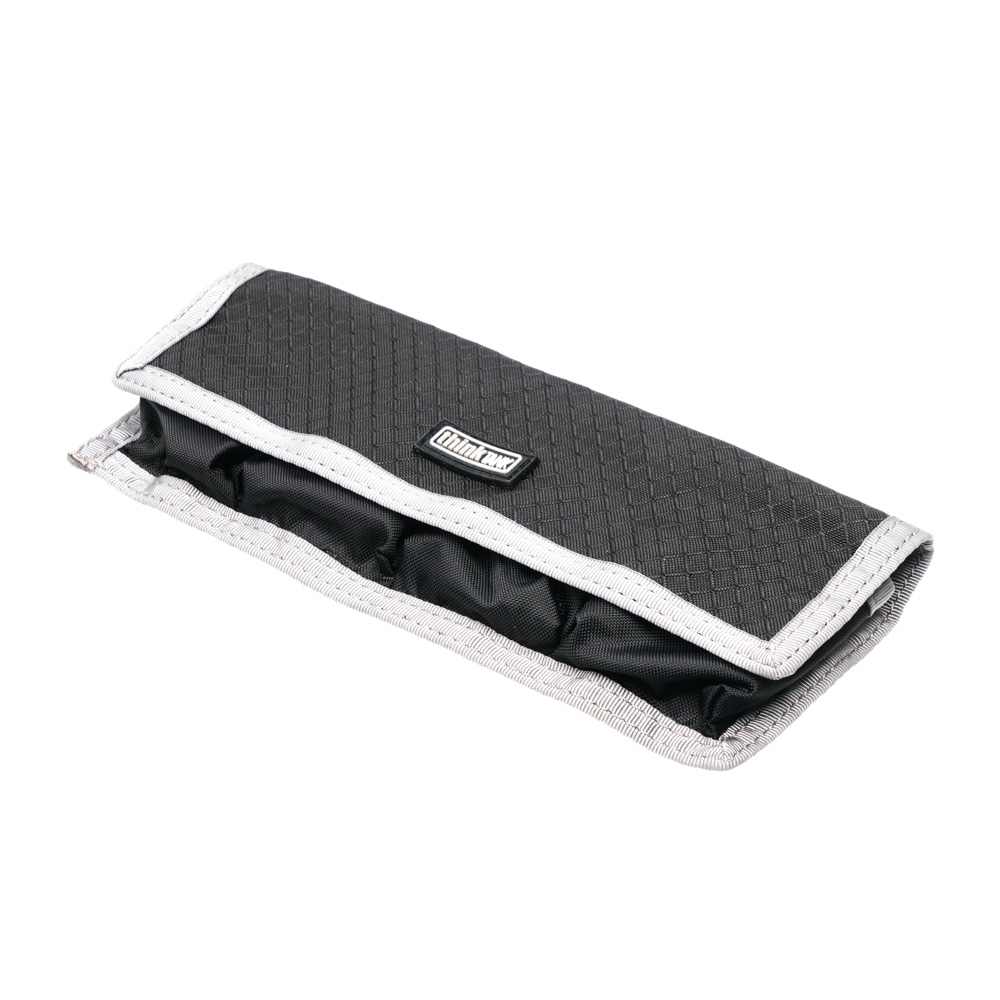
Accessories can enhance your photography experience and make your camera more versatile. Consider investing in extra lenses, filters, tripods, camera bags, and other accessories to complement your DSLR camera.
Make sure to check the compatibility of accessories with your camera model before making a purchase.
Budget and brand preferences
When choosing a DSLR digital camera, it’s important to consider your budget and brand preferences. Determine how much you are willing to invest in a camera, keeping in mind that higher prices often mean better quality and more features. However, there are also budget-friendly options available that can still deliver good results.
Brand preferences
Some photographers have a strong preference for certain camera brands based on their reputation, features, and user experience. Popular DSLR camera brands include Canon, Nikon, Sony, and Fujifilm, each offering a range of models to suit different needs and budgets. Research the reputation of different brands and read reviews from other photographers to determine which brand aligns best with your preferences.
FAQ
What are the key factors to consider when choosing a DSLR digital camera?
When choosing a DSLR digital camera, key factors to consider include the camera’s sensor size, resolution, ISO range, autofocus system, lens compatibility, and shooting speed. It is also important to consider the camera’s build quality, ergonomics, and user interface.
How does sensor size affect the performance of a DSLR digital camera?
The sensor size of a DSLR digital camera can affect image quality, low-light performance, depth of field, and dynamic range. Larger sensors generally produce better image quality and perform better in low-light conditions compared to smaller sensors.
What is the importance of lens compatibility when choosing a DSLR digital camera?
Lens compatibility is important when choosing a DSLR digital camera because it determines the variety of lenses you can use with the camera. Some camera systems have a wider selection of lenses available, offering more creative possibilities and flexibility in your photography.
How can I test a DSLR digital camera before making a purchase?
Before purchasing a DSLR digital camera, you can test it by checking the image quality, handling, menu system, autofocus performance, and shooting speed. It is also recommended to read reviews, watch video demonstrations, and compare the camera with other models to make an informed decision.


What’s the difference in image quality between full-frame and APS-C sensors? Is it worth the extra cost for full-frame?
I've used both types, and while full-frame definitely has advantages in low light and depth of field, APS-C can still produce amazing images for most casual photographers. It really depends on what you're shooting!
I noticed you mentioned lenses like Canon EF and Nikon F. Are there specific lenses you would recommend for beginners? Also, does the lens you choose impact low-light performance?
For beginners, I recommend starting with a 50mm f/1.8 lens for both Canon and Nikon. It's affordable and great for low light. Yes, the lens does greatly impact low-light performance due to its aperture size.
Great article! I found the section on lens compatibility very helpful. It's something that often gets overlooked.