
 Carmen J. Moore

Have you ever looked up at the night sky and marveled at the beauty of the stars? Capturing stunning images of stars with a digital camera is a rewarding experience that allows you to bring a piece of the night sky into your own home. Whether you’re an experienced photographer or a beginner looking to try astrophotography for the first time, this guide will provide you with tips and techniques to help you capture breathtaking starry scenes.
Photographing stars can be a challenging task, but with the right equipment and knowledge, you can create stunning images that showcase the beauty of the night sky. From choosing the right camera settings to finding the perfect location, there are several factors to consider when capturing stars with your digital camera. With patience and practice, you’ll be able to create images that will leave you in awe of the wonders of the universe.
Choosing the right camera
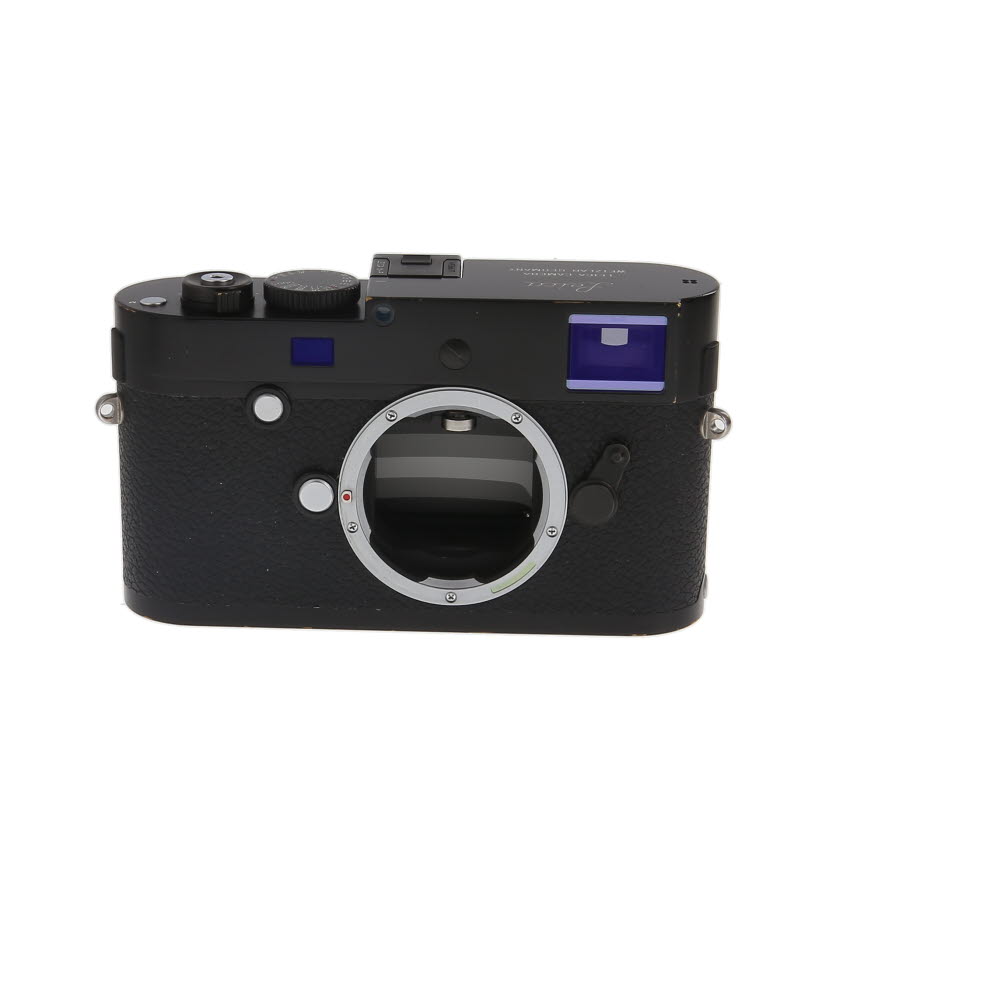
When it comes to capturing stars with a digital camera, choosing the right camera is crucial. Here are some key factors to consider:


- Sensor size: A larger sensor size will typically result in better image quality, especially in low-light conditions.
- ISO range: Look for a camera with a wide ISO range to allow for shooting in various lighting conditions.
- Manual controls: Make sure the camera has manual controls for settings like aperture, shutter speed, and focus, which are essential for astrophotography.
- Noise performance: Check reviews and tests to ensure the camera has good noise performance at high ISO settings.
- Lens compatibility: Consider the availability of wide-angle lenses with large apertures for capturing more light from the stars.
Understanding Camera Settings
When capturing stars with a digital camera, it’s crucial to understand your camera settings to achieve the best results. Here are some key settings to consider:
1. Manual Mode
Switch your camera to manual mode to have full control over settings like aperture, shutter speed, and ISO. This allows you to adjust these settings specifically for capturing stars.
2. Aperture
Choose a wide aperture (small f-number) to let more light into the camera and capture the faint light of stars. A range between f/2.8 and f/4 is recommended for astrophotography.
Preparing for the shoot
Before heading out to capture stars with your digital camera, it’s important to prepare properly. Here are some essential tips to get you ready:
Gather your gear
Make sure you have the necessary equipment, including a sturdy tripod, a remote shutter release, and a camera with manual settings.
Check the weather
Choose a clear night with minimal light pollution for the best results. Check the weather forecast to ensure clear skies.
| Tip: | Bring extra batteries and memory cards to avoid running out of power or space. |
Scouting for Locations
When looking for a location to capture stars with your digital camera, there are a few key factors to consider:
- Light Pollution: Choose a spot away from city lights to minimize light pollution and get clearer shots of the night sky.
- Weather Conditions: Check the weather forecast to ensure clear skies and minimal cloud cover for optimal star photography.
- Landscape: Look for interesting foreground elements such as mountains, trees, or bodies of water to add depth and interest to your star photos.
Setting up the shot
Before you start capturing stars with your digital camera, it’s important to set up your shot properly. Here are some tips to help you get the best results:
- Find a location with minimal light pollution to ensure clear star visibility.
- Use a sturdy tripod to keep your camera stable during long exposure shots.
- Set your camera to manual mode to have full control over settings like ISO, aperture, and shutter speed.
- Choose a wide aperture (low f-stop) to let in more light and capture faint stars.
- Adjust your ISO to a low value (e.g., ISO 100 or 200) to reduce noise in your photos.
- Experiment with different shutter speeds to find the right balance between capturing stars and preventing motion blur.
- Consider using a remote shutter release or the camera’s self-timer to minimize camera shake.
Tips for capturing stars
1. Choose the right location: Find a spot away from city lights to minimize light pollution and increase visibility of the stars.
2. Use a tripod: Stability is key when shooting stars, so make sure to use a tripod to prevent camera shake.
3. Set a wide aperture: A wide aperture (low f-stop) allows more light to enter the camera, making stars appear brighter in your photos.
4. Increase ISO: Boosting your camera’s ISO settings can help capture more light in low-light conditions, making stars stand out in your images.
5. Experiment with exposure times: Try different exposure times to capture the movement of stars in the night sky and create stunning star trail effects.
6. Use manual focus: Set your camera to manual focus and adjust it to infinity to ensure sharp and clear star images.
7. Consider using a remote shutter release: A remote shutter release can help prevent camera shake when taking long exposure shots of stars.
Post-processing techniques
After capturing stunning photos of stars with your digital camera, it’s time to enhance them through post-processing techniques. Here are some tips to help you achieve the best results:
1. Adjust brightness and contrast
Enhance the visibility of stars in your photos by adjusting the brightness and contrast levels. This will make the stars stand out more against the dark sky.
2. Reduce noise
To improve the quality of your star photos, use noise reduction tools to reduce any graininess or artifacts that may be present in the image. This will result in clearer and sharper starry skies.
Sharing your starry photos
Once you’ve captured stunning photos of the stars with your digital camera, it’s time to share your work with the world. Here are some tips on how to showcase your starry photos:
- Post your photos on social media platforms like Instagram, Facebook, or Twitter. Use popular hashtags like #astrophotography or #starrynight to reach a wider audience.
- Consider creating a dedicated photography blog or website to showcase your starry photos in high resolution. This will allow you to share your work in a more curated and professional manner.
- Enter your photos into photography contests or exhibitions to gain recognition for your talent and potentially win prizes.
- Print your starry photos and create physical photo albums or frame them to display in your home or office.
- Collaborate with other photographers or artists to create unique projects or exhibitions featuring your starry photos.
Remember, sharing your passion for astrophotography can inspire others and foster a sense of community among fellow photography enthusiasts. So don’t be shy about sharing your starry photos with the world!

FAQ
What equipment do I need to capture stars with a digital camera?
To capture stars with a digital camera, you will need a camera that has manual settings for exposure, a sturdy tripod to keep your camera stable during long exposures, a wide-angle lens with a large aperture (f/2.8 or wider is ideal), and a remote shutter release to avoid camera shake. You may also benefit from using a star tracker to capture longer exposures without star trails.
What camera settings should I use to capture stars?
When capturing stars with a digital camera, set your camera to manual mode, choose a wide aperture (f/2.8 or wider), use a high ISO (usually between 800-3200 depending on your camera’s capabilities), and set a long exposure time (starting from 15 seconds and adjusting as needed). Experiment with these settings to find the best combination for your specific shooting conditions.
How can I focus my digital camera for capturing stars?
To focus your digital camera for capturing stars, switch your lens to manual focus and set it to infinity. If your lens doesn’t have an infinity mark, you can manually focus on a bright star using live view mode and magnification to ensure the star is pin-sharp. You may also use a flashlight to help you focus on a distant object before pointing your camera at the sky.
What are some tips for capturing stunning starry photos with a digital camera?
For stunning starry photos with a digital camera, consider shooting in a dark location away from light pollution, use a wide-angle lens to capture more of the night sky, experiment with different compositions including foreground elements, try shooting during the golden hours for added color in the sky, and practice patience and persistence to capture unique and breathtaking shots of the stars.



I don't think you need a super expensive camera to capture decent star photos. My friend got great results with a budget model. It's more about technique than gear, right?
I'm trying to decide between a DSLR and a mirrorless camera for astrophotography. Are there significant advantages of one over the other for capturing stars?
Both DSLRs and mirrorless cameras can capture stunning astrophotography images. DSLRs typically offer better battery life, while mirrorless cameras are often lighter and more compact, making them easier to carry. It really depends on your preferences and shooting style.
When you say to use a remote shutter release, is that essential or can I just use the self-timer?
Using a remote shutter release is ideal to prevent any camera shake, but a self-timer can work as well. It’s a great way to minimize movement when taking long exposure shots.
I recently tried capturing stars for the first time using a Canon EOS Rebel T7 with a wide-angle lens at f/2.8. I found that setting the ISO to 1600 and exposing for about 20 seconds gave me some decent shots. I was surprised at how much light I could capture! Just keep in mind to find a really dark spot away from city lights. It made all the difference!
That sounds great! The Canon EOS Rebel T7 is a good choice for beginners. Just remember to experiment with different settings to see what works best for your specific conditions.
I always bring extra batteries and memory cards on my night shoots! You never know how long you'll be out there.
What is the best camera for beginners who want to start astrophotography? Is there a specific model you'd recommend?