
 Carmen J. Moore

Are you a photography enthusiast looking to take your skills to the next level? Do you want to explore the fascinating world of stereo photography? Building your own digital stereo photography camera is an exciting and rewarding project that will allow you to capture stunning 3D images and videos.
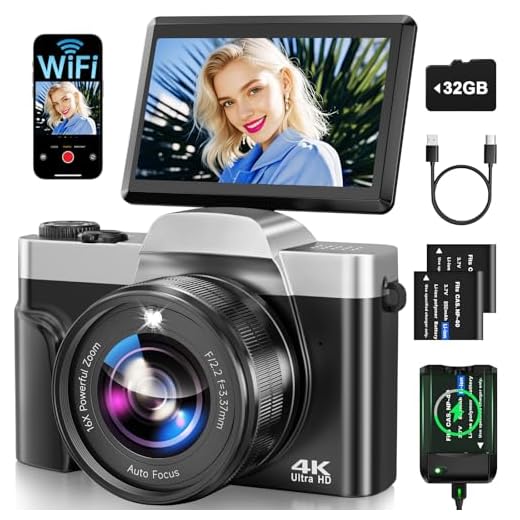

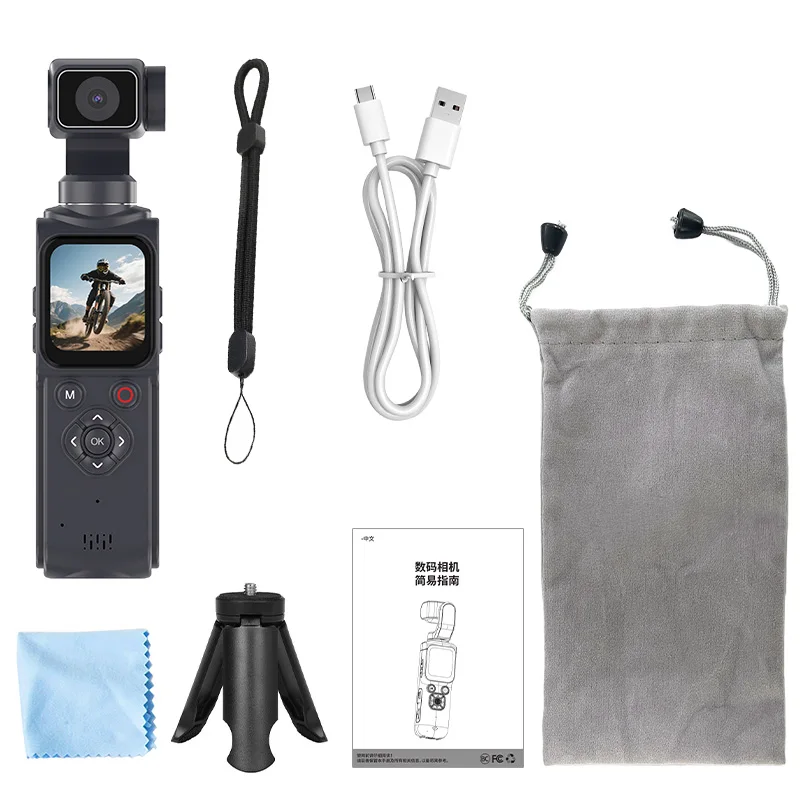

Stereo photography, also known as 3D photography, involves capturing two slightly offset images and combining them to create a sense of depth and dimension. With advancements in digital technology, creating a digital stereo camera has become more accessible than ever before.
In this article, we will guide you through the process of building your own digital stereo photography camera from scratch. From selecting the right components to assembling the camera and calibrating it for optimal performance, we will cover everything you need to know to get started on your stereo photography journey.
Understanding the Basics
Before building a digital stereo photography camera, it is important to understand the basic principles of stereo photography. Stereo photography involves capturing two slightly different images of the same scene to mimic the way human eyes perceive depth and create a three-dimensional effect.
Key Concepts:
- Parallax: The apparent shift in position of an object when viewed from different angles. In stereo photography, parallax is used to create the illusion of depth.
- Convergence: The point where the two lines of sight from the left and right eyes intersect. This is important for creating a realistic 3D effect.
To create a digital stereo photography camera, you will need to capture two images simultaneously and then present them to the viewer in a way that simulates the natural depth perception of human vision.
Choosing the Right Equipment
Building a digital stereo photography camera requires careful selection of the right equipment to ensure high-quality results. Here are some key factors to consider when choosing the equipment for your project:

1. Cameras
When selecting cameras for your stereo photography setup, it is important to choose models with high resolution and low distortion. Look for cameras with manual exposure control and the ability to sync with each other for precise stereo imaging.
2. Lenses
Invest in high-quality lenses that are suitable for stereo photography. Wide-angle lenses are often preferred for capturing immersive stereo images, while macro lenses are ideal for close-up shots. Consider the focal length and aperture of the lenses to achieve the desired depth of field.
| Equipment | Features |
|---|---|
| Cameras | High resolution, manual exposure control, sync capability |
| Lenses | Wide-angle or macro, suitable focal length and aperture |
Setting Up Your Camera
Before you start using your digital stereo photography camera, it is important to set it up properly to ensure optimal performance. Here are the steps to follow:
| Step 1: | Insert the memory card into the camera to store your photos. |
| Step 2: | Charge the camera battery fully to avoid running out of power during a shoot. |
| Step 3: | Adjust the camera settings such as resolution, focus, and exposure according to your preferences. |
| Step 4: | Mount the camera on a stable tripod for steady shots. |
| Step 5: | Ensure the camera lenses are clean and free from dust or smudges to capture clear images. |
By following these steps, you can effectively set up your digital stereo photography camera for successful shooting sessions.
Adjusting the Stereo Effect
Once you have captured your stereo images, you may want to adjust the stereo effect to achieve the desired 3D depth perception. Here are some tips to help you fine-tune the stereo effect:
- Experiment with the interaxial distance: Adjusting the distance between the two lenses can affect the depth perception of your stereo images. A wider interaxial distance can create a stronger 3D effect, while a narrower distance may result in a more subtle depth perception.
- Adjust the convergence point: The convergence point is where the left and right images intersect to create the 3D effect. By adjusting the convergence point, you can control how objects appear in relation to the screen or viewer.
- Use software tools: There are various software tools available that can help you adjust the stereo effect of your images. These tools allow you to fine-tune the depth perception, alignment, and overall quality of your stereo images.
- Consider the viewing environment: The viewing environment can also impact the stereo effect of your images. Make sure to consider factors such as lighting, screen size, and viewing distance when adjusting the stereo effect for optimal 3D experience.
Taking Great Stereo Photos
To capture stunning stereo photos with your digital stereo photography camera, follow these tips:
1. Choose the Right Subject
Select subjects with depth and dimension to create a more immersive stereo effect. Look for scenes with foreground, middle ground, and background elements.
2. Adjust Camera Settings
Experiment with different aperture settings to control the depth of field in your photos. A smaller aperture (higher f-stop number) will increase the depth of field, while a larger aperture (lower f-stop number) will create a more pronounced stereo effect.
Editing and Enhancing Images
After capturing stereo images with your digital stereo photography camera, the next step is editing and enhancing them to achieve the best results. There are various software tools available that can help you adjust the brightness, contrast, color balance, and other aspects of your images.
One popular software program for editing stereo images is Adobe Photoshop. With Photoshop, you can easily align the two images, adjust the depth and perspective, and create stunning 3D effects. You can also use filters and effects to enhance the visual appeal of your stereo images.
Another software tool that is commonly used for editing stereo images is StereoPhoto Maker. This software is specifically designed for working with stereo images and offers a range of advanced editing features.
When editing your stereo images, it’s important to pay attention to details and make subtle adjustments to ensure a natural and realistic look. Experiment with different editing techniques and tools to find the style that best suits your vision.
Sharing Your Stereo Photos
Once you have captured stunning stereo photos with your digital stereo photography camera, it’s time to share them with the world. Here are a few ways you can easily share your stereo photos:
1. Online Platforms
Upload your stereo photos to online platforms like social media websites, photography sharing platforms, or dedicated stereo photography communities. This way, you can showcase your work to a wider audience and connect with other stereo photography enthusiasts.
2. 3D Viewing Options
Consider converting your stereo photos into formats that support 3D viewing, such as anaglyph, side-by-side, or cross-view. This will allow viewers to experience the depth and realism of your stereo photos even without a specialized stereo viewer.
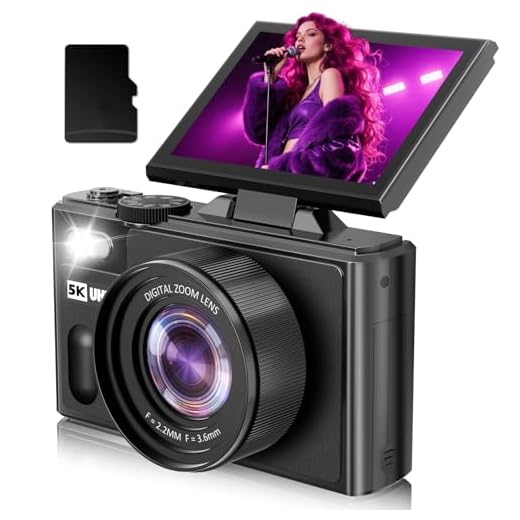
By sharing your stereo photos, you can inspire others to explore the world of stereo photography and appreciate the unique beauty of 3D imagery.
Exploring Advanced Techniques
Once you have mastered the basics of digital stereo photography, you can start experimenting with more advanced techniques to enhance your images. Here are a few tips to help you take your stereo photography to the next level:
- Adjusting the stereo base: Experiment with different stereo base distances to achieve varying levels of depth in your images. A wider stereo base will create a stronger 3D effect, while a narrower base will result in a more subtle effect.
- Using converging lines: Look for opportunities to incorporate converging lines in your composition to create a sense of depth. This technique can add visual interest and draw the viewer’s eye into the scene.
- Playing with lighting: Experiment with different lighting conditions to see how they affect the depth and dimensionality of your images. Soft, diffused light can create a gentle 3D effect, while harsh light can produce more dramatic results.
- Exploring creative angles: Try shooting from different angles and perspectives to create dynamic and engaging stereo images. Don’t be afraid to get low to the ground or experiment with unusual vantage points.
- Using post-processing software: Take advantage of post-processing software to fine-tune your stereo images. Adjusting contrast, saturation, and sharpness can help enhance the 3D effect and bring out the details in your photos.
FAQ
What are the key components needed to build a digital stereo photography camera?
To build a digital stereo photography camera, you will need two identical digital cameras, a stereo base, a synchronization device, and software for processing stereo images. The cameras should be capable of manual settings and have interchangeable lenses for flexibility in capturing stereo images.
Can you explain the process of capturing and processing stereo images with a digital stereo photography camera?
When capturing stereo images with a digital stereo photography camera, the two cameras are set up with a specific stereo base distance between them to simulate human eye spacing. The cameras are synchronized to capture images simultaneously. After capturing the images, they are processed using specialized software to create a 3D effect by combining the left and right images and adjusting the parallax to achieve a realistic stereo effect.



This article is great, but I'm curious about the types of cameras that work best for stereo photography. Are there specific models you would recommend?
You might want to check out mirrorless cameras, as they often have good sync capabilities and manual controls. I've had great success with my Fujifilm X-T3.
Mirrorless cameras can be a great choice! For best results, look for models with high resolution and low distortion, like those from Sony or Canon.
I recently built a stereo camera following similar steps. The key for me was to ensure the cameras were perfectly aligned and synced. I also experimented with different lens types. Wide-angle lenses really brought depth to my images! Just a heads up, getting the interaxial distance right took some trial and error, but it was worth it.