
 Carmen J. Moore

Modern digital cameras are equipped with sensors that play a crucial role in capturing high-quality images. These sensors are electronic devices that convert light into electrical signals, enabling the camera to record the image. Understanding how sensors work is essential for anyone interested in photography or technology.
There are two main types of sensors used in digital cameras: CCD (Charge-Coupled Device) and CMOS (Complementary Metal-Oxide-Semiconductor). Both types work by converting light into electrical signals, but they differ in their architecture and performance characteristics. CCD sensors have traditionally been known for their superior image quality, while CMOS sensors are more energy-efficient and cost-effective.
Understanding Sensor Technology in Digital Cameras
One of the key components of a digital camera is its image sensor. The image sensor is responsible for capturing light and converting it into digital signals that form the basis of your photographs. There are two main types of image sensors used in digital cameras: CCD (Charge-Coupled Device) and CMOS (Complementary Metal-Oxide-Semiconductor).

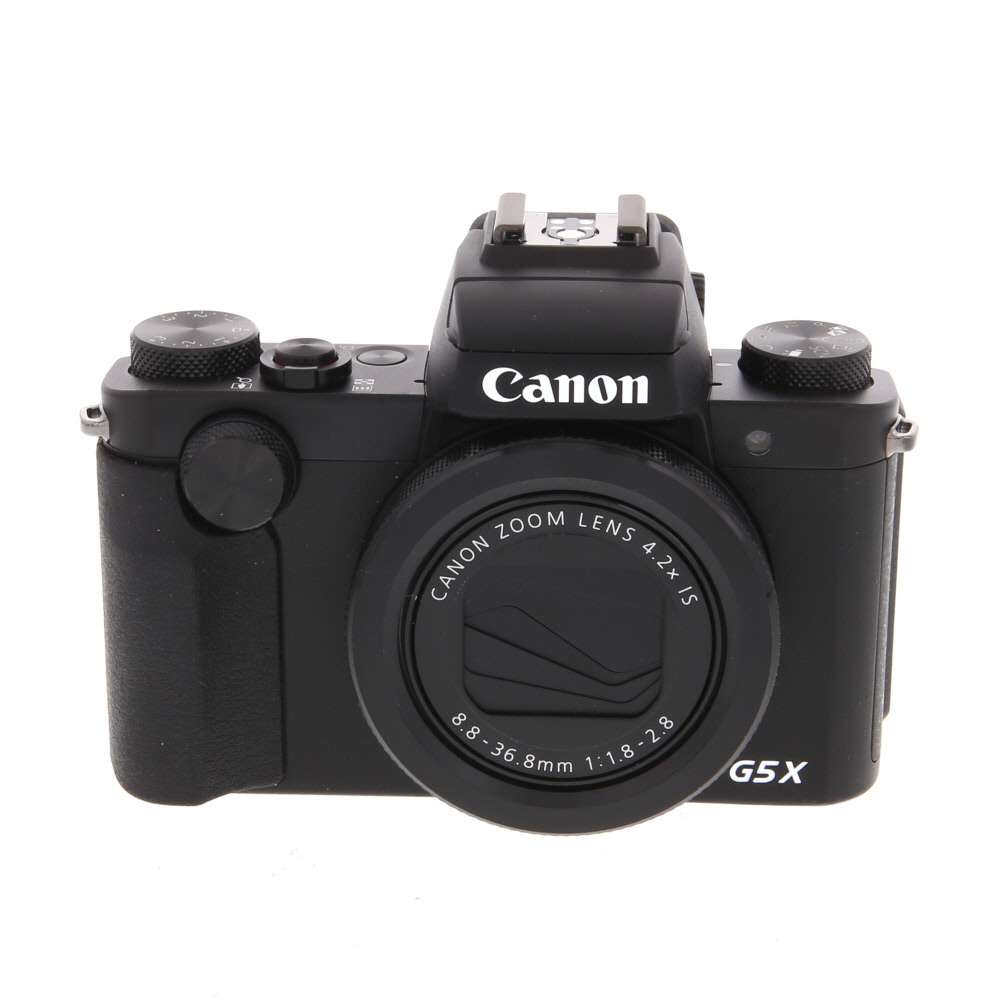

CCD sensors have been around for a longer time and are known for their high image quality and low noise performance. However, they tend to consume more power and are more expensive to manufacture. On the other hand, CMOS sensors are more commonly used in modern digital cameras due to their lower power consumption, faster readout speeds, and lower production costs.
Regardless of the sensor type, the basic principle remains the same. Each sensor is made up of millions of tiny light-sensitive diodes called photosites. When light hits these photosites, they generate an electrical charge proportional to the intensity of the light. This charge is then converted into digital data that represents the colors and brightness of the captured scene.
Understanding sensor technology in digital cameras is essential for photographers to make informed decisions when choosing a camera. The type and quality of the sensor can greatly affect the image quality, low-light performance, and overall capabilities of the camera. By knowing how sensors work, photographers can maximize the potential of their digital cameras and capture stunning images.
Role of Sensor in Image Capture
The sensor in a digital camera plays a crucial role in capturing images. It is a device that converts light into electronic signals, which are then processed to create digital images.
Sensing Light
When you take a photo, light enters the camera through the lens and hits the sensor. The sensor is made up of millions of light-sensitive elements called pixels. Each pixel records the amount of light it receives and converts it into an electrical signal.

Image Processing
After the sensor captures the light, the camera’s processor processes the electrical signals from each pixel to create a digital image. The processor combines the signals from all the pixels to produce a high-quality image with accurate colors and details.
Types of Sensors in Digital Cameras
When it comes to digital cameras, the sensor is a crucial component that captures light and converts it into a digital image. There are two main types of sensors used in digital cameras: CCD (Charge-Coupled Device) and CMOS (Complementary Metal-Oxide-Semiconductor).
| Feature | CCD Sensor | CMOS Sensor |
|---|---|---|
| Image Quality | Generally produces high-quality images with low noise. | Produces good quality images but may have more noise compared to CCD. |
| Power Consumption | Typically consumes more power than CMOS sensors. | Consumes less power, making it more efficient for battery life. |
| Cost | Usually more expensive compared to CMOS sensors. | Cost-effective and widely used in modern digital cameras. |
| Speed | Slower readout speeds compared to CMOS sensors. | Offers faster readout speeds and better performance for video recording. |
Ultimately, the choice between CCD and CMOS sensors depends on the specific requirements of the camera and the intended use. Both sensor types have their advantages and disadvantages, and manufacturers choose the one that best suits their camera design and target market.
CMOS vs CCD Sensors: Key Differences
CMOS Sensors:
1. CMOS sensors are generally less expensive to manufacture compared to CCD sensors.
2. CMOS sensors consume less power, making them more energy-efficient.
3. CMOS sensors have faster readout speeds, allowing for higher frame rates in video recording.
4. CMOS sensors are more susceptible to noise due to their construction.
CCD Sensors:
1. CCD sensors typically have better image quality and lower noise levels compared to CMOS sensors.
2. CCD sensors are more sensitive to light, making them ideal for low-light photography.
3. CCD sensors have a global shutter, which captures the entire image at once, reducing distortion in moving objects.
4. CCD sensors are generally more expensive and consume more power than CMOS sensors.
Megapixels and Sensor Size: Impact on Image Quality
When it comes to digital cameras, two key factors that greatly influence image quality are megapixels and sensor size. Understanding how these factors work together can help you make informed decisions when choosing a camera.
Megapixels
Megapixels refer to the number of pixels (or individual dots of color) that make up an image captured by a camera. In general, the more megapixels a camera has, the higher the resolution of the images it produces. This means that images will have more detail and can be printed at larger sizes without losing quality.

Sensor Size
The sensor size of a camera refers to the physical dimensions of the image sensor that captures light and turns it into digital data. A larger sensor size allows more light to be captured, resulting in better image quality, especially in low-light conditions. Larger sensors also tend to produce images with better dynamic range and less noise.
When choosing a digital camera, it’s important to consider both megapixels and sensor size to ensure you get the image quality you desire. A camera with a balance of high megapixels and a large sensor size will generally produce the best results.
Sensor Resolution and Image Detailing
The sensor resolution of a digital camera refers to the number of pixels that the sensor can capture. Higher resolution sensors can capture more detailed images with sharper edges and more vibrant colors. The resolution of a sensor is measured in megapixels, with higher megapixel counts indicating higher resolution.
When a sensor has a higher resolution, it can capture more information about the scene being photographed, resulting in more detailed images. This is particularly important when images need to be enlarged or cropped, as higher resolution sensors can retain more detail and sharpness in the final image.
However, it is important to note that sensor resolution is not the only factor that determines image quality. Other factors, such as sensor size, pixel size, and image processing algorithms, also play a significant role in determining the overall image quality produced by a digital camera.
Sensor Sensitivity and Low Light Performance
The sensitivity of a sensor in a digital camera refers to its ability to capture light and produce a usable image. Sensors with higher sensitivity can capture more light, resulting in better low light performance. This is crucial for shooting in low light conditions or at night, where a sensor with high sensitivity can produce clear and detailed images without excessive noise.
One common measure of sensor sensitivity is the ISO rating, which indicates how sensitive the sensor is to light. A higher ISO setting allows the sensor to capture more light, making it suitable for low light situations. However, increasing the ISO setting can also introduce noise into the image, affecting its quality.
Factors Affecting Sensor Sensitivity and Low Light Performance:
| Pixel Size: | The size of the pixels on the sensor affects its sensitivity. Larger pixels can capture more light, resulting in better low light performance. |
| Sensor Technology: | The type of sensor technology used can also impact sensitivity. Back-illuminated sensors, for example, are more sensitive to light compared to traditional front-illuminated sensors. |
| Noise Reduction: | Advanced noise reduction algorithms can help mitigate the noise introduced at high ISO settings, improving the overall image quality in low light conditions. |
Dynamic Range and Sensor Performance
In digital cameras, dynamic range refers to the range of tones from the darkest shadows to the brightest highlights that a sensor can capture. A sensor with a high dynamic range can capture a wider range of tones, resulting in more detail in both shadow and highlight areas of an image.
The performance of a sensor in terms of dynamic range is crucial for producing high-quality images, especially in challenging lighting conditions. Sensors with higher dynamic range are able to handle high-contrast scenes better, preserving details in both bright and dark areas.
To improve sensor performance and dynamic range, camera manufacturers often implement technologies such as backside-illuminated sensors, dual-gain architecture, and advanced noise reduction algorithms. These technologies help to minimize noise and improve the overall image quality, particularly in low-light conditions.
Sensor Cleaning and Maintenance
Keeping the sensor of your digital camera clean is essential for maintaining image quality and preventing dust spots in your photos. Regular sensor cleaning and maintenance can help extend the lifespan of your camera and ensure optimal performance.
Tools for Sensor Cleaning
There are several tools available for cleaning your camera sensor, including sensor cleaning swabs, sensor cleaning brushes, and sensor cleaning kits. It is important to use the right tools and techniques to avoid damaging the sensor.
Steps for Sensor Cleaning
Here are some general steps for cleaning your camera sensor:
| 1. | Power off your camera and remove the lens. |
| 2. | Use a blower to remove any loose dust particles from the sensor. |
| 3. | Use a sensor cleaning swab or brush to gently clean the sensor surface. |
| 4. | Check the sensor for any remaining dust spots and repeat the cleaning process if necessary. |
| 5. | Power on your camera and perform a sensor cleaning function if available. |
It is recommended to consult your camera’s manual or seek professional help if you are unsure about cleaning your camera sensor.
Future Trends in Sensor Technology
As technology advances at a rapid pace, the future of sensor technology in digital cameras is also evolving. Here are some key trends to watch out for:

1. Higher Resolution Sensors
One of the most notable trends is the development of sensors with higher resolutions. This allows for capturing more detail in images and improves the overall quality of photographs.
2. Improved Low-Light Performance
Sensor technology is also focusing on enhancing low-light performance. This means that future sensors will be able to capture better quality images in low-light conditions, making night photography and indoor shooting much easier.
- 3. Enhanced Dynamic Range
- 4. Faster Sensor Readouts
- 5. Reduced Power Consumption
These trends indicate that sensor technology in digital cameras will continue to improve, providing photographers with more tools to capture stunning images in various conditions.
FAQ
How does a sensor work in a digital camera?
A sensor in a digital camera works by converting light into an electronic signal. When light enters the camera through the lens, it hits the sensor’s photosites, which are tiny light-sensitive diodes. These diodes convert the light into electrical signals, which are then processed by the camera’s image processor to create a digital image.
What role does the sensor play in a digital camera?
The sensor in a digital camera plays a crucial role in capturing images. It is responsible for converting light into electronic signals that can be processed and stored as digital images. The quality and capabilities of the sensor greatly affect the final image quality, including factors such as resolution, dynamic range, and low-light performance.
Are there different types of sensors used in digital cameras?
Yes, there are different types of sensors used in digital cameras, with the most common being CCD (charge-coupled device) and CMOS (complementary metal-oxide-semiconductor) sensors. Each type has its own advantages and disadvantages, with CMOS sensors generally being more popular due to their lower power consumption and faster readout speeds.
How does the size of a sensor impact image quality in a digital camera?
The size of the sensor in a digital camera can have a significant impact on image quality. Generally, larger sensors tend to capture more light, resulting in better image quality, especially in low-light conditions. Larger sensors also typically offer better dynamic range and shallower depth of field, which can enhance the overall look of the image.
What are some common issues related to sensors in digital cameras?
Some common issues related to sensors in digital cameras include dead pixels (non-responsive photosites), sensor dust (dirt or particles on the sensor surface), and sensor blooming (overflow of charge from overexposed areas). These issues can affect image quality and may require professional cleaning or sensor replacement.


I’m curious, how do the size and number of pixels on a sensor impact image quality in real-world scenarios? Are there specific situations where one is more beneficial than the other?
Great question! Larger pixels usually perform better in low light, while more pixels can add detail, especially for large prints. So it really depends on what you're aiming for!
I've used both CCD and CMOS sensors in my photography journey. I found that CCD cameras perform incredibly well in low light, but my CMOS camera is great for fast action shots due to its quick readout speeds. It's interesting to see how each sensor type has its strengths and weaknesses. Based on my experience, I suggest considering what you'll be primarily shooting before choosing a camera.
I completely agree! I usually shoot wildlife and find CMOS cameras really helpful for capturing those fast moments. The speed really makes a difference!