
 Carmen J. Moore

When investing in a digital camera, one of the key considerations is how long it will last. Digital cameras are not cheap, and you want to ensure that your investment will stand the test of time.
But how long can you expect a good digital camera to last? The answer to this question depends on various factors, including the quality of the camera, how well it is maintained, and how rapidly technology advances.
Generally speaking, a good digital camera should last you at least 5-7 years if you take proper care of it. This means regularly cleaning the lens, storing it in a dry place, and avoiding extreme temperatures.
Of course, some high-end digital cameras can last even longer, especially if they are built with durable materials and have been well-designed. However, it’s important to remember that technology evolves quickly, and what may be cutting-edge today could be outdated in a few years.

Factors affecting the lifespan
There are several factors that can impact the lifespan of a digital camera:
- Build quality: A camera with a sturdy build quality is likely to last longer than one with a flimsy construction.
- Usage frequency: The more frequently a camera is used, the faster it may wear out. Heavy usage can lead to quicker deterioration of components.
- Environmental conditions: Extreme temperatures, humidity, and exposure to dust or water can damage the camera and reduce its lifespan.
- Maintenance: Regular maintenance, such as cleaning the lens and sensor, can help prolong the lifespan of a digital camera.
- Technological advancements: As technology evolves, older cameras may become obsolete sooner, leading to a shorter usable lifespan.
Quality of materials used
One of the key factors influencing the longevity of a digital camera is the quality of materials used in its construction. High-quality cameras are typically made with durable materials such as metal alloys, magnesium alloy, and high-grade plastics. These materials are designed to withstand daily wear and tear, ensuring that the camera remains functional for a longer period of time.
Furthermore, the quality of the lens and sensor components also plays a crucial role in determining the lifespan of a digital camera. High-quality lenses made with precision glass elements and advanced coatings are less prone to scratches and image degradation over time. Similarly, sensors with advanced technology and high pixel counts are likely to provide better image quality and performance over the long term.
Maintenance and care tips
Proper maintenance and care can significantly extend the lifespan of your digital camera. Here are some essential tips to keep your camera in top condition:
1. Keep it clean
Regularly clean the exterior of your camera with a soft, dry cloth to remove dust and dirt. Use a lens cleaning cloth or brush to clean the lens and LCD screen. Avoid using harsh chemicals or solvents that can damage the camera.

2. Store it properly
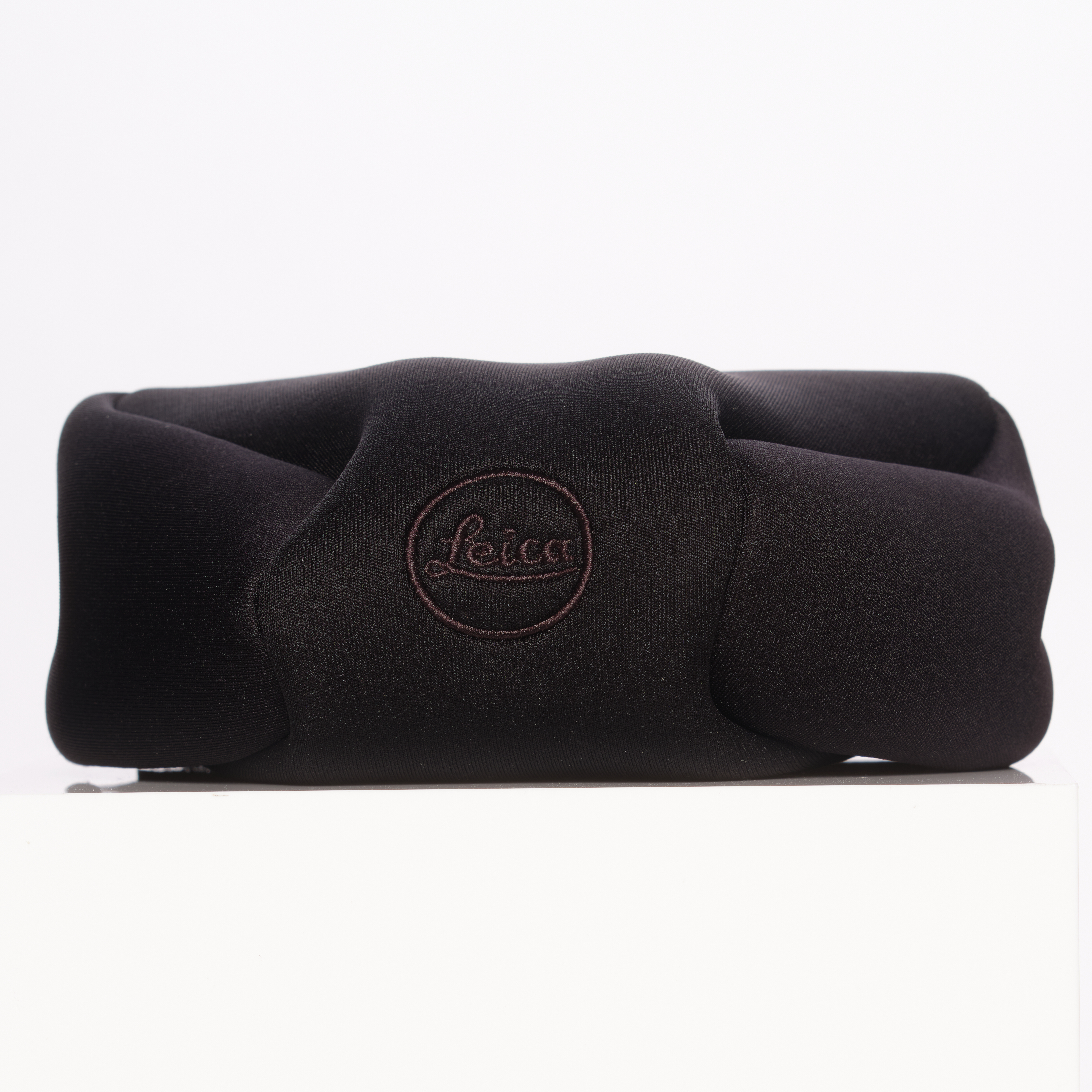
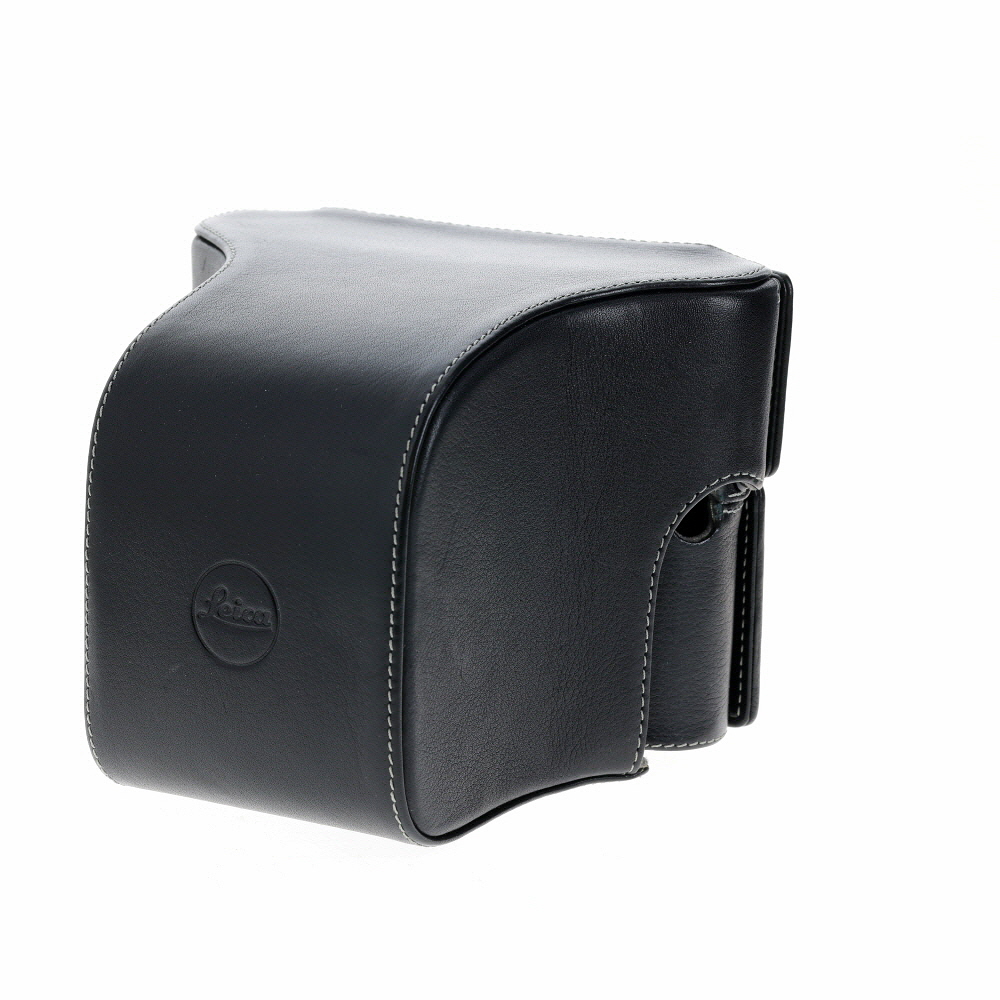
When not in use, store your camera in a protective case or bag to prevent scratches and dust buildup. Keep it away from extreme temperatures, humidity, and direct sunlight, as these can damage the camera’s components.
- Remove the battery when storing the camera for an extended period to prevent corrosion.
- Store memory cards in a cool, dry place to avoid data loss.
By following these maintenance and care tips, you can ensure that your digital camera lasts for many years to come.
Frequency of use
The lifespan of a digital camera can also be influenced by how frequently it is used. A camera that is used infrequently and stored properly can last longer than a camera that is used daily and subjected to wear and tear. If you are an occasional photographer who only uses the camera for special occasions, you can expect it to last for many years. On the other hand, if you are a professional photographer who uses the camera daily, you may need to replace it sooner due to the heavy usage.
It’s important to follow the manufacturer’s recommendations for maintenance and care to ensure that your camera lasts as long as possible. Regular cleaning, proper storage, and handling can help prolong the lifespan of your digital camera.
Technological advancements
With the rapid pace of technological advancements in the digital camera industry, the lifespan of a good digital camera can vary significantly. New models with improved features and capabilities are constantly being released, making older models quickly outdated.
Generally, a good digital camera should last for several years before becoming obsolete. However, it’s important to keep in mind that technology evolves quickly, and what may be considered a top-of-the-line camera today could be surpassed by newer models in just a few years.
Regular software updates and maintenance can help extend the lifespan of a digital camera, but ultimately, it’s inevitable that newer, more advanced models will be released over time.
It’s recommended to research and invest in a digital camera that offers the features you need and will continue to meet your needs for the foreseeable future, considering the pace of technological advancements in the industry.
Environmental conditions
Environmental conditions play a crucial role in determining the lifespan of a digital camera. Excessive humidity, extreme temperatures, and exposure to dust and debris can all have a negative impact on the longevity of your camera.
It is important to store your camera in a cool, dry place when not in use to prevent damage from moisture or high temperatures. Additionally, be mindful of where you take your camera and avoid exposing it to harsh conditions that could potentially shorten its lifespan.
Signs that it’s time to replace
While a good digital camera can last for many years, there are certain signs that may indicate it’s time to replace it with a new model:
1. Image quality deterioration:
If you notice a significant drop in the quality of your photos, such as blurry images, noise, or color distortion, it could be a sign that your camera’s sensor or lens is deteriorating.
2. Outdated technology:
If your camera lacks essential features or functions that are now standard in newer models, such as Wi-Fi connectivity, 4K video recording, or advanced autofocus systems, it may be time to upgrade to a more modern camera.
Keep an eye on these signs to ensure you’re always getting the best performance from your digital camera.
Upgrading options
When your digital camera starts to show signs of aging or if you simply want to take advantage of the latest features and technology, you may consider upgrading to a new model. Some options to consider when upgrading your digital camera include:

1. Newer model: Upgrading to a newer model of the same brand or a different brand can provide you with improved image quality, faster performance, and additional features.
2. Mirrorless or DSLR: If you are looking to take your photography to the next level, consider upgrading to a mirrorless or DSLR camera for more advanced controls and better image quality.
3. Accessories: Instead of upgrading your camera body, you can invest in new lenses, flashes, tripods, or other accessories to enhance your photography experience.
4. Professional services: If your current camera is still in good condition but needs some maintenance or repairs, consider taking it to a professional service center for a tune-up.
Ultimately, the decision to upgrade your digital camera will depend on your budget, photography needs, and personal preferences.
Ways to extend the lifespan
1. Proper maintenance: Regularly clean the camera lens and body, store it in a protective case, and avoid exposing it to extreme temperatures or moisture.
2. Use a tripod: Reduce the risk of accidental drops or damage by using a tripod for stability during photo shoots.
3. Update firmware: Keep your camera’s software up to date to ensure optimal performance and compatibility with new accessories.
4. Handle with care: Be gentle when handling your camera, avoid rough movements or impacts that could damage its internal components.
5. Avoid overuse: While digital cameras are designed for frequent use, excessive shooting can wear out the shutter mechanism and other moving parts faster.
6. Store properly: When not in use, store your camera in a cool, dry place away from direct sunlight to prevent damage from environmental factors.
Expert Recommendations
Experts generally recommend that a good digital camera should last at least 5-7 years with regular use and proper maintenance. However, the longevity of a camera can vary depending on factors such as brand, model, usage frequency, and care.
Factors to Consider:
- Brand and model reputation
- Frequency of use
- Quality of components
- Maintenance and care
It is important to invest in a reputable brand and model, regularly clean and maintain your camera, and handle it with care to ensure a longer lifespan. Additionally, staying updated with software and firmware updates can help prolong the camera’s usability.
FAQ
How long can I expect a good digital camera to last?
A good digital camera can last for several years, depending on how well it is maintained and the frequency of use. With proper care and regular maintenance, a high-quality digital camera can last anywhere from 5 to 10 years.
What are some factors that can affect the lifespan of a digital camera?
Several factors can impact the lifespan of a digital camera, including the brand and model of the camera, the quality of its components, how often it is used, how well it is maintained, and whether it is exposed to extreme conditions like moisture, dust, or temperature fluctuations. Generally, higher-end cameras made by reputable brands tend to have longer lifespans than lower-quality, budget models.




How do I know if my camera's image quality is deteriorating? Are there specific signs I should look for?
Great question! Signs of deteriorating image quality include blurry images, excessive noise in low-light conditions, or color distortion. If you notice consistent issues like these in your photos, it might be time to consider maintenance or upgrading.
I've had my DSLR for nearly eight years now, and I think it's still working fine. I take care of it, but I don't use it daily. I wonder if it would last even longer if I invested in some better protective gear or a case?
Definitely, having a good case can really help! I bought a padded bag for my camera, and it has kept it safe from bumps and dust. Your DSLR could last a while longer if you keep it protected like that.
Absolutely! Proper storage and protective gear can significantly extend your camera's lifespan. It’s great to hear your DSLR is still performing well after eight years!