
 Carmen J. Moore

Frame rate is an important aspect of digital cameras that determines the smoothness of motion in recorded videos. It refers to the number of individual frames or images that are displayed per second. The higher the frame rate, the smoother and more realistic the motion appears.
Digital cameras capture video by recording a series of still images in quick succession. These images are then played back at a specific frame rate to create the illusion of continuous motion. Common frame rates for digital cameras include 24, 30, and 60 frames per second (fps).



Understanding frame rate is essential for videographers and filmmakers, as it can impact the overall look and feel of a video. Different frame rates are suitable for different types of content, with higher frame rates typically used for capturing fast-moving action or creating slow-motion effects.
Understanding Frame Rate in Digital Cameras
Frame rate, also known as frames per second (fps), is a crucial aspect of digital cameras that determines the smoothness and quality of video recordings. It represents the number of individual frames or images captured by the camera in one second. The higher the frame rate, the smoother and more realistic the motion in the video will appear.
How Frame Rate Works
Frame rate is measured in fps, with common rates being 24fps, 30fps, and 60fps. A higher frame rate results in smoother motion, but it also requires more processing power and storage space. When shooting videos, the camera captures a series of frames at the specified frame rate and plays them back in rapid succession to create the illusion of continuous motion.
Impact on Video Quality
The frame rate can significantly impact the overall quality of a video. Lower frame rates may appear choppy or stuttery, especially during fast-moving scenes, while higher frame rates produce smoother and more fluid motion. The choice of frame rate depends on the intended use of the video and the desired visual effect.
| Frame Rate | Visual Effect |
|---|---|
| 24fps | Commonly used in films for a cinematic look |
| 30fps | Standard frame rate for TV broadcasts and online videos |
| 60fps | Ideal for capturing fast-moving action and sports |
The Basics of Frame Rate
Frame rate is a crucial aspect of digital cameras that determines how many frames or images are captured per second. It is measured in frames per second (fps) and directly affects the smoothness and quality of the video footage.

Higher frame rates result in smoother motion and are essential for capturing fast-moving subjects or creating slow-motion effects. On the other hand, lower frame rates may result in choppy or blurry footage, especially when capturing fast-paced action.
Key Points:
- Frame rate is measured in frames per second (fps).
- Higher frame rates result in smoother motion and are crucial for capturing fast-moving subjects.
- Lower frame rates may lead to choppy or blurry footage, especially in fast-paced scenes.
Importance of Frame Rate in Photography
Frame rate plays a crucial role in photography as it determines the smoothness and quality of motion in videos captured by digital cameras. The frame rate refers to the number of frames or images displayed per second in a video sequence. A higher frame rate results in smoother motion and more lifelike videos, while a lower frame rate can lead to choppy or stuttering footage.
Photographers often adjust the frame rate based on the type of content they are shooting. For example, shooting fast-moving action scenes may require a higher frame rate to capture every detail and ensure smooth playback. On the other hand, a lower frame rate can be used for more artistic or cinematic effects, such as creating a dreamy or nostalgic look.
Factors to Consider when Choosing Frame Rate:
- The desired level of realism and smoothness in the video
- The type of subject or scene being captured
- The intended use of the video (e.g., online sharing, professional production)
By understanding the importance of frame rate in photography, photographers can effectively use this setting to enhance the visual quality and impact of their videos.
Factors Affecting Frame Rate
Several factors can affect the frame rate of a digital camera:
Resolution: Higher resolution images require more processing power, which can lower the frame rate.
Compression: Compression algorithms can reduce file size but may also impact the frame rate if too much processing power is used.
Shutter Speed: Faster shutter speeds can result in smoother motion capture but may lower the frame rate.
Lighting Conditions: Low light conditions may require longer exposure times, impacting the frame rate.
Camera Sensor: The quality and size of the camera sensor can affect how quickly images are processed, influencing the frame rate.

Memory Card Speed: Slow memory cards can limit the camera’s ability to write data quickly, affecting the frame rate.
Choosing the Right Frame Rate
When selecting a frame rate for your digital camera, it’s important to consider the purpose of your video. Different frame rates can convey different moods and serve different purposes.
1. Standard Frame Rates
The most common frame rates for digital cameras are 24fps, 30fps, and 60fps. 24fps is often used for cinematic purposes, as it mimics the frame rate of traditional film. 30fps is a standard frame rate for TV and online videos, providing a smooth and natural look. 60fps is commonly used for capturing fast-moving action, as it provides a higher level of detail and smoothness.
2. Slow Motion and High-Speed Video
If you want to create slow-motion footage or capture high-speed action, you’ll need to choose a higher frame rate. Frame rates of 120fps or even 240fps are ideal for achieving smooth slow-motion effects and capturing fast-moving subjects with clarity.
How Frame Rate Impacts Video Quality
Frame rate plays a crucial role in determining the quality of the video captured by a digital camera. It refers to the number of frames or images displayed per second in a video. The higher the frame rate, the smoother the video playback will be, resulting in a more realistic and immersive viewing experience.

Key Points:
- Higher frame rates (such as 60 fps) are ideal for capturing fast-moving action or sports scenes with greater clarity and detail.
- Lower frame rates (such as 24 fps) are commonly used in filmmaking to achieve a cinematic look and feel.
- Frame rate also impacts the file size of the video, as higher frame rates require more data to be stored.
When choosing a frame rate for your video recordings, consider the content you are capturing and the desired effect. Experimenting with different frame rates can help you achieve the best results based on your specific needs and preferences.
Frame Rate and Slow Motion
Frame rate plays a crucial role in creating slow-motion effects with digital cameras. When shooting video at a higher frame rate, such as 60fps or 120fps, more frames are captured per second, resulting in smoother motion when played back at a standard frame rate.
By slowing down the playback speed of footage captured at a high frame rate, you can achieve stunning slow-motion effects that enhance the visual impact of your videos. This technique is commonly used in sports videography, action sequences, and artistic filmmaking to add drama and emphasis to the visuals.
Experimenting with different frame rates and playback speeds allows you to unleash your creativity and explore the full potential of slow motion in digital video production. Remember that higher frame rates require more storage space and processing power, so consider your camera’s capabilities and storage options when planning to shoot slow-motion footage.
FAQ
What is frame rate in digital cameras?
Frame rate in digital cameras refers to the number of individual frames or images that the camera can capture per second. It is typically measured in frames per second (fps) and determines how smooth and fluid the motion in the video will appear.
How does frame rate affect video quality?
Frame rate affects video quality by determining how smooth the motion in the video appears. A higher frame rate results in smoother motion, while a lower frame rate may lead to choppy or stuttering motion. However, higher frame rates may also require more storage space and processing power.
What are common frame rates used in digital cameras?
Common frame rates used in digital cameras include 24 fps, 30 fps, and 60 fps. 24 fps is often used in film and provides a cinematic look, while 30 fps is commonly used for television broadcast. 60 fps is popular for capturing fast-moving action and creating smooth slow-motion effects.
How can I adjust the frame rate on my digital camera?
The ability to adjust the frame rate on a digital camera depends on the model and settings available. Some cameras allow you to manually select the frame rate in the settings menu, while others may automatically adjust the frame rate based on the shooting mode or resolution selected. Check your camera’s user manual for specific instructions.
What is the relationship between shutter speed and frame rate in digital cameras?
Shutter speed and frame rate are related in digital cameras as they both contribute to the overall motion blur and smoothness of the video. A faster shutter speed combined with a higher frame rate can result in crisp, clear motion, while a slower shutter speed with a lower frame rate may introduce more motion blur.



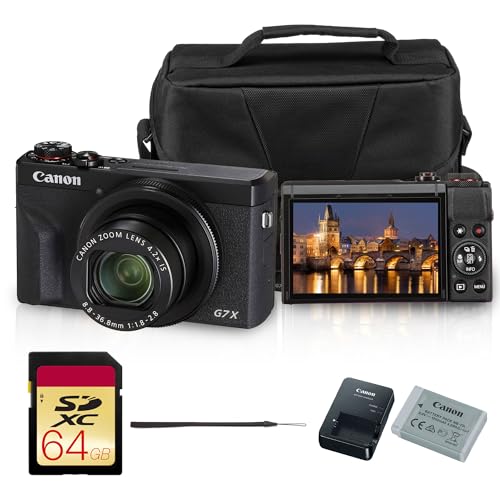
I recently experimented with different frame rates for a short film I was shooting. I tried using 24fps for the main scenes to give it that cinematic vibe, but then switched to 60fps for some action shots. The difference was noticeable! The action scenes looked way smoother. Just a heads up, though, the file sizes really increased with the higher frame rate, so be prepared for that if you're recording a lot.
That's helpful to know! Did you notice any difference in the editing process with the higher frame rate?
Yes, editing higher frame rate footage can be more demanding on your system. Make sure you have enough storage and processing power to handle the larger files smoothly.
What frame rate do professionals usually use for action sports videos? I want to get into that type of filming.