
 Carmen J. Moore

Digital cameras have revolutionized the way we capture and store images. But have you ever wondered how exactly a digital camera acquires an image?


When you press the shutter button on a digital camera, a series of complex processes are set in motion to capture the image. The first step involves the camera’s sensor, which is made up of millions of tiny light-sensitive cells called pixels.
These pixels convert light into electrical signals, which are then processed by the camera’s image processor to create a digital image. The camera’s lens plays a crucial role in focusing the light onto the sensor, ensuring that the image is sharp and clear.
Once the image is captured, it is stored on a memory card in a digital format, ready to be viewed, edited, and shared. Understanding how a digital camera acquires an image can help you appreciate the technology behind this modern marvel.
Understanding the Image Acquisition Process of a Digital Camera
When you press the shutter button on a digital camera, the image acquisition process begins. Here is a step-by-step explanation of how a digital camera acquires an image:
- Light enters the camera lens: The first step in image acquisition is when light enters the camera lens. The lens focuses the light onto the image sensor at the back of the camera.
- Image sensor captures the light: The image sensor, typically a CMOS or CCD sensor, captures the light that has been focused onto it by the lens. Each pixel on the sensor records the intensity of light it receives.
- Analog-to-digital conversion: The analog signal from the image sensor is converted into a digital signal by the camera’s analog-to-digital converter. This process transforms the light intensity captured by each pixel into digital data.
- Image processing: The digital data is processed by the camera’s image processor. This includes tasks such as white balance adjustment, color correction, and noise reduction to produce a high-quality image.
- Storage: The processed image is then stored in the camera’s memory card or internal storage. It can then be previewed on the camera’s display screen or transferred to a computer for further editing or sharing.
Light Enters the Camera Lens
When you press the shutter button on a digital camera, light enters the camera lens. The lens focuses the light onto the image sensor, which is a semiconductor device that converts the light into an electrical signal.

The amount of light that enters the camera lens is controlled by the aperture, which is a set of blades that can open or close to let more or less light in. The aperture size is measured in f-stops, with a lower f-stop letting in more light and a higher f-stop letting in less light.
Once the light has been focused onto the image sensor, the camera processes the electrical signal to create a digital image. This image can then be stored on a memory card or displayed on the camera’s screen.
Lens Focuses Light onto the Image Sensor
Once the light passes through the aperture, it is focused by the camera’s lens onto the image sensor. The lens plays a crucial role in determining the quality and clarity of the final image captured by the camera. By adjusting the focus of the lens, the camera can ensure that the light is properly focused onto the image sensor, resulting in a sharp and well-defined image.
Image Sensor Converts Light into Electrical Signals
Once light enters the camera lens, it reaches the image sensor, which is a key component of a digital camera. The image sensor is typically a CMOS or CCD (Charge-Coupled Device) chip made up of millions of tiny light-sensitive diodes called photosites. Each photosite captures the light that falls on it and converts it into an electrical signal.
These electrical signals are then processed by the camera’s image processor to create a digital image. The amount of light captured by each photosite determines the brightness of the corresponding pixel in the final image. The image sensor plays a crucial role in determining the quality and resolution of the images captured by a digital camera.
Analog-to-Digital Conversion of Signals
When a digital camera captures an image, it first converts the light signals received by the sensor into electrical signals. These electrical signals are initially in analog form, representing the intensity of light at different points on the sensor.
The next step is the analog-to-digital conversion process, where the analog signals are converted into digital data that can be processed and stored by the camera. This conversion is crucial for transforming the continuous analog signal into discrete digital values, which can be manipulated and stored digitally.
Key Steps in Analog-to-Digital Conversion:
- Sampling: The analog signal is sampled at regular intervals to capture its value at specific points in time.
- Quantization: The sampled analog values are quantized into discrete digital values by assigning specific numerical values to represent the signal intensity.
- Coding: The quantized digital values are encoded into binary format for storage and further processing.
Image Processing and Compression
After a digital camera acquires an image, the image goes through several processing steps before being stored or displayed. One crucial step is image compression, which reduces the size of the image file without significantly affecting the quality of the image. This compression process is essential for saving storage space and speeding up the transfer of images.
Image Processing
Image processing involves various techniques to enhance the quality of the image. This can include adjusting brightness, contrast, color balance, and sharpness. Additionally, noise reduction and image stabilization algorithms may be applied to improve the overall appearance of the image.
Image Compression
Image compression techniques reduce the amount of data required to represent an image. This can be achieved through lossy or lossless compression methods. Lossy compression reduces the file size by discarding some image data, while lossless compression retains all the original image information. Popular image compression algorithms include JPEG, PNG, and GIF.
| Compression Method | File Format |
|---|---|
| JPEG | .jpeg, .jpg |
| PNG | .png |
| GIF | .gif |
Storage of the Digital Image
Once the digital camera acquires an image, it needs to be stored in a digital format for later retrieval and processing. The image data is typically saved on a memory card inserted into the camera or transferred to a computer or external storage device via a USB connection or wireless transfer.
Memory Cards
Memory cards come in various formats such as SD, microSD, CompactFlash, and others. They provide a convenient and portable way to store image data and can be easily swapped out for a new card when one is full.
Transfer to Computer or External Storage
Images can also be transferred directly from the camera to a computer or external storage device using a USB cable or wirelessly through Bluetooth or Wi-Fi connections. This allows for easy access to the images for editing, sharing, or printing.
Display or Printing of the Captured Image
Once the image is captured by the digital camera, it can be displayed on the camera’s screen for immediate viewing. The image can also be transferred to a computer or other device for further editing, sharing, or printing.
Displaying the Image:
Most digital cameras come equipped with a built-in screen that allows users to preview the captured images. This screen can vary in size and resolution, but it provides a convenient way to review the photos and ensure they meet the desired quality.

Printing the Image:
To print the captured image, it can be transferred to a computer and then sent to a printer. The image can be printed on various types of paper and in different sizes, depending on the printer’s capabilities. Printing the image allows for physical copies to be shared or displayed.
FAQ
How does a digital camera capture an image?
A digital camera captures an image by using a sensor to convert light into electronic signals. When you press the shutter button, the camera’s sensor is exposed to light, and each pixel on the sensor captures the intensity of light it receives. These light intensities are then converted into digital data, which is processed and stored as an image file.
What is the role of the sensor in a digital camera?
The sensor in a digital camera is responsible for capturing light and converting it into electronic signals. It consists of millions of tiny light-sensitive cells called pixels, which record the intensity of light they receive. The sensor plays a crucial role in determining the quality and resolution of the final image captured by the camera.
How does the lens of a digital camera affect image quality?
The lens of a digital camera plays a significant role in determining the sharpness, clarity, and overall quality of the captured image. A high-quality lens can capture more light, reduce distortion, and produce sharper images with better contrast. Investing in a good lens can greatly enhance the overall performance of a digital camera.
What are the different types of image sensors used in digital cameras?
There are primarily two types of image sensors used in digital cameras: CCD (Charge-Coupled Device) and CMOS (Complementary Metal-Oxide-Semiconductor). CCD sensors are known for their high image quality and low noise levels, while CMOS sensors are more energy-efficient and cost-effective. Both sensor types have their own advantages and are widely used in various digital camera models.


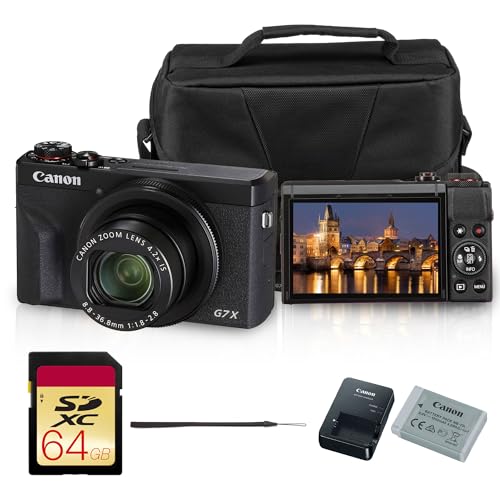
I've been using a DSLR for a few years now, and understanding how the sensor works has definitely improved my photography. I always thought the lens was the main focus, but realizing how the sensor captures light has changed how I approach shooting in different lighting conditions. It's a game-changer when you're out in nature!
Interesting read! I didn’t know that the conversion from analog to digital was such a detailed process. It really highlights how advanced these cameras are.
How does the aperture size affect the image quality? I’ve heard it plays a big role, but I’m not sure how exactly.
The aperture size controls the amount of light entering the camera, which influences exposure and depth of field. A lower f-stop allows more light in, which is great for low-light conditions, while higher f-stops can help achieve greater depth of field, making more of the scene in focus.
I find it hard to believe that image processing can make a significant difference in quality. Aren’t the raw images usually the best to work with?