
 Carmen J. Moore

A digital camera is a device that captures images and stores them electronically. The process of taking a photo with a digital camera involves several steps that work together to produce a high-quality image.
When you press the shutter button, the camera’s lens focuses light onto a sensor, which converts the light into digital data. This sensor is made up of millions of tiny light-sensitive cells called pixels.
Each pixel measures the intensity of light that hits it, and this information is then processed by the camera’s image processor to create a digital image. The more pixels a camera has, the higher the resolution of the resulting image.
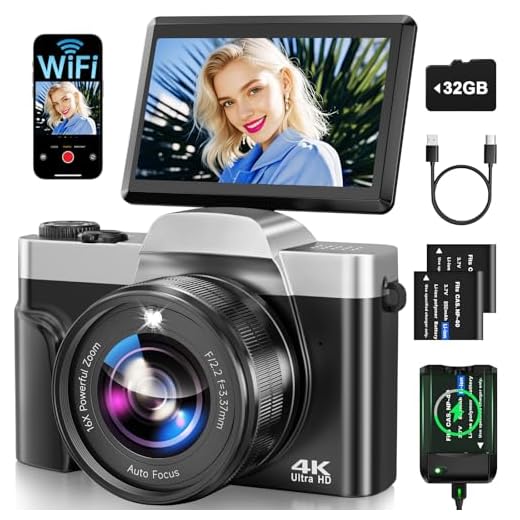

Once the image is captured, it is saved onto a memory card in a file format such as JPEG or RAW. From there, you can transfer the image to a computer or other device for viewing, editing, and sharing.
Understanding the Process of Capturing an Image with a Digital Camera
When you press the shutter button on a digital camera, a series of steps are set in motion to capture the image you see through the lens. Let’s break down the process:
1. Light Enters the Camera
Light enters through the lens of the camera and passes through the aperture, which controls the amount of light that reaches the image sensor.
2. Image Sensor Captures the Light
The light that passes through the lens is captured by the image sensor, which is made up of millions of tiny light-sensitive pixels.
- The image sensor converts the light into electrical signals.
- Each pixel records a specific color and brightness value.
These electrical signals are then processed by the camera’s processor to create a digital image.

Light Enters the Camera Lens
When you press the shutter button on a digital camera, light enters the camera lens. The lens focuses the incoming light onto the image sensor, which is a crucial component in capturing the image.
The image sensor is made up of millions of tiny light-sensitive cells called pixels. Each pixel records the intensity of light that hits it, creating a digital representation of the image.
Light is Focused on the Image Sensor
Once the light passes through the lens, it is directed to the image sensor inside the camera. The lens focuses the light onto the sensor, which is made up of millions of tiny light-sensitive cells called pixels.
Each pixel on the sensor converts the light it receives into an electrical signal. The amount of light hitting each pixel determines the brightness and color of that specific point in the image.
Image Sensor Converts Light into Electrical Signals
One of the key components of a digital camera is the image sensor. When you press the shutter button to take a photo, light enters the camera through the lens and hits the image sensor. The image sensor is made up of millions of tiny light-sensitive cells called photosites. Each photosite converts the light that hits it into an electrical signal.
The amount of light that hits each photosite is determined by factors such as the aperture and shutter speed settings on the camera. Once the light is converted into electrical signals, the camera’s processor processes this information to create a digital image.
The image sensor plays a crucial role in capturing the details and colors of the scene being photographed. Different types of image sensors, such as CMOS and CCD sensors, have their own advantages and disadvantages, influencing the quality of the final image.
Digital Signal Processor Processes the Electrical Signals
Once the image is captured by the image sensor, it is converted into electrical signals. These electrical signals are then processed by a digital signal processor (DSP). The DSP is responsible for enhancing the image quality, adjusting the exposure, color balance, and other image parameters. It also performs various image processing tasks such as noise reduction, sharpening, and image compression.
The DSP plays a crucial role in producing high-quality images by analyzing and manipulating the electrical signals from the image sensor. It processes the data quickly and efficiently to ensure that the final image meets the desired quality standards.
Processed Signals are Converted into Digital Image
After the digital sensor captures the light and processes it into electronic signals, these signals are then converted into a digital image. This conversion is achieved through a series of complex algorithms that interpret the electronic signals and transform them into a visual representation that we recognize as a photograph.
The Analog-to-Digital Conversion Process
One critical step in this process is the analog-to-digital conversion, where the continuous electronic signals generated by the sensor are converted into discrete digital values. This conversion is essential for storing and manipulating the image data in a digital format.
During this conversion process, the electronic signals are quantized and assigned specific digital values based on their intensity levels. These digital values then form the pixels that make up the digital image, with each pixel containing information about the color and intensity of a specific point in the image.
Through this intricate conversion process, the digital camera transforms the captured light into a digital image that can be stored, edited, and shared with others.
Digital Image is Stored on a Memory Card
Once the digital camera captures an image, the data is processed and converted into a digital format. This digital image is then stored on a memory card inside the camera. Memory cards come in different capacities, ranging from a few gigabytes to several terabytes, allowing users to store a large number of photos and videos.
Memory cards use flash memory technology to store data, which allows for quick read and write speeds. This means that the digital image is saved onto the memory card almost instantaneously, ready for viewing or transferring to a computer or other device.

Memory cards are removable, making it easy to transfer images from the camera to a computer or printer. Users can also swap out memory cards to continue taking photos when one card is full. Additionally, memory cards are durable and resistant to damage, ensuring that your precious photos are safe and secure.
FAQ
How does a digital camera capture an image?
A digital camera captures an image by focusing light through the lens onto a digital sensor. The sensor then converts the light into an electrical signal, which is processed by the camera’s processor to create a digital image.
What is the function of the lens in a digital camera?
The lens in a digital camera focuses light onto the image sensor, helping to create a sharp and clear image. Different lenses can provide various focal lengths and apertures, affecting the final look of the photograph.
Can you explain the role of the image sensor in a digital camera?
The image sensor in a digital camera converts light into an electrical signal. It is a crucial component that determines the quality and resolution of the final image. There are different types of sensors, such as CCD and CMOS, each with its unique characteristics.
How does the camera processor process the image data?
The camera processor processes the image data by converting the electrical signals from the sensor into a digital format. It then applies various algorithms for color correction, noise reduction, and other adjustments to produce a final image file that can be stored or displayed.
What is the difference between optical zoom and digital zoom in a digital camera?
Optical zoom physically adjusts the lens to magnify an image, providing higher quality zoom without losing detail. Digital zoom, on the other hand, enlarges the image digitally, resulting in a loss of image quality as it simply crops and enlarges the existing pixels.


I found it interesting that the number of pixels affects image resolution. More pixels generally mean better quality, right?
I've been using a digital camera for years, and I love how quickly it processes images. Just wish my older model had a better sensor.
Can someone explain how the image gets stored on the memory card? I know it’s quick, but what kind of technology does that involve?
The digital image is saved using flash memory technology. It allows for rapid read and write speeds, which is why images are stored almost instantly after being captured.
I disagree that digital zoom is completely inferior to optical zoom. Sometimes, using digital zoom can still yield decent results if you just need a quick shot.
I see your point, but I've noticed that digital zoom often leads to pixelation, especially in detailed images.
What exactly happens when you press the shutter button? I know it starts the process, but what are the specific steps that occur right after?
I'm curious about the differences between CCD and CMOS sensors. I've read that CMOS sensors are more power-efficient, but CCD sensors produce better quality images. Is that true?
Yes, that's generally accurate. CMOS sensors are often more power-efficient and allow for faster readout speeds, while CCD sensors tend to offer better image quality, especially in low-light conditions.