
 Carmen J. Moore

A digital camera captures moments in time and transforms them into digital images that we can view and share. But have you ever wondered how this process actually works?

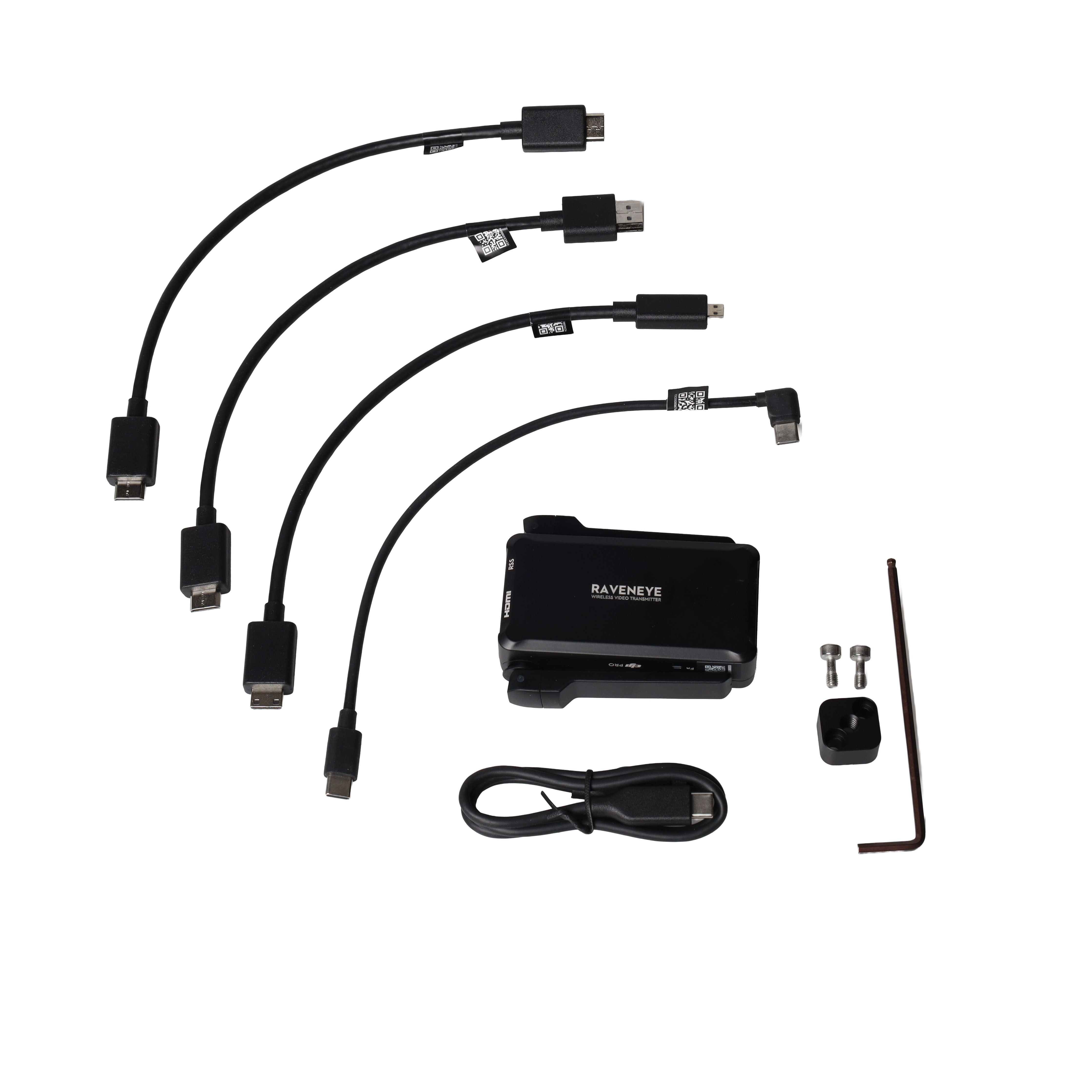
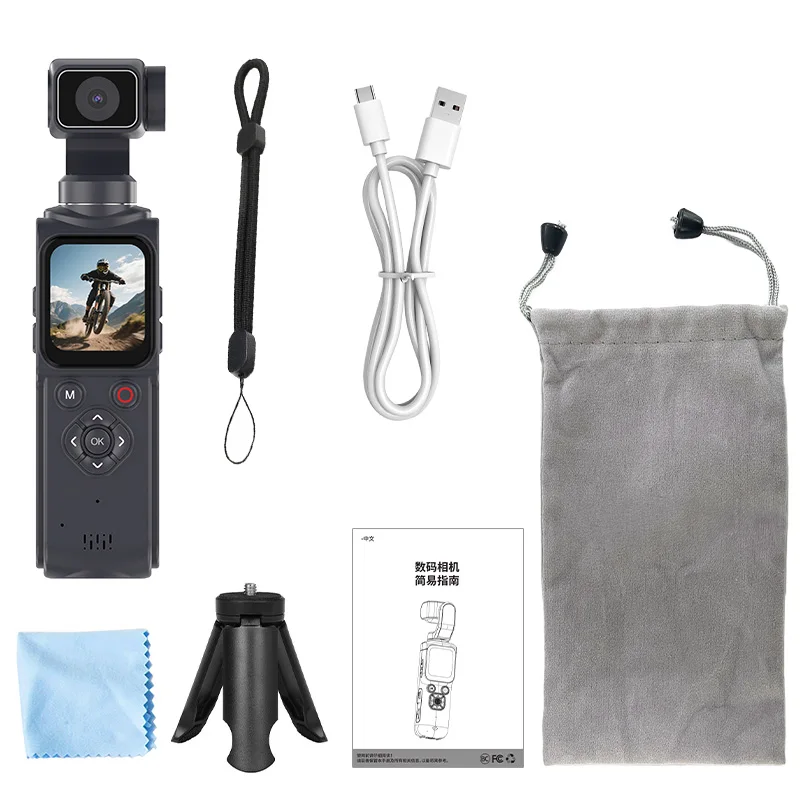
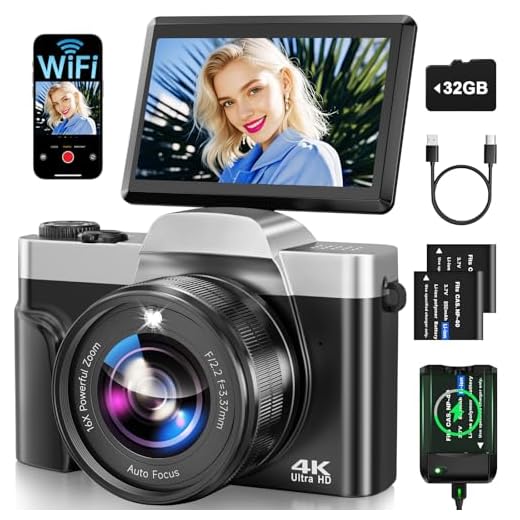
When you press the shutter button on a digital camera, light enters through the lens and hits a sensor made up of millions of tiny light-sensitive cells called pixels. These pixels convert the light into electrical signals, which are then processed by the camera’s image processor.
The image processor analyzes the data from the pixels, applies various algorithms to enhance the image quality, and saves the image in a digital format such as JPEG or RAW. This digital file can then be transferred to a computer or printed out as a physical photograph.
The Process of Capturing an Image
When you press the shutter button on a digital camera, several processes are set in motion to capture an image. Here is an overview of how a digital camera captures an image:
1. Light Enters the Camera
Light enters the camera through the camera lens. The lens focuses the light onto the image sensor, which is made up of millions of light-sensitive pixels.
2. Image Sensor Converts Light into Digital Signals
Each pixel on the image sensor converts the incoming light into an electrical signal. The intensity of the light determines the strength of the electrical signal produced by each pixel.

Fun Fact: The image sensor is like the digital equivalent of film in a traditional camera.
Light enters the lens
When you press the shutter button on a digital camera, light enters the camera through the lens. The lens focuses the light onto the image sensor, which is made up of millions of tiny light-sensitive cells called pixels.
How the lens works
The lens of a digital camera works by bending light rays to converge at a single point, creating a sharp image on the image sensor. The type of lens and its quality can affect how well the image is focused and how much light reaches the sensor.
Role of aperture
The aperture of the lens controls the amount of light that enters the camera. By adjusting the aperture size, you can control the depth of field and the brightness of the image. A larger aperture lets in more light, while a smaller aperture reduces the amount of light.
Image sensor receives light
Once the light passes through the camera lens, it hits the image sensor, which is a crucial component of a digital camera. The image sensor is made up of millions of light-sensitive cells, typically either CCD (Charge-Coupled Device) or CMOS (Complementary Metal-Oxide-Semiconductor) sensors.
These sensors convert the light that hits them into electrical signals. Each cell in the image sensor corresponds to a pixel in the final image, and the intensity of the light hitting each cell determines the brightness of the corresponding pixel.
CCD vs. CMOS sensors
CCD sensors use a complex manufacturing process and are known for producing high-quality images with low noise levels. On the other hand, CMOS sensors are more cost-effective and power-efficient, making them popular in many digital cameras.
| CCD sensor | CMOS sensor |
|---|---|
| Complex manufacturing process | Cost-effective and power-efficient |
| High-quality images with low noise | Popular in many digital cameras |
Conversion of light into electrical signals
When light enters the lens of a digital camera, it hits the image sensor, which is made up of millions of light-sensitive diodes called photosites. Each photosite converts the incoming light into an electrical signal. The brighter the light that hits a photosite, the stronger the electrical signal it generates. This process is known as photoelectric conversion.
The electrical signals from all the photosites are then processed by the camera’s image processor, which combines the signals to create a digital representation of the image. This digital image is then stored on the camera’s memory card for later retrieval and viewing.
Digital processing of the signals
Once the image sensor captures the light and converts it into electrical signals, the digital camera processes these signals to create a digital image. This process involves several key steps:
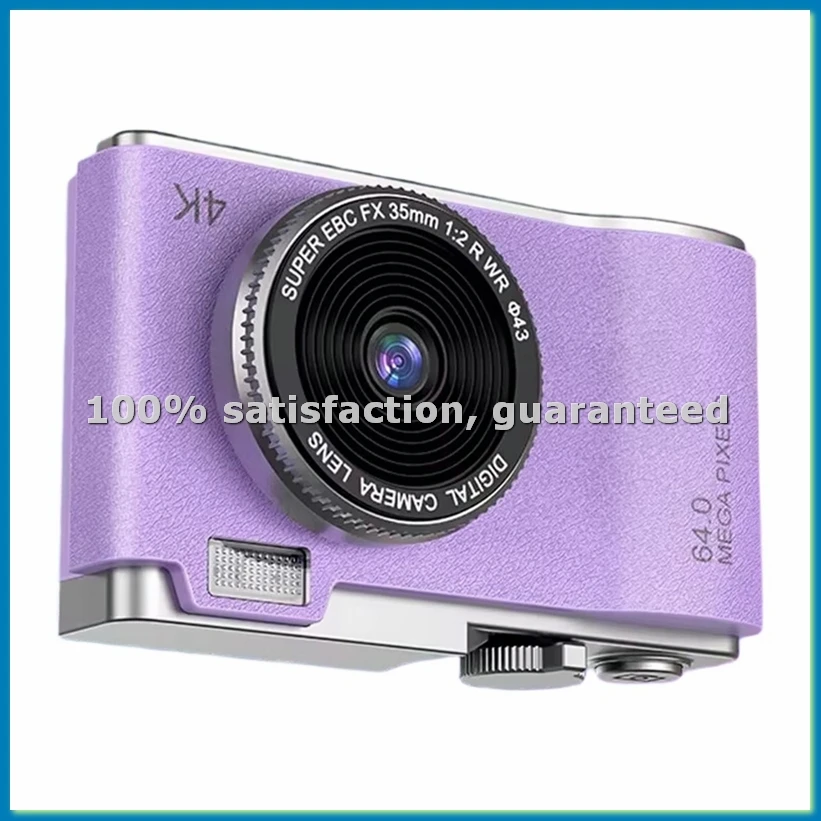
1. Analog-to-Digital Conversion (ADC)
The analog signals generated by the image sensor are converted into digital data through an Analog-to-Digital Converter (ADC). This conversion process assigns a digital value to each pixel based on the intensity of light it captured.
2. Image Processing
After the ADC, the digital camera applies image processing algorithms to enhance the quality of the image. This can involve tasks such as noise reduction, white balance adjustment, sharpening, and color correction.
| 3. Compression | Before storing or transmitting the digital image, the camera may compress the data to reduce file size. This can be done using lossy or lossless compression techniques to maintain image quality while saving storage space. |
Color interpolation
Compression of the image data
Once the digital camera captures an image, the raw data needs to be compressed to reduce the file size and make it more manageable for storage and sharing. Compression algorithms are used to achieve this process efficiently.
Lossless compression: This method retains all the original image data when compressing the file size. It achieves compression by eliminating redundant data and storing information more efficiently. Lossless compression is ideal for preserving image quality, but it may not reduce the file size significantly.
Lossy compression: This technique sacrifices some image quality to achieve higher compression ratios. It achieves this by discarding some image data that may not be noticeable to the human eye. Lossy compression is commonly used in digital cameras to reduce file sizes without a significant loss in image quality.

By utilizing compression techniques, digital cameras can store and transfer images more efficiently while maintaining a balance between file size and image quality.
Storage of the processed image
Once the digital camera has processed the captured image, it needs to store it for future use or transfer. The processed image data is typically saved onto a memory card or internal storage within the camera. The storage medium used can vary depending on the camera model and user preferences. Memory cards such as SD cards or CompactFlash cards are commonly used for this purpose.
The processed image is typically saved in a specific file format such as JPEG, RAW, or TIFF. These file formats contain all the necessary information to reproduce the image accurately. JPEG is a compressed format that is widely supported and suitable for most purposes. RAW format preserves all the original data captured by the camera without any compression, allowing for more flexibility in post-processing. TIFF is a lossless format that maintains high image quality but results in larger file sizes.
| File Format | Description |
|---|---|
| JPEG | Compressed format suitable for general use |
| RAW | Uncompressed format preserving all original data |
| TIFF | Lossless format with high image quality |
Displaying the image on screen
Once the digital camera captures an image, it processes the data and converts it into a digital format. This digital image is then stored on the camera’s memory card. To display the image on the camera’s screen, the camera’s display system reads the digital image data from the memory card. The camera’s processor then decodes the data and sends it to the screen, where it is rendered pixel by pixel to create a visual representation of the captured image. The camera’s display technology, such as LCD or OLED, plays a crucial role in presenting the image with accurate colors and details.
Printing the final image
Once the digital camera processes the image and saves it to a memory card, the user can transfer it to a computer for further editing or printing. Printing the final image involves converting the digital file into a physical print.
There are several ways to print the image. One common method is to use a home printer that supports photo printing. The user can connect the printer to the computer and select the image file to print. The printer will then use ink and paper to reproduce the digital image onto a physical photo paper.
Alternatively, the user can take the digital file to a professional printing service or a photo lab. These services have high-quality printers and paper that can produce professional-grade prints. The user can choose the size and quality of the print, and the service will handle the printing process.
FAQ
How does a digital camera capture an image?
A digital camera captures an image by using a sensor made up of millions of light-sensitive pixels. When light enters the camera through the lens, it hits the sensor and each pixel records the intensity of light it receives. This data is then processed to create a digital image.
What happens to an image after it is captured by a digital camera?
After an image is captured by a digital camera, it goes through a series of processing steps. The raw data from the sensor is processed by the camera’s image processor, where it is converted into a recognizable image format such as JPEG. During this process, adjustments like white balance, exposure, and color saturation can be applied to enhance the image quality. The final processed image is then stored on the camera’s memory card for viewing or further editing.


I recently switched from a CCD to a CMOS sensor camera. The difference in battery life is noticeable!
That's a great observation! CMOS sensors are indeed more power-efficient, which can be a big advantage for longer shooting sessions.
I'm curious about how the aperture affects image quality. Can someone explain how changing the aperture size impacts the final photo?