
 Carmen J. Moore

A compact digital camera is a marvel of modern technology, allowing users to capture high-quality images with ease and convenience. But have you ever wondered how these devices actually work?
At the heart of a compact digital camera is a digital image sensor, typically a CCD or CMOS chip, which captures light and converts it into digital data. When you press the shutter button, the camera’s lens focuses light onto the sensor, where each pixel records the intensity of the light it receives.
Once the image is captured, the camera’s processor processes the digital data, applying color filters and other adjustments to create a final image. This image is then stored on a memory card for later viewing or printing.



Understanding the Basics
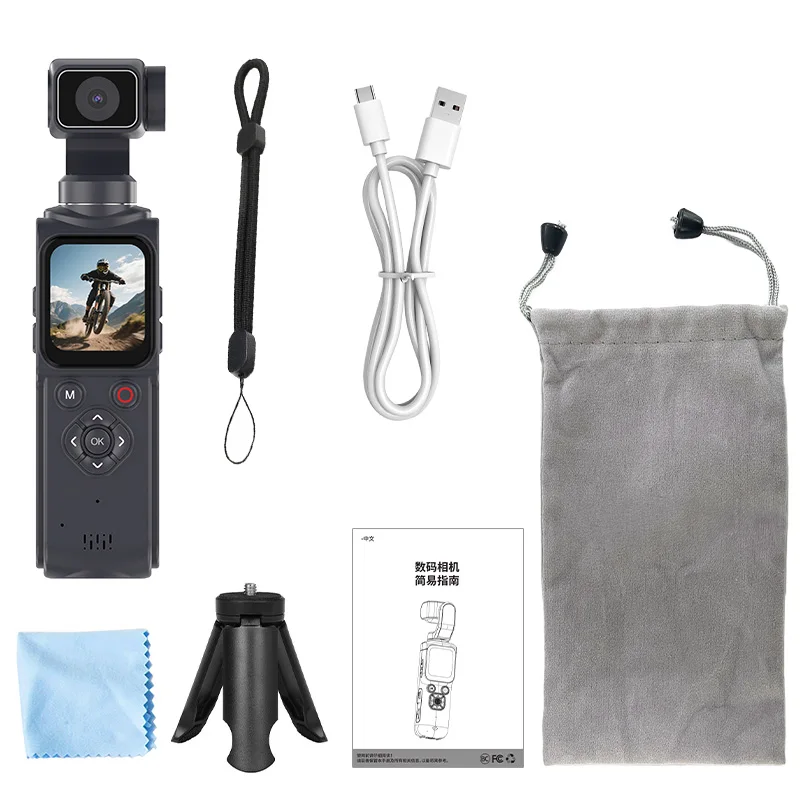
A compact digital camera operates by capturing light through its lens and converting it into a digital image that can be stored on a memory card. The process involves several key components working together seamlessly.
Image Sensor
The image sensor is a crucial part of the camera that converts light into electronic signals. Most compact digital cameras use a CCD or CMOS sensor to capture the image. The sensor’s size and quality play a significant role in determining the camera’s image quality.
Lens and Aperture
The lens of a compact digital camera focuses light onto the image sensor. The aperture controls the amount of light that passes through the lens, affecting the exposure of the image. Adjusting the aperture settings can help achieve the desired depth of field in the photograph.
| Memory Card | The captured digital images are stored on a memory card inserted into the camera. The memory card’s capacity determines how many photos can be saved and transferred to a computer or other device. |
| Processor | The camera’s processor processes the digital information from the image sensor and memory card, enabling various camera functions such as autofocus, exposure control, and image stabilization. |
Exploring the Lens
The lens of a compact digital camera is a crucial component that helps capture sharp and clear images. The lens works by focusing light onto the image sensor, which then converts the light into digital data. Here are a few key points to understand about the lens:
- Zoom Capability: Compact digital cameras often come with zoom lenses that allow you to adjust the focal length for closer or farther shots. This feature is useful for capturing a wide range of subjects.
- Aperture: The aperture of the lens controls the amount of light that enters the camera. A wider aperture lets in more light, which is useful in low-light conditions, while a narrower aperture is ideal for bright lighting situations.
- Focusing Mechanism: Most compact digital cameras use autofocus systems to quickly and accurately focus on the subject. Some cameras also offer manual focus options for more precise control.
- Lens Quality: The quality of the lens plays a significant role in determining the overall image quality. Higher-quality lenses can produce sharper images with better color reproduction and reduced distortion.
Understanding how the lens of a compact digital camera works can help you make the most of its capabilities and improve your photography skills.
Interpreting the Sensor
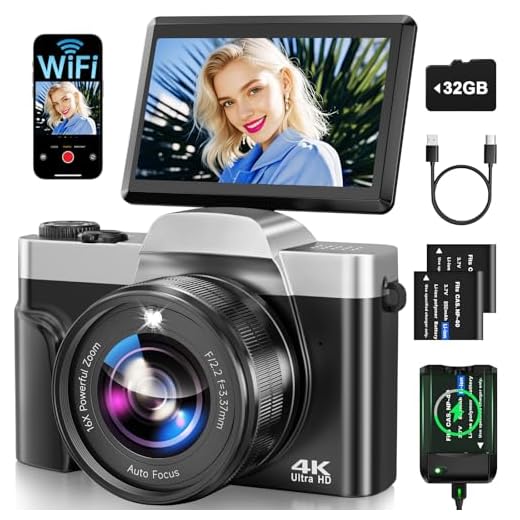
The sensor in a compact digital camera is a crucial component that captures the light and converts it into an electronic signal. The sensor is made up of millions of tiny light-sensitive elements called pixels. Each pixel measures the intensity of light falling on it and records it as a numerical value.
When you press the shutter button, the sensor captures the image by scanning the scene and converting the light information into digital data. The sensor then processes this data to create a digital image file that can be saved on a memory card.
Types of Sensors:
- CCD (Charge-Coupled Device): These sensors are known for their high image quality and low noise levels. They are commonly found in older digital cameras.
- CMOS (Complementary Metal-Oxide-Semiconductor): CMOS sensors are more common in modern digital cameras due to their lower power consumption and faster processing speeds.
Understanding how the sensor works is essential for capturing high-quality images with your compact digital camera.
Deciphering the Image Processor
The image processor is the brain of a compact digital camera. It plays a crucial role in converting the optical input from the camera’s lens into a digital image that can be stored and displayed. The image processor processes the raw image data captured by the camera’s sensor, applying algorithms to enhance color, contrast, and sharpness, as well as reducing noise and distortion.
Additionally, the image processor handles tasks such as autofocus, image stabilization, and face detection. It also controls the camera’s exposure settings, white balance, and image compression. The speed and efficiency of the image processor directly impact the camera’s performance, including its shooting speed, image quality, and overall functionality.
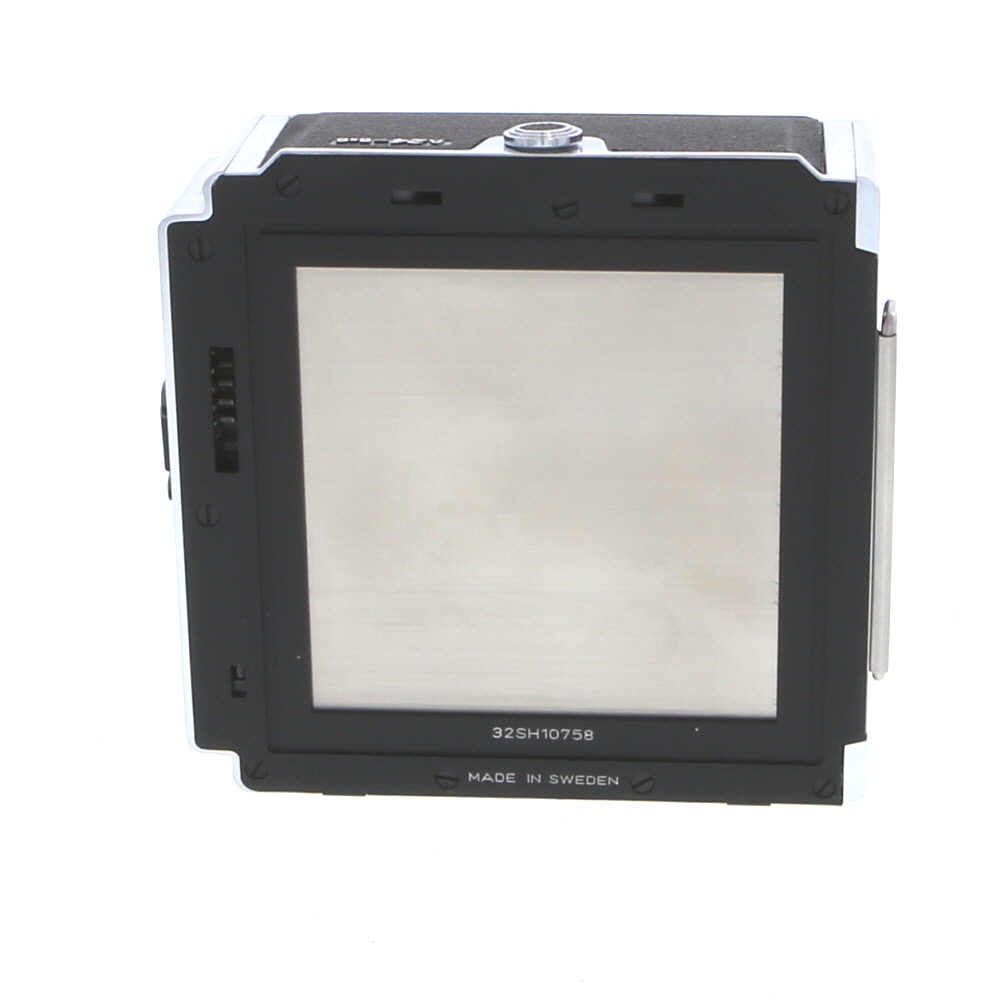
Modern image processors are equipped with advanced features like scene recognition, HDR processing, and real-time filters. They are continuously evolving to keep pace with technological advancements and user demands, making them a key component in the operation of a digital camera.
Working Mechanism
A compact digital camera works by capturing light through its lens and converting it into digital data that can be stored on a memory card. When you press the shutter button, the camera’s sensor captures the light that passes through the lens. The sensor then converts this light into an electrical signal, which is processed by the camera’s image processor to create a digital image.
The digital image is then saved onto a memory card inside the camera. The camera’s software controls settings such as aperture, shutter speed, and ISO to ensure the best possible image quality. The user can then transfer the digital images to a computer or other device for viewing or sharing.
Initiating the Shutter Button
When you press the shutter button on a compact digital camera, it initiates a series of events that result in capturing the image. Here’s how it works:
1. Focus and Exposure
First, the camera focuses on the subject by adjusting the lens to ensure a sharp image. It also calculates the appropriate exposure settings based on the available light.
2. Shutter Release
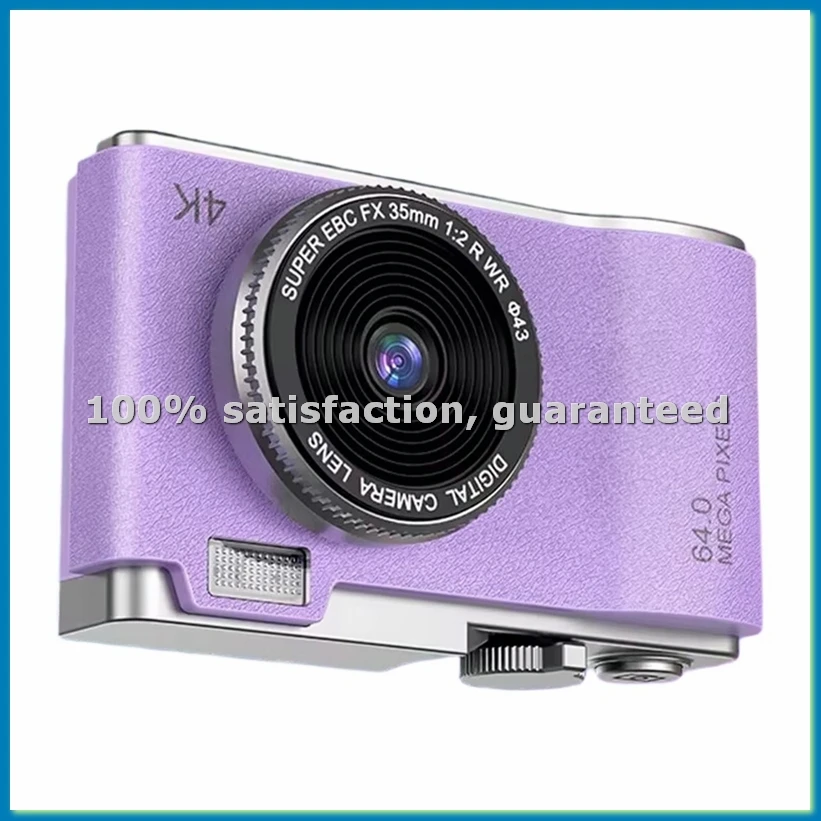
When you press the shutter button all the way down, it triggers the camera to open the shutter for a specific amount of time (shutter speed), allowing light to reach the image sensor.
| Camera Action | Result |
| Shutter Opens | Light hits the image sensor |
| Image Sensor Captures Light | Image data is recorded |
Capturing the Light
One of the key components of a compact digital camera is the image sensor, which captures light and converts it into digital signals. When you press the shutter button, the camera’s lens opens to allow light to pass through onto the image sensor.
The image sensor is made up of millions of tiny light-sensitive cells called pixels. Each pixel captures the light that falls on it and converts it into an electric signal. The camera then processes these signals to create a digital image.
The amount of light that reaches the image sensor is controlled by the aperture of the lens. The aperture is like the pupil of the camera, adjusting in size to let more or less light in. This allows the camera to capture images in different lighting conditions.
Once the light is captured and converted into digital signals, the camera’s processor processes the data to adjust the colors, contrast, and sharpness of the image. This processing helps create a high-quality digital image that can be stored on a memory card or displayed on a screen.

Processing the Image
Once the light passes through the lens and hits the image sensor, the camera’s processor takes over. The processor works to convert the raw data captured by the sensor into a digital image. This involves various steps such as demosaicing, noise reduction, color correction, and image sharpening.
Demosaicing
Demosaicing is the process of interpolating the colors of individual pixels based on the color information captured by the sensor. Since most digital cameras use a Bayer filter pattern (arrangement of red, green, and blue filters over the sensor), demosaicing helps create a full-color image from the filtered data.
Noise Reduction and Color Correction
After demosaicing, the processor applies noise reduction algorithms to minimize any unwanted artifacts in the image. It also corrects color inaccuracies to ensure the final image accurately reflects the colors of the scene.
Once all the processing steps are completed, the final image is saved to the camera’s memory card for viewing and sharing.
FAQ
How does a compact digital camera capture images?
A compact digital camera captures images by using a sensor to convert light into electronic signals. When you press the shutter button, the camera’s sensor captures the light that enters through the camera lens and converts it into digital data, which is then processed and stored as an image file on a memory card.
What is the role of the lens in a compact digital camera?
The lens in a compact digital camera is responsible for focusing light onto the camera’s sensor. It plays a crucial role in determining the quality of the image captured by the camera, as the lens helps to control factors such as sharpness, depth of field, and distortion in the final image.
How does the autofocus feature work in a compact digital camera?
The autofocus feature in a compact digital camera uses sensors to measure the distance between the camera and the subject. The camera then adjusts the lens to bring the subject into sharp focus automatically. This feature allows users to capture clear and sharp images without having to manually adjust the focus.
What is the difference between optical and digital zoom in a compact digital camera?
Optical zoom in a compact digital camera involves physically adjusting the lens to magnify the image, resulting in high-quality zoomed-in photos. Digital zoom, on the other hand, relies on software to crop and enlarge a portion of the image, which can lead to a decrease in image quality as the image is essentially being stretched digitally.
How does image stabilization work in a compact digital camera?
Image stabilization in a compact digital camera helps reduce blurriness caused by camera shake or hand movement during image capture. This feature can be optical or digital, with optical stabilization physically adjusting the lens elements to compensate for movement, while digital stabilization processes the image data to reduce blur digitally.


I’m curious about the differences between CCD and CMOS sensors. Which one is better for low-light photography?
From what I understand, CCD sensors generally perform better in low light, but CMOS sensors have improved a lot and are often more efficient. It depends on the specific camera.
It’s interesting how compact cameras can produce such high-quality images. I love how portable they are for travel!
I recently bought a compact digital camera and really appreciate how straightforward it is to use. I love the zoom feature, which lets me capture details from far away. However, I still struggle a bit with adjusting the aperture settings. Any tips for a beginner?
I recommend starting in automatic mode to get a feel for how the aperture works. Once you’re comfortable, try experimenting with manual settings in different lighting to see the impact.