
 Carmen J. Moore

Astrophotography is a fascinating and rewarding hobby that allows you to capture the beauty of the night sky in stunning detail. With the advancement of digital SLR cameras, it has become easier than ever to take amazing photos of the stars, planets, and galaxies.
This guide is designed to help beginners and enthusiasts alike get started with astrophotography using their digital SLR cameras. Whether you’re interested in capturing the Milky Way, the moon, or deep-sky objects, this guide will provide you with the knowledge and techniques you need to take your astrophotography skills to the next level.
In this PDF guide, you will learn about the equipment you need, the best camera settings for astrophotography, how to plan and set up your shots, and tips for processing your images to bring out the best in your photos. So grab your camera, head outside, and start capturing the wonders of the night sky!
Understanding the Basics
Before diving into the world of astrophotography with your digital SLR camera, it’s important to understand the basics. Here are a few key concepts to keep in mind:



1. Camera Settings
Make sure you familiarize yourself with your camera’s settings, including ISO, aperture, and shutter speed. These settings will have a significant impact on your astrophotography results.
2. Understanding Exposure
Exposure is crucial in astrophotography. Learn how to properly expose your images to capture the beauty of the night sky. Experiment with different exposure times to find the perfect balance.
Choosing the Right Equipment
When it comes to astrophotography with a digital SLR camera, choosing the right equipment is crucial for capturing stunning images of the night sky. Here are some key factors to consider when selecting your gear:
Camera
Look for a DSLR camera with a high ISO range, low noise performance, and the ability to shoot in RAW format for maximum flexibility in post-processing. Full-frame sensors are ideal for capturing wide-field views of the night sky.
Lenses
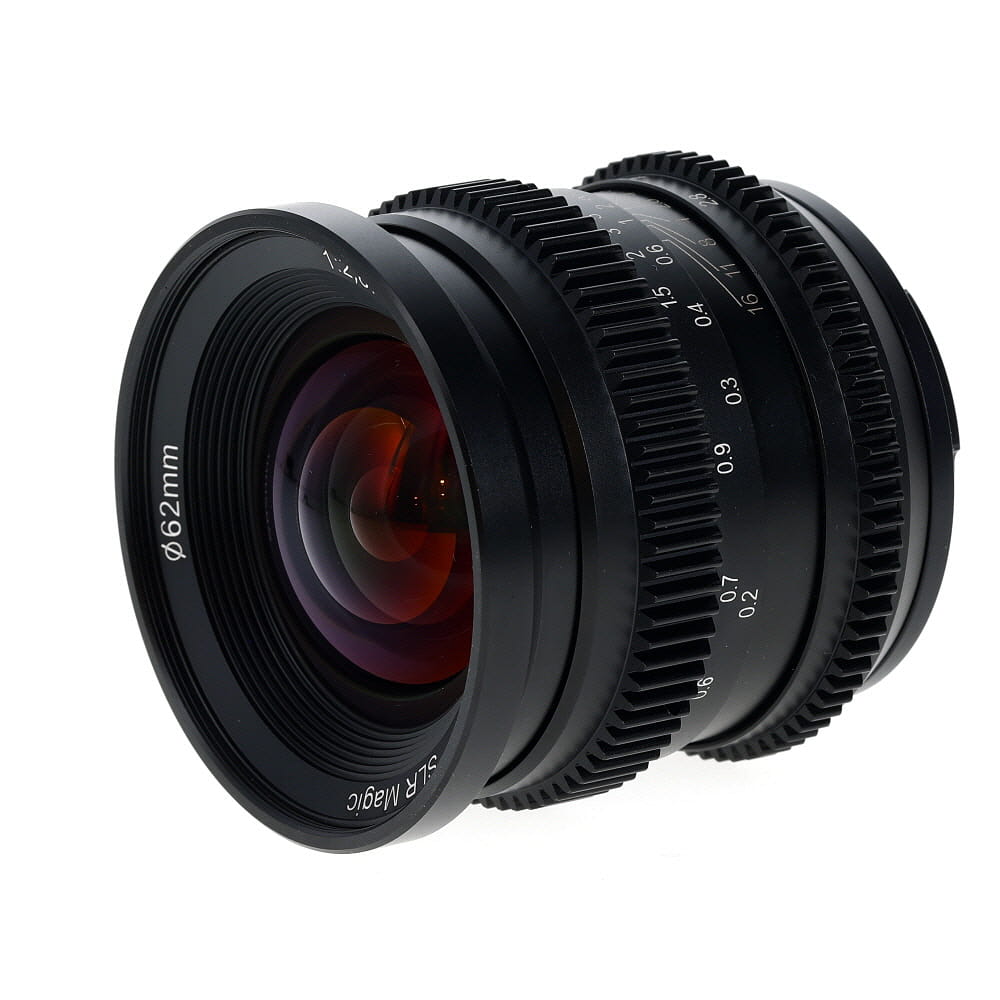
Invest in high-quality lenses with wide apertures (f/2.8 or wider) to gather as much light as possible for astrophotography. Wide-angle lenses are great for capturing the Milky Way and expansive night sky scenes.
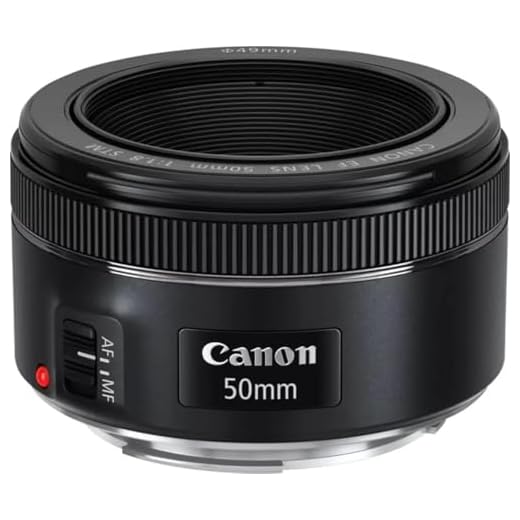
| Camera: DSLR with high ISO range and low noise performance | Lenses: High-quality lenses with wide apertures |
| Accessories: Tripod, remote shutter release, and intervalometer | Software: Post-processing software like Adobe Photoshop or Lightroom |
Setting Up Your Digital SLR Camera
Before starting your astrophotography session, it is crucial to set up your digital SLR camera properly. Follow these steps to ensure you capture stunning images of the night sky:
- Choose the right lens: Select a wide-angle lens with a low f-stop for capturing more light and wider views of the night sky.
- Set your camera to manual mode: Switch your camera to manual mode to have full control over the exposure settings.
- Adjust the focus: Switch your lens to manual focus mode and set it to infinity to ensure sharp images of stars and celestial objects.
- Set the ISO: Start with a low ISO setting (e.g., 400) to minimize noise in your images. Adjust as needed based on the brightness of the night sky.
- Choose the aperture: Select a wide aperture (e.g., f/2.8) to allow more light to enter the camera and capture brighter stars and nebulae.
- Set the shutter speed: Experiment with different shutter speeds to find the right balance between capturing enough light and avoiding star trails.
- Use a tripod: Mount your camera on a sturdy tripod to prevent camera shake and ensure sharp images during long exposure shots.
By following these steps and adjusting your camera settings accordingly, you will be ready to start capturing breathtaking images of the night sky with your digital SLR camera.
Camera Settings for Astrophotography
When setting up your digital SLR camera for astrophotography, there are a few key settings you’ll need to adjust to capture stunning images of the night sky. Here are some essential camera settings to consider:
1. Manual Mode:
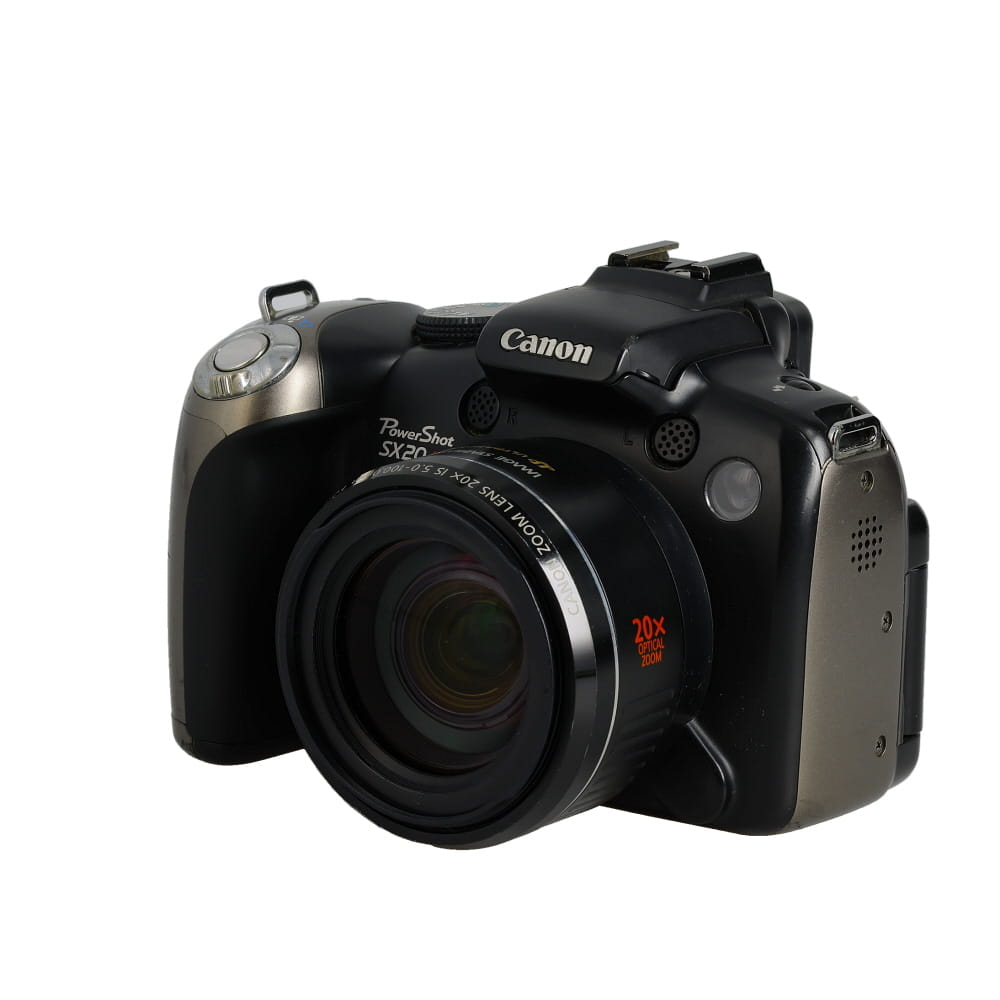
Switch your camera to manual mode to have full control over settings like aperture, shutter speed, and ISO. This allows you to adjust each setting to suit the conditions of the night sky.
2. Aperture:
Use a wide aperture (low f-stop) to capture more light from distant stars and galaxies. A lower f-stop will also create a shallower depth of field, making the stars appear more in focus.
3. Shutter Speed:
For astrophotography, use a slower shutter speed to allow more light to enter the camera sensor. Experiment with different shutter speeds to find the right balance between capturing light and avoiding star trails.
4. ISO:
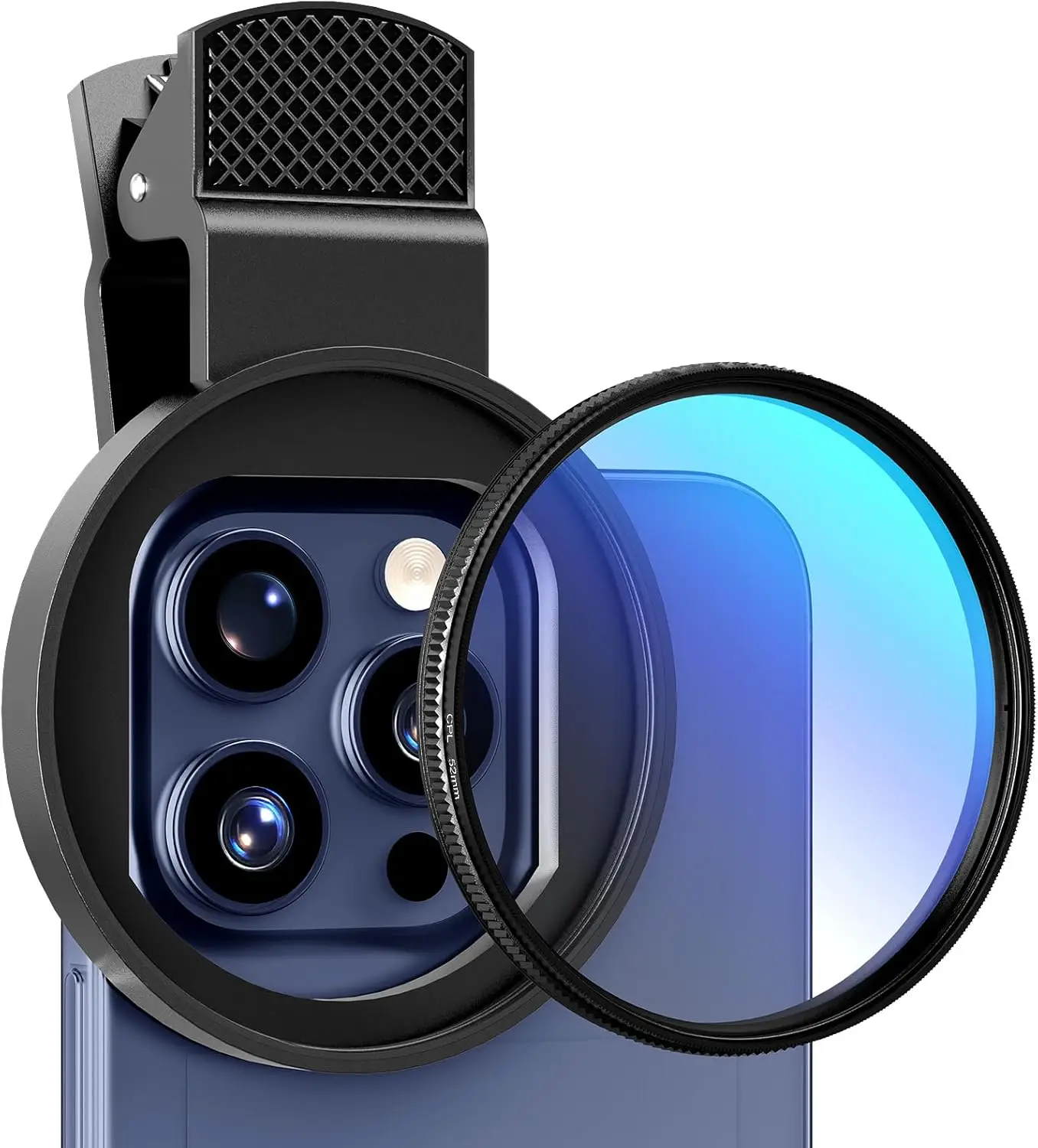
Set your ISO to a higher value to increase the camera’s sensitivity to light. Be cautious not to set it too high, as this can introduce noise into your images. Find the optimal ISO setting for your specific camera model.
5. Manual Focus:
Switch your lens to manual focus mode and adjust the focus ring until the stars appear sharp in your viewfinder or live view display. Use the camera’s zoom function to fine-tune the focus for precise results.
6. Long Exposure Noise Reduction:
Consider enabling the long exposure noise reduction feature on your camera to reduce noise in long exposure shots. This feature can help improve the overall quality of your astrophotography images.

By adjusting these camera settings and experimenting with different configurations, you can capture breathtaking images of the night sky with your digital SLR camera.
Choosing the Best Locations
When it comes to astrophotography with digital SLR cameras, selecting the right location is crucial for capturing stunning images of the night sky. Here are some key factors to consider when choosing the best locations:
1. Light Pollution
Find a location away from city lights and light pollution to ensure clear and crisp images of the stars and galaxies. Light pollution can wash out the details in the night sky, so look for dark sky areas or national parks for optimal conditions.
2. Altitude and Weather
Higher altitudes typically offer clearer skies and less atmospheric distortion, making them ideal for astrophotography. Check the weather forecast to avoid cloudy or hazy conditions that can affect the quality of your shots.
| Location | Light Pollution Level | Altitude |
|---|---|---|
| Dark Sky Reserve | Low | High |
| Mountaintop Observatory | Minimal | High |
| Desert Landscape | Low | Medium |
Tips for Capturing Stunning Images
1. Choose the right location: Find a spot away from light pollution to capture clear and vibrant images of the night sky.
2. Use a sturdy tripod: Stability is key when capturing long exposure shots, so make sure your camera is securely mounted on a tripod.
3. Experiment with different settings: Play around with your camera’s manual settings to find the perfect combination of ISO, aperture, and shutter speed for astrophotography.
4. Consider using a remote shutter release: This will help minimize camera shake and ensure sharp images, especially during long exposures.
5. Practice patience: Astrophotography requires time and dedication, so be prepared to spend hours capturing the perfect shot.
6. Edit your images: Post-processing can enhance the colors and details in your astrophotography shots, so don’t be afraid to experiment with editing software.

Post-Processing Techniques
Post-processing is a crucial part of astrophotography with digital SLR cameras. After capturing your images, it’s important to enhance them through various editing techniques to bring out the best in your photos. Here are some post-processing techniques to consider:
1. Noise Reduction: Use noise reduction tools to reduce the noise in your images caused by high ISO settings or long exposures.
2. Contrast and Color Adjustments: Adjust the contrast and color levels to make your images more vibrant and appealing.
3. Sharpening: Sharpen your images to enhance the details and make the stars and other celestial objects stand out.
4. Cropping and Framing: Crop your images to remove any distractions and improve the composition of your photos.

5. Stacking: Consider stacking multiple images to reduce noise and improve the overall quality of your astrophotographs.
By using these post-processing techniques, you can take your astrophotography to the next level and create stunning images of the night sky with your digital SLR camera.
Resources for Further Learning
Here are some additional resources to help you further your astrophotography skills:
| 1. Online Courses | Explore online courses on astrophotography offered by platforms like Udemy, Coursera, and Skillshare. These courses cover a wide range of topics from beginner to advanced techniques. |
| 2. Books | Check out books like “The Astrophotography Manual” by Chris Woodhouse or “Astrophotography” by Thierry Legault for in-depth knowledge and tips on capturing stunning images of the night sky. |
Online Communities
Join online forums and communities like Cloudy Nights or Reddit’s r/astrophotography to connect with fellow astrophotographers, share your work, and learn from experienced photographers.
FAQ
What equipment do I need to start astrophotography with a digital SLR camera?
To start astrophotography with a digital SLR camera, you will need a DSLR camera, a sturdy tripod, a remote shutter release, and a lens with a wide aperture. Additionally, a star tracker or equatorial mount can help you capture longer exposures of the night sky.
How can I improve my astrophotography skills with a digital SLR camera?
You can improve your astrophotography skills with a digital SLR camera by practicing regularly, learning about the different settings on your camera, experimenting with different exposure times, and post-processing your images to enhance details and colors. Joining astrophotography communities and workshops can also help you learn from experienced photographers.
What are the common challenges in astrophotography with digital SLR cameras?
Common challenges in astrophotography with digital SLR cameras include light pollution, noise in long exposures, tracking the movement of stars, and finding the right focus in low-light conditions. Overcoming these challenges may require using light pollution filters, image stacking techniques, and precise focusing tools.
Can I use a digital SLR camera for deep-sky astrophotography?
Yes, you can use a digital SLR camera for deep-sky astrophotography by attaching it to a telescope or using a telephoto lens with a wide aperture. To capture detailed images of deep-sky objects like galaxies and nebulae, you may need to take longer exposures and stack multiple images to reduce noise and enhance details.
Are there any specific techniques for capturing the Milky Way with a digital SLR camera?
To capture stunning images of the Milky Way with a digital SLR camera, you can use a wide-angle lens with a fast aperture, set your camera to a high ISO, and take long exposures of the night sky. It’s important to find a dark location away from light pollution and use a tripod to keep your camera steady during long exposures. Post-processing techniques like adjusting white balance and contrast can further enhance your Milky Way photos.


I tried some of the tips in this guide last weekend. I went to a dark sky park and used my Nikon D5600 with a 14mm lens. Setting the ISO around 1600 and using a 20-second exposure worked wonders. My images came out much clearer than my previous attempts. I highly recommend getting out of the city!
I'm just starting out in astrophotography. What specific equipment do you recommend for beginners using a digital SLR?