
 Carmen J. Moore

Digital camera lenses are essential components that play a crucial role in capturing high-quality images and videos. The lens of a digital camera is responsible for focusing light onto the image sensor, which is then converted into a digital signal. Understanding how digital camera lenses work can help photographers enhance their skills and produce stunning photographs.
The lens of a digital camera works similarly to the lens of the human eye. It consists of multiple glass elements that refract light in such a way that it converges onto a single point, creating a sharp image. The quality of the lens greatly affects the clarity, sharpness, and overall look of the photographs taken with a digital camera.
Modern digital camera lenses come in various focal lengths, apertures, and designs, allowing photographers to achieve different artistic effects and compositions. By changing the focal length or aperture of the lens, photographers can control the depth of field, create bokeh effects, and capture stunning portraits or landscape shots.
Understanding Digital Camera Lenses
Digital camera lenses are essential components of a camera that determine the quality and characteristics of the images captured. Understanding how these lenses work can help photographers make informed decisions when choosing the right equipment for their needs.


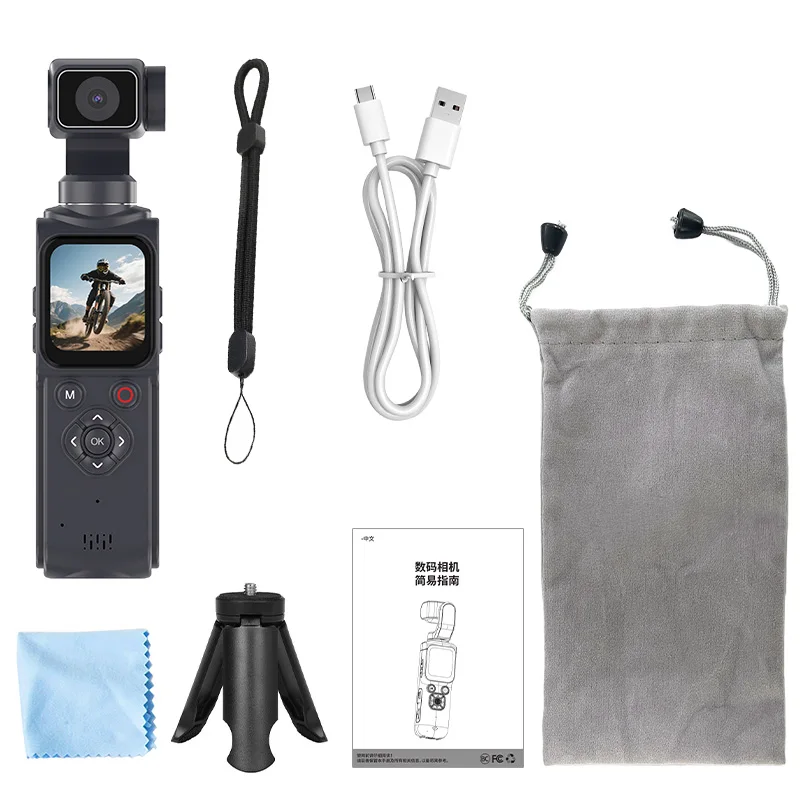

1. Focal Length: The focal length of a lens determines its angle of view and magnification. Lenses with shorter focal lengths have a wider angle of view, while longer focal lengths result in a narrower field of view and higher magnification.
2. Aperture: The aperture of a lens controls the amount of light that enters the camera. A wider aperture lets in more light, allowing for better performance in low-light conditions and creating a shallow depth of field. A narrower aperture reduces the amount of light but increases the depth of field.
3. Optical Construction: Digital camera lenses are made up of multiple lens elements arranged in specific configurations to minimize aberrations and distortions. High-quality lenses use special coatings to reduce glare and improve image quality.
4. Zoom vs. Prime Lenses: Zoom lenses offer variable focal lengths, allowing photographers to adjust their composition without changing the lens. Prime lenses have a fixed focal length, which often results in better image quality and faster apertures.
5. Image Stabilization: Some digital camera lenses feature built-in image stabilization technology, which helps reduce camera shake and produce sharper images, especially in low-light situations or when using long focal lengths.

Understanding the key features and functions of digital camera lenses can empower photographers to maximize the potential of their equipment and capture stunning images in various conditions.
Basics of Lens Functionality
Camera lenses utilize the principles of optics to capture and focus light onto a digital image sensor. The key components of a lens include:
| 1. Lens Elements | A lens is composed of multiple lens elements that work together to refract and focus light. These elements are designed to correct aberrations and distortions in the captured image. |
| 2. Aperture | The aperture of a lens controls the amount of light that passes through to the image sensor. It consists of a series of overlapping blades that can be adjusted to change the size of the opening. |
| 3. Focal Length | The focal length of a lens determines its field of view and magnification level. Lenses with shorter focal lengths capture wider angles, while longer focal lengths offer more zoom capabilities. |
| 4. Focus Mechanism | Modern lenses feature autofocus mechanisms that adjust the position of lens elements to achieve sharp focus on the subject. Manual focus rings are also common for precise control. |
By combining these components, camera lenses can capture sharp, detailed images with various creative effects depending on the lens type and settings.
Types of Camera Lenses
Camera lenses come in various types, each designed for specific purposes and shooting styles. Here are some common types of camera lenses:
- Prime Lens: A fixed focal length lens that does not zoom. Prime lenses are known for their sharpness and wide aperture capabilities.
- Zoom Lens: A lens that offers variable focal lengths, allowing you to zoom in and out without changing the lens. Zoom lenses are versatile and great for capturing a wide range of subjects.
- Wide-Angle Lens: These lenses have a shorter focal length, enabling you to capture a wider field of view. They are ideal for landscape and architectural photography.
- Telephoto Lens: Telephoto lenses have a longer focal length, allowing you to zoom in on distant subjects. They are perfect for wildlife and sports photography.
- Macro Lens: Designed for close-up photography, macro lenses allow you to capture small details with great clarity and sharpness.
- Fisheye Lens: Fisheye lenses have an ultra-wide angle of view, resulting in a distorted, spherical image. They are popular for creative and artistic photography.
How Focal Length Affects Images
Focal length is a key factor in determining the field of view and magnification of images captured by a digital camera lens. The focal length of a lens is measured in millimeters and determines how much of the scene will be captured in the frame as well as the level of magnification.
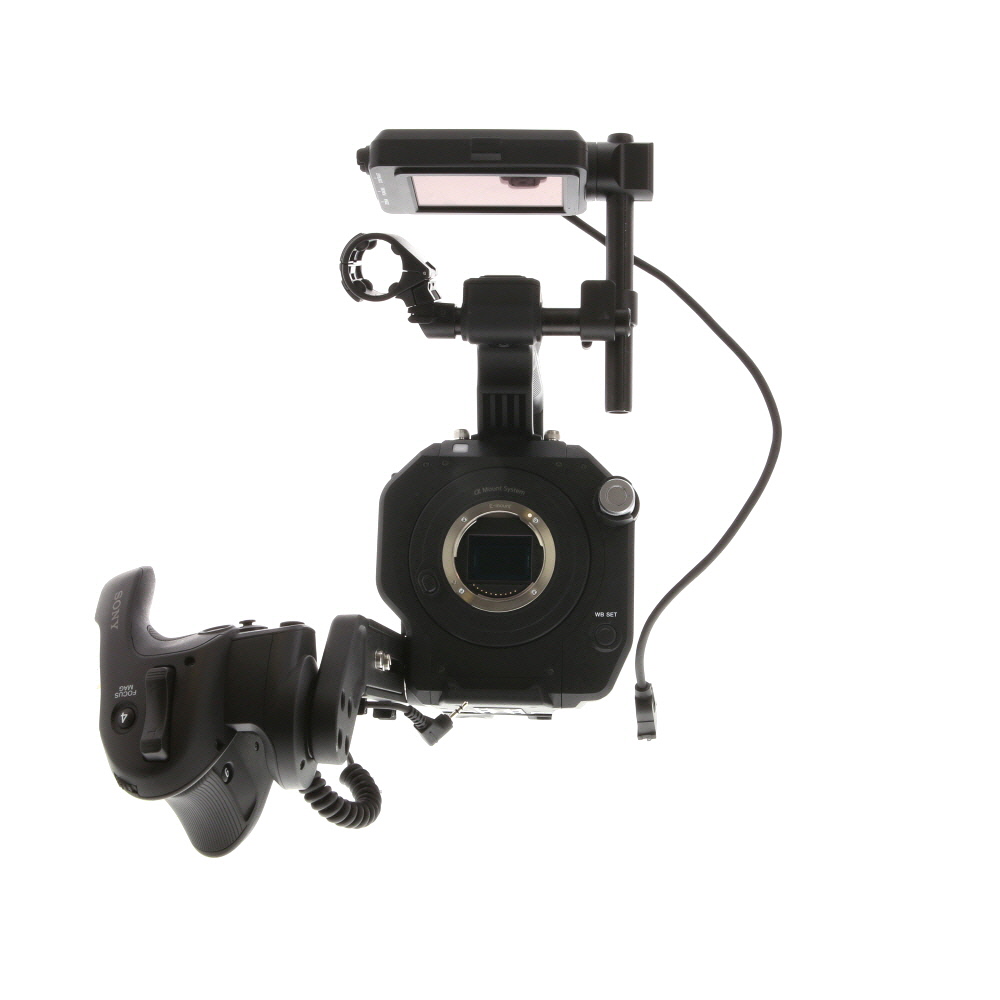
A shorter focal length, such as 18mm, will result in a wider field of view, allowing you to capture more of the scene in the frame. This is ideal for landscape photography or group shots where you want to fit a large area into the frame. On the other hand, a longer focal length, like 200mm, will narrow the field of view and provide greater magnification, making it suitable for capturing distant subjects or achieving a shallow depth of field in portrait photography.
Understanding the impact of focal length on your images can help you choose the right lens for the type of photography you are doing and achieve the desired composition and perspective in your photos.
Aperture and Its Impact on Photos
Aperture refers to the opening in the lens through which light passes to reach the camera sensor. It is measured in f-stops, with smaller f-stop numbers indicating a larger aperture opening and vice versa. The size of the aperture affects the amount of light that enters the camera, as well as the depth of field in the resulting image.
A larger aperture (small f-stop number) lets in more light, allowing for faster shutter speeds and better performance in low-light conditions. It also creates a shallower depth of field, resulting in a blurred background that can help isolate the subject in the photo.
Conversely, a smaller aperture (larger f-stop number) allows less light to enter the camera, which can be useful for capturing detailed landscapes or scenes with a greater depth of field. However, it may require longer exposure times or higher ISO settings to achieve proper exposure.

Understanding and controlling the aperture settings on your digital camera can greatly impact the quality and creative composition of your photos.
Zoom vs. Prime Lenses
When it comes to choosing a lens for your digital camera, you may have heard the terms “zoom” and “prime” lenses. These two types of lenses offer different capabilities and advantages, so it’s important to understand the differences between them.
Zoom Lenses
Zoom lenses have a variable focal length, which means you can adjust the magnification level by zooming in or out. This versatility makes zoom lenses popular among photographers who need to quickly change the composition of their shots without switching lenses. However, zoom lenses tend to be bulkier and heavier than prime lenses due to the additional glass elements required for zooming.
Prime Lenses
Prime lenses have a fixed focal length, which means they do not zoom in or out. While this may seem limiting, prime lenses are known for their superior image quality, sharpness, and wide apertures. They are also lighter and more compact than zoom lenses, making them ideal for portraiture, street photography, and low-light situations where a wide aperture is crucial.
Ultimately, the choice between zoom and prime lenses depends on your photography style, preferences, and shooting scenarios. Some photographers prefer the flexibility of zoom lenses, while others swear by the image quality and simplicity of prime lenses.

Lens Elements and Their Role
A digital camera lens is made up of multiple lens elements that work together to focus light onto the image sensor. Each lens element has a specific role in the optical system of the lens. The most common types of lens elements include convex lenses, concave lenses, and aspherical lenses.
Convex lenses are used to converge light rays and focus them onto a single point. Concave lenses, on the other hand, are used to diverge light rays. Aspherical lenses are specially shaped to reduce optical aberrations and improve image quality.
By combining different types of lens elements in a digital camera lens, photographers can achieve sharp and clear images with minimal distortion. The arrangement and quality of these lens elements play a crucial role in determining the overall performance of the lens.
Autofocus Mechanism in Lenses
The autofocus mechanism in digital camera lenses allows the lens to automatically adjust its focus to ensure that the subject appears sharp and clear in the image. This mechanism is crucial for capturing sharp photos quickly and accurately.
Autofocus is typically achieved through a series of motors and sensors within the lens. When the camera detects a subject, it sends signals to the lens to adjust the focus until the subject is in sharp focus. This process happens in a fraction of a second, making it ideal for capturing fast-moving subjects or spontaneous moments.
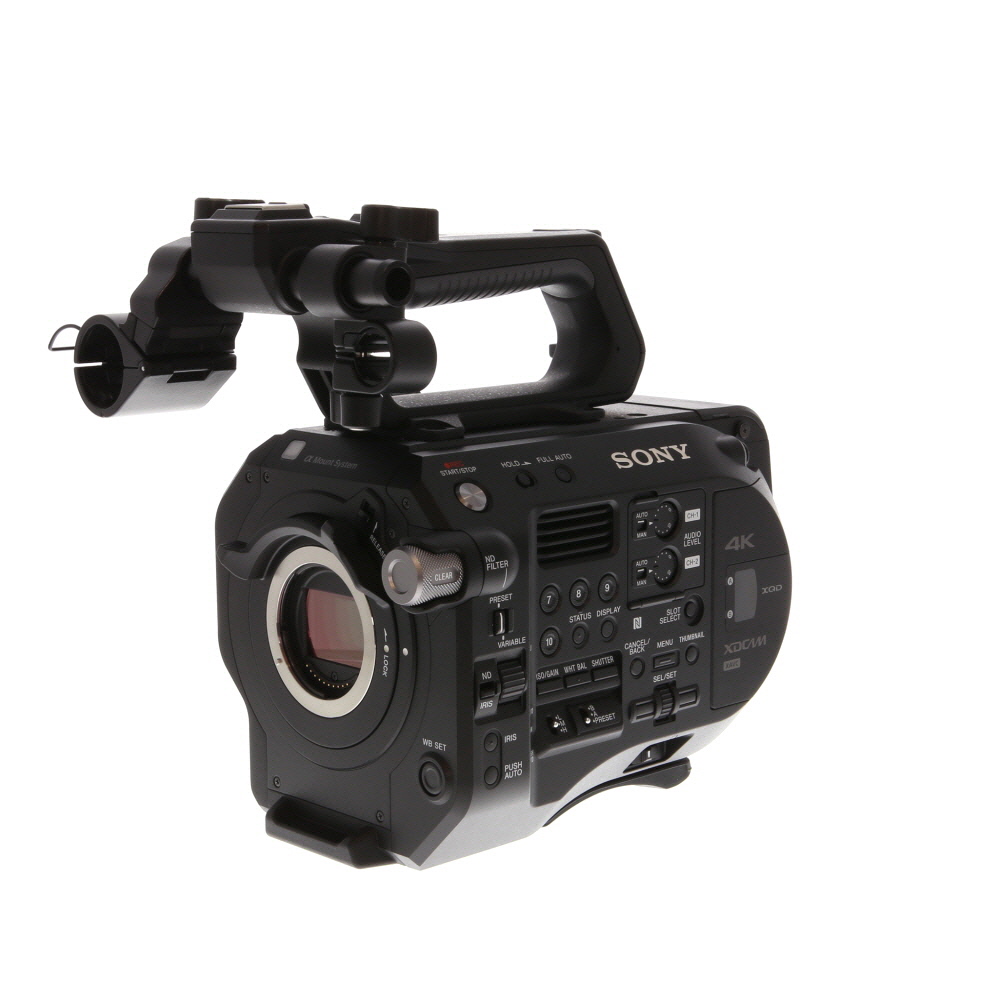
There are different types of autofocus mechanisms, such as contrast-detection autofocus and phase-detection autofocus, each with its strengths and weaknesses. Regardless of the specific mechanism used, autofocus technology has revolutionized photography by making it easier for photographers to capture sharp and focused images effortlessly.
Image Stabilization Technology
Image stabilization technology is a crucial feature in modern digital camera lenses. It helps to reduce the impact of camera shake and movement on the final image, resulting in sharper and clearer photos. There are two main types of image stabilization technology: optical and sensor-shift.
Optical image stabilization uses a system of gyroscopic sensors and motors within the lens to compensate for any movement detected by the camera. These sensors detect the direction and speed of the movement and adjust the position of the lens elements to counteract it, keeping the image stable and sharp.
Sensor-shift image stabilization, on the other hand, involves moving the camera’s sensor instead of the lens elements. This technology shifts the sensor in the opposite direction of the camera movement to counteract shake and maintain image stability. Sensor-shift image stabilization is often found in mirrorless cameras and some DSLRs.
Both optical and sensor-shift image stabilization technologies play a vital role in ensuring that photographers can capture high-quality images even in challenging shooting conditions.

Lens Maintenance and Care Tips
Proper maintenance and care of your digital camera lens are essential to ensure optimal performance and longevity. Here are some tips to help you keep your lens in top condition:
1. Keep your lens clean: Use a lens cleaning cloth or brush to gently remove dust, dirt, and smudges from the lens surface. Avoid using harsh chemicals or abrasive materials that can damage the lens coating.
2. Store your lens properly: When not in use, store your lens in a clean, dry place away from direct sunlight and extreme temperatures. Consider using a protective case or pouch to prevent scratches and damage.
3. Avoid touching the lens: Fingerprints and oils from your skin can affect the quality of your images. Handle the lens carefully by holding it from the sides or using a lens hood to protect the front element.
4. Check for signs of wear: Regularly inspect your lens for any signs of wear, such as scratches, dents, or loose parts. If you notice any issues, have your lens serviced by a professional technician.

5. Use a lens cap: Always use a lens cap when your camera is not in use to protect the lens from dust, dirt, and accidental damage. Remove the lens cap only when you are ready to take a photo.
6. Avoid changing lenses in dusty or windy environments: Dust and debris can enter the camera body and damage the sensor or lens mechanisms. Find a clean, sheltered area to change lenses if necessary.
7. Have your lens cleaned professionally: If you are unable to clean your lens effectively or notice a significant buildup of dirt or grime, consider taking your lens to a professional for a thorough cleaning and inspection.
By following these maintenance and care tips, you can help prolong the life of your digital camera lens and ensure that it continues to deliver high-quality images for years to come.
FAQ
How do digital camera lenses focus?
Camera lenses focus by adjusting the distance between optical elements within the lens. This changes the focal length and allows the lens to focus on objects at different distances.
What is the role of aperture in a digital camera lens?
Aperture in a digital camera lens controls the amount of light that enters the camera. It also affects the depth of field, determining how much of the scene is in focus.
Can you explain the concept of focal length in digital camera lenses?
Focal length in digital camera lenses determines the angle of view and magnification of the image. It is measured in millimeters and affects the perspective and framing of the photograph.
How do different types of lenses affect the quality of digital photographs?
Different types of lenses, such as prime lenses or zoom lenses, can impact the sharpness, distortion, and bokeh (background blur) of digital photographs. Higher quality lenses often produce sharper and more detailed images.
What are some common lens features that photographers should consider when choosing a digital camera lens?
Photographers should consider factors like lens speed (aperture), image stabilization, lens construction (number of elements and groups), and compatibility with their camera body when choosing a digital camera lens.


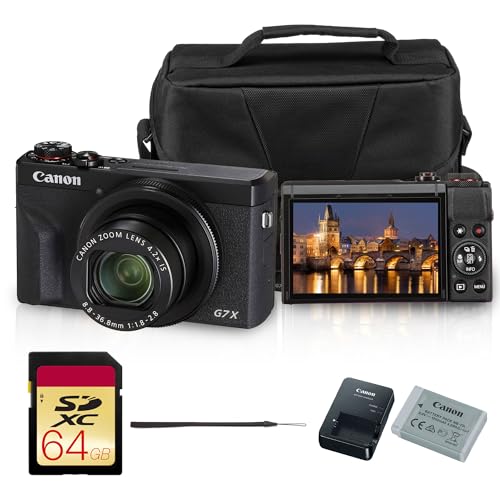
How does the aperture size affect night photography? I'm thinking about getting a lens for low-light situations but I'm not sure what to look for.
A larger aperture (like f/1.8) is usually better for night photography because it lets in more light, helping you capture clearer images in the dark.
I recently switched from a zoom lens to a prime lens for portrait photography, and I've noticed a huge difference in image quality. The sharpness and bokeh are just incredible. I think I'll stick with primes for most of my work now!