
 Carmen J. Moore
When it comes to capturing the beauty of the sun with a digital camera, safety should always be the top priority. The sun emits powerful rays of light that can damage your eyes and your camera’s sensor if not properly protected. One of the key tools for safely photographing the sun is a solar filter.

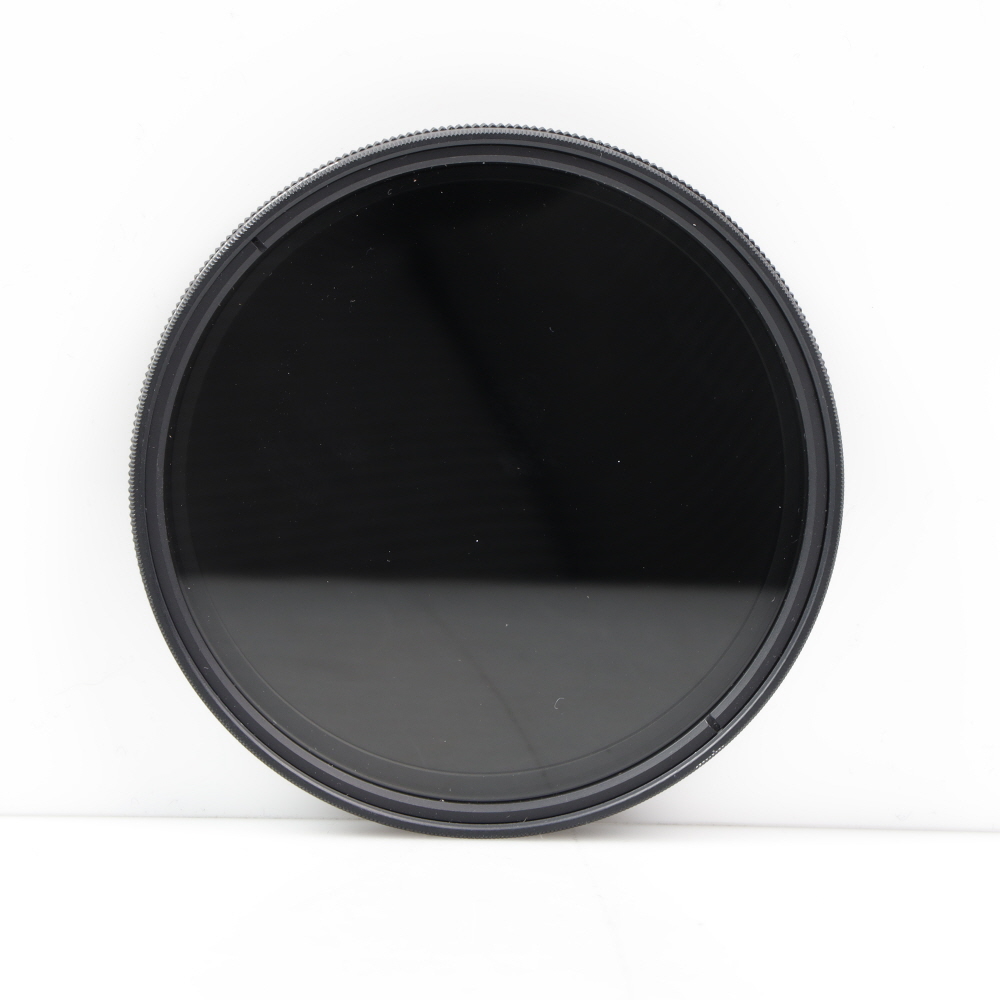

A solar filter is a specialized piece of equipment that blocks out the harmful rays of the sun while still allowing you to capture stunning solar images. Whether you are photographing a solar eclipse, sunspots, or just the sun itself, using a solar filter is essential to protect both your eyes and your camera.
So, do you need a solar filter with a digital camera? Absolutely. Investing in a high-quality solar filter will not only ensure the safety of your equipment but also allow you to capture breathtaking images of the sun without any risk. Remember, safety first when it comes to photographing the sun!
Do I Need a Solar Filter with a Digital Camera
When it comes to capturing images of the sun with a digital camera, using a solar filter is essential for protecting both your equipment and your eyes. The intense brightness of the sun can cause serious damage to the camera’s sensor and lens if not properly filtered. Additionally, looking directly at the sun through the camera’s viewfinder without a solar filter can also be harmful to your eyes.
Benefits of Using a Solar Filter:
A solar filter allows you to safely photograph the sun without risking damage to your camera or eyes. It reduces the sun’s brightness to a safe level, allowing you to capture detailed images of the sun’s surface features such as sunspots and solar flares.
It is important to note that using a solar filter is crucial when photographing the sun with a digital camera to avoid any potential harm to your equipment and yourself.

Understanding Solar Photography Basics
Solar photography can be a fascinating and rewarding experience for photographers of all levels. Capturing the beauty and complexity of the sun requires some basic knowledge and equipment to ensure both safety and quality in your images.
Importance of Solar Filters
When photographing the sun, it is crucial to use a solar filter to protect your eyes and camera equipment. A solar filter blocks harmful ultraviolet and infrared radiation, allowing only safe levels of light to pass through. This not only ensures your safety but also prevents damage to your camera’s sensor.
Tips for Solar Photography
When using a solar filter with your digital camera, make sure to set your exposure settings accordingly to capture the sun’s details without overexposing the image. Experiment with different shutter speeds and apertures to find the right balance for your desired shot.
Additionally, consider using a tripod to keep your camera steady and reduce motion blur in your solar images. This will help you achieve sharp and clear results.
Importance of Solar Filters in Photography
Solar filters play a crucial role in photography, especially when capturing images of the sun. These filters are designed to reduce the intensity of sunlight entering the camera lens, protecting both the camera sensor and the photographer’s eyes from potential damage. Without a solar filter, the intense brightness of the sun can easily overexpose the image, leading to poor quality photographs and potential harm to the equipment.
Using a solar filter allows photographers to capture stunning images of the sun, including sunspots, solar eclipses, and other solar phenomena, with clarity and detail. By blocking out excess light, solar filters help to achieve the right exposure levels and ensure that the image retains its true colors and details.
It is important to invest in a high-quality solar filter that is specifically designed for solar photography to ensure optimal results. Whether using a digital camera or a traditional film camera, a solar filter is an essential accessory for capturing breathtaking images of the sun safely and effectively.
| Benefits of Solar Filters | • Protects camera sensor and eyes from damage |
| • Allows for clear and detailed images of the sun | |
| • Helps achieve correct exposure levels |
Choosing the Right Solar Filter for Your Camera
When it comes to photographing the sun with a digital camera, using a solar filter is crucial to protect both your camera and your eyes. There are different types of solar filters available, so it’s important to choose the right one for your camera.
One popular option is a solar filter made of solar film. This type of filter is inexpensive and can be easily attached to the front of your camera lens. Solar film filters out harmful ultraviolet and infrared radiation while allowing you to capture clear images of the sun.
Another option is a solar filter that attaches to the eyepiece of your camera’s viewfinder. This type of filter is convenient for DSLR cameras and provides protection without obstructing your view of the sun.
Before purchasing a solar filter, make sure it is compatible with your camera model and lens size. Additionally, ensure that the filter meets safety standards for solar observation to avoid damaging your equipment.
Overall, choosing the right solar filter for your camera is essential for safely capturing stunning images of the sun without risking harm to your equipment or eyes.
Benefits of Using a Solar Filter
1. Protection for Your Camera: Using a solar filter with your digital camera will protect the camera sensor from damage caused by the intense light of the sun. This will help extend the life of your camera and ensure that it continues to function properly.
2. Safeguarding Your Eyes: A solar filter not only protects your camera but also helps protect your eyes when you are looking through the camera’s viewfinder at the sun. It reduces the risk of eye damage from the sun’s harmful rays.
3. Enhancing Image Quality: By using a solar filter, you can capture clear and detailed images of the sun without overexposure. The filter helps reduce glare and allows you to capture the sun’s features with better contrast and sharpness.

4. Versatility: Solar filters can be used for various photography purposes, not just for capturing the sun. You can use them for shooting landscapes, cityscapes, and other scenes with bright light sources, enhancing the quality of your photos.
5. Creative Opportunities: With a solar filter, you can experiment with different settings and techniques to create unique and artistic photos of the sun and its surroundings. The filter opens up new creative possibilities for your photography.
Photographing the Sun Safely
When photographing the sun, it is essential to prioritize safety to protect both yourself and your equipment. Here are some tips for safely capturing images of the sun:
1. Use a Solar Filter
Always use a solar filter when photographing the sun to prevent damage to your camera’s sensor and your eyes. Solar filters block out harmful UV rays and reduce the intensity of light, allowing you to capture the sun safely.
2. Properly Attach the Solar Filter
Ensure that the solar filter is securely attached to your camera lens to avoid any light leakage. This will help maintain the safety of your equipment and produce clear, sharp images of the sun.
- Check that the solar filter fits snugly over the lens.
- Avoid gaps or gaps in the filter that could let in harmful light.
By following these guidelines and using a solar filter, you can enjoy photographing the sun safely and capture stunning images without risking damage to yourself or your camera.
Alternatives to Solar Filters for Solar Photography
While solar filters are the best way to protect your camera and eyes when photographing the sun, there are some alternative methods you can use for solar photography:
1. Solar eclipse glasses: These glasses are specially designed to protect your eyes during solar events and can also be used to cover your camera lens when taking photos of the sun.
2. Welder’s glass: Welder’s glass with a rating of at least shade 14 can be used as a makeshift solar filter for your camera lens. Make sure to securely attach it to the lens to avoid any light leaks.
3. DIY filters: You can create your own solar filter using materials like aluminum foil, cardboard, and black polymer film. However, it’s crucial to test the filter for safety and effectiveness before using it for solar photography.

While these alternatives can be used in a pinch, it’s important to remember that solar filters are specifically designed to protect your equipment and eyes from the intense light of the sun. Use caution and always prioritize safety when capturing solar images.
Best Practices for Solar Photography with a Digital Camera
Solar photography with a digital camera can be a rewarding experience, but it’s important to follow some best practices to ensure both your safety and the quality of your images.
1. Use a Solar Filter
It is crucial to always use a solar filter when photographing the sun with a digital camera. Without a proper filter, the intense light can damage your camera’s sensor and potentially cause harm to your eyes. Make sure to use a high-quality solar filter specifically designed for solar photography to protect both your equipment and yourself.
2. Choose the Right Settings
When photographing the sun, use a low ISO setting to reduce noise and a small aperture (high f-stop number) to ensure a sharp image. It’s also recommended to shoot in manual mode to have full control over your camera settings.
Consider using a fast shutter speed to capture the sun’s details without overexposing the image. Experiment with different settings to find the best combination for your solar photography.

By following these best practices, you can safely and effectively capture stunning images of the sun with your digital camera.
Common Mistakes to Avoid in Solar Photography
When capturing images of the sun with a digital camera, there are several common mistakes that photographers should avoid to ensure successful results:
- Not using a solar filter: Without a solar filter, the intense light from the sun can damage your camera’s sensor and your eyes. Always use a solar filter when photographing the sun.
- Using a low-quality filter: Using a cheap or low-quality solar filter can result in poor image quality and potential damage to your equipment. Invest in a high-quality solar filter for best results.
- Incorrect exposure settings: Improper exposure settings can lead to overexposed or underexposed images. Use the appropriate settings for solar photography to capture the sun’s details accurately.
- Not stabilizing the camera: To prevent camera shake and ensure sharp images, use a tripod or stable surface when photographing the sun.
- Ignoring safety precautions: Always follow safety guidelines when photographing the sun to protect your eyes and equipment from harm.
Exploring Creative Possibilities with Solar Photography
Solar photography offers a unique and exciting way to capture the beauty and power of the sun. With the right equipment and techniques, you can create stunning images that showcase the intricate details and dynamic nature of the sun.
One creative approach to solar photography is using a solar filter to capture the sun’s intense light and detail. A solar filter is essential when photographing the sun with a digital camera to protect your eyes and camera sensor from damage. The filter helps reduce the intensity of the sun’s light, allowing you to capture clear and detailed images without overexposure.
Experimenting with different filters and camera settings can produce a variety of creative effects in solar photography. By adjusting the exposure time, aperture, and ISO settings, you can create unique images that highlight the sun’s surface features, sunspots, and solar flares.
Additionally, incorporating elements such as landscapes, silhouettes, or wildlife into your solar photography can add depth and interest to your images. By framing the sun with interesting foreground elements, you can create visually striking compositions that tell a story and evoke emotion.
Whether you’re a beginner or experienced photographer, solar photography offers endless creative possibilities. By exploring different techniques and experimenting with composition, lighting, and filters, you can capture captivating images that showcase the beauty and grandeur of the sun.
FAQ
Do I need to use a solar filter when taking photos of the sun with a digital camera?
Yes, it is highly recommended to use a solar filter when photographing the sun with a digital camera. Without a solar filter, the intense light from the sun can damage the camera’s sensor and potentially cause harm to your eyes. A solar filter blocks out the majority of the sun’s light and allows you to capture safe and clear images of the sun.
Can I take pictures of the sun with a digital camera without a solar filter?
While it is technically possible to take pictures of the sun without a solar filter using a digital camera, it is not recommended. The intense light from the sun can damage the camera’s sensor and produce poor quality images. Additionally, looking at the sun through the camera’s viewfinder without protection can be harmful to your eyes. To ensure safety and high-quality results, it is best to use a solar filter when photographing the sun with a digital camera.


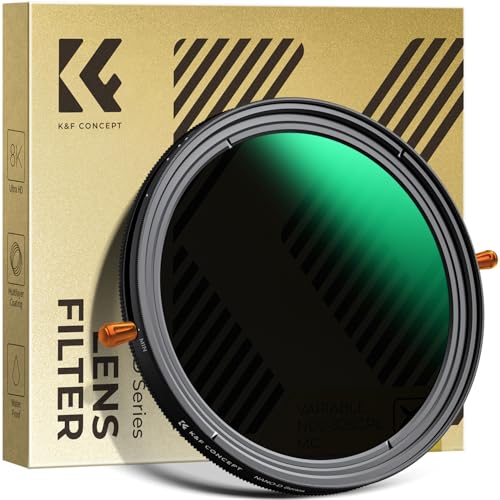

I recently bought a solar filter and used it for the first time during a solar event. The difference was night and day! I could see the details clearly without straining my eyes. I recommend anyone interested in sun photography to invest in one. It’s worth it!
I'm new to solar photography. Can you explain how a solar filter actually helps in capturing better images of the sun?
A solar filter significantly reduces the intensity of sunlight, preventing overexposure and allowing you to capture details like sunspots and solar flares. It also protects your camera's sensor and your eyes from harmful rays.