
 Carmen J. Moore
Photographing a solar eclipse can be an awe-inspiring experience, capturing the celestial event in all its glory. However, many photographers wonder if the intense light and heat from the sun during an eclipse can damage their digital cameras.

While it is true that the sun’s rays are powerful enough to potentially harm camera sensors and lenses, taking precautions can help protect your equipment during an eclipse.
Understanding how to safely photograph an eclipse and knowing the limitations of your camera can ensure that you capture stunning images without risking damage to your valuable gear.
Impact of Solar Eclipse on Digital Camera
During a solar eclipse, the intense light from the sun is blocked, creating a sudden change in lighting conditions. This can potentially affect digital cameras in several ways.
One of the main concerns during a solar eclipse is the risk of pointing the camera directly at the sun. The intense light can damage the camera’s sensor and lens, causing permanent harm. It is important to use proper solar filters or eclipse glasses to protect the camera equipment.
In addition to the risk of damage from direct sunlight, the sudden change in lighting conditions during an eclipse can also impact the camera’s exposure settings. The camera may struggle to adjust to the rapidly changing light, leading to overexposed or underexposed images.

| Impact | Description |
| Damaged Sensor | The intense light from the sun can damage the camera’s sensor, causing permanent harm. |
| Exposure Issues | The sudden change in lighting conditions can lead to exposure problems, resulting in poorly exposed images. |
| Need for Protection | Proper solar filters or eclipse glasses are essential to protect the camera equipment during a solar eclipse. |
Potential Risks of Exposing Camera to Eclipse
While capturing photos or videos of a solar eclipse can be a breathtaking experience, exposing your digital camera to this celestial event comes with some potential risks that you should be aware of:
1. Sensor Damage:
The intense light of a solar eclipse can overwhelm the camera’s sensor, potentially causing irreversible damage. This can result in dead pixels, reduced image quality, or complete sensor failure.
2. Lens Damage:
Directly pointing your camera at the sun during an eclipse can lead to lens damage due to the concentrated sunlight. This can result in lens flare, loss of sharpness, or even melting of certain components.
Understanding the Camera’s Sensor
One of the key components of a digital camera is its sensor, which is responsible for capturing light and converting it into an image. The sensor is made up of millions of tiny light-sensitive pixels that detect and record the light that enters the camera.
There are two main types of sensors used in digital cameras: CCD (charge-coupled device) and CMOS (complementary metal-oxide-semiconductor). Each type has its own strengths and weaknesses, but both are susceptible to damage from intense light, such as that produced during an eclipse.
During an eclipse, the sun’s rays can be extremely powerful, and if the camera is pointed directly at the sun, the sensor can be overwhelmed by the intensity of the light. This can result in permanent damage to the sensor, causing it to produce distorted or unusable images.
To protect your camera’s sensor during an eclipse, it is important to avoid pointing the camera directly at the sun and to use a solar filter or special eclipse glasses to reduce the amount of light entering the camera. By taking these precautions, you can ensure that your camera’s sensor remains safe and that you can continue to capture high-quality images without any issues.
Protective Measures for Your Camera
When dealing with the potential harm that an eclipse can cause to your digital camera, it’s essential to take protective measures to ensure the safety of your equipment. Here are some tips to keep in mind:
1. Use a Solar Filter
Invest in a solar filter specifically designed for cameras to protect your lens from the intense sunlight during an eclipse. This filter will help reduce the risk of damage to your camera’s sensor and lens.
2. Avoid Direct Sunlight
During an eclipse, try to avoid pointing your camera directly at the sun without proper protection. Direct sunlight can cause overheating and potentially damage your camera’s components. Instead, use a lens hood or find a shady spot to capture the event safely.

Common Damage Caused by Eclipse
An eclipse can potentially damage various electronic devices, including digital cameras. Some common types of damage caused by an eclipse include:
1. Sensor Damage
The intense light and heat from the sun during an eclipse can damage the sensor of a digital camera, leading to issues such as dead pixels or reduced image quality.
2. Lens Damage
If a digital camera is pointed directly at the sun during an eclipse without proper protection, the lens can suffer damage, resulting in blurry images or lens flare.
It is important to take precautions and avoid pointing your camera directly at the sun during an eclipse to prevent potential damage.
Recommended Settings for Eclipse Photography
Photographing an eclipse can be a challenging but rewarding experience. To capture stunning images of this celestial event, it is essential to use the right camera settings. Here are some recommended settings for eclipse photography:

| ISO: | Set your ISO to a low value (around 100-200) to minimize noise in your photos. |
| Aperture: | Use a small aperture (high f-number) to ensure a sharp focus and to capture details of the eclipse. |
| Shutter Speed: | Adjust your shutter speed based on the phase of the eclipse. For partial phases, use faster shutter speeds, while for totality, you can experiment with longer exposures. |
| White Balance: | Set your white balance to daylight or auto to ensure accurate colors in your images. |
| Focus: | Manually focus your camera on the sun or use the infinity focus setting to ensure sharp images. |
By following these recommended settings, you can capture stunning photographs of the eclipse and preserve this unique celestial event for years to come.
Post-Eclipse Camera Inspection
After experiencing a solar eclipse, it’s important to inspect your digital camera to ensure it hasn’t been damaged by the intense light. Here are some steps to follow:
1. Check for Physical Damage
Inspect the camera body, lens, and LCD screen for any signs of physical damage such as cracks, scratches, or warping.
2. Test the Functionality
Turn on the camera and test its functionality by taking a few test shots. Check if the images appear clear and if all the camera settings are working properly.
If you notice any issues with your camera post-eclipse, it’s recommended to consult a professional camera technician for further inspection and repairs.
Repair Options for Damaged Cameras
If your digital camera has been damaged by an eclipse or any other means, there are several repair options you can consider:
1. Manufacturer Repair Services
Many camera manufacturers offer repair services for their products. You can contact the manufacturer directly to inquire about repair options and costs. Keep in mind that this may take some time and could be costly, depending on the extent of the damage.
2. Third-Party Repair Shops
Alternatively, you can look for third-party camera repair shops in your area. These shops specialize in repairing digital cameras and may offer more affordable repair options compared to manufacturer services. Make sure to read reviews and check the shop’s reputation before entrusting your camera to them.
Remember to back up your photos and data before sending your camera for repairs to avoid losing any important memories captured by your camera.
FAQ
Can a solar eclipse damage a digital camera?
Yes, a solar eclipse can potentially damage a digital camera if it is pointed directly at the sun during the event. The intense light from the sun can overwhelm the camera’s sensor and cause permanent damage.
Is it safe to photograph a solar eclipse with a digital camera?
It is generally safe to photograph a solar eclipse with a digital camera as long as you take proper precautions. Using a solar filter or eclipse glasses to protect both your eyes and the camera’s sensor is essential to prevent damage.
What steps should I take to protect my digital camera during a solar eclipse?
To protect your digital camera during a solar eclipse, make sure to use a solar filter or eclipse glasses when photographing the event. Avoid pointing the camera directly at the sun for an extended period to prevent damage to the sensor. Additionally, consider using a tripod to stabilize the camera and reduce the risk of accidental movement.


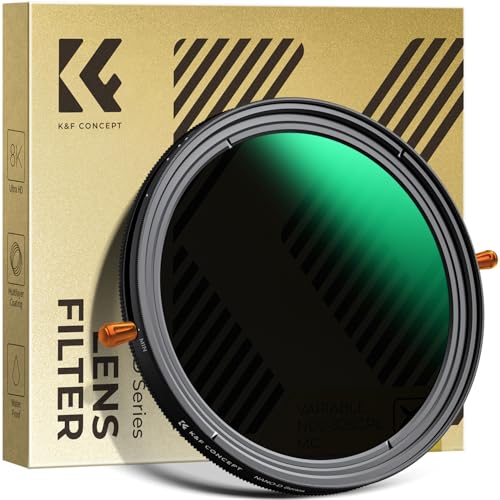

I’ve heard that using a solar filter is a must for photographing an eclipse. Can anyone recommend a good one? What should I look for in a solar filter?
Good question! It's crucial to get a filter that's specifically designed for solar photography. Look for ones that are ISO-certified for safety and fit your lens size.
I think it's also important to check your camera afterward. I didn’t do that after my last eclipse shoot and later found some minor scratches on the lens.
Don't forget to check your camera after the eclipse! I missed some damage because I didn't look closely enough post-event.
I believe it’s a bit overstated how much an eclipse can damage a camera. I’ve shot multiple eclipses without filters and never had issues. Maybe it depends on the camera type?
While some cameras may handle direct sunlight better than others, the risk of damage is still present, especially for sensitive sensors. It's always safer to use a filter.
Does anyone know if the recommended camera settings change during the different phases of the eclipse? Like, should I adjust anything particularly for totality?
Yes, during totality, you can experiment with longer exposures as the light conditions change. For partial phases, faster shutter speeds are usually better to avoid overexposure.
I think the risks are overstated. I’ve shot two eclipses without any special protection, and my gear was fine. Sometimes I feel like all the warnings make people overly cautious.
I'm really interested in photographing the next solar eclipse, but I'm worried about damaging my camera. Can anyone share their experiences or tips on how to ensure my camera stays safe?
Using a solar filter is a must! I took photos last time, and the filter really helped protect my camera. Just make sure it fits your lens correctly.
I photographed the last solar eclipse and used a solar filter. I didn’t notice any damage to my camera but did have issues with exposure settings. My images were either too dark or too bright at different phases. I wish I had practiced more beforehand!
It's great that you used a solar filter! Exposure settings can be tricky during an eclipse. Consider practicing with similar lighting conditions to get a feel for your camera's settings.
I photographed a solar eclipse last year, and I didn't use a filter. My camera's sensor got damaged, which was a huge disappointment. The images turned out with spots and lines. I highly recommend investing in a good solar filter this time around. It could save you a lot of money in repairs later!