
 Carmen J. Moore
In the age of smartphones with high-quality cameras, the question arises: are there any digital cameras that can outperform phone cameras? With advancements in technology, digital cameras have also improved significantly, offering features and capabilities that may surpass those of phone cameras.
While phone cameras are convenient and have become the go-to option for many people, digital cameras still have their advantages. From larger sensors to better optical zoom, digital cameras can provide superior image quality and versatility.


Professional photographers often prefer using digital cameras for their precision and control over settings, allowing them to capture stunning photos in various conditions. Additionally, digital cameras offer a wider range of accessories and lenses to enhance the photography experience.
Comparison of Digital Cameras and Phone Cameras
When it comes to capturing moments and memories, both digital cameras and phone cameras have their strengths and weaknesses. Let’s take a closer look at how these two types of cameras compare:
Image Quality
Digital cameras generally offer higher image quality compared to phone cameras. This is due to factors such as larger sensors, better lenses, and more advanced image processing capabilities. Digital cameras are able to capture more detail, produce sharper images, and perform better in low-light conditions.
Convenience and Portability
On the other hand, phone cameras are much more convenient and portable than digital cameras. Most people have their phones with them at all times, making it easy to capture spontaneous moments. Phone cameras also offer a wide range of editing and sharing options directly on the device, making it quick and easy to share photos on social media.
Advantages of Digital Cameras over Phone Cameras
While phone cameras have improved significantly over the years, digital cameras still offer several advantages that make them superior in certain situations:

- Image Quality: Digital cameras generally have larger sensors and better optics, resulting in higher quality images with more detail and better dynamic range.
- Zoom: Digital cameras often have optical zoom lenses, allowing you to zoom in without losing image quality, whereas phone cameras usually rely on digital zoom, which can reduce image clarity.
- Manual Controls: Digital cameras offer more manual controls for adjusting settings like aperture, shutter speed, and ISO, giving you more creative control over your photos.
- Battery Life: Digital cameras typically have longer battery life than phones, allowing you to shoot for longer periods without needing to recharge.
- Dedicated Functionality: Digital cameras are designed specifically for photography, with features like hot shoe mounts for external flashes, tripod mounts, and ergonomic designs for comfortable shooting.
Benefits of Using Phone Cameras
Convenience: One of the main benefits of using phone cameras is the convenience they offer. You always have your phone with you, so you can capture moments on the go without having to carry around a separate camera.
Portability: Phone cameras are lightweight and compact, making them easy to carry around in your pocket or bag. This makes them ideal for travel or everyday use.
Instant Sharing: With phone cameras, you can instantly share your photos and videos on social media platforms or messaging apps. This allows you to quickly share your moments with friends and family.
Improvements in Technology: Phone cameras have seen significant improvements in technology over the years, with many models now offering high-quality lenses, image stabilization, and advanced editing features.
Cost-Effective: Phone cameras eliminate the need to purchase a separate camera, saving you money in the long run. They also eliminate the cost of film and printing, as everything is stored digitally on your device.
Quality of Images: Digital Cameras vs. Phone Cameras
When comparing the quality of images produced by digital cameras and phone cameras, there are several factors to consider. Digital cameras are designed specifically for capturing high-resolution images with details and clarity, thanks to their larger sensors and advanced optics. On the other hand, phone cameras have made significant advancements in recent years, with some flagship models rivaling entry-level digital cameras.
Digital Cameras
Digital cameras typically offer higher megapixel counts, better image stabilization, and more manual controls, allowing photographers to adjust settings like aperture, shutter speed, and ISO for optimal image quality. The larger sensors in digital cameras also result in better low-light performance and dynamic range, producing sharper and more detailed images.
Phone Cameras
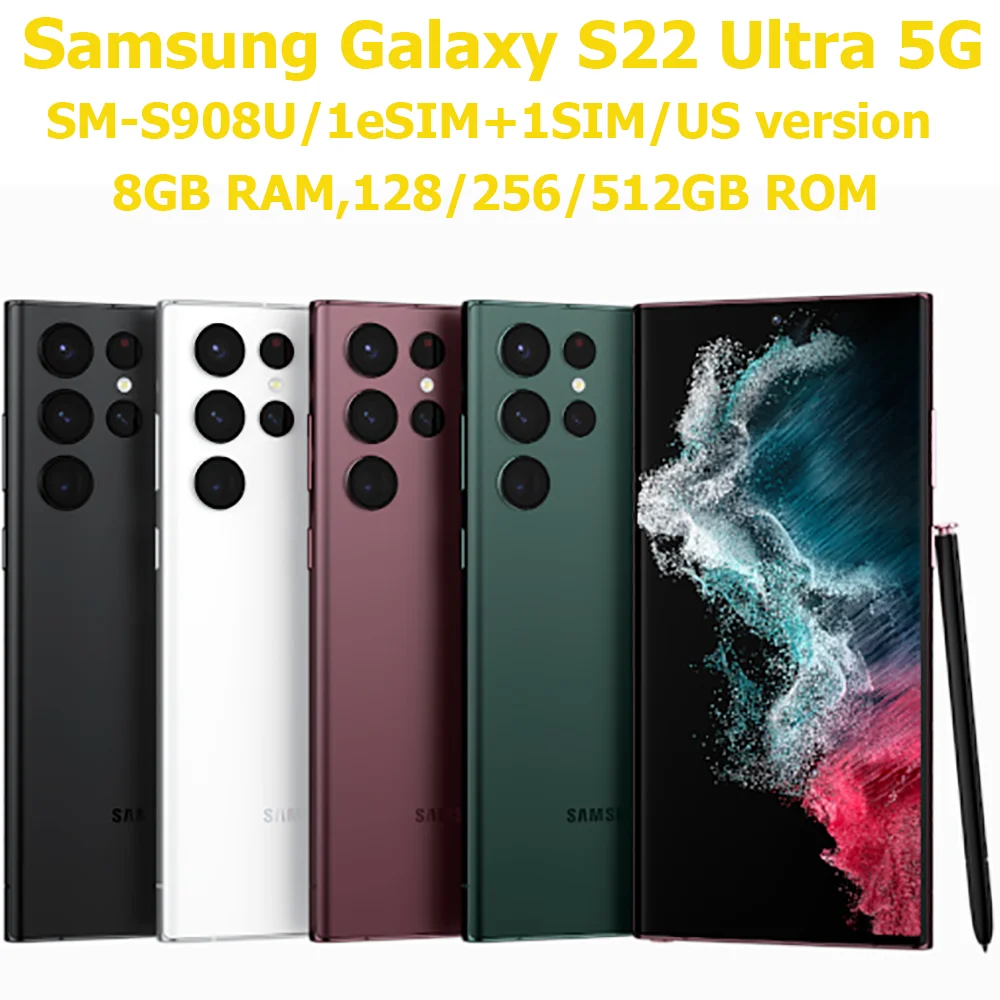
Phone cameras, while convenient and increasingly capable, still have limitations compared to digital cameras. Despite advancements in sensor technology and image processing, phone cameras often struggle with noise reduction, dynamic range, and overall image sharpness, especially in challenging lighting conditions.
Overall, while phone cameras have come a long way and are suitable for everyday photography, digital cameras still hold the edge when it comes to producing professional-quality images with superior detail and clarity.
Features and Settings: Phone Cameras vs. Digital Cameras
When comparing phone cameras to digital cameras, the features and settings play a significant role in determining the quality of the photos taken. Digital cameras typically offer more advanced features and customizable settings compared to phone cameras.
| Features/Settings | Phone Cameras | Digital Cameras |
|---|---|---|
| Megapixels | Phone cameras generally have lower megapixels compared to digital cameras, resulting in lower resolution photos. | Digital cameras offer higher megapixels, allowing for sharper and more detailed images. |
| Optical Zoom | Most phone cameras have digital zoom, which can reduce image quality when zooming in. | Digital cameras often have optical zoom capabilities, providing better quality zoomed-in shots. |
| Manual Controls | Phone cameras have limited manual controls, such as exposure and white balance adjustments. | Digital cameras offer a wide range of manual controls, including aperture, shutter speed, and ISO settings. |
| Image Processing | Phone cameras have built-in image processing algorithms that automatically enhance photos. | Digital cameras allow for RAW image capture, providing more flexibility for post-processing and editing. |
| Low Light Performance | Phone cameras struggle in low light conditions due to smaller sensors and limited aperture options. | Digital cameras excel in low light performance with larger sensors and wider aperture lenses. |
In conclusion, while phone cameras have come a long way in terms of image quality and convenience, digital cameras still offer superior features and settings for enthusiasts and professionals who require more control over their photography.
Price Comparison: Digital Cameras and Phone Cameras
When considering the purchase of a camera, whether digital or phone, price is a significant factor that many consumers take into account. Digital cameras often come with a higher price tag compared to phone cameras. High-end digital cameras with advanced features such as interchangeable lenses, larger sensors, and professional-grade image quality can cost hundreds or even thousands of dollars.
On the other hand, phone cameras are typically included in the overall cost of the smartphone itself. While flagship smartphones with top-of-the-line cameras can also be expensive, they offer the convenience of having a camera, phone, and other features all in one device.
For those on a budget or looking for a versatile option, phone cameras may be a more cost-effective choice. However, if photography is a serious hobby or profession, investing in a high-quality digital camera may be worth the extra expense for the superior image quality and advanced features it provides.
FAQ
Are digital cameras still relevant in the age of smartphones with advanced camera technology?
Yes, digital cameras are still relevant for professional photographers, photography enthusiasts, and those who require high-quality images with advanced features that smartphone cameras may not offer.
What are the advantages of using a digital camera over a phone camera?
Digital cameras typically offer higher resolution, better image quality, more manual controls, interchangeable lenses, optical zoom, and better low-light performance compared to phone cameras.
Can digital cameras produce better images than phone cameras?
Yes, digital cameras, especially DSLRs and mirrorless cameras, can produce better images in terms of color accuracy, dynamic range, sharpness, and overall detail compared to most phone cameras.
Do digital cameras offer more creative control compared to phone cameras?
Yes, digital cameras provide photographers with a wide range of manual settings, customizable options, and creative tools to enhance their photography skills and artistic vision, which may not be available on phone cameras.
Are there any specific digital cameras that outperform phone cameras in terms of image quality?
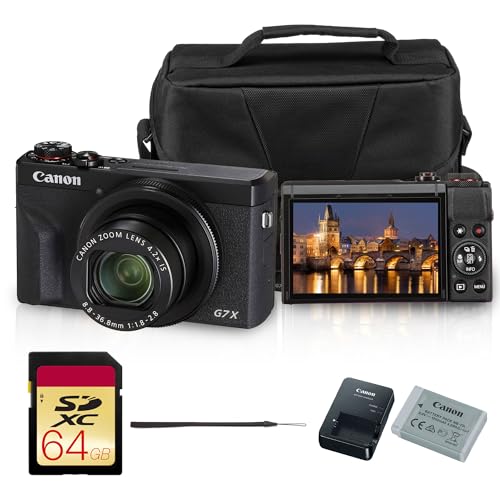
Yes, high-end digital cameras from brands like Canon, Nikon, Sony, and Fujifilm, such as full-frame DSLRs or mirrorless cameras, can outperform phone cameras in terms of image quality, especially in challenging shooting conditions.


What specific features should I look for in a digital camera if I want to take high-quality portraits?
I switched from using a phone camera to a digital camera for my travel photography, and the difference is incredible. The image quality is unmatched, especially in low-light situations. I think the manual controls are a game changer for anyone serious about photography. However, I still find my phone handy for quick snaps and convenience. Has anyone else experienced this shift?
I honestly think phone cameras have caught up enough that they can compete with many digital cameras, especially for everyday use. I don't see the need to carry a separate camera anymore. What do others think?
That's a valid point! While phone cameras are incredibly convenient, many still prefer digital cameras for their specialized features and image quality.
I get where you're coming from, but I still believe that for serious photography, digital cameras excel with image quality and versatility.