
 Carmen J. Moore

Digital cameras have revolutionized the way we capture and store memories. But are they less susceptible to UV light compared to traditional film cameras?
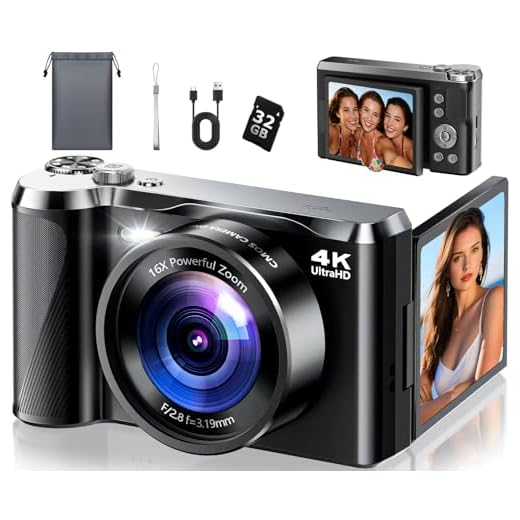

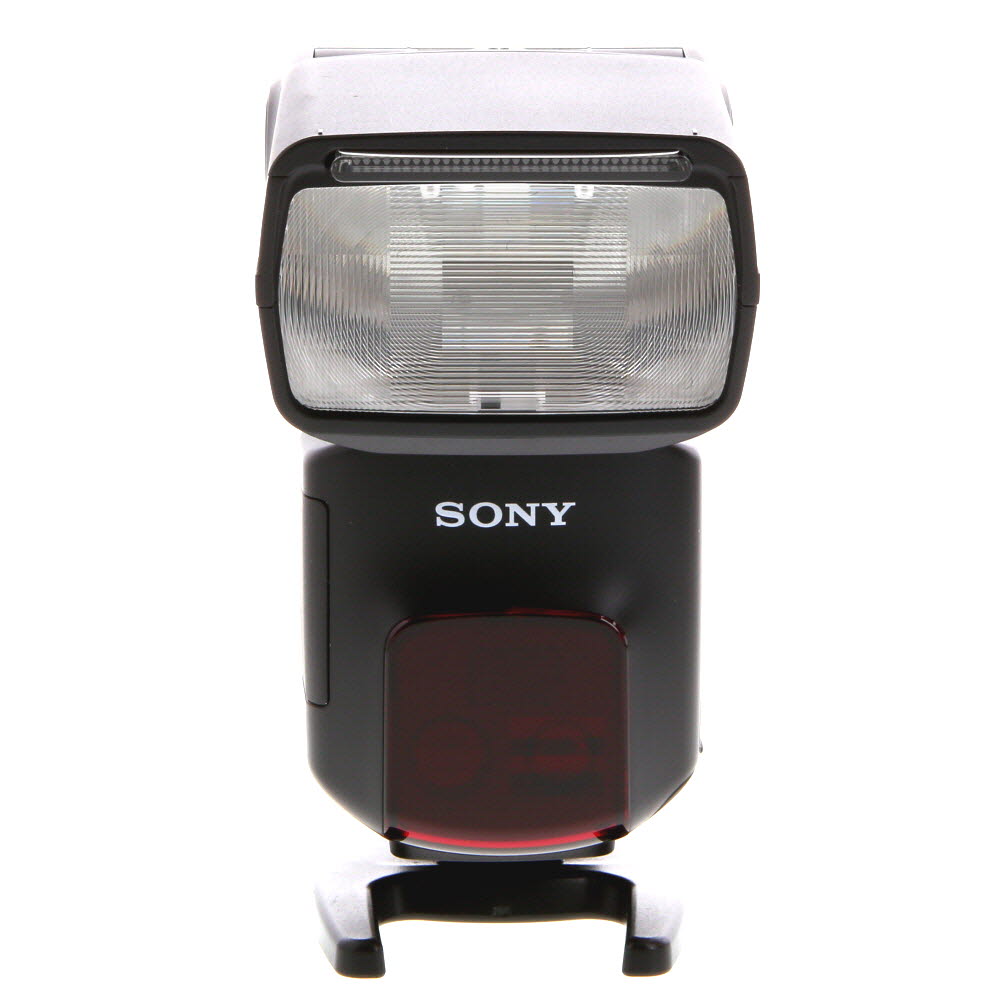
UV light can have a significant impact on image quality, causing color distortion and reducing sharpness. In the past, film cameras were more vulnerable to UV light due to the sensitivity of film emulsions. However, digital cameras use sensors to capture light, which can be less affected by UV radiation.
While digital cameras may offer some protection against UV light, it’s still important to use UV filters to prevent potential damage to the camera’s sensor and ensure the highest quality images. Understanding the impact of UV light on digital cameras can help photographers make informed decisions when capturing photos in various lighting conditions.
Are Digital Cameras Less Affected by UV Light?
Digital cameras are indeed less susceptible to UV light compared to traditional film cameras. The main reason for this is the sensor technology used in digital cameras. Unlike film, digital camera sensors are not sensitive to UV light, as they are designed to capture visible light wavelengths only.
However, some digital camera sensors may still have a slight sensitivity to UV light, but this is usually minimal and does not significantly impact image quality. In contrast, film cameras are more prone to UV light interference, which can result in color shifts and reduced image sharpness.
| Aspect | Digital Cameras | Film Cameras |
|---|---|---|
| Sensitivity to UV Light | Low | High |
| Impact on Image Quality | Minimal | Significant |
| Color Shifts | Rare | Common |
Understanding UV Light and Its Effects
UV light, also known as ultraviolet light, is a type of electromagnetic radiation that is invisible to the human eye. It is divided into three categories: UVA, UVB, and UVC. UVA and UVB are the most commonly encountered types of UV light, with UVC being mostly absorbed by the Earth’s atmosphere.
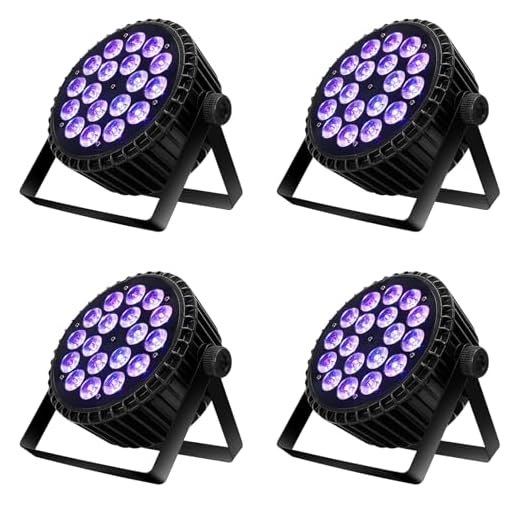
UV light can have both positive and negative effects. On the positive side, exposure to UV light can trigger the production of vitamin D in the skin and help regulate our circadian rhythm. However, excessive exposure to UV light can lead to sunburn, premature aging of the skin, and an increased risk of skin cancer.
When it comes to digital cameras, they are less susceptible to UV light compared to film cameras. Digital sensors are generally less sensitive to UV light, which can result in more accurate color reproduction and reduced image distortion caused by UV rays. However, some digital cameras may still have a UV filter to minimize the impact of UV light on image quality.
Traditional Cameras vs. Digital Cameras
When comparing traditional cameras with digital cameras, one of the key factors to consider is their susceptibility to UV light. Traditional film cameras are more susceptible to UV light because the film itself can be affected by UV radiation, leading to color shifts and loss of image quality. On the other hand, digital cameras are less susceptible to UV light since the sensors and digital processing technology used in these cameras are not as affected by UV radiation. This means that digital cameras can produce more accurate and consistent results when shooting in environments with high UV light levels.
Advantages of Digital Cameras in UV Light Conditions
When it comes to capturing images in UV light conditions, digital cameras have several advantages over traditional film cameras. Here are some key benefits:
| 1. Sensitivity: | Digital cameras are often more sensitive to UV light compared to film cameras, allowing them to capture more details and produce clearer images in UV-rich environments. |
| 2. Instant Feedback: | With a digital camera, photographers can instantly review UV images on the camera’s LCD screen, ensuring that the desired UV effects are achieved before leaving the shooting location. |
| 3. Post-Processing: | Digital images can be easily manipulated and enhanced using software tools to adjust UV levels, contrast, and other elements, providing greater flexibility in creating UV-light effects. |
| 4. Noise Reduction: | Modern digital cameras are equipped with noise reduction algorithms that can help reduce noise in UV images, resulting in cleaner and more professional-looking UV photographs. |
How Digital Cameras Handle UV Light
Digital cameras are generally less susceptible to UV light compared to traditional film cameras. This is because digital camera sensors are designed to be more sensitive to visible light and less sensitive to UV radiation. However, some high-end digital cameras may still have UV filters to prevent UV light from affecting image quality.
UV Filters in Digital Cameras
Some digital cameras come equipped with UV filters that help reduce the impact of UV light on image quality. These filters are typically built into the camera lens or can be attached externally. UV filters can help improve image clarity and reduce the bluish tint that UV light can cause.
It’s important to note that not all digital cameras have UV filters, so it’s worth checking the specifications of your camera to see if it includes this feature. If your camera does not have a built-in UV filter, you can purchase an external filter to help protect your images from the effects of UV light.
Tips for Using Digital Cameras in UV Light
When using a digital camera in UV light, there are several tips to keep in mind to ensure the best results. Here are some important considerations:
1. Use a UV filter
One of the best ways to protect your digital camera from UV light is to use a UV filter. This filter can help reduce the amount of UV light that reaches the camera’s sensor, resulting in clearer and more accurate images.
2. Adjust white balance
UV light can affect the color balance of your photos, so it’s important to adjust the white balance settings on your camera when shooting in UV light. This will help ensure that your photos appear natural and true to life.

| 3. Avoid direct sunlight | Avoid shooting directly into the sun or in harsh sunlight, as this can cause lens flare and reduce image quality. |
| 4. Experiment with exposure settings | Try different exposure settings to find the best balance between capturing UV light and maintaining image quality. |
FAQ
Do digital cameras have special filters to reduce the impact of UV light on photos?
Yes, many digital cameras have built-in UV filters that help reduce the impact of ultraviolet light on photos. These filters can help improve image quality by reducing the haze that is often caused by UV light.
Are digital cameras more resistant to UV light compared to film cameras?
Yes, digital cameras are generally more resistant to UV light compared to film cameras. The sensor in digital cameras is less susceptible to the effects of UV light, resulting in clearer images with less distortion caused by UV rays.


Good article! I'm curious, do all digital cameras have a built-in UV filter, or is it only certain models? I’ve seen some lenses that come with UV filters, but I wasn’t sure about the cameras themselves.
I always thought film cameras had a unique quality, but after reading this, I'm leaning more towards digital for outdoor shoots. Less UV sensitivity sounds like a big plus for clarity.
Thanks for sharing this! I’ve been using a digital camera for a couple of years now and noticed my photos look clearer in bright sunlight compared to my old film camera. I always thought it was just me. I recently got a UV filter for my lens, and it made a huge difference in reducing glare. It’s interesting to see that digital sensors are less affected by UV light. I wonder if that's why I've been getting better shots.
Glad to hear you're enjoying your digital camera! UV filters can definitely enhance image quality in bright conditions. They're a great investment for clearer photos.