
 Carmen J. Moore

Video surveillance has become an integral part of public safety and security measures in many countries. However, the legality of secret video surveillance in public spaces is a controversial topic that raises questions about privacy rights and individual freedoms.
While video surveillance can help prevent crime and provide valuable evidence in investigations, the use of hidden cameras in public places raises concerns about the invasion of privacy.
It is essential to strike a balance between security needs and respecting the privacy rights of individuals when considering the legality of secret video surveillance in public areas.
Is Video Surveillance Legal in Public Places?
In many countries, video surveillance in public places is legal and commonly used as a security measure. These surveillance cameras are installed in public areas such as streets, parks, and transportation hubs to monitor activities and ensure public safety.

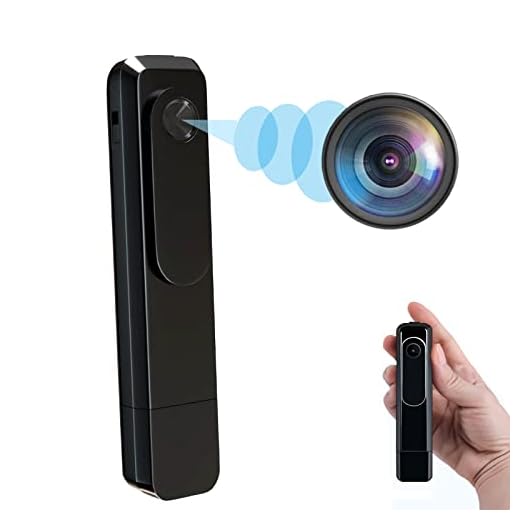

Privacy Concerns
However, the use of video surveillance in public places raises concerns about privacy. Individuals may feel that their every move is being watched and recorded, leading to a sense of invasion of privacy.
Legal Considerations
It is important to note that the legality of video surveillance in public places varies by jurisdiction. Laws and regulations regarding the use of surveillance cameras may differ from one country to another.
Before installing video surveillance in a public place, it is advisable to consult with legal experts to ensure compliance with local laws and regulations.
Understanding the Legal Framework
When it comes to secret video surveillance in public places, the legality of such practices is governed by a complex legal framework that varies from country to country and even from state to state. In general, the key factors that determine the legality of video surveillance in public areas include the expectation of privacy, the purpose of the surveillance, and the consent of individuals being recorded.
In some jurisdictions, video surveillance may be legal in public places where there is no reasonable expectation of privacy, such as streets, parks, or shopping malls. However, in places where individuals have a reasonable expectation of privacy, such as bathrooms or changing rooms, secret video surveillance is likely to be illegal.
Furthermore, the purpose of the surveillance also plays a crucial role in determining its legality. Surveillance carried out for security or law enforcement purposes may be more likely to be deemed legal, while surveillance conducted for voyeuristic or malicious reasons is likely to be illegal.
Finally, the consent of individuals being recorded is another important factor. In many jurisdictions, it is illegal to record individuals without their knowledge or consent, especially in situations where they have a reasonable expectation of privacy.
Overall, it is important to be aware of the legal framework surrounding secret video surveillance in public places and to ensure that any surveillance activities comply with the laws and regulations in your jurisdiction.
Public Surveillance Laws in Different Countries
Public surveillance laws vary from country to country, with some nations having strict regulations in place to protect the privacy of individuals, while others have more lenient policies allowing for widespread monitoring. Here are some examples:
United States
In the United States, public surveillance is legal as long as it does not violate the Fourth Amendment, which protects against unreasonable searches and seizures. However, there are restrictions on where cameras can be placed and how the footage can be used.
United Kingdom
In the United Kingdom, public surveillance is regulated by the Data Protection Act and the Regulation of Investigatory Powers Act. These laws govern the use of CCTV cameras in public spaces and require organizations to follow strict guidelines when collecting and storing footage.
It is important to be aware of the public surveillance laws in your country to understand your rights and responsibilities when it comes to being monitored in public spaces.
Privacy Concerns and Ethical Considerations
While video surveillance in public places can enhance security and help deter crime, it also raises significant privacy concerns and ethical considerations. Individuals may feel that their privacy is being invaded when they are being recorded without their knowledge or consent. This can lead to feelings of discomfort, distrust, and a sense of being constantly monitored.
Furthermore, the use of secret video surveillance in public spaces can raise questions about the balance between security and privacy. There is a delicate balance that must be struck between the need for security and the protection of individual privacy rights. Without proper regulations and oversight, the use of surveillance cameras in public places can potentially infringe on civil liberties and lead to abuses of power.
| One of the key ethical considerations | is the potential for misuse of surveillance footage by authorities or other parties. Unauthorized access to video recordings can result in the violation of individuals’ rights and freedoms. |
| Another ethical concern | is the impact of constant surveillance on societal norms and behaviors. The knowledge that one is being watched at all times can lead to self-censorship and a chilling effect on freedom of expression. |
Benefits of Video Surveillance in Public
Video surveillance in public areas offers numerous benefits for the safety and security of citizens. Some of the key advantages include:
- Crime Deterrence: The presence of video cameras can deter criminal activities such as theft, vandalism, and violence in public spaces.
- Evidence Collection: Video footage can serve as crucial evidence in criminal investigations and legal proceedings, helping law enforcement agencies to identify and apprehend suspects.
- Monitoring Public Spaces: Video surveillance allows for the monitoring of public areas in real-time, enabling authorities to respond quickly to emergencies and ensure public safety.
- Traffic Management: Video cameras can be used to monitor traffic flow, detect accidents, and improve overall traffic management in busy urban areas.
- Preventive Measures: Surveillance systems can help prevent potential crimes by providing a sense of security and discouraging individuals from engaging in illegal activities.
Challenges and Controversies Surrounding Public Surveillance
Public surveillance raises a myriad of challenges and controversies that spark debates about privacy, security, and civil liberties. One of the main concerns is the potential invasion of privacy as individuals feel uneasy being constantly monitored in public spaces.
The Ethics of Surveillance
There is also a growing ethical dilemma surrounding the use of surveillance technologies in public areas. Questions arise about the balance between security measures and individual rights, as well as the accountability and transparency of those conducting the surveillance.
Impact on Society
Furthermore, the widespread implementation of public surveillance systems can have a significant impact on societal norms and behaviors. Some argue that constant monitoring may lead to a culture of fear and self-censorship, affecting freedom of expression and creativity.
In conclusion, the challenges and controversies surrounding public surveillance highlight the need for a balanced approach that considers both security concerns and individual rights.
Technological Advances in Video Surveillance
Video surveillance technology has advanced rapidly in recent years, offering new capabilities and features that enhance security and monitoring. One major advancement is the integration of artificial intelligence (AI) and machine learning algorithms into surveillance systems.
These AI-powered systems can automatically detect and analyze suspicious activities, such as unauthorized access or unusual behavior, allowing for real-time alerts and response. Additionally, high-definition cameras with advanced optics and sensors provide clearer images and better coverage, improving overall surveillance effectiveness.
Facial recognition technology
One of the most controversial advancements in video surveillance is facial recognition technology. This feature enables cameras to identify individuals by comparing their facial features against a database of known faces. While this technology can be a powerful tool for law enforcement and security agencies, it raises concerns about privacy and civil liberties.
Cloud-based storage and remote access
Another significant advancement is the use of cloud-based storage and remote access in video surveillance systems. This allows users to store video footage securely in the cloud and access it from anywhere with an internet connection. It also enables easier integration with other security systems and devices, making surveillance more convenient and efficient.
Public Perception and Acceptance of Video Surveillance
Public perception of video surveillance in public spaces varies significantly. Some individuals view it as a necessary tool for maintaining security and deterring crime, while others see it as an invasion of privacy and a potential violation of civil liberties.
Those in favor of video surveillance argue that it helps law enforcement agencies solve crimes, prevent acts of violence, and create a safer environment for the public. They believe that the benefits of surveillance outweigh the potential drawbacks, such as loss of privacy.
| Pros | Cons |
|---|---|
| Enhanced security | Potential invasion of privacy |
| Crime prevention | Concerns about misuse of data |
| Quick response to incidents | Legal and ethical implications |
On the other hand, opponents of video surveillance raise concerns about the misuse of data, potential abuse of power by authorities, and the lack of transparency surrounding surveillance practices. They argue that surveillance can lead to a chilling effect on public behavior and undermine trust in institutions.
Overall, the acceptance of video surveillance in public spaces is a complex issue that requires a balance between security needs and individual rights. Public education, transparency, and clear regulations are essential in shaping a more informed and responsible approach to video surveillance.
Future Trends in Public Video Surveillance
As technology continues to advance, the future of public video surveillance is likely to see several key trends emerge.
1. Artificial Intelligence (AI): AI-powered video surveillance systems will become more prevalent, enabling advanced analytics, facial recognition, and behavioral analysis.
2. Internet of Things (IoT): Integration of video surveillance with IoT devices will enhance data collection and situational awareness in public spaces.
3. Cloud-Based Solutions: Cloud storage and computing will enable scalable and cost-effective video surveillance systems with remote access and real-time monitoring capabilities.
4. Privacy Concerns: With increased surveillance capabilities, there will be a growing focus on protecting individual privacy rights and ensuring compliance with regulations.
In conclusion, the future of public video surveillance will be shaped by technological advancements, ethical considerations, and the need for effective security measures in public environments.


I recently moved to a city with a lot of public cameras. At first, I found it unsettling, but then I noticed a reduction in crime rates in my neighborhood. It made me think—maybe the presence of cameras does help, but I still wonder about privacy issues. It's a tough balance to strike!
Does this article mean that secret cameras can be used in places like parks? How does that work legally?
Secret cameras can be used in public places like parks where there is no reasonable expectation of privacy. However, the legality can depend on local laws, so it's important to be aware of specific regulations in your area.
I disagree with the idea that video surveillance can deter crime. In my experience, criminals are often smart enough to avoid cameras or find ways around them. It feels like an invasion of privacy without actually solving the problem.
What are the specific laws regarding public surveillance in the United States? I know there are some privacy protections, but I'm not clear on what they actually are.
This article compares the U.S. and U.K. laws well, but how do they compare to other countries, like in Europe or Asia? I'd be curious to see if there's a more robust framework elsewhere.