Carmen J. Moore

Video surveillance technology has come a long way since its inception, revolutionizing the way we monitor and secure our surroundings. From the early days of grainy black-and-white images to the high-definition, real-time footage we have today, the evolution of video surveillance has been nothing short of remarkable.
Initially used primarily for security purposes, video surveillance has now expanded its reach to various industries and applications, including retail, transportation, and even smart cities. The advancements in camera technology, storage solutions, and analytics have made video surveillance more efficient, cost-effective, and reliable than ever before.
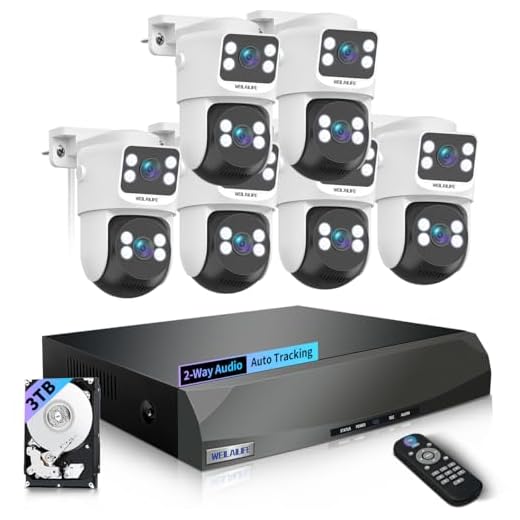

As we continue to witness the rapid evolution of video surveillance technology, it is clear that the future holds even more exciting possibilities. With the integration of artificial intelligence, facial recognition, and cloud-based solutions, video surveillance is poised to become an indispensable tool for ensuring safety and security in an increasingly complex world.
Exploring the Evolution of Video Surveillance Technology
Video surveillance technology has come a long way since its inception. From grainy black-and-white footage to high-definition cameras with advanced features, the evolution of video surveillance technology has been remarkable.
The Early Days
In the early days, video surveillance systems consisted of bulky cameras connected to VCRs for recording. The quality of the footage was poor, and the systems were expensive and difficult to install.
Advancements in Technology
With the advent of digital technology, video surveillance systems became more compact, affordable, and easy to use. High-definition cameras with motion detection, night vision, and remote access capabilities have revolutionized the industry.
Today, video surveillance technology continues to evolve with the integration of artificial intelligence and cloud-based storage solutions, making it easier than ever to monitor and secure properties.
Early Beginnings and Analog Systems
Video surveillance technology can trace its roots back to the early 20th century when closed-circuit television (CCTV) systems were first developed. These analog systems used bulky cameras connected by wires to monitors, allowing for basic video monitoring of specific areas.
While these analog systems were a significant advancement in security technology at the time, they were limited in their capabilities and often produced low-quality video footage. The evolution of video surveillance technology would soon lead to the development of digital systems, revolutionizing the industry.
Digital Revolution and IP Cameras
In recent years, the digital revolution has significantly transformed the field of video surveillance. One of the most notable developments is the widespread adoption of IP cameras. Unlike traditional analog cameras, IP cameras digitize video footage and transmit it over a network, allowing for remote access and advanced features.
IP cameras offer high-definition resolution, superior image quality, and advanced analytics capabilities. They can be easily integrated with other security systems and accessed from any device with an internet connection. This shift towards digital technology has revolutionized the way surveillance systems are designed, implemented, and managed.
Integration with AI and Machine Learning
One of the most significant advancements in video surveillance technology is the integration with artificial intelligence (AI) and machine learning. These technologies have revolutionized the way surveillance systems operate by enabling advanced analytics and automation.
AI-powered video analytics can detect and track objects, recognize faces, and even predict potential security threats. Machine learning algorithms can analyze vast amounts of video data to identify patterns and anomalies, helping security personnel to proactively respond to incidents.
Furthermore, AI and machine learning integration allow for real-time monitoring and alerts, reducing the need for constant human oversight. This not only enhances the efficiency of surveillance systems but also improves overall security measures.
Enhanced Analytics and Real-time Monitoring
One of the most significant advancements in video surveillance technology is the integration of enhanced analytics and real-time monitoring capabilities. These features utilize advanced algorithms and artificial intelligence to analyze video footage in real-time, allowing for immediate detection of suspicious activities or events.
Enhanced analytics can automatically identify specific objects, behaviors, or patterns, such as unauthorized access, loitering, or abandoned objects. This not only helps in detecting security threats more efficiently but also enables proactive measures to be taken to prevent potential incidents.
Real-time monitoring allows security personnel to actively monitor live video feeds and receive instant alerts when predefined criteria are met. This enables quick response times to security breaches or emergencies, enhancing overall safety and security levels.
Cloud-Based Solutions and Remote Access
One of the most significant advancements in video surveillance technology is the shift towards cloud-based solutions. Cloud-based video surveillance systems offer numerous advantages, including scalability, flexibility, and cost-effectiveness. With cloud-based solutions, users can store their video footage securely in the cloud, eliminating the need for on-site storage devices.
Another key benefit of cloud-based solutions is remote access. Users can access live and recorded video footage from anywhere with an internet connection, using a computer, smartphone, or tablet. This provides users with greater flexibility and convenience, allowing them to monitor their premises in real-time and review footage remotely.
| Advantages of Cloud-Based Solutions: |
|---|
| Scalability |
| Flexibility |
| Cost-Effectiveness |
| Remote Access |
The Future of Video Surveillance Technology
As technology continues to advance at a rapid pace, the future of video surveillance is set to be even more sophisticated and intelligent. Here are some key trends to watch out for:
- AI and Machine Learning: Video surveillance systems will increasingly utilize AI and machine learning algorithms to analyze video footage in real-time, enabling more accurate object detection, behavior analysis, and anomaly detection.
- Cloud-Based Solutions: Cloud-based video surveillance platforms will become more prevalent, offering scalability, remote access, and easier integration with other security systems.
- High-Resolution Cameras: The adoption of 4K and even higher resolution cameras will provide clearer and more detailed video footage, enhancing identification and forensic analysis capabilities.
- IoT Integration: Video surveillance systems will be integrated with Internet of Things (IoT) devices, enabling more comprehensive monitoring and automation of security processes.
- Privacy and Ethics: As surveillance technology becomes more advanced, there will be increasing concerns about privacy and ethics, leading to the development of regulations and standards to protect individuals’ rights.
Overall, the future of video surveillance technology promises to revolutionize the way we monitor and secure our environments, offering greater efficiency, accuracy, and insight into potential threats.