
 Carmen J. Moore

Digital cameras have revolutionized the way we capture and store memories. These devices use cutting-edge technology to capture images and videos in a digital format, making it easier to share and edit them. But have you ever wondered how digital cameras actually work?


The process of digital photography involves several key components that work together seamlessly to produce high-quality images. From capturing light to processing images, digital cameras rely on intricate mechanisms to deliver stunning results.
The Basics of Digital Cameras
When it comes to capturing moments and memories, digital cameras have revolutionized the way we take photos. Understanding the basics of digital cameras can help you make the most of this technology.
How Digital Cameras Work
Digital cameras use an image sensor to capture light and convert it into digital data. This data is then processed and stored on a memory card as a digital image file. The quality of the image is determined by factors such as the resolution of the sensor and the lens.
Key Components of a Digital Camera
| Sensor | The sensor is the heart of a digital camera, capturing the image and converting it into data. |
| Lens | The lens focuses the light onto the sensor, determining the sharpness and clarity of the image. |
| Processor | The processor handles the data captured by the sensor, processing it to create the final image file. |
| Memory Card | The memory card stores the digital image files for later viewing or printing. |
Understanding Camera Resolution
When it comes to digital cameras, resolution refers to the number of pixels that make up an image. The higher the resolution, the more detail the camera can capture. Resolution is typically measured in megapixels (MP), with one megapixel equal to one million pixels.
Higher resolution cameras can produce sharper and more detailed images, making them ideal for printing or enlarging photos without losing quality. However, keep in mind that higher resolution cameras also produce larger file sizes, which can take up more storage space on your memory card or computer.

It’s important to consider your intended use for the photos when choosing a camera with the right resolution. For casual snapshots and social media sharing, a camera with a resolution of 8-12 MP should suffice. If you plan on printing large posters or cropping photos extensively, you may want to opt for a camera with a resolution of 16 MP or higher.
Ultimately, the best camera resolution for you depends on your specific needs and preferences. Whether you’re a professional photographer or a hobbyist, understanding camera resolution can help you make informed decisions when selecting a digital camera.
Choosing the Right Camera Lens
When it comes to selecting a camera lens, there are several factors to consider to ensure you get the right one for your photography needs. Here are some key points to keep in mind:
Focal Length: The focal length of a lens determines its angle of view and magnification. Wide-angle lenses have shorter focal lengths and are great for capturing landscapes or group shots, while telephoto lenses have longer focal lengths and are ideal for close-up shots or sports photography.
Aperture: The aperture of a lens controls the amount of light that enters the camera. A wider aperture (lower f-stop number) allows more light to come in, making it ideal for low-light situations or creating a shallow depth of field for portraits. On the other hand, a narrower aperture (higher f-stop number) is better for capturing landscapes or scenes with greater depth of field.
Image Stabilization: Some lenses come with built-in image stabilization to reduce blur caused by camera shake. This feature can be especially useful when shooting in low light or using a telephoto lens.
Compatibility: Make sure the lens you choose is compatible with your camera body. Different camera brands have their own lens mounts, so ensure that the lens you pick fits your camera model.
By considering these factors and doing some research on the specific type of photography you plan to do, you can select the right camera lens that will help you achieve your desired results.
Exploring Camera Sensor Sizes
When it comes to digital cameras, one of the most important components to consider is the camera sensor size. The sensor is the part of the camera that captures the light and turns it into a digital image. The size of the sensor can have a significant impact on the image quality, low-light performance, depth of field, and overall versatility of the camera.
Common Sensor Sizes:
- Full Frame (35mm)
- APS-C (Crop Sensor)
- Micro Four Thirds
- Medium Format
Full-frame sensors are the largest and offer the best image quality and low-light performance. APS-C sensors are smaller but still provide good image quality and are commonly found in entry-level and mid-range cameras. Micro Four Thirds sensors are even smaller but are popular for their compact size and versatility. Medium format sensors are the largest and are typically found in professional-grade cameras for the highest image quality.
Mastering Camera Exposure Settings
Understanding how to adjust your camera’s exposure settings is crucial for capturing high-quality photos. The exposure settings on a digital camera control the amount of light that enters the camera, ultimately determining the brightness or darkness of your image.
Aperture: Adjusting the aperture setting controls the size of the opening in the lens, which affects how much light is allowed to enter the camera. A lower f-stop (wider aperture) lets in more light, while a higher f-stop (smaller aperture) lets in less light.
Shutter Speed: Shutter speed dictates how long the camera’s shutter remains open to allow light to hit the sensor. A faster shutter speed freezes motion but lets in less light, while a slower shutter speed captures motion blur but allows more light.
ISO: The ISO setting determines the camera’s sensitivity to light. A lower ISO is less sensitive and best for bright conditions, while a higher ISO is more sensitive and suitable for low-light situations. However, higher ISO settings can introduce noise or graininess to your photos.
By mastering these exposure settings and understanding how they work together, you can achieve the desired exposure for your photos and enhance your photography skills.

Learning about Camera Autofocus Systems
Autofocus is a crucial feature in modern digital cameras that helps photographers achieve sharp and clear images. Understanding how autofocus systems work can significantly improve your photography skills. Here are some key points to consider:
1. Types of Autofocus Systems
There are several types of autofocus systems, including contrast-detection autofocus, phase-detection autofocus, and hybrid autofocus. Each system has its strengths and weaknesses, so it’s essential to know which one your camera uses.
2. Autofocus Modes
Most cameras offer different autofocus modes, such as single-shot autofocus, continuous autofocus, and manual focus. Learning how to switch between these modes can help you capture moving subjects or adjust focus manually for creative effects.
- Single-shot autofocus: Locks focus when the shutter button is pressed halfway.
- Continuous autofocus: Adjusts focus continuously as the subject moves.
- Manual focus: Allows you to manually adjust the focus using the focus ring on the lens.
By mastering autofocus systems and modes, you can take full advantage of your camera’s capabilities and capture stunning images with ease.
Utilizing Camera Shooting Modes
Modern digital cameras come equipped with a variety of shooting modes that allow you to capture different types of photographs in various situations. Understanding and utilizing these shooting modes can help you take your photography skills to the next level.
Auto Mode
The auto mode is ideal for beginners or when you want the camera to make all the decisions for you. In this mode, the camera automatically adjusts settings like aperture, shutter speed, and ISO to produce well-exposed images.
Manual Mode
For advanced photographers, manual mode provides full control over the camera settings. You can adjust aperture, shutter speed, and ISO independently to achieve the desired exposure and creative effects.
Experimenting with different shooting modes can help you understand how they work and when to use them to capture stunning photos in any situation.
Editing Photos with Camera Software
After capturing photos with your digital camera, the next step is to edit and enhance them using camera software. Most digital cameras come with built-in software that allows you to adjust settings such as brightness, contrast, saturation, and color balance. You can also crop, rotate, and resize your photos to improve composition. Additionally, camera software often includes filters and effects to add creative touches to your images.
Sharing Photos from Your Camera
Once you’ve captured the perfect photos with your digital camera, it’s time to share them with others. Here are some common ways to share your photos:

1. Transfer to Computer: Connect your camera to your computer using a USB cable or memory card reader to transfer photos to your computer for easy sharing.
2. Social Media: Upload your photos to social media platforms like Facebook, Instagram, or Twitter to share with friends and family.
3. Online Storage: Store your photos on cloud storage services like Google Drive, Dropbox, or iCloud for easy access and sharing from anywhere.
4. Print and Share: Print your photos at home or through a photo printing service to share physical copies with others.
5. Email: Attach your photos to an email and send them directly to friends and family for a more personal touch.

By sharing your photos, you can showcase your photography skills and create lasting memories with others.
Protecting Your Camera Gear
Investing in a high-quality camera gear is essential for capturing stunning photos, so it’s important to protect your investment. Here are some tips to help you keep your camera gear safe:
1. Use a Camera Bag
Transport your camera and lenses in a padded camera bag to protect them from bumps and scratches. Make sure the bag is water-resistant to shield your gear from the elements.
2. Use Lens Filters
Protect your lenses from dust, dirt, and scratches by using UV or clear filters. These filters can also improve image quality and reduce glare in bright conditions.
- Always clean your lens filters regularly to maintain optimal image quality.
By following these tips, you can ensure that your camera gear stays in top condition and ready for your next photography adventure.
Investing in Camera Accessories
When shopping for camera accessories, it’s important to consider the specific needs of your photography style. Here are some essential accessories to consider:
- Lenses: Invest in high-quality lenses to enhance the capabilities of your camera and achieve different effects.
- Tripod: A stable tripod is essential for capturing sharp images, especially in low light conditions or when shooting long exposures.
- Camera Bag: Protect your camera and accessories with a durable and well-padded camera bag for easy transportation and storage.
- Memory Cards: Invest in high-capacity and high-speed memory cards to ensure you never run out of storage space or miss important shots.
- Filters: Consider investing in filters like UV, polarizing, or ND filters to enhance the quality of your images and protect your lens.
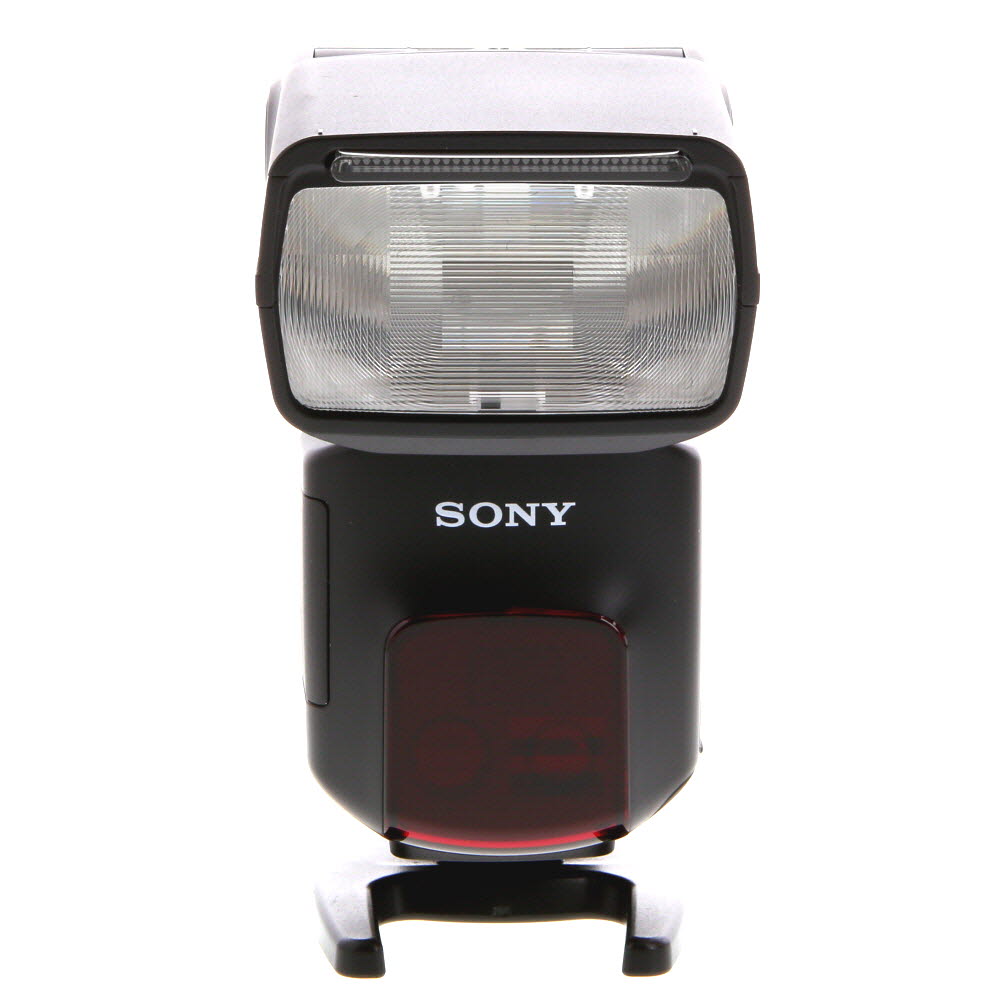
- External Flash: An external flash can provide better lighting options and improve the quality of your photos in low light situations.
- Cleaning Kit: Keep your camera and lenses in top condition with a cleaning kit that includes a blower, lens cloth, and cleaning solution.
By investing in the right camera accessories, you can take your photography to the next level and ensure you have everything you need to capture stunning images.
FAQ
How does a digital camera work?
A digital camera works by capturing light through a lens and converting it into digital data. The light enters the camera through the lens, which focuses it onto a sensor. The sensor then converts the light into electrical signals, which are processed by the camera’s image processor and stored as digital files on a memory card.
What are the key components of a digital camera?
The key components of a digital camera include the lens, sensor, image processor, memory card, LCD screen, and battery. The lens captures light and focuses it onto the sensor, which converts the light into digital data. The image processor processes the data and stores it on the memory card. The LCD screen is used for framing and reviewing photos, while the battery provides power to the camera.
What is the difference between optical zoom and digital zoom in a digital camera?
Optical zoom uses the camera’s lens to magnify the image optically, resulting in higher image quality without loss of resolution. Digital zoom, on the other hand, enlarges the image digitally by cropping and enlarging a portion of the image captured by the sensor, which can lead to a loss of image quality and resolution. It is generally recommended to use optical zoom whenever possible for better image quality.



Can someone clarify what the difference between contrast-detection and phase-detection autofocus is? I keep hearing about both but don't really understand them.
Sure! Contrast-detection autofocus focuses by detecting contrast within the image, which can be slower. Phase-detection autofocus uses special pixels on the sensor to quickly gauge focus, making it faster and more effective for moving subjects.
I've been using an APS-C camera for a few years now, and I was hesitant to upgrade to full-frame due to the cost. But after shooting in low light recently, I realized how much more detail I could capture with a full-frame sensor. The investment seems worth it if you’re serious about photography!
Thanks for sharing your experience! Many photographers find that full-frame sensors provide a significant improvement in image quality, especially in challenging lighting conditions.
I'm curious about how different sensor sizes affect image quality. Can anyone explain the practical differences between full-frame and APS-C sensors?