
 Carmen J. Moore

Today, with the advancements in technology, we have the luxury of capturing moments with ease using cameras that are readily available in our smartphones and digital cameras. While both devices serve the purpose of taking photos, there are significant differences between a phone camera and a digital camera.
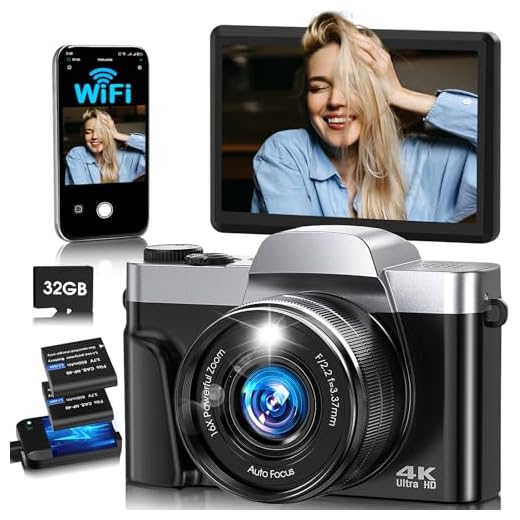
A phone camera, typically found in smartphones, is designed for convenience and portability. It is integrated into the device and allows users to snap pictures on-the-go without the need for additional equipment. On the other hand, a digital camera is a standalone device specifically built for photography, offering higher resolution, manual controls, and interchangeable lenses for professional-level shots.
When comparing the two, it is essential to consider factors such as image quality, flexibility, and usability. While phone cameras are convenient and suitable for everyday use, digital cameras provide superior image quality and more advanced features for photography enthusiasts and professionals.

The Main Differences
Phone cameras and digital cameras have some distinct differences that set them apart in terms of features, performance, and usability. Here are some of the main differences between the two:
Size and Portability
Phone cameras are compact and built into the device, making them easy to carry around and always available for quick snapshots. On the other hand, digital cameras are bulkier and require a separate bag or case for transportation.
Image Quality
Digital cameras typically offer higher image quality with better resolution, color accuracy, and dynamic range compared to phone cameras. This is due to the larger image sensors and more advanced optics found in digital cameras.
| Feature | Phone Camera | Digital Camera |
|---|---|---|
| Image Quality | Lower | Higher |
| Controls and Settings | Limited | Extensive |
| Zoom | Digital | Optical |
| Manual Settings | Basic | Advanced |
Resolution and Quality
One of the key differences between phone cameras and digital cameras is the resolution and quality of the images they produce. Digital cameras typically have higher resolution sensors and better optics, allowing them to capture more detail and produce sharper images compared to phone cameras.
Phone cameras, on the other hand, have smaller sensors and lenses, which can result in lower image quality, especially in low light conditions. While phone cameras have improved significantly over the years, they still generally can’t match the image quality of dedicated digital cameras.

Portability and Convenience
One of the key advantages of using a phone camera over a digital camera is portability. Phone cameras are built into devices that most people carry with them every day, making them easy to access and use at a moment’s notice. Digital cameras, on the other hand, are larger and more cumbersome to carry around, requiring a separate bag or case.
Furthermore, phone cameras offer the convenience of instant sharing. With a phone camera, you can snap a photo and immediately share it with friends and family via social media or messaging apps. Digital cameras usually require you to transfer photos to a computer before sharing them, adding an extra step to the process.
Optical Zoom and Digital Zoom
One key difference between phone cameras and digital cameras is the zoom capability. Both types of cameras offer zoom functionality, but they employ different methods: optical zoom and digital zoom.
Optical Zoom: Digital cameras typically come with optical zoom, which physically adjusts the lens to magnify the image. This results in higher quality images as the zoom is achieved through the lens rather than software manipulation. Optical zoom allows you to get closer to the subject without sacrificing image quality.
Digital Zoom: Phone cameras, on the other hand, often rely on digital zoom, which enlarges the image using software algorithms. While digital zoom can make the subject appear closer, it can lead to a loss of image quality as the software essentially crops and enlarges the existing image. This can result in pixelation and reduced sharpness.
Manual Controls and Settings
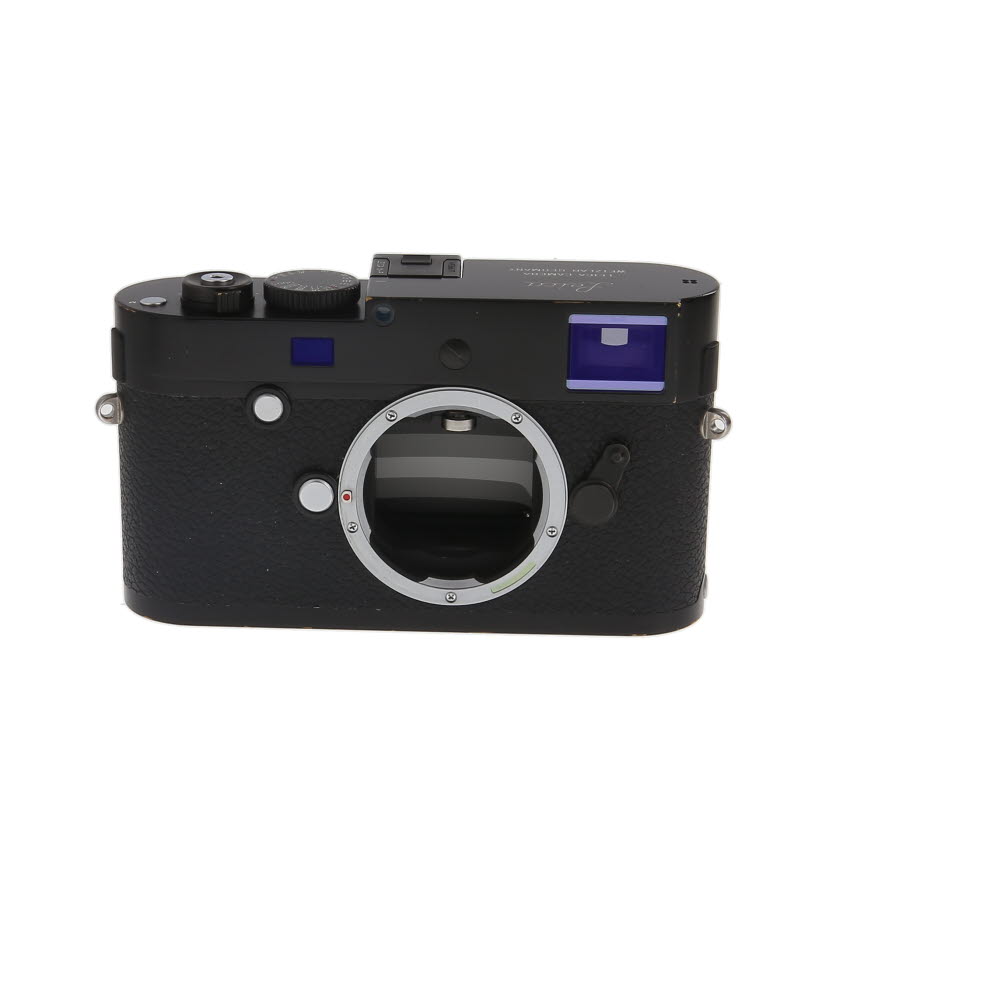
One of the key differences between phone cameras and digital cameras is the level of manual controls and settings available. Digital cameras typically offer a wide range of manual controls, allowing users to adjust settings such as aperture, shutter speed, ISO, white balance, and focus manually. This gives photographers more creative control over their images and allows them to customize the settings to achieve the desired results.
On the other hand, phone cameras usually have limited manual controls and settings. While some smartphones offer basic manual controls like exposure compensation and white balance adjustment, the level of customization is often restricted compared to digital cameras. Phone cameras are designed to be user-friendly and convenient, with most settings being automatically adjusted by the camera software to produce decent results without the need for manual intervention.
Ultimately, the availability of manual controls and settings is an important factor to consider when choosing between a phone camera and a digital camera, depending on your photography needs and preferences.
Image Processing and Filters
One of the key differences between phone cameras and digital cameras lies in the image processing and filters they offer. Phone cameras often come equipped with built-in filters that allow users to enhance their photos with various effects such as black and white, sepia, or vintage looks. These filters can be applied directly within the camera app, giving users the ability to quickly and easily change the appearance of their photos.
Digital cameras, on the other hand, typically offer more advanced image processing capabilities. They may have a wider range of filters and editing options, allowing photographers to fine-tune their images in more detail. Digital cameras also often provide RAW image format support, which preserves more image data and allows for greater flexibility in post-processing.
Storage and Memory
Phone Camera: Phone cameras typically have limited internal storage for saving photos and videos. They rely on the device’s internal memory or external memory cards to store images and videos. The amount of storage available varies depending on the phone model.
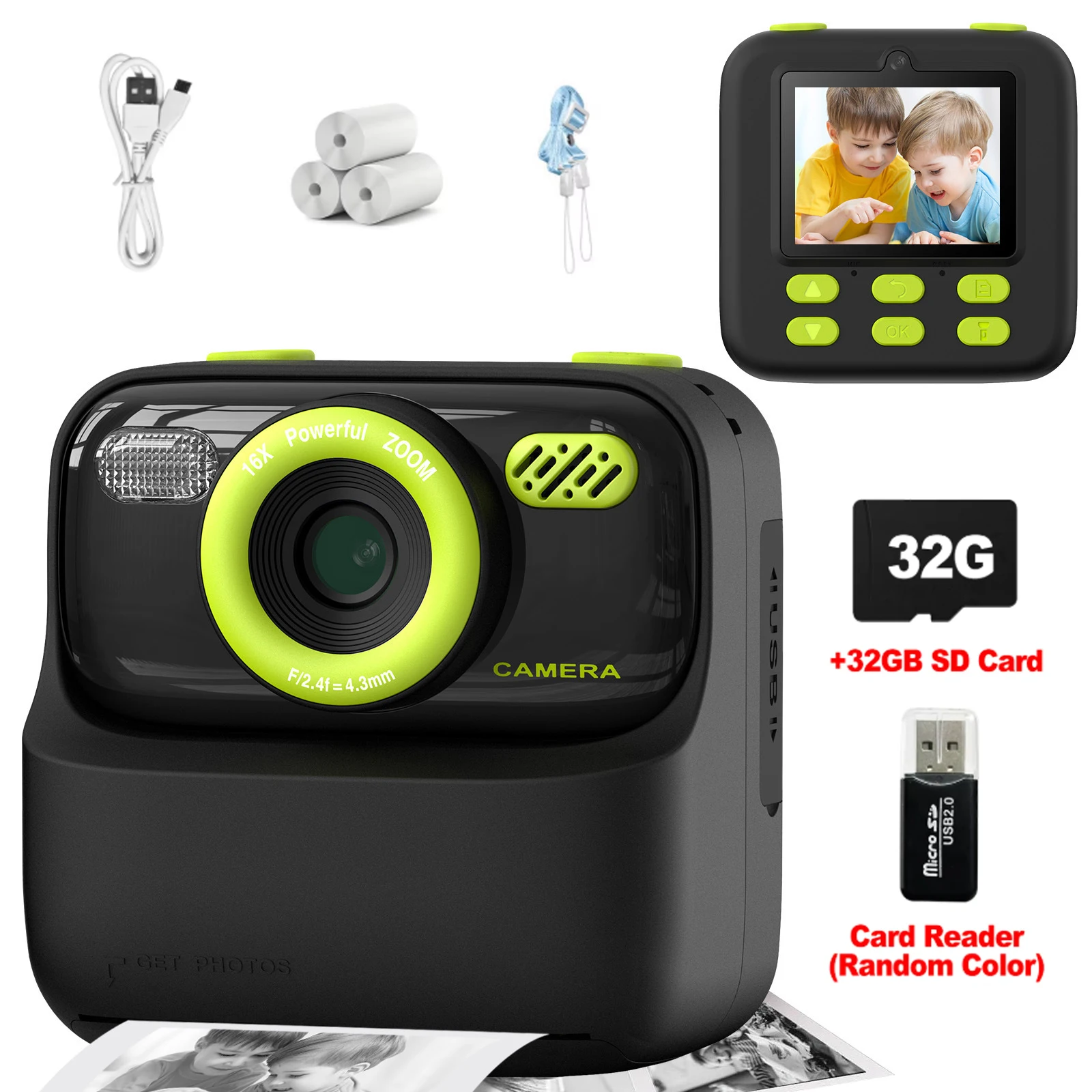
Digital Camera: Digital cameras often have dedicated storage options such as SD cards or internal memory cards. These cameras usually offer more storage capacity compared to phone cameras, allowing users to capture a larger number of high-resolution images and videos.
Price and Affordability
One of the key differences between phone cameras and digital cameras is the price and affordability. Phone cameras are typically more affordable than digital cameras. Since most people already own a smartphone with a built-in camera, they don’t need to invest in a separate device for capturing photos and videos.
On the other hand, digital cameras come in a wide range of prices depending on the brand, features, and quality. Professional-grade digital cameras can be quite expensive, while entry-level models are more budget-friendly. Additionally, digital cameras require additional accessories like lenses, memory cards, and tripods, which can add to the overall cost.
Low Light Performance
When it comes to shooting in low light conditions, digital cameras tend to outperform phone cameras. Digital cameras have larger sensors and better image processing capabilities, allowing them to capture more light and produce higher quality images in low light situations.

Phone cameras, on the other hand, often struggle in low light conditions due to their smaller sensors and limited image processing capabilities. This can result in grainy or noisy photos with poor color reproduction.
In general, if you frequently find yourself shooting in low light environments, investing in a digital-cameras/best-digital-camera-with-android/" class="sa-auto-link" data-sa-rule="7210" title="digital camera with">digital camera with a larger sensor and better low light performance may be worth considering.
Special Features and Functions
Phone cameras and digital cameras come with a range of special features and functions that cater to different photography needs.
Phone Camera:
Phone cameras are designed to be compact and convenient for everyday use. They typically offer features like portrait mode, night mode, and various filters to enhance photos. Many phone cameras also come with built-in editing tools and the ability to instantly share photos on social media platforms. However, due to their small size, phone cameras may not offer the same level of control over settings like aperture and shutter speed as dedicated digital cameras.
Digital Camera:
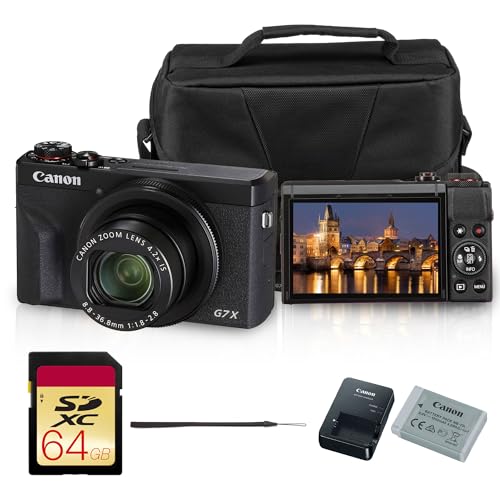
Digital cameras are designed for more advanced photography enthusiasts and professionals. They offer a wider range of features and functions, such as interchangeable lenses, manual controls for adjusting settings like ISO, aperture, and shutter speed, and higher resolution sensors for capturing detailed images. Digital cameras also typically have larger sensors than phone cameras, which results in better image quality, especially in low-light conditions. Additionally, digital cameras often offer the option to shoot in RAW format, allowing for more flexibility in post-processing.

| Feature | Phone Camera | Digital Camera |
|---|---|---|
| Interchangeable Lenses | No | Yes |
| Manual Controls | Limited | Extensive |
| Image Quality | Good for everyday use | Higher quality, especially in low light |
| Post-Processing Options | Basic editing tools | RAW format support |
FAQ
What are the main differences between a phone camera and a digital camera?
A phone camera is typically smaller and more compact compared to a digital camera. Phone cameras are integrated into smartphones and are designed for convenience and ease of use, while digital cameras are standalone devices with more advanced features and settings.
Can a phone camera replace a digital camera?
While phone cameras have improved significantly in recent years and can capture high-quality images, they still have limitations compared to digital cameras. Digital cameras generally have larger sensors, better optical zoom capabilities, and more manual settings, making them better suited for professional photography.


I read that digital cameras offer RAW formats. Can you explain why this is important for photographers and how it affects photo quality?
I disagree that phone cameras are only for casual use. I've seen some amazing shots taken with them, especially with the latest models. They can compete in many situations, especially for social media.
What are some specific scenarios where a digital camera would outperform a phone camera? I'm curious about practical examples.
I've used both types of cameras, and honestly, I find my phone camera handy for everyday moments, but my digital camera shines during vacations when I want high-quality shots.