
 Carmen J. Moore

Film cameras and digital cameras have been two popular choices for photography enthusiasts for decades. While both are used to capture images, there are some key differences between the two technologies that set them apart.
One of the biggest differences between film and digital cameras lies in the medium used to capture images. Film cameras use photographic film, which is a light-sensitive material that captures an image when exposed to light. On the other hand, digital cameras use an electronic sensor to capture images, which converts light into electrical signals that are then processed and stored digitally.
Another significant difference is the way images are stored and processed. With film cameras, images need to be developed using a chemical process before they can be viewed. In contrast, digital cameras store images on memory cards or internal memory, allowing photographers to instantly view and share their photos without the need for development.
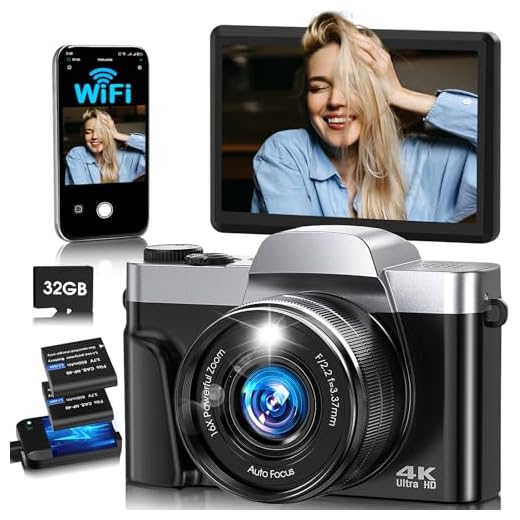
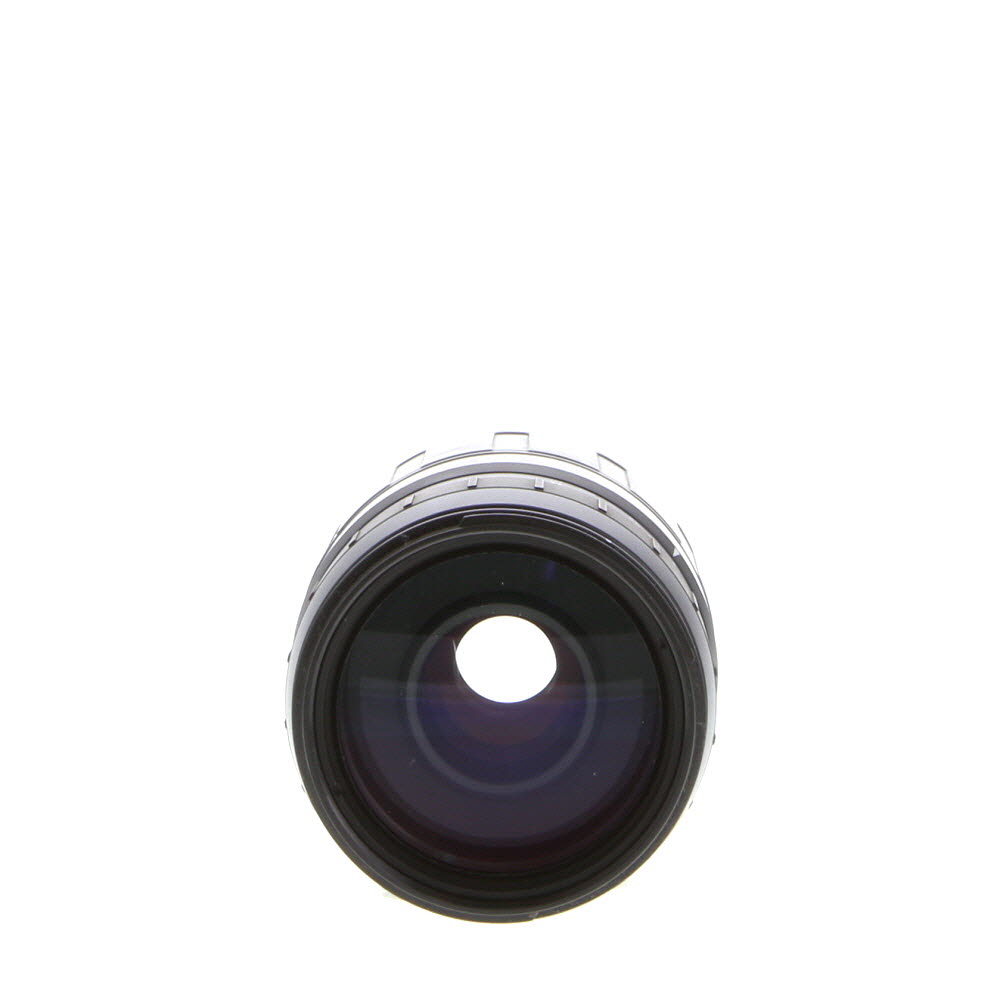
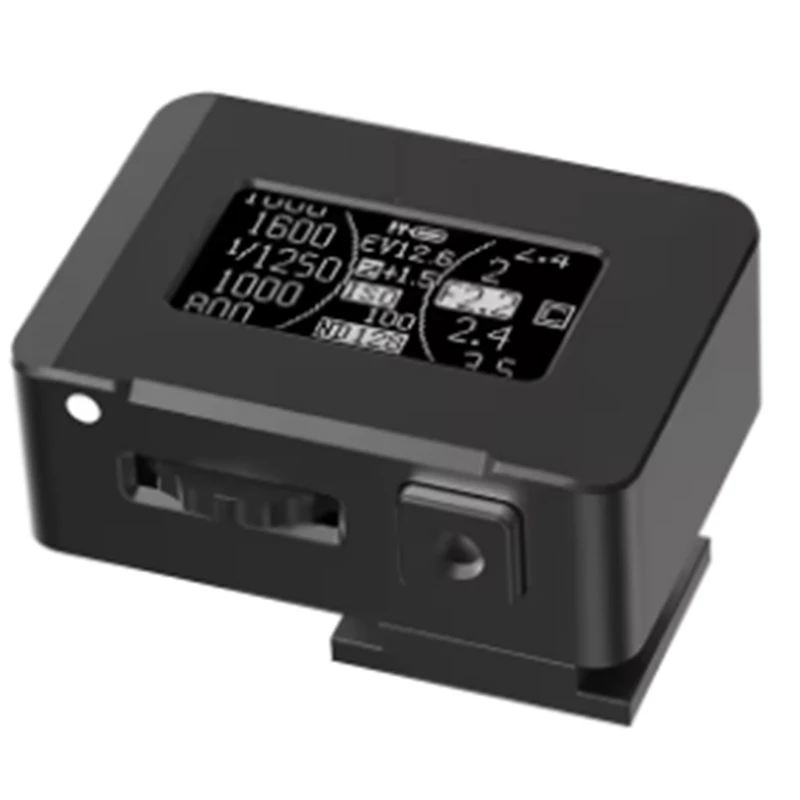

The Main Distinction Between Film and Digital Cameras
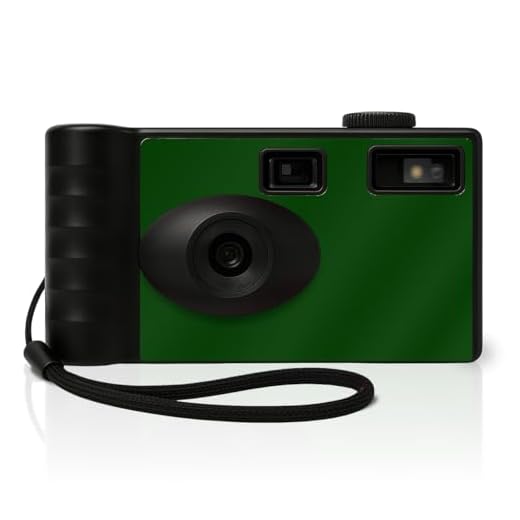
When comparing film and digital cameras, one of the biggest differences lies in the way they capture and store images. Film cameras use photographic film to record images, while digital cameras use electronic sensors to capture and store digital images.
Key Differences:
- Film cameras require physical film rolls that need to be developed, while digital cameras store images on memory cards that can be transferred to a computer for viewing and editing.
- Digital cameras offer instant feedback with LCD screens for reviewing images, while film cameras require waiting until the film is developed to see the results.
- Digital cameras provide the flexibility of adjusting settings and shooting modes on the go, while film cameras require manual adjustments for each shot.
Overall, the transition from film to digital photography has revolutionized the way images are captured, stored, and shared, making digital cameras a popular choice for modern photographers.
Image Processing Techniques
One of the major differences between film and digital cameras lies in the way images are processed. In film photography, the image is captured on light-sensitive film and then goes through a chemical development process to create a physical print. This process involves various steps such as developing, fixing, washing, and drying the film.
On the other hand, digital cameras capture images using an electronic sensor and store them as digital files. These digital files can be processed using a variety of software tools to enhance and manipulate the image. Common image processing techniques in digital photography include adjusting brightness and contrast, cropping, resizing, and applying filters.
While film photography relies on traditional darkroom techniques for image processing, digital photography offers a wide range of possibilities for creative manipulation and editing. This flexibility is one of the key advantages of digital cameras over film cameras.
Resolution and Quality
One of the biggest differences between film and digital cameras is the resolution and quality of the images they produce. Film cameras capture images on film, which has a limited resolution determined by the type of film used. On the other hand, digital cameras capture images using sensors that can vary in resolution, typically measured in megapixels.
Digital cameras generally offer higher resolution and image quality compared to film cameras. This is because digital sensors can capture more detail and produce sharper images. Additionally, digital images can be easily edited and enhanced using software, allowing for greater flexibility in post-processing.
On the other hand, film cameras have a unique aesthetic and character that many photographers appreciate. Film images often have a distinct look and feel that is difficult to replicate with digital cameras. Some photographers prefer the nostalgic and analog qualities of film photography, which can create a more artistic and authentic touch to their work.
Cost and Convenience
One of the biggest differences between film and digital cameras is the cost and convenience factor. Film cameras require the purchase of film rolls, which can add up over time. Developing and printing photos from film can also be costly and time-consuming. On the other hand, digital cameras offer the convenience of being able to view and delete photos instantly, without the need for printing. With digital cameras, you can also easily transfer photos to your computer or other devices for sharing or storage. Additionally, digital cameras eliminate the need for film rolls and developing costs, making them a more cost-effective option in the long run.
| Aspect | Film Camera | Digital Camera |
|---|---|---|
| Initial Cost | Lower | Higher |
| Operating Cost | Higher (film rolls, developing) | Lower (no film rolls, instant viewing) |
| Convenience | Lower (need to develop film) | Higher (instant viewing, easy transfer) |
Physical Storage of Images
One of the biggest differences between film and digital cameras is the way they store images. Film cameras use physical film to capture images, which must be developed and processed before the images can be viewed. On the other hand, digital cameras store images electronically on memory cards or internal storage. This allows for immediate viewing and easy transfer of images to a computer or other devices. Digital cameras also offer the convenience of deleting unwanted images and reusing the storage space, unlike film cameras where each frame is precious and cannot be easily erased.

Instant Feedback on Captured Images
One of the biggest advantages of digital cameras over film cameras is the instant feedback that digital cameras provide. With a digital camera, you can review the images you’ve taken immediately after capturing them, allowing you to make adjustments to settings or composition on the spot. This instant feedback can help you improve your photography skills by allowing you to see the results of your work in real-time.
Environmental Impact of Film vs Digital
When comparing film and digital cameras, one important aspect to consider is their environmental impact. Both technologies have their pros and cons in terms of sustainability and eco-friendliness.
Film Cameras:
Pros: Film cameras have a lower carbon footprint compared to digital cameras because they do not require electricity to operate. Additionally, film is a physical medium that can be recycled or disposed of properly.
Cons: The production and processing of film involve chemicals and resources that can be harmful to the environment if not managed properly. The disposal of film can also contribute to waste accumulation in landfills.
Digital Cameras:
Pros: Digital cameras have the advantage of being more energy-efficient since they do not rely on film processing. They also allow for easy sharing and storage of images, reducing the need for physical prints.

Cons: The manufacturing of digital cameras and their components can have a significant environmental impact due to the extraction of raw materials and energy consumption. E-waste from discarded digital cameras can also pose a threat to the environment if not recycled properly.
Creative Control and Flexibility
One of the biggest differences between film and digital cameras is the level of creative control and flexibility they offer to photographers. Digital cameras provide photographers with a wide range of options for adjusting and manipulating images both during and after the shooting process.
Adjustable Settings
Digital cameras allow photographers to easily adjust settings such as ISO, aperture, shutter speed, white balance, and more with just a few clicks. This level of control enables photographers to quickly adapt to changing lighting conditions and achieve the desired effect in their images.
Post-Processing Options
After capturing images, digital photographers have the flexibility to edit and enhance their photos using software like Adobe Photoshop or Lightroom. This post-processing stage allows photographers to fine-tune colors, contrast, sharpness, and other elements to achieve their creative vision.
| Feature | Film Cameras | Digital Cameras |
| Instant Preview | No | Yes |
| Adjustable ISO | Limited | Yes |
| Post-Processing | Print enlargements | Digital editing |
Longevity and Archiving of Photos
One significant difference between film and digital cameras is the longevity and archiving of photos. Film photographs have been known to last for decades, sometimes even centuries, if properly stored in controlled environments. The physical nature of film makes it a reliable medium for long-term preservation.

On the other hand, digital photos are stored as electronic files that are susceptible to corruption, loss, or obsolescence of storage devices. Without proper backups and maintenance, digital photos can be lost forever. Additionally, the rapid evolution of digital technology can make it challenging to access and view older digital files as software and hardware become outdated.
Learning Curve for Beginners
When it comes to film cameras, beginners often face a steep learning curve. Understanding the intricacies of film types, exposure settings, and developing processes can be daunting for newcomers. Additionally, the cost of film and developing can add up quickly, making it a costly learning experience.
On the other hand, digital cameras offer a more user-friendly experience for beginners. With instant feedback on the LCD screen, users can adjust settings and see results immediately. The ability to take numerous photos without worrying about film costs allows beginners to experiment freely and learn quickly.
Overall, the learning curve for beginners is significantly lower with digital cameras compared to film cameras, making digital photography a more accessible option for those new to the craft.
Evolution of Technology in Photography
Photography has come a long way since its inception, with technological advancements shaping the way we capture images. From the early days of film cameras to the digital revolution, the evolution of technology in photography has been nothing short of remarkable.
Film Cameras
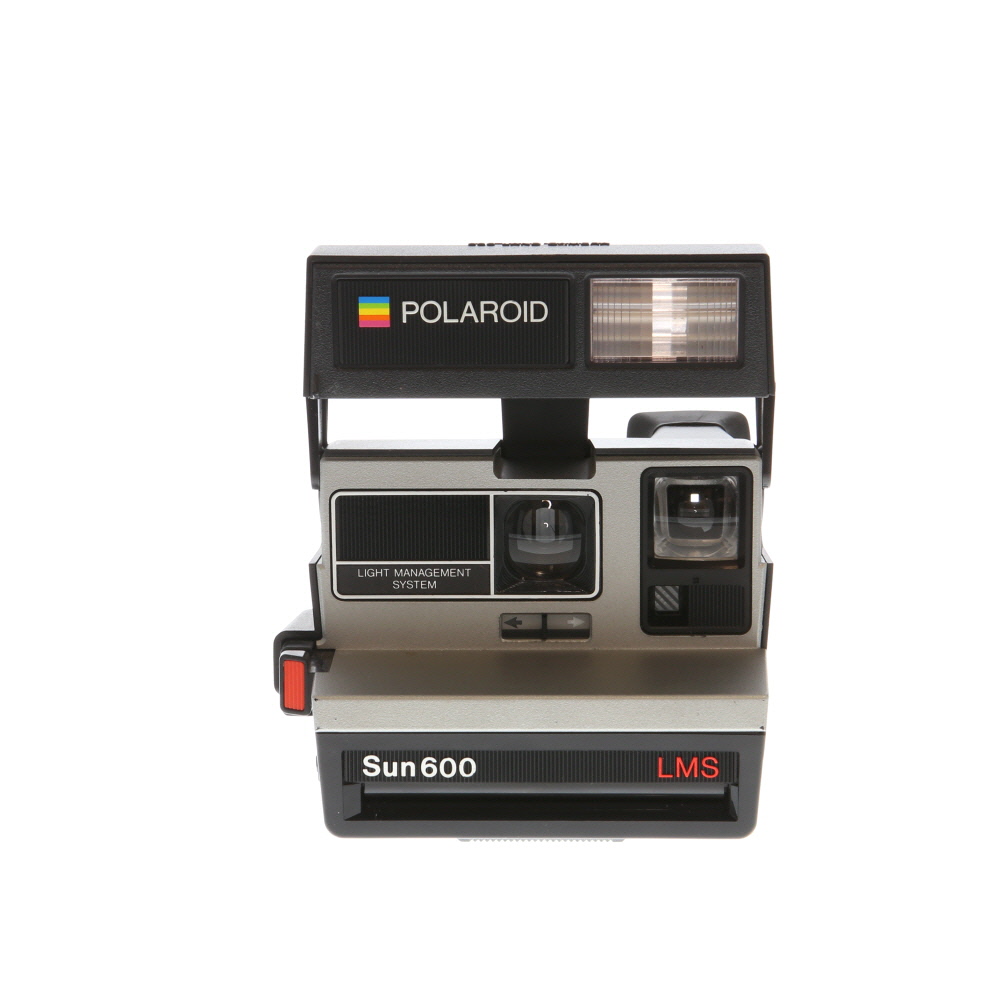
Before the digital age, film cameras were the primary tool for capturing images. Film photography required precision and skill, as photographers had to carefully select the right film type, adjust settings manually, and develop the film in a darkroom. Each roll of film had a limited number of exposures, making every shot count.
Digital Cameras
With the advent of digital cameras, photographers gained more flexibility and convenience in capturing images. Digital cameras allow for instant preview, easy editing, and unlimited storage capacity. The shift to digital photography marked a significant change in the industry, as photographers could now capture and share images more efficiently.
- Higher resolution: Digital cameras offer higher resolution images compared to film cameras, resulting in sharper and more detailed photos.
- Instant results: With digital cameras, photographers can review images instantly and make adjustments on the spot, leading to better quality photos.
- Convenience: Digital cameras eliminate the need for film rolls and darkroom development, making the process of capturing and sharing images faster and more convenient.
Overall, the evolution of technology in photography has revolutionized the way we capture and share moments, making it easier and more accessible for photographers of all skill levels to express their creativity.
FAQ
What are the main advantages of film cameras over digital cameras?
Film cameras have a unique aesthetic quality that many photographers appreciate. Film also has a higher dynamic range and better color rendition compared to digital sensors. Additionally, some photographers enjoy the tactile experience of shooting with film and the anticipation of waiting for the film to be developed.
How has the advancement of digital technology impacted the photography industry?
The advancement of digital technology has revolutionized the photography industry by making photography more accessible to a wider audience. Digital cameras allow for instant preview of images, easy editing, and sharing online. This has led to a shift away from film towards digital photography in many professional and amateur settings.
Can film cameras still compete with digital cameras in terms of image quality?
While film cameras have their own unique charm and characteristics, digital cameras generally offer higher resolution, better low-light performance, and more flexibility in post-processing. However, some photographers argue that film can still produce stunning images with a distinct look that is hard to replicate digitally.


I disagree with the idea that digital is always better. Film has its own charm and can achieve certain looks that digital just can't replicate, no matter how good the editing software is. It’s all about personal preference!
I see your point! Film definitely has a nostalgic appeal, and people often love the imperfections that come with it. It really boils down to what you’re looking for in your photography.
How does the cost of maintaining a film camera compare to a digital one in the long run? I’m considering getting back into photography but want to know what I’d be spending on both.
Generally, film cameras have higher ongoing costs due to the price of film and development, while digital cameras have lower operational costs since you don’t need to purchase film repeatedly.
I’ve always felt film has a character that digital lacks. It feels more authentic somehow. Just my two cents!
What are the main pros of using film cameras compared to digital ones? I’ve heard film has a unique quality, but I’m not sure what that really means.