
 Carmen J. Moore

Photography is a powerful medium that allows us to capture moments and express our creativity. While professional cameras with high-end features can produce stunning images, you don’t necessarily need an expensive setup to take great photos. With a regular digital camera, you can still achieve impressive results by mastering some key techniques.
Understanding your camera’s settings is crucial for capturing high-quality photos. Take the time to familiarize yourself with the various settings such as aperture, shutter speed, and ISO. These settings can greatly impact the outcome of your photos, so experimenting with them is essential to improve your photography skills.
Composition plays a vital role in creating visually appealing images. Pay attention to the framing, perspective, and lighting when composing your shots. Try different angles and perspectives to add interest to your photos. Remember the rule of thirds and experiment with leading lines to guide the viewer’s eye through the image.


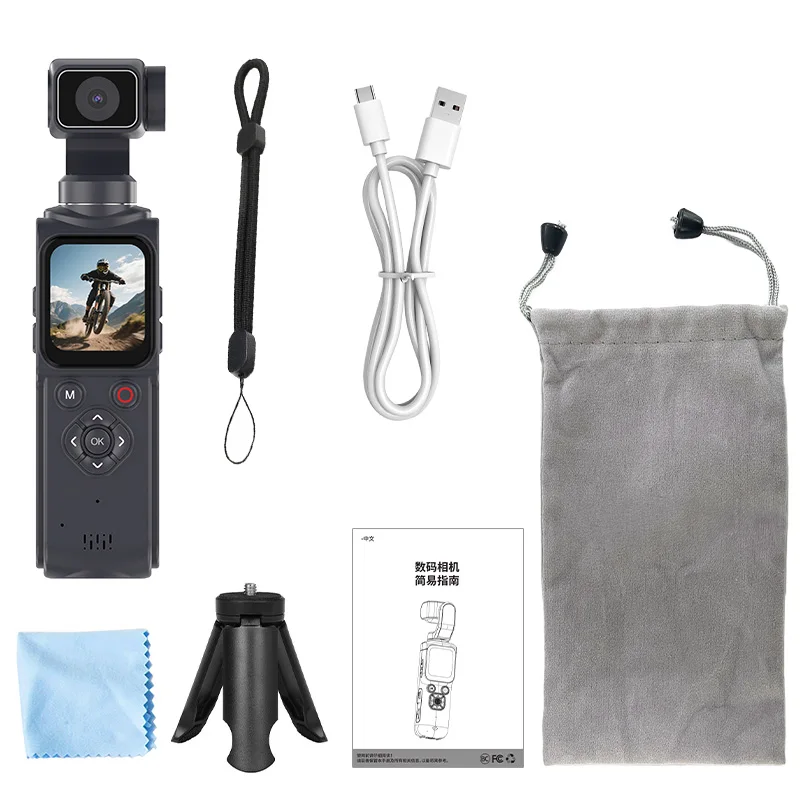

Tips for Taking
1. Pay attention to lighting: Make sure your subject is well-lit but avoid harsh sunlight that can create shadows. Consider using natural light or artificial lighting to enhance your photos.
2. Use the rule of thirds: Divide your frame into thirds both horizontally and vertically, and place your subject at the intersection points to create a balanced and visually appealing composition.
3. Experiment with angles: Try shooting from different angles and perspectives to add interest and creativity to your photos. Don’t be afraid to get low or high to capture a unique shot.
4. Keep it steady: To avoid blurry photos, use a tripod or stabilize your camera by bracing it against a solid surface. You can also use the timer function to reduce camera shake when pressing the shutter button.
5. Adjust your settings: Take the time to adjust your camera settings such as aperture, shutter speed, and ISO to achieve the desired exposure and depth of field. Don’t be afraid to experiment with different settings to find what works best for your subject.
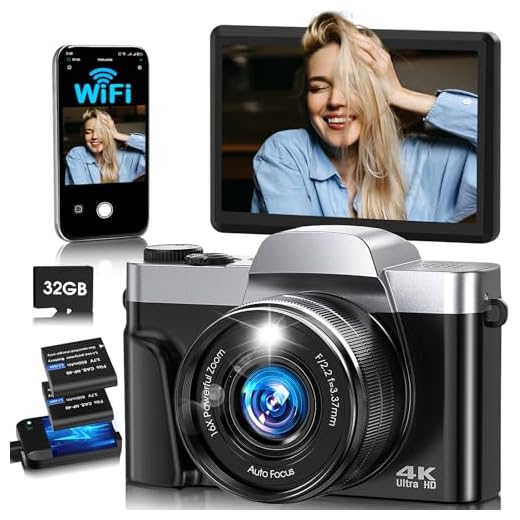
Quality Photos
Understanding Your Camera Settings
Before you start taking pictures with your digital camera, it’s important to understand the different settings and features it offers. Here are some key settings you should be familiar with:
1. Resolution
Resolution refers to the number of pixels in an image. Higher resolution results in clearer and more detailed photos, but larger file sizes. Adjust the resolution based on how you plan to use the photos – higher resolution for printing, lower resolution for sharing online.
2. White Balance
White balance adjusts the color temperature of your photos to match the lighting conditions. Different lighting situations (daylight, fluorescent, incandescent) require different white balance settings to ensure accurate colors in your images.
- Auto White Balance: Camera automatically adjusts the white balance based on the lighting conditions.
- Preset White Balance: Choose a specific white balance setting based on the lighting situation.
By understanding and mastering these camera settings, you’ll be able to take better photos and make the most of your regular digital camera.
Digital Camera Settings
When using a regular digital camera, it’s important to familiarize yourself with the different settings available to enhance your photography skills. Here are some key settings to consider:

1. Resolution: Adjust the resolution of your camera to capture high-quality images. Higher resolution settings will result in larger file sizes but better image quality.
2. ISO: ISO settings control the camera’s sensitivity to light. Lower ISO settings are ideal for bright lighting conditions, while higher ISO settings are best for low-light situations.
3. White Balance: White balance helps adjust the color temperature of your photos. Experiment with different white balance settings to achieve accurate colors in different lighting conditions.
4. Exposure: Control the exposure of your photos by adjusting the aperture, shutter speed, and ISO settings. Proper exposure is essential for well-balanced and properly lit images.
5. Focus: Use the autofocus feature on your camera to ensure that your subject is sharp and in focus. Manual focus may also be an option for more control over the focus point.
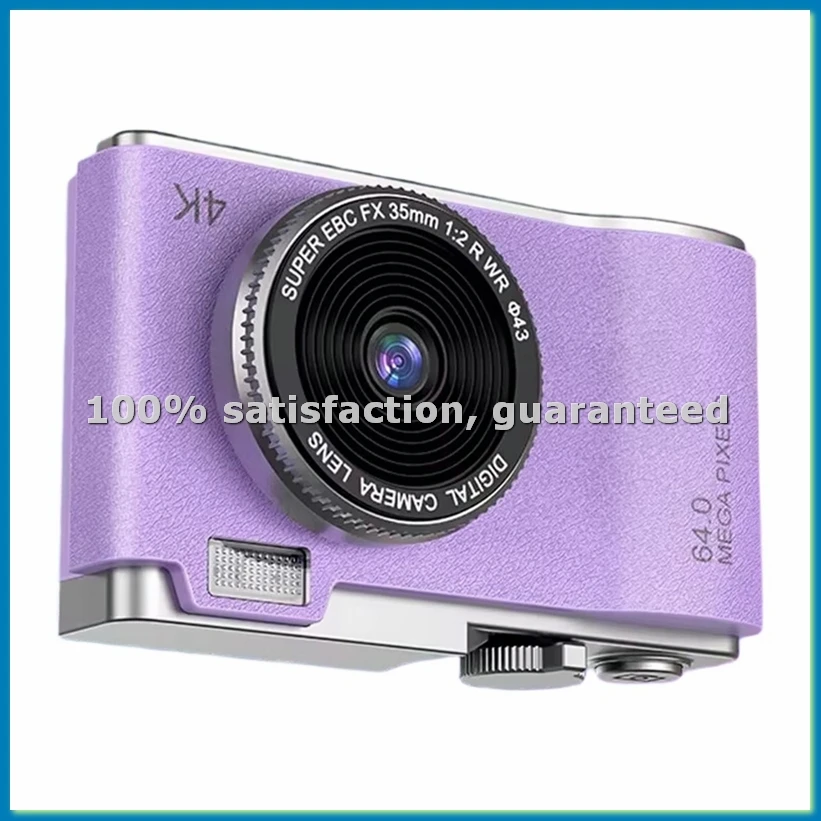
By mastering these key settings, you can improve the quality of your photos and unleash your creativity with a regular digital camera.
Lighting and Composition
Good lighting is essential for taking great photos with a regular digital camera. Make sure to avoid harsh lighting conditions, such as direct sunlight, as they can create harsh shadows and overexposed areas. Instead, aim for soft, diffused light, such as natural light on a cloudy day or light filtered through a curtain.
When composing your shots, keep in mind the rule of thirds. Divide your frame into a 3×3 grid and place your subject or focal point at the intersection of the grid lines to create a more visually appealing composition. Experiment with different angles and perspectives to add interest to your photos.
- Use leading lines to draw the viewer’s eye towards the main subject.
- Frame your subject with natural elements, such as trees or archways, to add depth to your photos.
- Experiment with different focal lengths to create different effects, such as shallow depth of field for portraits or wide angles for landscapes.
Using Tripods and Self-Timers
One way to ensure sharp, steady shots with a digital camera is to use a tripod. A tripod provides stability and eliminates camera shake, especially in low light situations or when using slower shutter speeds. When setting up your camera on a tripod, make sure it is securely fastened and level to avoid any unwanted movement.
Another helpful tool is the self-timer function on your camera. By using the self-timer, you can eliminate any camera shake caused by pressing the shutter button. Set the self-timer for a few seconds to allow the camera to stabilize before taking the shot. This can result in clearer and sharper images, particularly in situations where you need to be hands-free.
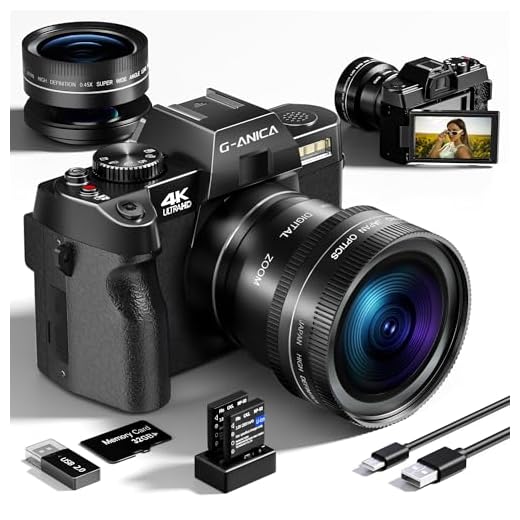
Remote Shutter Release
Using a remote shutter release is a great way to capture sharp and steady photos, especially in low-light situations or when shooting long exposures. A remote shutter release allows you to trigger the camera without physically touching it, reducing the risk of camera shake.
Types of Remote Shutter Releases: There are different types of remote shutter releases available, such as wired and wireless remotes. Wired remotes connect directly to the camera, while wireless remotes use infrared or radio signals to trigger the shutter.
Tip: When using a remote shutter release, make sure to position yourself where you have a clear view of the subject and can easily trigger the camera without disturbing the composition.
Editing and Enhancing
Once you have taken your photos, the next step is to edit and enhance them to make them even better. There are many photo editing software programs available that you can use to adjust the brightness, contrast, colors, and other aspects of your photos.
Basic Editing
Start by cropping your photos to remove any unnecessary elements and improve the composition. You can also adjust the exposure, sharpness, and saturation to make your photos look more vibrant and clear. Don’t be afraid to experiment with different editing tools to see what works best for each photo.
Enhancing Techniques
Consider applying filters or effects to add a creative touch to your photos. You can also use tools like spot healing or clone stamp to remove imperfections or unwanted objects from your photos. Remember to save your original photos before making any changes so you can always go back to them if needed.
Sharing Your Photos
Once you have taken some great photos with your digital camera, it’s time to share them with the world. Here are a few tips on how to share your photos effectively:
1. Social Media
One of the easiest ways to share your photos is through social media platforms like Facebook, Instagram, and Twitter. Upload your photos to these platforms and share them with your friends and followers. You can also join photography groups and communities to get feedback and connect with other photographers.
2. Online Photo Sharing Platforms
There are many online platforms dedicated to sharing photos, such as Flickr, 500px, and SmugMug. These platforms allow you to create galleries, organize your photos, and even sell your work. Consider using these platforms to showcase your photography skills and reach a wider audience.
Remember to always credit yourself as the photographer when sharing your photos and respect copyright laws when sharing others’ work.

FAQ
What are some basic tips for taking good pictures with a regular digital camera?
Some basic tips for taking good pictures with a regular digital camera include using natural light, framing your subjects carefully, adjusting the camera settings, and experimenting with different angles and perspectives.
Can you provide some advice on how to improve the composition in my photos taken with a regular digital camera?
To improve composition in your photos taken with a regular digital camera, you can try using the rule of thirds, leading lines, framing techniques, and paying attention to the background of your shots to create a more visually appealing image.
What are some common mistakes to avoid when taking pictures with a regular digital camera?
Common mistakes to avoid when taking pictures with a regular digital camera include shaky hands resulting in blurry images, not paying attention to the lighting conditions, using digital zoom excessively, and not cleaning the camera lens regularly.
How can I make my photos stand out when using a regular digital camera?
To make your photos stand out when using a regular digital camera, you can experiment with different editing techniques, focus on capturing unique perspectives, pay attention to details, and practice regularly to improve your photography skills.


Can you explain more about white balance? I often notice that my photos look a bit yellow or blue depending on the lighting, but I'm not sure how to fix that. What white balance settings should I use in different scenarios?
I tried the rule of thirds last weekend, and it really helped improve my photos! I never knew about that before.