
 Carmen J. Moore

Equivalent exposure is a fundamental concept in photography that refers to the relationship between aperture, shutter speed, and ISO sensitivity on a digital camera. It is crucial to understand equivalent exposure to achieve the desired exposure for your photographs.
When you adjust one of the exposure settings on your camera, such as changing the aperture or shutter speed, you may need to compensate by adjusting one or both of the other settings to maintain the same exposure. This is where the concept of equivalent exposure comes into play.
For example, if you increase the aperture by one stop, you will need to decrease the shutter speed by one stop to maintain the same exposure. Understanding how these settings interact and affect each other is key to mastering exposure in photography.
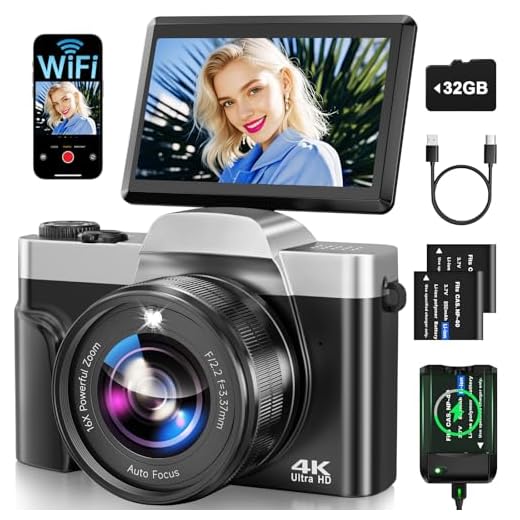


Understanding Equivalent Exposure on Digital Cameras
Equivalent exposure on digital cameras refers to the concept of achieving the same exposure settings (aperture, shutter speed, and ISO) to produce a similar image brightness, depth of field, and motion blur as a different set of exposure settings.
How Does Equivalent Exposure Work?
When you adjust one of the exposure settings, such as increasing the aperture size, you can compensate by adjusting another setting, such as lowering the shutter speed, to maintain the same exposure level. This concept allows you to have flexibility in setting your exposure parameters while achieving the desired outcome.
- Aperture: Changing the aperture size affects the amount of light entering the camera. A larger aperture (smaller f-number) allows more light, while a smaller aperture (larger f-number) lets in less light.
- Shutter Speed: Adjusting the shutter speed controls how long the camera’s sensor is exposed to light. A faster shutter speed freezes motion but lets in less light, while a slower shutter speed captures motion blur but allows more light.
- ISO: Changing the ISO setting determines the camera’s sensitivity to light. A higher ISO increases sensitivity but introduces more noise, while a lower ISO reduces sensitivity but produces cleaner images.
Understanding equivalent exposure helps you make informed decisions when setting up your camera for different shooting scenarios, ensuring consistent results regardless of the exposure settings you choose.
The Basics of Equivalent Exposure
Equivalent exposure is a concept that allows photographers to achieve the same exposure settings despite using different combinations of aperture, shutter speed, and ISO. In digital photography, equivalent exposure ensures that the resulting image has the same overall brightness and depth of field, regardless of the specific settings used.
Understanding equivalent exposure is essential for photographers who want to maintain consistent exposure levels across different shooting conditions. By adjusting one setting while compensating with another, photographers can achieve the desired exposure without compromising on image quality.

Whether you are shooting in low light conditions or capturing fast-moving subjects, mastering equivalent exposure will help you confidently adjust your camera settings to achieve the best results in any situation.
Factors Affecting Equivalent Exposure
Equivalent exposure on digital cameras is influenced by several factors that can affect the final outcome of the captured image. Understanding these factors is crucial for achieving the desired exposure settings.
1. ISO Sensitivity
The ISO setting on a digital camera determines the sensor’s sensitivity to light. A higher ISO setting increases the sensor’s sensitivity, allowing for faster shutter speeds in low-light conditions. However, higher ISO settings can introduce digital noise, affecting image quality.
2. Aperture Size
The aperture size controls the amount of light that enters the camera. A wider aperture (smaller f-stop number) allows more light to reach the sensor, resulting in a brighter image. On the other hand, a narrower aperture (larger f-stop number) restricts the light, leading to a darker image.
| ISO Sensitivity | Aperture Size | Shutter Speed |
|---|---|---|
| Low ISO | Small Aperture | Slower |
| High ISO | Wide Aperture | Faster |
Importance of Equivalent Exposure in Photography
Equivalent exposure is a fundamental concept in photography that allows photographers to achieve the same exposure settings across different cameras or formats. Understanding equivalent exposure is crucial for photographers who work with multiple cameras or switch between film and digital formats.
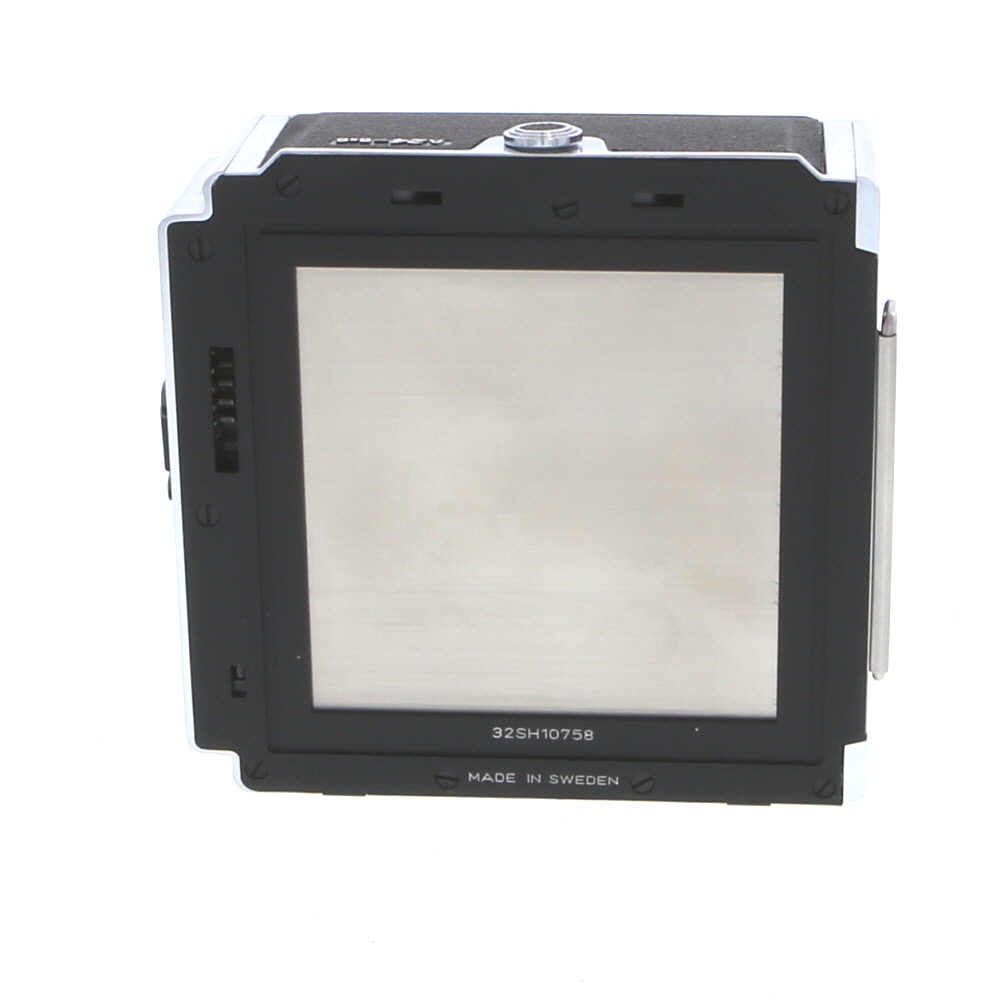
By understanding equivalent exposure, photographers can ensure consistent results in their images regardless of the camera or format they are using. This knowledge allows photographers to maintain the desired level of brightness, contrast, and depth of field in their photos.
Moreover, equivalent exposure helps photographers adapt to different shooting conditions and lighting situations. By knowing how to adjust exposure settings to achieve the equivalent exposure, photographers can capture high-quality images in various settings without compromising the overall quality of the image.
Overall, equivalent exposure is a valuable tool that empowers photographers to achieve consistent and high-quality results in their photography work, making it an essential concept to master for photographers of all levels.
Calculating Equivalent Exposure
Equivalent exposure on digital cameras is calculated by adjusting the combination of aperture, shutter speed, and ISO settings to achieve the same overall exposure. To calculate equivalent exposure, you can use the exposure triangle concept, where each element affects the final exposure. By adjusting one setting while compensating with another, you can maintain the same exposure level while achieving different creative effects.
Practical Application of Equivalent Exposure
Understanding equivalent exposure is crucial for photographers who want to achieve consistent results across different camera systems. When switching between cameras with different sensor sizes or ISO capabilities, knowing how to adjust settings to maintain the same exposure is essential.

For example, if you are used to shooting with a full-frame camera at ISO 400, f/5.6, and 1/125s to get a proper exposure, but you switch to a camera with a smaller sensor, you may need to adjust your settings to maintain equivalent exposure. This could involve increasing the ISO, widening the aperture, or changing the shutter speed.
Key Takeaways:
- ISO: Higher ISO values may introduce more noise, so be mindful of balancing the need for increased sensitivity with image quality.
- Aperture: Adjusting the aperture affects depth of field, so consider the creative implications of changing this setting.
- Shutter Speed: Changes in shutter speed can impact motion blur, so adjust accordingly based on the desired effect.
Tips for Mastering Equivalent Exposure
1. Understand the relationship between ISO, aperture, and shutter speed. Experiment with different settings to see how they affect the exposure of your photos.
2. Use the exposure triangle to balance the three elements for the desired exposure. Adjust one setting while keeping the others constant to see the impact on your images.
3. Practice with manual mode to have full control over your camera settings. This will help you understand how to achieve equivalent exposure in different lighting conditions.
4. Learn to read the histogram on your camera to ensure proper exposure. Aim for a balanced histogram with no clipping in the highlights or shadows.

5. Use exposure compensation to adjust the exposure if your camera’s metering system is not giving you the desired results. This can help you fine-tune your settings for the perfect shot.
FAQ
What is equivalent exposure on a digital camera?
Equivalent exposure on a digital camera refers to adjusting the combination of aperture, shutter speed, and ISO sensitivity to achieve the same exposure level as a different set of settings. This allows photographers to maintain consistent exposure levels while changing settings to achieve different creative effects.
How does equivalent exposure work in photography?
Equivalent exposure works by adjusting the aperture, shutter speed, and ISO settings in relation to each other to maintain a constant exposure level. For example, if you increase the aperture size, you may need to adjust the shutter speed or ISO to compensate and achieve the same exposure.
Why is understanding equivalent exposure important for photographers?
Understanding equivalent exposure is crucial for photographers as it allows them to control the exposure levels of their images while changing settings to achieve desired effects. This knowledge helps photographers maintain consistency in exposure across different shooting conditions.
Can you give an example of how equivalent exposure is used in photography?
Sure! Let’s say you are shooting in low light conditions and want to capture a sharp image without introducing too much noise. You could decrease the aperture size to let in less light, and then compensate by slowing down the shutter speed or increasing the ISO to maintain the equivalent exposure level.
How can photographers apply the concept of equivalent exposure in their creative work?
Photographers can use equivalent exposure to experiment with different settings and achieve specific creative effects in their images. By understanding how changes in aperture, shutter speed, and ISO affect exposure, photographers can fine-tune their settings to achieve the desired look and feel in their photos.


Can someone explain how adjusting the ISO impacts noise in low-light conditions? I’ve read that higher ISO can help, but does it always make the picture worse?
Great question! Increasing the ISO can indeed introduce noise, especially in low-light conditions. However, modern cameras have improved significantly in handling higher ISO settings while minimizing noise. It's about finding the right balance for your specific camera.
Can someone explain how changing ISO affects the equivalent exposure? I get the basics but I'm unsure about the practical impact on image quality.
I've switched from a crop sensor to a full-frame camera and noticed a big difference in how I need to set my exposure. It seems like the same ISO and shutter speed give me different results. Is there a specific way to adjust my settings to maintain equivalent exposure between these two types?
Great article! Equivalent exposure really helps simplify things when I'm shooting in manual mode.
I disagree that higher ISO is always undesirable. Sometimes in low light, the slight noise is worth it for a well-exposed shot!
I think mastering equivalent exposure is key! It really opens up creative possibilities in photography.
When you say a faster shutter speed captures less light, does that mean it’s not suitable for low light situations? How do you balance that with aperture adjustments?
Faster shutter speeds are indeed less effective in low light, but you can compensate by opening the aperture wider or increasing the ISO. Finding the right balance often requires some experimentation.
I've been experimenting with equivalent exposure and found that using a wider aperture really helps in low light, but I'm worried about losing depth of field.
I had the same concern! Just remember you can always adjust your aperture as needed to find a balance that works for your shot.
I don't think using a higher ISO is always a great solution. It can ruin the image quality. Sometimes lowering the shutter speed is better.
I recently shot a concert with a high ISO setting and noticed a lot of noise in my photos. It was a learning experience for sure!
Can someone explain how changing the ISO affects the image quality?
I've been experimenting with equivalent exposure settings for my landscape photos. I've noticed that using a lower ISO with a longer exposure gives me cleaner images. Anyone else had similar experiences?
How does equivalent exposure differ between digital and film cameras? I’ve only used digital and wonder if the principles apply the same way.