
 Carmen J. Moore

Have you ever wondered how a digital camera captures and stores images? Digital cameras have become an integral part of our daily lives, allowing us to capture precious moments with just a click of a button. But have you ever stopped to think about the technology behind these devices?
In this article, we will delve into the inner workings of a digital camera and explore the process of capturing, processing, and storing images in a digital format.
From the lens to the sensor, the digital camera is a marvel of modern technology that combines optics, electronics, and software to produce stunning images that can be shared and preserved for years to come.
Understanding the Basics of Digital Cameras
Digital cameras work by capturing light through a lens and converting it into an electronic signal. The lens focuses the light onto a digital sensor, which is made up of millions of tiny light-sensitive pixels. Each pixel measures the amount of light it receives and converts it into a digital value.
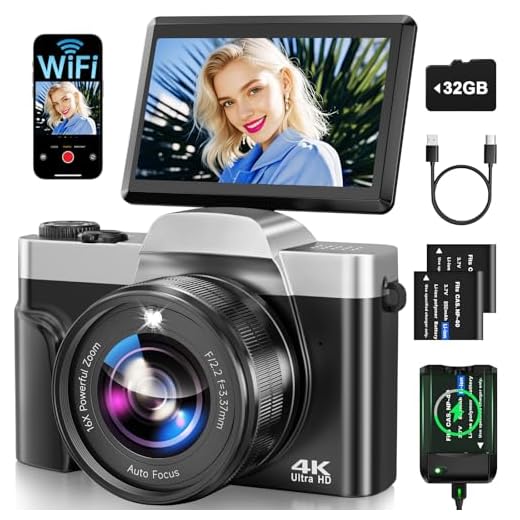

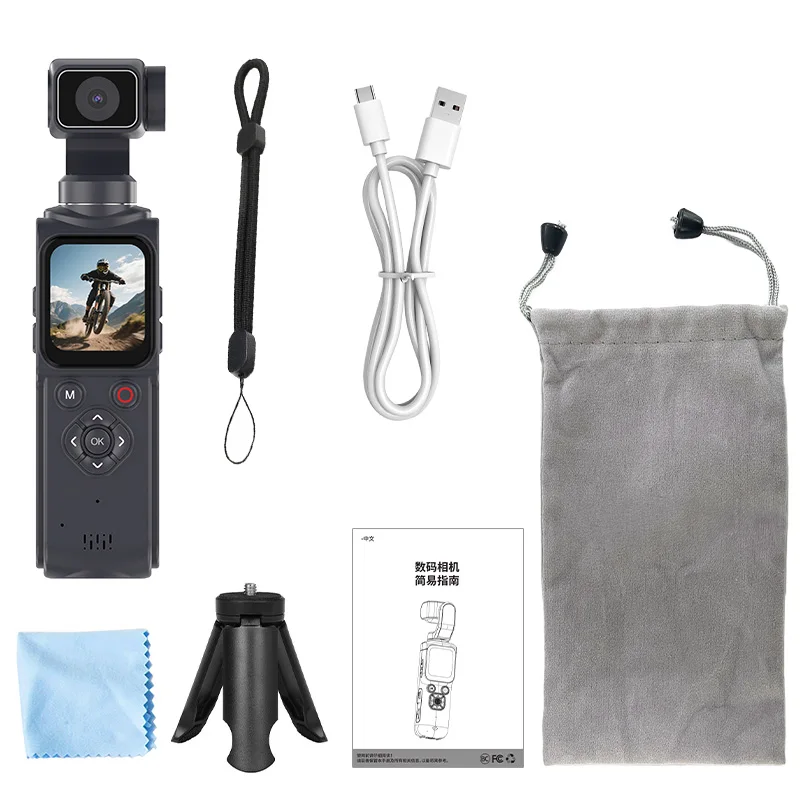

Once the light has been converted into digital data, the camera’s processor processes the information to create an image file. This file can then be stored on a memory card or transferred to a computer for further editing or sharing.
Digital cameras also have various settings and features that allow users to control aspects such as exposure, focus, and white balance. Understanding these settings can help photographers capture high-quality images in different lighting conditions and environments.
Overall, digital cameras have revolutionized the way we capture and share photos, offering convenience, flexibility, and endless creative possibilities.
Components of a Digital Camera
A digital camera is composed of several key components that work together to capture and store images. These components include:
Image Sensor
The image sensor is the heart of a digital camera. It converts light into electrical signals, which are then processed to create a digital image. The most common types of image sensors are CCD (charge-coupled device) and CMOS (complementary metal-oxide-semiconductor).

Lens
The lens of a digital camera focuses light onto the image sensor, determining the sharpness and clarity of the captured image. Different lenses have varying focal lengths and apertures, allowing for different types of shots.
How Light is Captured
When you press the shutter button on a digital camera, the camera’s lens opens to allow light to enter. The light then passes through the lens and hits the image sensor at the back of the camera. The image sensor is made up of millions of tiny light-sensitive cells called pixels.
Each pixel on the image sensor converts the incoming light into an electrical signal. The amount of light that hits each pixel determines the brightness of that pixel in the final image. The camera then processes these electrical signals to create a digital image that can be saved onto a memory card.
Image Processing in Digital Cameras
Once the light enters the digital camera through the lens and hits the image sensor, the real magic happens in the image processing stage. Digital cameras use complex algorithms to convert the raw data captured by the sensor into a full-color image that we see on the screen.
The image processing includes tasks such as demosaicing, noise reduction, white balance adjustment, color correction, sharpening, and compression. Demosaicing is the process of reconstructing a full-color image from the mosaic pattern of red, green, and blue pixels on the sensor. Noise reduction algorithms help to eliminate any unwanted graininess or artifacts in the image.
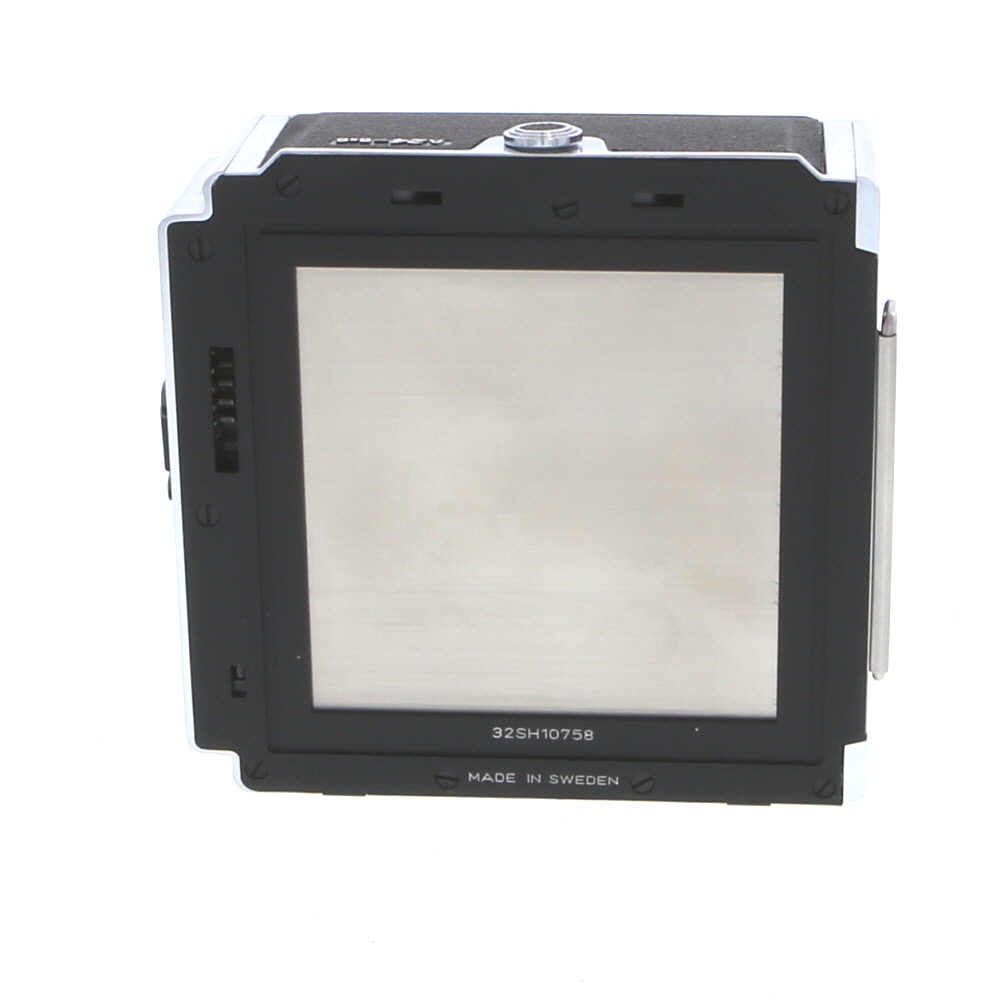
White balance adjustment ensures that the colors in the image appear natural and accurate, while color correction fine-tunes the hues and saturation levels. Sharpening algorithms enhance the overall clarity and detail of the image. Finally, compression algorithms are used to reduce the file size of the image without sacrificing too much quality.
All these processes work together seamlessly to produce a high-quality image that meets the standards of modern digital photography.
Memory and Storage in Digital Cameras
One crucial component of digital cameras is their memory and storage systems. Digital cameras use various types of memory to store captured images and videos. The most common storage media used in digital cameras are SD cards, which come in different capacities ranging from a few gigabytes to several terabytes.
When a photo is taken, the image data is temporarily stored in the camera’s internal memory buffer before being written to the storage media. The speed and capacity of the memory card can affect the camera’s performance, especially when shooting in burst mode or recording high-definition videos.
Types of Memory Cards
There are different types of memory cards used in digital cameras, such as SD, microSD, CompactFlash, and Memory Stick. Each type has its own advantages and limitations in terms of speed, capacity, and compatibility with devices.
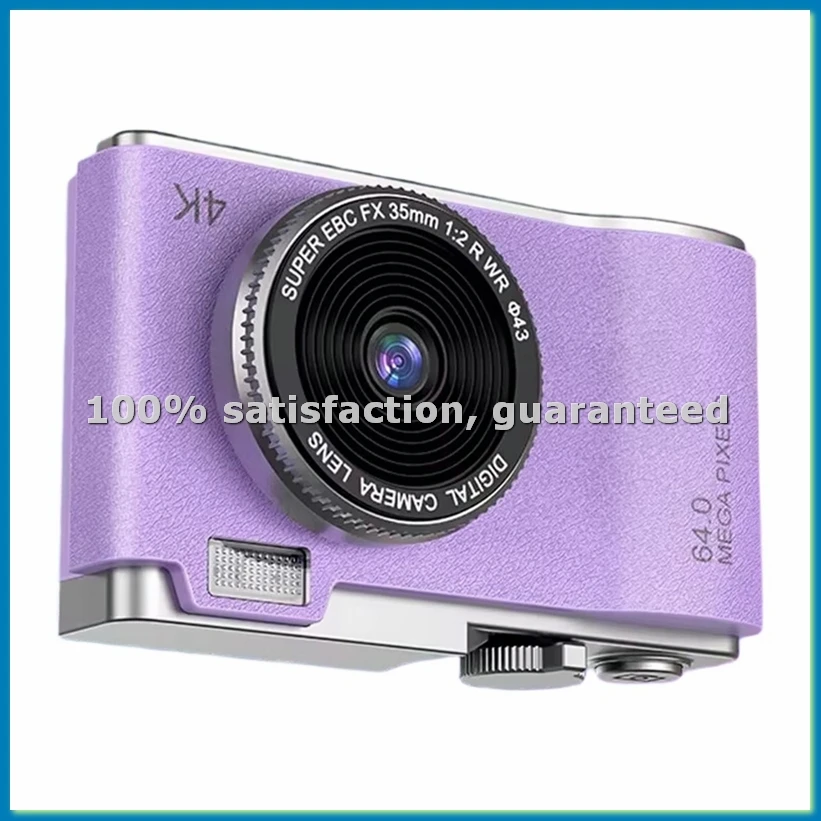
It is essential to choose a memory card that is compatible with your camera and meets the required speed class for optimal performance.
Understanding Resolution and Megapixels
Resolution refers to the number of pixels (tiny dots) that make up an image. The more pixels there are, the higher the resolution and the finer the detail in the image. Megapixels are used to measure the resolution of a digital camera. One megapixel is equal to one million pixels.
When you see a camera advertised as having a certain number of megapixels, it means that the camera’s sensor can capture that many pixels in each image it takes. Higher megapixels generally mean better image quality and the ability to print larger photos without losing clarity.
Types of Digital Camera Sensors
When it comes to digital camera sensors, there are primarily two types commonly used in modern cameras: CCD (Charge-Coupled Device) and CMOS (Complementary Metal-Oxide-Semiconductor) sensors.
CCD Sensors
CCD sensors have been around longer and are known for their high-quality image output. They are often used in professional cameras and offer better image quality in low light conditions. However, CCD sensors consume more power and are more expensive to manufacture.

CMOS Sensors
CMOS sensors are more commonly found in consumer-grade digital cameras due to their lower cost and power efficiency. While they may not offer the same image quality as CCD sensors, CMOS sensors have improved significantly over the years and are now capable of producing high-quality images. They are also more versatile and can be used in various types of cameras, including smartphones and action cameras.
| Feature | CCD Sensors | CMOS Sensors |
|---|---|---|
| Image Quality | High | Improving |
| Low Light Performance | Good | Fair |
| Power Consumption | High | Low |
| Cost | Expensive | Affordable |
Exploring Camera Settings and Modes
Understanding and utilizing various camera settings and modes can significantly enhance your photography experience. Here are some common settings and modes you may find on your digital camera:
1. Manual Mode
Manual mode allows you to have full control over settings such as aperture, shutter speed, and ISO. This mode is ideal for experienced photographers who want complete creative freedom.
2. Auto Mode
Auto mode is perfect for beginners or when you want the camera to make all the decisions for you. The camera will automatically adjust settings to capture the best possible image.
Importance of Shooting in RAW Format
RAW format is a popular file format used by professional photographers and enthusiasts alike. When shooting in RAW, the camera captures all the data from the sensor without any processing or compression, resulting in higher-quality images with more detail and dynamic range.
Shooting in RAW allows photographers to have more control over the editing process, as it preserves all the original data captured by the sensor. This means that adjustments to exposure, white balance, and other settings can be made without losing image quality.
Additionally, RAW files retain more information than JPEG files, making them ideal for post-processing and editing. Photographers can recover blown-out highlights, adjust shadows, and fine-tune colors with greater flexibility when working with RAW files.
Overall, shooting in RAW format provides photographers with the best possible starting point for image editing and allows for greater creative control over the final result.
FAQ
How does a digital camera capture images?
A digital camera captures images by using a sensor to convert light into digital data. When light enters the camera through the lens, it hits the sensor, which consists of millions of light-sensitive pixels. Each pixel detects the intensity of light it receives and converts it into an electronic signal, which is then processed and stored as a digital image file.
What is the role of the lens in a digital camera?
The lens in a digital camera plays a critical role in focusing light onto the sensor. It adjusts the focal length and aperture to control the amount of light entering the camera. A high-quality lens can enhance the sharpness and clarity of the images captured by the camera.

How does a digital camera differ from a film camera?
A digital camera differs from a film camera in the way it captures and stores images. Instead of using film to record images, a digital camera uses a sensor to convert light into digital data. This allows for instant preview, easy storage, and quick sharing of images without the need for developing film.
What are the advantages of using a digital camera?
Using a digital camera offers several advantages, such as instant preview of images, easy editing and sharing options, and the ability to store a large number of photos on memory cards or other digital storage devices. Digital cameras also allow photographers to adjust settings and experiment with different shooting modes to achieve desired results.
Can you explain the process of image processing in a digital camera?
Image processing in a digital camera involves various steps, including demosaicing, color correction, noise reduction, and sharpening. After the sensor captures the raw image data, the camera’s processor processes the data to produce a final image that is ready for viewing or printing. Image processing algorithms help enhance the colors, contrast, and sharpness of the captured images.


Can someone explain how the image sensor actually converts light into digital signals? I always thought it was just magic!
It's not magic, but it feels pretty close! The sensor has millions of tiny pixels, each capturing light and converting it into an electrical signal. The processor then turns those signals into an image.
I don't agree that higher megapixels always mean better image quality. My old 12MP camera takes better photos in low light than my new 20MP one. It really depends on the sensor and lens quality, right?
You make a valid point! Pixel quality and sensor performance can definitely affect image quality more than just the megapixel count.
I’ve been using a DSLR with a CCD sensor for years and love the low light performance. However, I was thinking of switching to a mirrorless camera with a CMOS sensor. Has anyone made the switch? What are the differences in real-world use?
I switched from a DSLR to a mirrorless with a CMOS sensor last year, and I’ve noticed my photos are sharper and the camera is way lighter. The battery life isn’t as good, but overall, I’m happy with the change!
Shooting in RAW is a game changer! It gives you so much more flexibility in post-processing.
I’m a bit confused about the differences between SD and microSD cards. Can they be used interchangeably in cameras, or do I need a specific type?