
 Carmen J. Moore

Have you ever wondered how your digital camera is able to capture stunning images with such clarity and detail? The answer lies in the sophisticated technology of the camera sensor, a crucial component that plays a vital role in the image-capturing process.
A digital camera sensor is essentially the digital equivalent of film in traditional cameras, but with a few key differences that make it a powerful tool for modern photography. By converting light into electrical signals, the sensor is able to record the image and transmit it to the camera’s processor for further processing and storage.
Through a combination of intricate engineering and advanced algorithms, digital camera sensors are able to capture light and color with incredible precision, resulting in high-quality images that are a true reflection of the photographer’s vision. This article will delve into the inner workings of a digital camera sensor, exploring how it functions and why it is such a critical component of modern photography.
Understanding Digital Camera Sensors: A Detailed Overview
Digital camera sensors are the heart of modern digital cameras, capturing light and converting it into digital images. Understanding how camera sensors work is essential for photographers to make informed decisions about their equipment and achieve the best image quality.


There are two main types of digital camera sensors: CCD (Charge-Coupled Device) and CMOS (Complementary Metal-Oxide-Semiconductor). Both types work by converting light into electrical signals, but they have some differences in terms of technology and performance.
When light enters the camera lens, it is focused onto the sensor, which is made up of millions of tiny light-sensitive pixels. Each pixel records the intensity of light it receives and converts it into an electrical signal. These signals are then processed by the camera’s image processor to create a digital image.
The size of the sensor and the number of pixels it contains play a crucial role in determining image quality. Larger sensors and higher pixel counts generally result in better image quality, especially in terms of detail and low-light performance.
Camera sensors also have a sensitivity rating known as ISO, which determines how well they perform in low-light conditions. Increasing the ISO setting can make the sensor more sensitive to light but may introduce noise and reduce image quality.
Understanding digital camera sensors allows photographers to choose the right camera for their needs and use their equipment more effectively to capture stunning images.

The Basics of Digital Camera Sensors
Camera sensors are the heart of digital cameras, converting light into digital signals that create images. Understanding how digital camera sensors work is essential for capturing high-quality photos. Here are some key points about digital camera sensors:
- Pixel Array: Camera sensors consist of millions of tiny light-sensitive pixels arranged in a grid pattern. Each pixel captures light and converts it into an electrical signal.
- Pixel Size: The size of each pixel affects the sensor’s sensitivity to light. Larger pixels can capture more light, leading to better image quality, especially in low-light conditions.
- Color Filter Array: Most camera sensors use a color filter array (such as Bayer filter) to capture red, green, and blue light separately. This data is then combined to create a full-color image.
- Signal Processing: The sensor’s analog signals are converted into digital data through a process called analog-to-digital conversion. This digital data is then processed to create the final image.
- Dynamic Range: The dynamic range of a sensor determines its ability to capture details in both bright and dark areas of an image. Higher dynamic range sensors can produce more balanced and detailed photos.
By understanding the basics of digital camera sensors, photographers can make informed decisions about camera settings, lens choices, and image processing techniques to achieve their desired results.
Types of Digital Camera Sensors
There are mainly two types of digital camera sensors commonly used in digital cameras:
1. CCD (Charge-Coupled Device) Sensor
A CCD sensor converts light into electrical charges. It captures light and converts it into analog electrical signals. These signals are then converted into digital data for image processing. CCD sensors are known for their high image quality and low noise levels.
2. CMOS (Complementary Metal-Oxide-Semiconductor) Sensor
A CMOS sensor uses a different technology where each pixel has its own amplifier and analog-to-digital converter. This allows for faster data readout and lower power consumption compared to CCD sensors. CMOS sensors are commonly used in modern digital cameras due to their lower cost and versatility.
How Digital Camera Sensors Capture Light
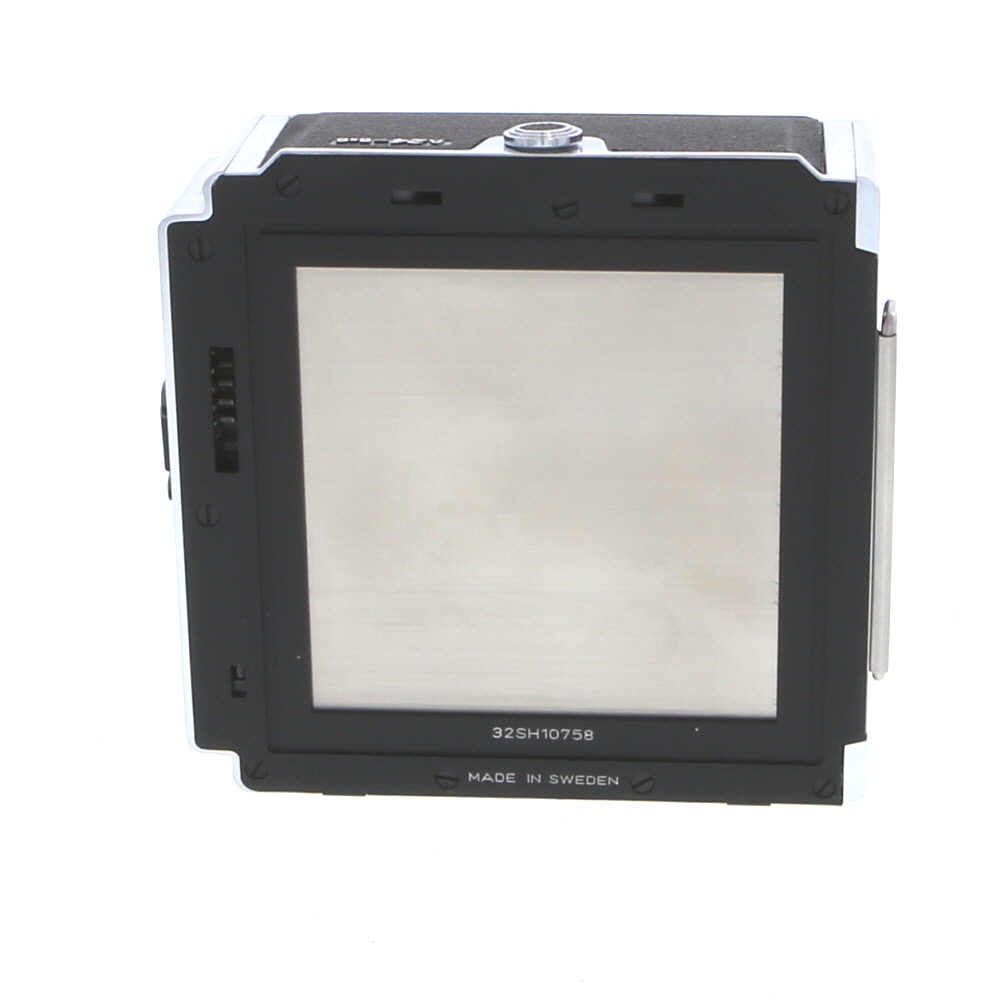
When you take a photo with a digital camera, the sensor inside the camera is responsible for capturing the light that enters through the lens. The sensor is made up of millions of tiny light-sensitive cells called photosites, which are arranged in a grid pattern.
Each photosite on the sensor converts the light that hits it into an electrical signal. The amount of light that each photosite receives is determined by the aperture of the lens and the shutter speed of the camera. Once the light is converted into an electrical signal, it is processed by the camera’s image processor to create a digital image.
Types of Camera Sensors
There are two main types of digital camera sensors: CCD (Charge-Coupled Device) and CMOS (Complementary Metal-Oxide-Semiconductor). Both types work in a similar way by converting light into electrical signals, but they have different advantages and disadvantages in terms of image quality, power consumption, and cost.
CCD sensors are known for their high-quality images with low noise levels, making them ideal for professional photography. However, they consume more power and are more expensive to produce compared to CMOS sensors.
CMOS sensors, on the other hand, are more commonly found in consumer-level digital cameras due to their lower power consumption and lower production costs. While they may have slightly higher noise levels compared to CCD sensors, advances in technology have made them capable of producing high-quality images.
Pixel Structure in Digital Camera Sensors
In digital camera sensors, each pixel is a light-sensitive element that captures incoming light and converts it into an electrical signal. The pixel structure in a sensor consists of several key components:
Photodiode
At the heart of each pixel is a photodiode, which is a semiconductor device that generates an electrical current when exposed to light. The photodiode acts as a light sensor, converting photons into electrons.
Color Filter Array
To capture color information, most digital camera sensors use a color filter array (CFA) placed on top of the photodiodes. The CFA consists of red, green, and blue filters arranged in a pattern to filter light of different colors before it reaches the photodiodes.
Each pixel in the sensor typically contains a single photodiode covered by a color filter, allowing it to capture either red, green, or blue light. The sensor then uses interpolation algorithms to reconstruct full-color images from the filtered data.
Signal Processing in Digital Camera Sensors
Signal processing plays a crucial role in the functioning of digital camera sensors. Once the sensor captures the light, it converts it into an electrical signal. This raw data needs to be processed and converted into a digital format that can be stored and manipulated by the camera.

The analog signal from the sensor is first amplified to improve its quality and then converted into a digital signal through an analog-to-digital converter (ADC). The ADC assigns a digital value to each pixel based on the intensity of light captured by that pixel.
After the conversion, various processing steps are applied to the digital signal, including noise reduction, white balance adjustment, and color correction. These processes help enhance the quality of the image and ensure accurate color reproduction.
Finally, the processed digital signal is stored in the camera’s memory card as a digital image file, ready for further editing or sharing. The signal processing algorithms used in digital camera sensors play a significant role in determining the overall image quality and performance of the camera.
Factors Influencing Digital Camera Sensor Performance
When it comes to digital camera sensor performance, several key factors play a crucial role in determining the quality of the images captured. Understanding these factors can help photographers make informed decisions when selecting a camera or optimizing their shooting conditions.
Sensor Size
The size of the sensor in a digital camera directly impacts its performance. Larger sensors typically have larger pixels, which can capture more light and produce better image quality, especially in low-light conditions. Cameras with larger sensors tend to have higher resolution and better dynamic range.
Pixel Count
The number of pixels on a sensor, also known as the sensor’s resolution, affects the level of detail and sharpness in the images. Higher pixel counts can result in larger image files with more detail, but they may also lead to increased noise in low-light situations. It’s essential to strike a balance between resolution and noise performance based on your shooting needs.
| Factor | Impact on Performance |
|---|---|
| Sensor Size | Higher sensor size generally leads to better image quality, especially in low light. |
| Pixel Count | Higher pixel count offers more detail but may introduce noise in low-light conditions. |
Advancements in Digital Camera Sensor Technology
The field of digital camera sensor technology has seen significant advancements in recent years, leading to improved image quality, higher sensitivity, and better overall performance in digital cameras. These advancements have been driven by innovations in sensor design, materials, and manufacturing processes.
Increased Megapixel Count
One of the key advancements in digital camera sensor technology is the increase in megapixel count. Higher megapixels allow for greater detail and resolution in images, making them ideal for large prints or cropping without loss of quality. Modern sensors can now offer resolutions of 20 megapixels or more, providing photographers with greater creative flexibility.
Improved Low-Light Performance
Another important advancement is improved low-light performance. New sensor technologies, such as backside-illuminated (BSI) sensors, allow for better light sensitivity and reduced noise in low-light conditions. This enables photographers to capture clear and sharp images even in challenging lighting situations.
These advancements in digital camera sensor technology have revolutionized the way we capture and create images, pushing the boundaries of what is possible in photography.

FAQ
How does a digital camera sensor work?
A digital camera sensor works by capturing light through millions of photosensitive diodes, converting the light into electrical signals, and then processing these signals to create a digital image. The sensor is made up of tiny light-sensitive pixels that record the intensity and color of light that hits them.
What is the role of the image sensor in a digital camera?
The image sensor in a digital camera is responsible for converting light into electrical signals that can be processed to create a digital image. It is the key component that captures the visual information and plays a crucial role in determining the quality and resolution of the final image.
Can you explain the difference between CCD and CMOS sensors in digital cameras?
CCD (Charge-Coupled Device) and CMOS (Complementary Metal-Oxide-Semiconductor) sensors are two types of image sensors used in digital cameras. CCD sensors are known for their high image quality and low noise levels, while CMOS sensors are more power-efficient and cost-effective. Both sensors work by converting light into electrical signals but have different internal structures and processing methods.


I recently upgraded to a DSLR that uses a CMOS sensor. Initially, I was worried about noise levels in my low-light photos, but I was surprised at how well it performed! With the right settings, I could get some excellent shots without much grain. It's definitely worth experimenting with ISO settings.
I’m not convinced that CMOS is always better for casual photography. My old CCD camera produced such vibrant colors that I feel like newer models can’t match up.
That’s a valid point! Personal preferences and specific shooting conditions can affect how one perceives image quality. Both sensor types have their strengths, so it really depends on the individual photographer's needs.