
 Carmen J. Moore

NVR (Network Video Recorder) wireless security cameras are becoming increasingly popular for home and business surveillance systems. These cameras offer convenience, flexibility, and advanced features that traditional analog cameras cannot match. One important aspect of NVR wireless cameras is the digital channels they use to transmit video and data.
So, what exactly is a digital channel for NVR wireless security cameras? In simple terms, a digital channel refers to the frequency or bandwidth on which the camera sends and receives data. Each camera is assigned a specific digital channel to communicate with the NVR, allowing for multiple cameras to operate simultaneously without interference.


Having multiple digital channels is essential for NVR wireless security cameras, as it enables them to transmit high-quality video footage and other data over a secure network. By utilizing digital channels, these cameras can deliver real-time monitoring, recording, and remote access capabilities, making them a reliable choice for modern surveillance systems.
Digital Channels for NVR Wireless Security Cameras
When it comes to NVR wireless security cameras, understanding the digital channels available is crucial for setting up a reliable surveillance system. Digital channels refer to the number of simultaneous video streams that an NVR can handle, allowing you to connect multiple cameras and view their feeds in real-time. Here’s a breakdown of digital channels in NVR systems:
1. Single-channel NVR:
A single-channel NVR can only support one camera feed at a time. This is ideal for small-scale surveillance setups where only one camera is needed.
2. Multi-channel NVR:
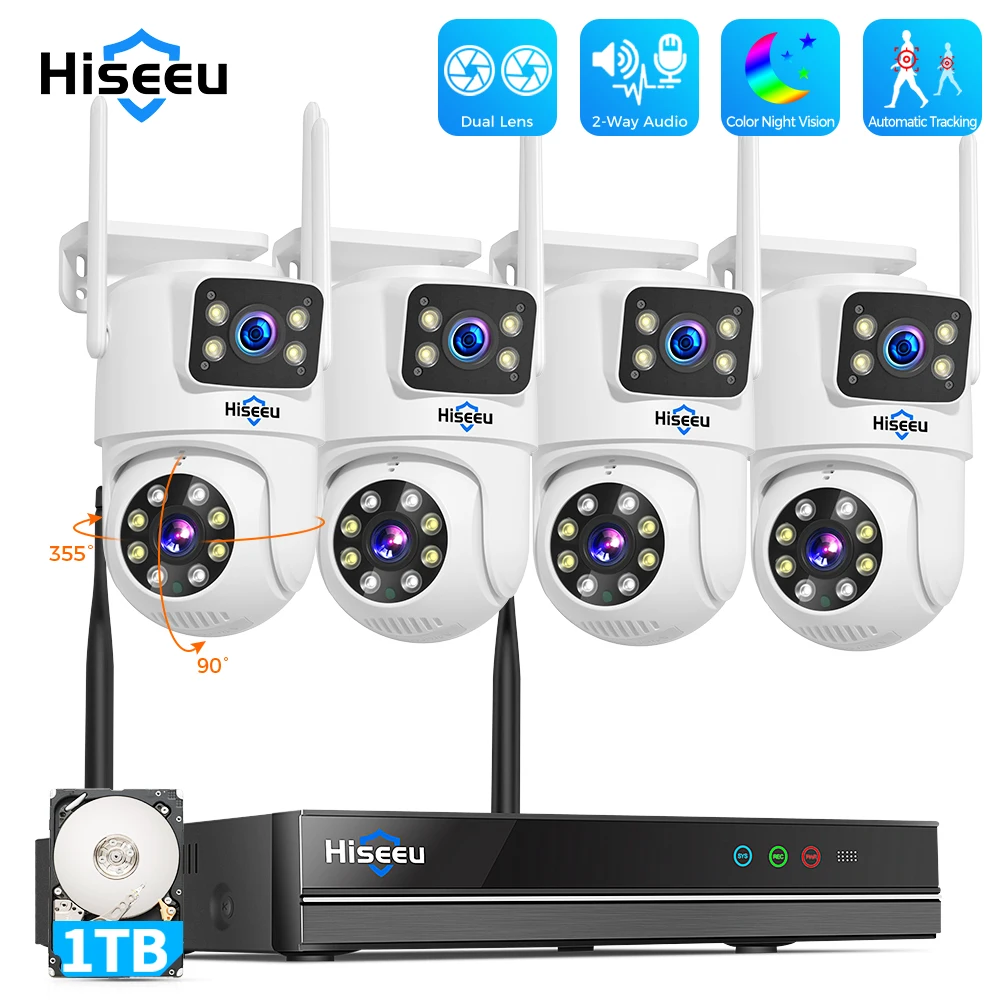
Multi-channel NVRs can handle multiple camera feeds simultaneously, with options ranging from 4-channel, 8-channel, 16-channel, up to 32-channel NVRs. These are suitable for larger installations with multiple cameras covering different areas.
| NVR Type | Number of Channels |
|---|---|
| 4-channel NVR | Supports up to 4 camera feeds |
| 8-channel NVR | Supports up to 8 camera feeds |
| 16-channel NVR | Supports up to 16 camera feeds |
| 32-channel NVR | Supports up to 32 camera feeds |
Choosing the right digital channel configuration for your NVR wireless security cameras depends on the size of your surveillance area and the number of cameras you plan to install. Make sure to select an NVR with enough digital channels to accommodate all your camera feeds for a seamless monitoring experience.

Understanding Digital Channels
In the context of NVR wireless security cameras, digital channels refer to the frequencies used to transmit video and audio data wirelessly from the cameras to the NVR (Network Video Recorder). Each camera is assigned a specific digital channel to ensure that its data is transmitted without interference from other devices or signals.
Digital channels operate within a specific frequency range and are often encrypted to ensure the security and privacy of the transmitted data. By using digital channels, NVR wireless security cameras can provide high-quality video and audio feeds while minimizing the risk of signal interference or data interception.
Benefits of Digital Channels for NVR Wireless Security Cameras
One of the key benefits of using digital channels is the ability to transmit data wirelessly over a secure connection. This enables NVR wireless security cameras to be installed in various locations without the need for extensive wiring, making them more flexible and easier to set up.
Additionally, digital channels allow for higher-quality video and audio transmission compared to analog signals. Digital signals can be compressed and transmitted more efficiently, resulting in clearer images and smoother video playback on the NVR.
| Key Points: | Digital channels are used to transmit video and audio data wirelessly from NVR wireless security cameras to the NVR. |
|---|---|
| Digital channels operate within a specific frequency range and are often encrypted for security. | |
| Using digital channels allows for higher-quality video and audio transmission compared to analog signals. |
Importance of Digital Channels
Digital channels play a crucial role in the functionality and performance of NVR wireless security cameras. These channels allow the cameras to transmit video and audio signals wirelessly to the network video recorder, ensuring seamless monitoring and recording of footage.

Enhanced Security
By using digital channels, NVR wireless security cameras can provide encrypted communication, enhancing the security of the system. This encryption helps prevent unauthorized access to the video feed, ensuring that your surveillance footage remains secure.
Improved Flexibility
Digital channels offer greater flexibility in terms of installation and scalability. With wireless connectivity, NVR cameras can be placed in various locations without the need for complex wiring, making it easier to expand the surveillance system as needed.
How Digital Channels Work
Digital channels in the context of NVR wireless security cameras refer to the specific frequencies or bands used to transmit data wirelessly from the cameras to the NVR (Network Video Recorder). These channels are part of the wireless network infrastructure and play a crucial role in ensuring smooth and reliable communication between the cameras and the recording device.
When a wireless security camera is set up, it is configured to transmit its video and audio data over a specific digital channel within the wireless network. This channel is selected to avoid interference from other devices using the same frequency range and to optimize the quality of the transmitted data.
By using digital channels, NVR wireless security cameras can securely transmit high-quality video and audio feeds to the NVR for recording and monitoring purposes. The digital channels help minimize signal interference and ensure that the data is transmitted efficiently and reliably, making them essential components of a wireless security camera system.

Choosing the Right Digital Channel
When setting up a wireless security camera system with an NVR, it is crucial to select the right digital channel to ensure optimal performance and minimize interference. The digital channel refers to the specific frequency band used for transmitting video and audio data from the cameras to the NVR.
Factors to Consider:
1. Interference: Choose a digital channel that is less prone to interference from other wireless devices in your vicinity, such as Wi-Fi routers, cordless phones, or microwave ovens.
2. Signal Strength: Opt for a digital channel that provides a strong and stable signal for reliable video streaming and recording.
Benefits of Digital Channels
Digital channels offer numerous benefits for NVR wireless security cameras, including:
- High-Quality Video: Digital channels provide high-resolution, clear video footage for better surveillance.
- Remote Access: With digital channels, you can access your camera feeds remotely from anywhere using a smartphone or computer.
- Easy Installation: Setting up NVR wireless security cameras with digital channels is typically easier and requires less wiring compared to analog systems.
- Scalability: Digital channels allow for easy expansion of your surveillance system by adding more cameras without significant infrastructure changes.
- Advanced Features: Digital channels support advanced features such as motion detection, night vision, and cloud storage for enhanced security.
Future of Digital Channels
In the ever-evolving world of technology, digital channels play a crucial role in the advancement of NVR wireless security cameras. As technology continues to progress, digital channels will only become more sophisticated and efficient in transmitting data and video feeds from security cameras to NVR systems.

Advancements in digital channels will likely include increased bandwidth capabilities, enhanced encryption protocols for improved security, and seamless integration with other smart home devices and systems. These improvements will provide users with greater flexibility, reliability, and control over their security camera systems.
Furthermore, the future of digital channels for NVR wireless security cameras may also involve the integration of artificial intelligence and machine learning algorithms to enhance video analytics and improve the overall effectiveness of surveillance systems. These advancements will enable security cameras to become more intelligent and proactive in detecting and responding to potential threats.
In summary, the future of digital channels holds great promise for NVR wireless security cameras, offering users enhanced capabilities, improved functionality, and greater peace of mind when it comes to protecting their homes and properties.
FAQ
What is a digital channel for NVR wireless security cameras?
A digital channel for NVR wireless security cameras refers to the frequency at which the cameras transmit video signals to the NVR (Network Video Recorder) wirelessly. Each channel represents a unique frequency on which the camera communicates with the NVR to transmit video data.
How do digital channels affect the performance of wireless security cameras?
The number of digital channels available on NVR wireless security cameras can impact the overall performance of the system. Having more channels allows for multiple cameras to transmit video signals simultaneously without interference, resulting in smoother video playback and better coverage.
Can digital channels be customized on NVR wireless security cameras?
Yes, digital channels on NVR wireless security cameras can typically be customized within the camera settings or NVR software. Users can select specific channels for each camera to ensure optimal communication and minimize interference between multiple cameras in the system.
What should I consider when choosing the number of digital channels for my NVR wireless security camera system?
When selecting the number of digital channels for your NVR wireless security camera system, it’s important to consider the number of cameras you plan to install and the potential for interference in your area. Having more channels can provide flexibility and reduce the risk of signal interference, especially in crowded wireless environments.


Just to clarify, does each camera in a multi-channel NVR get its own digital channel, or do they all share the same one?
Each camera gets its own digital channel to avoid interference, allowing for simultaneous transmission without issues.
Can someone explain how I can choose the best digital channel for my NVR wireless security cameras? I live in a neighborhood with a lot of Wi-Fi networks and I want to avoid interference.
I don't think the higher price of digital channel NVRs is justified. My analog system has worked fine for years without issues.
I get where you're coming from, but digital channels really do provide better quality and flexibility. It really depends on your needs and setup.
I recently installed an 8-channel NVR system and it's been great. The video quality is way better than my old analog setup. I did have to experiment with the channel settings a bit to find one that worked without interference, but once I did, everything has run smoothly. I definitely recommend the upgrade if you're considering it!
Thanks for sharing your experience! Finding the right channel can make a huge difference in performance. If anyone has questions about setup, feel free to ask.