
 Carmen J. Moore

A digital camera is a sophisticated device that captures images in a digital format, making it easier to store, view, and share photos. But have you ever wondered how a digital camera actually works?
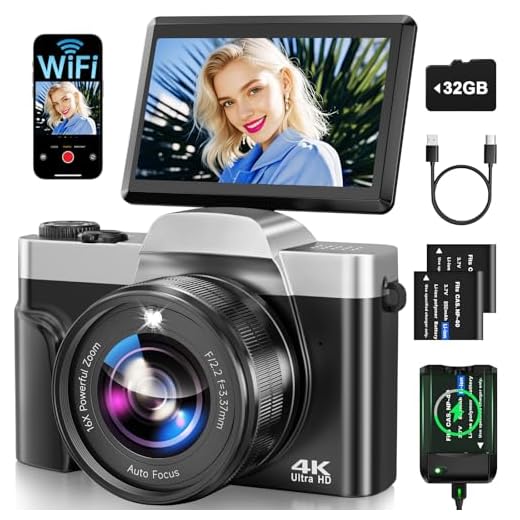
One important aspect of a digital camera is its input mechanism, which allows users to interact with the device and control various settings to capture the perfect shot.



From adjusting exposure and focus to selecting shooting modes and settings, the input features of a digital camera play a crucial role in ensuring that photographers can capture high-quality images with ease.
Understanding how digital cameras process images
Digital cameras capture images in a series of steps, starting with the input of light through the camera lens. Once the light enters the camera, it hits the image sensor, which converts the light into an electronic signal.
Image sensor
The image sensor is a crucial component of a digital camera as it converts light into digital data. There are two main types of image sensors used in digital cameras: CCD (charge-coupled device) and CMOS (complementary metal-oxide-semiconductor). Both sensors work by converting light into electrical signals, which are then processed by the camera’s image processor.
- CCD sensors offer high-quality images with low noise but consume more power.
- CMOS sensors are more energy-efficient and allow for faster data readouts, making them popular in many modern digital cameras.
After the image sensor converts the light into digital data, the camera’s image processor processes the data to create a final image. The image processor adjusts the color, contrast, and sharpness of the image before saving it to the camera’s memory card.
Memory card
Once the final image is processed, it is stored on a memory card inside the camera. The memory card acts as the storage medium for all the images captured by the camera, allowing users to transfer the images to a computer or other devices for further editing or sharing.
The Role of the Lens in Capturing Light
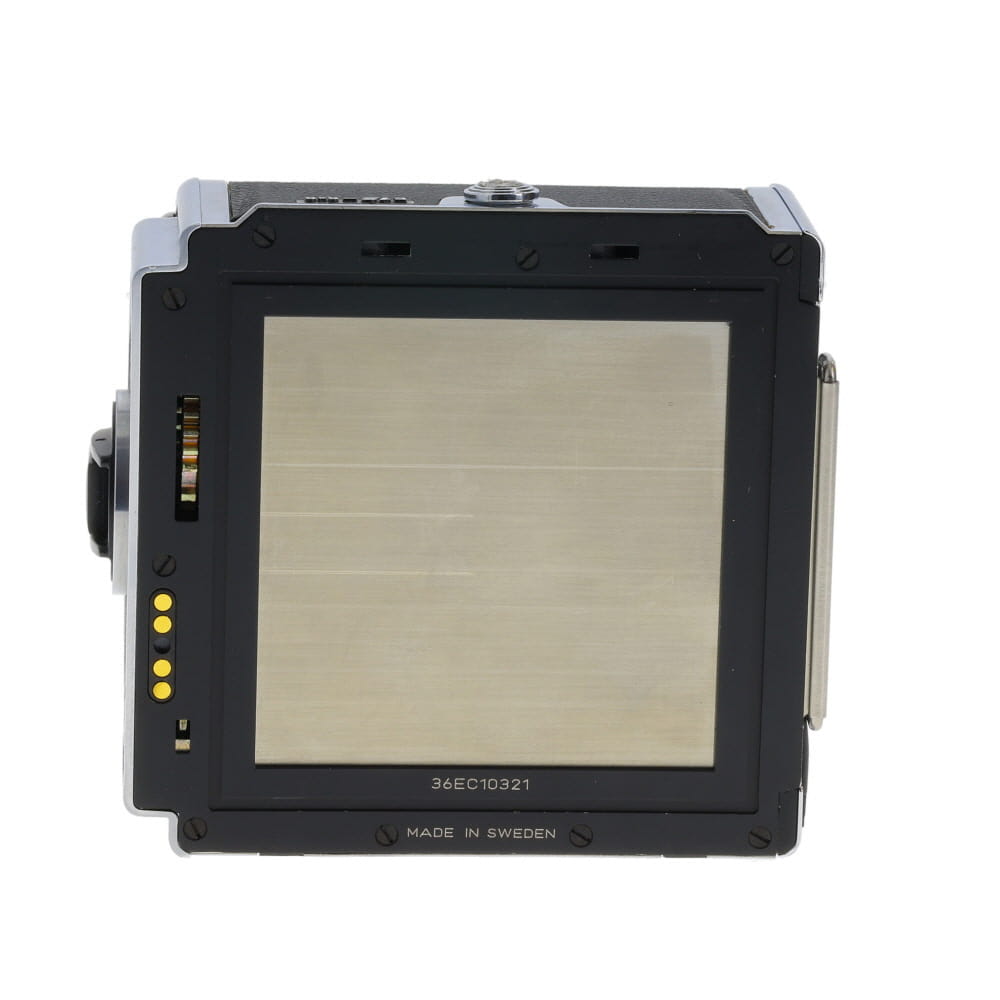
One of the key components of a digital camera that plays a crucial role in capturing light is the lens. The lens of a camera is responsible for focusing the incoming light onto the image sensor, where the light is converted into an electronic signal.
When light enters the camera through the lens, it passes through a series of glass elements that help to bend and focus the light onto the sensor. The quality of the lens, including its aperture size, focal length, and optical quality, directly impacts the sharpness, clarity, and overall image quality of the photos taken with the camera.
Converting light into digital signals with sensors
One of the key components of a digital camera is the image sensor, which is responsible for converting light into digital signals. The most common type of sensor used in digital cameras is the complementary metal-oxide-semiconductor (CMOS) sensor.
When light enters the camera through the lens, it hits the sensor, which is made up of millions of individual light-sensitive photodiodes. Each photodiode captures the intensity of the light that hits it and converts it into an electrical signal.
CMOS vs. CCD sensors
- CMOS sensors are generally more energy-efficient and less expensive to produce than CCD sensors.
- CCD sensors typically provide higher image quality and better low-light performance compared to CMOS sensors.
Image processing and data storage in the camera
A digital camera captures an image when the light hits the image sensor, which converts the light into electrical signals. These signals are then processed by the camera’s image processor, where they are transformed into a digital image file. The image processor adjusts settings such as exposure, white balance, and color to create a high-quality image.
Data storage
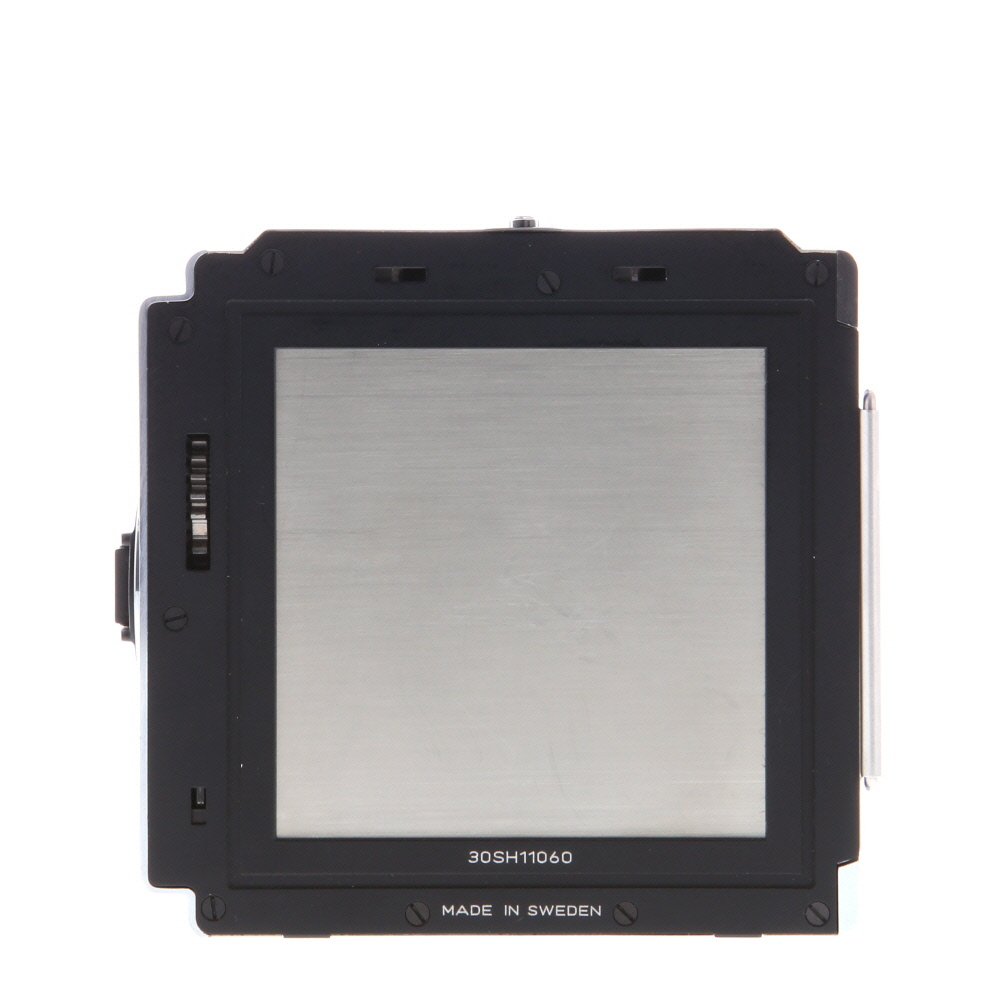
Once the image is processed, it is stored in the camera’s memory card. The memory card acts as the storage medium where the digital image files are saved. The size of the memory card determines how many images can be stored on the camera before needing to transfer them to a computer or external storage device.
Interface and controls for user input
Digital cameras have various interfaces and controls to allow users to input settings and commands. These interfaces typically include:
1. Menu system
The menu system on a digital camera allows users to navigate through various settings and options such as image resolution, white balance, ISO settings, and more. Users can use the buttons or touchscreen on the camera to select and adjust these settings according to their preferences.
2. Buttons and dials
Most digital cameras have physical buttons and dials that allow users to quickly access and adjust common settings such as shutter speed, aperture, exposure compensation, and focus mode. These buttons and dials provide a tactile interface for users to make quick changes without having to navigate through menus.
Transferring images to external devices
After capturing photos with a digital camera, you may want to transfer them to external devices for storage, editing, or sharing. There are several ways to transfer images from a digital camera:

1. USB Connection
Most digital cameras come with a USB cable that allows you to connect the camera directly to a computer or other external device. Once connected, you can transfer the images by simply copying and pasting them onto the device’s storage.
2. Memory Card Reader
Another common method is to use a memory card reader. Simply remove the memory card from the camera, insert it into the card reader, and connect the reader to a computer or other external device. This allows you to access the images on the memory card directly.
By using these methods, you can easily transfer images from your digital camera to external devices for further processing and sharing.
Editing and sharing digital photos
Once you have captured your photos using a digital camera, you can enhance them using various editing software. This software allows you to adjust colors, crop images, remove imperfections, add filters, and more to make your photos look their best.
After editing, you can easily share your digital photos with others. You can upload them to social media platforms, send them via email, create online galleries, or print them out to share in physical form. Digital photos offer endless possibilities for sharing and preserving memories.

Continuous Advancements in Digital Camera Technology
Over the years, digital camera technology has undergone continuous advancements, leading to significant improvements in image quality, features, and functionality. These advancements have revolutionized the way we capture and share moments, making photography more accessible and enjoyable for everyone.
One of the key areas of improvement in digital cameras is the sensor technology. Manufacturers have been developing sensors with higher resolution, improved low-light performance, and better dynamic range, resulting in sharper, clearer images with more accurate colors.
Another area of innovation is the development of advanced autofocus systems. Modern digital cameras feature sophisticated autofocus systems that can quickly and accurately focus on subjects, even in challenging conditions. This makes it easier for users to capture sharp and well-focused images, especially when shooting fast-moving subjects.
| Additionally, advancements in image processing algorithms have played a crucial role in enhancing the overall image quality. These algorithms help reduce noise, improve sharpness, and optimize color reproduction, resulting in more vibrant and lifelike images. |
| Furthermore, the integration of connectivity features such as Wi-Fi and Bluetooth has enabled users to easily transfer photos to their devices, share them on social media, or remotely control their cameras. This connectivity has made it more convenient for photographers to instantly access and share their images. |
Overall, the continuous advancements in digital camera technology have made photography more immersive, intuitive, and rewarding for photographers of all skill levels.
FAQ
How does a digital camera capture images?
A digital camera captures images by using a sensor that converts light into digital signals. When you press the shutter button, the sensor records the light that enters the camera through the lens and converts it into a digital file, which is then stored on a memory card.
What are the main components of a digital camera that enable input?
The main components of a digital camera that enable input are the sensor, lens, and image processor. The sensor captures the light, the lens focuses the light onto the sensor, and the image processor processes the digital signals from the sensor to create a final image.
How does a digital camera differ from a film camera in terms of input?
A digital camera uses a sensor to capture images and convert them into digital files, while a film camera uses photographic film to record images. The digital camera’s input process is electronic and allows for immediate viewing and editing, whereas a film camera requires developing the film to see the images.
Can a digital camera accept input from external devices?
Yes, many digital cameras have the capability to accept input from external devices such as memory cards, USB drives, and even smartphones or tablets. This allows users to transfer images and videos from other devices to the camera for storage or sharing.


I'm really interested in how the different image sensors affect photo quality. Can someone explain the main differences between CCD and CMOS sensors in simpler terms?
Sure! CCD sensors typically give better image quality in low light, but they use more power. CMOS sensors are more energy-efficient and quicker but might not perform as well in dim conditions. It really depends on your needs.
I’ve noticed my camera’s settings can be a bit overwhelming at first. It took me a while to figure out the right exposure settings, but now I feel more confident taking photos.
Can someone clarify how the image processor affects the final photo? I understand it adjusts things like color and contrast, but does it really change how the picture looks fundamentally?