
 Carmen J. Moore

AV in the context of digital cameras stands for aperture priority, a mode that allows photographers to control the aperture setting while the camera automatically adjusts the shutter speed to achieve proper exposure. This setting is particularly useful when you want to have control over the depth of field in your photos.
By selecting AV mode on your camera, you can set the desired aperture value, which determines the size of the opening in the lens through which light enters. A smaller aperture (larger f-stop number) results in a greater depth of field, keeping more of the scene in focus, while a larger aperture (smaller f-stop number) creates a shallow depth of field, isolating your subject from the background.


Understanding how to use the AV setting effectively can greatly enhance your photography skills and expand your creative possibilities. Experimenting with different aperture values in AV mode will help you achieve the desired effects in your photos, whether you’re capturing landscapes, portraits, or close-up shots.
Understanding the digital camera setting av
Av stands for Aperture Value in digital camera settings. It is a mode that allows you to control the aperture while the camera automatically adjusts the shutter speed to achieve proper exposure. This setting is commonly referred to as aperture priority mode.
Aperture is the opening in the lens through which light enters the camera. It is measured in f-stops, with lower f-stop numbers indicating a larger aperture and higher f-stop numbers indicating a smaller aperture.
Key points about the av setting:
- Allows you to control depth of field: A larger aperture (lower f-stop number) results in a shallow depth of field, while a smaller aperture (higher f-stop number) results in a greater depth of field.
- Useful for controlling exposure: Adjusting the aperture can help you achieve the desired exposure for your images.
Definition and Purpose of AV Setting
The AV setting on a digital camera stands for Aperture Value, also known as Aperture Priority mode. This setting allows you to control the aperture of the camera lens while the camera automatically adjusts the shutter speed to maintain proper exposure.
Aperture refers to the opening in the lens that allows light to enter the camera. By adjusting the aperture, you can control the amount of light that reaches the camera sensor, which in turn affects the depth of field in your photos. A smaller aperture (higher f-stop number) results in a larger depth of field, while a larger aperture (lower f-stop number) creates a shallower depth of field.

The AV setting is useful when you want to control the depth of field in your photos, such as for portraits with a blurred background (shallow depth of field) or landscapes with everything in focus (deep depth of field). It gives you creative control over the look and feel of your images while ensuring proper exposure.
How AV Setting Affects Your Photos
The AV setting on your digital camera, also known as aperture priority mode, allows you to control the aperture while the camera automatically sets the shutter speed. Understanding how the AV setting affects your photos can help you capture the perfect shot.
Depth of Field
One of the key ways the AV setting affects your photos is by controlling the depth of field. A wider aperture (lower f-stop number) creates a shallow depth of field, blurring the background and emphasizing the subject. On the other hand, a smaller aperture (higher f-stop number) increases the depth of field, keeping more of the scene in focus.
Exposure
The AV setting also impacts the exposure of your photos. By adjusting the aperture, you can control the amount of light entering the camera. A wider aperture lets in more light, making the image brighter, while a smaller aperture reduces the amount of light, resulting in a darker image. Understanding how to balance aperture and other settings like ISO and shutter speed is crucial for achieving the desired exposure.
Advantages of using av setting
1. Depth of field control: The av setting allows you to control the depth of field in your photos, which can be useful for creating artistic effects or emphasizing a specific subject.
2. Automatic exposure: When using the av setting, the camera automatically adjusts the exposure based on the aperture setting you choose, making it easier to get well-exposed photos.
3. Creative flexibility: By using the av setting, you have more creative control over your photos, allowing you to experiment with different aperture settings to achieve the desired look.
4. Better low-light performance: In low-light situations, using a wider aperture setting with the av mode can help capture more light and produce better results without the need for a flash.
5. Simplified shooting: The av setting simplifies the shooting process by taking care of the exposure settings for you, so you can focus on framing and capturing the perfect shot.
Disadvantages of Av Setting
While the Av setting on a digital camera can be very useful in certain situations, it does come with some disadvantages:
1. Depth of Field Limitations
When using the Av setting, the camera automatically adjusts the aperture to control the amount of light entering the lens. This can result in a limited depth of field, which may not be suitable for all types of photography, especially when you need a large depth of field.
2. Exposure Inconsistencies
Since the camera is making automatic adjustments to the aperture, there is a risk of exposure inconsistencies, especially in changing lighting conditions. This can lead to overexposed or underexposed images.
It is important for photographers to be aware of these disadvantages and understand how to work around them when using the Av setting on their digital cameras.
Common misconceptions about AV setting
When it comes to using the AV (aperture priority) setting on a digital camera, there are several common misconceptions that many people have. Let’s take a look at some of them:
1. AV setting is only for professional photographers
One common misconception is that the AV setting is only for professional photographers. In reality, the AV setting can be used by photographers of all skill levels to achieve creative control over the depth of field in their images.

2. AV setting is the same as manual mode
Another misconception is that using the AV setting is the same as shooting in manual mode. While both settings allow you to control the aperture, the AV setting still allows the camera to automatically adjust the shutter speed to achieve proper exposure, making it easier for beginners to use.
When to use AV setting
The AV (aperture priority) setting on a digital camera allows you to control the aperture while the camera automatically selects the appropriate shutter speed to achieve proper exposure. This setting is ideal for situations where you want to control depth of field, such as portrait photography or macro photography.
Here are some scenarios when you may want to use the AV setting:
| Situation | Recommendation |
| Portrait photography | Use a wide aperture (low f-number) to create a blurred background and make the subject stand out. |
| Landscape photography | Use a narrow aperture (high f-number) to ensure that both the foreground and background are in focus. |
| Low light conditions | Use a wider aperture to let in more light and avoid using a high ISO setting, which can introduce noise. |
Experiment with the AV setting in different shooting scenarios to understand how aperture affects your photos and to achieve the desired creative effect.
Tips for adjusting av setting
When using the av setting on your digital camera, there are a few tips to keep in mind to ensure you capture the best possible photos:
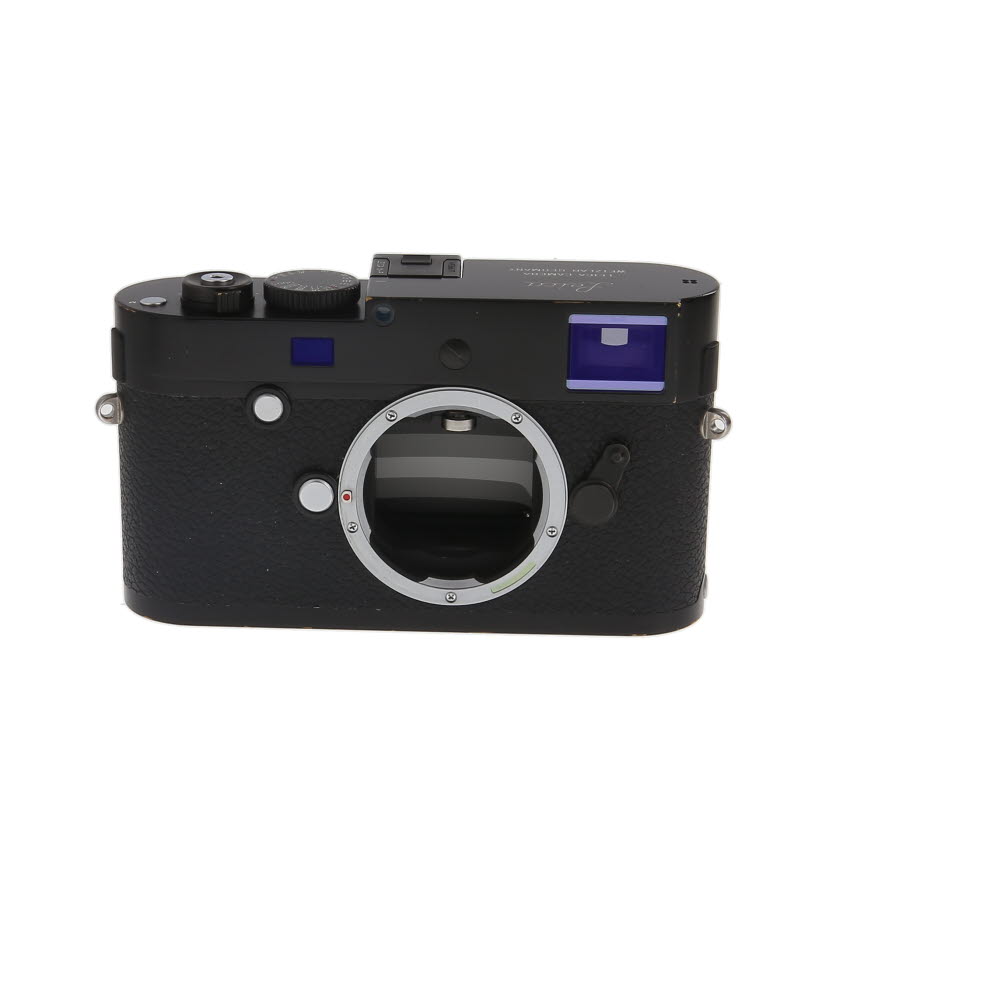
1. Understand aperture
Aperture, represented by the ‘av’ setting, controls the amount of light that enters the camera. A lower aperture value (e.g. f/2.8) allows more light in and creates a shallower depth of field, ideal for portraits. A higher aperture value (e.g. f/16) lets in less light and creates a greater depth of field, good for landscapes.
2. Experiment with different settings
Try adjusting the av setting to see how it impacts your photos. Take some shots with a low aperture for a blurred background effect, and then try a higher aperture for sharper details throughout the image.
By experimenting with the av setting, you can learn how to control the exposure and depth of field in your photos to achieve the desired effect.
Examples of AV Setting in Action
Here are a few examples of when to use the AV (aperture priority) setting on a digital camera:
Landscape Photography
When capturing landscapes, you may want to use a small aperture (higher f-number) to ensure that everything in the scene is in focus. The AV setting allows you to easily control the aperture while the camera adjusts the shutter speed accordingly.
Portrait Photography
For portrait photography, you may want to use a larger aperture (lower f-number) to achieve a shallow depth of field and blur the background. With the AV setting, you can set the desired aperture and let the camera take care of the rest, ensuring optimal exposure.
FAQ
What does the AV setting on a digital camera stand for?
AV stands for Aperture Value. It is a setting that allows you to manually control the aperture of the camera, which in turn affects the depth of field in your photos.
How does the AV setting affect my photos?
The AV setting on a digital camera allows you to control the aperture, which determines how much light enters the camera. A wider aperture (lower f-stop number) will result in a shallow depth of field, while a narrower aperture (higher f-stop number) will give you a greater depth of field.
Why would I use the AV setting on my digital camera?
Using the AV setting allows you to have more creative control over your photos by adjusting the depth of field. It’s particularly useful for portrait photography or when you want to isolate your subject from the background.
Can I use the AV setting in low light conditions?
Yes, the AV setting can be very useful in low light conditions. You can use a wider aperture to let in more light and still maintain a sharp focus on your subject, even in dimly lit environments.

How does the AV setting differ from the TV setting on a digital camera?
The AV setting controls the aperture, while the TV (Time Value) setting controls the shutter speed. Both settings allow you to manually adjust key exposure variables, but they affect different aspects of the image capture process.


Does the AV setting affect video shooting as well, or is it just for photos?
I recently tried using the AV setting during my trip to the mountains. I found it really helpful for landscapes! I used a smaller aperture to keep the entire scene in focus, and the results were stunning. I also experimented with wider apertures for some portraits, which turned out great too. Highly recommend trying it out if you're into outdoor photography!
What exactly is the difference between AV mode and manual mode? I want to know when to use each setting effectively.
Great question! AV mode lets the camera adjust shutter speed for you, while in manual mode, you control both aperture and shutter speed. It's a bit easier for beginners to use AV.
Using a lower f-stop really made my flower shots pop! The background was beautifully blurred. AV mode is a game changer!
I have to disagree about using AV mode for everything. In fast-changing light conditions, it can mess up your exposure. Manual control gives you better results in those cases.
I see your point! I've had similar issues. Sometimes, sticking to manual is the safest bet during golden hour.
Can someone explain how to adjust the aperture in AV mode? I can't seem to find the right settings on my camera.