
 Carmen J. Moore

Long exposure photography is a popular technique used by photographers to capture stunning images of night scenes, star trails, and light trails. However, many photographers wonder if prolonged exposure can harm their digital camera.
Long exposure involves leaving the camera’s shutter open for an extended period, allowing more light to enter the sensor. While this technique can result in beautiful, ethereal images, it can also potentially damage the camera’s sensor.
It is essential to understand the risks associated with long exposure photography and take precautions to prevent any harm to your digital camera.
Can Long Exposure Damage Camera Sensors?
Long exposure photography involves leaving the camera’s shutter open for an extended period of time to capture more light and create stunning effects, such as light trails or star trails. While long exposure itself does not usually damage camera sensors, there are a few considerations to keep in mind:
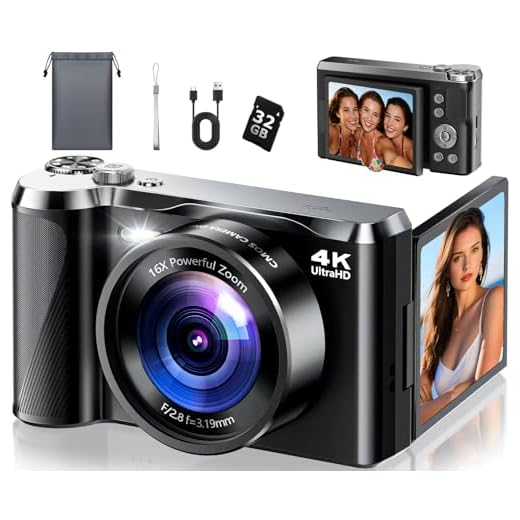
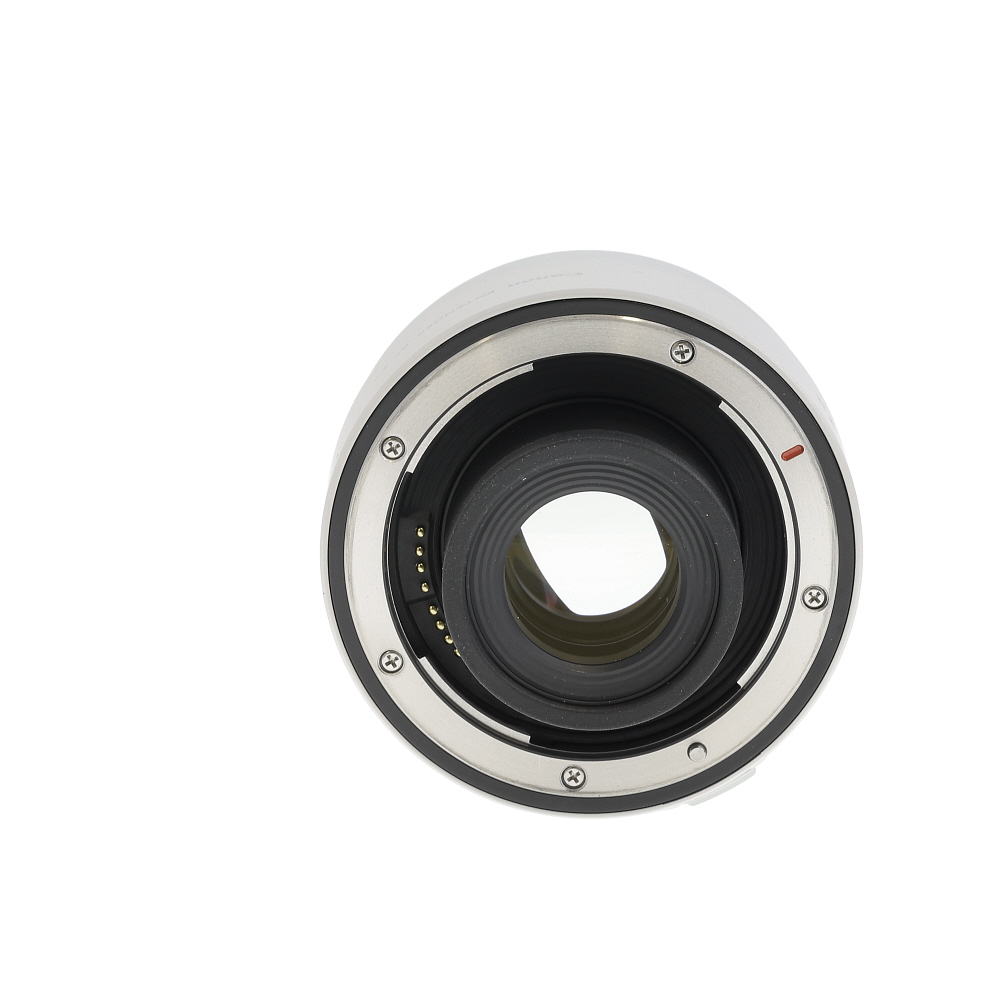

- Heat build-up: Extended use of the sensor can generate heat, which may affect image quality or even cause temporary malfunctions. It is advisable to give your camera breaks between long exposure shots to prevent overheating.
- Hot pixels and noise: Long exposure can lead to hot pixels and increased noise in images, especially in warmer conditions. This is a common issue with digital sensors, but can usually be mitigated through post-processing techniques.
- Sensor degradation: While modern camera sensors are designed to withstand thousands of exposures, prolonged use at high temperatures or with intense light sources can contribute to sensor degradation over time. It is essential to use your camera responsibly and take precautions to avoid excessive wear on the sensor.
In conclusion, while long exposure photography is generally safe for camera sensors, it is essential to be mindful of potential risks and take steps to protect your equipment for long-term use.
Understanding Long Exposure Photography
Long exposure photography is a technique where the camera’s shutter is open for an extended period of time, allowing more light to reach the sensor. This technique is commonly used in low-light situations or to create artistic effects such as light trails or smooth waterfalls.
How It Works
When the shutter is open for a long time, the sensor accumulates light over the duration of the exposure, resulting in a brighter image. However, this prolonged exposure can also lead to issues such as noise, hot pixels, and overexposure if not properly managed.
It’s important to understand the limitations of your camera and how to adjust settings such as ISO, aperture, and shutter speed to achieve the desired results without causing harm to your digital camera.
Effects of Long Exposure on Camera Sensors
Long exposure photography can have both positive and negative effects on digital camera sensors. While long exposure shots can result in stunning images with unique light trails and smooth water effects, extended exposure times can also have detrimental effects on the camera sensor.

Positive Effects:
1. Capturing light trails from moving objects.
2. Creating smooth water effects in landscape photography.
3. Enhancing night photography by capturing more light.
Negative Effects:
1. Increased sensor heat leading to hot pixels and noise.
2. Risk of sensor burnout due to prolonged exposure to light.
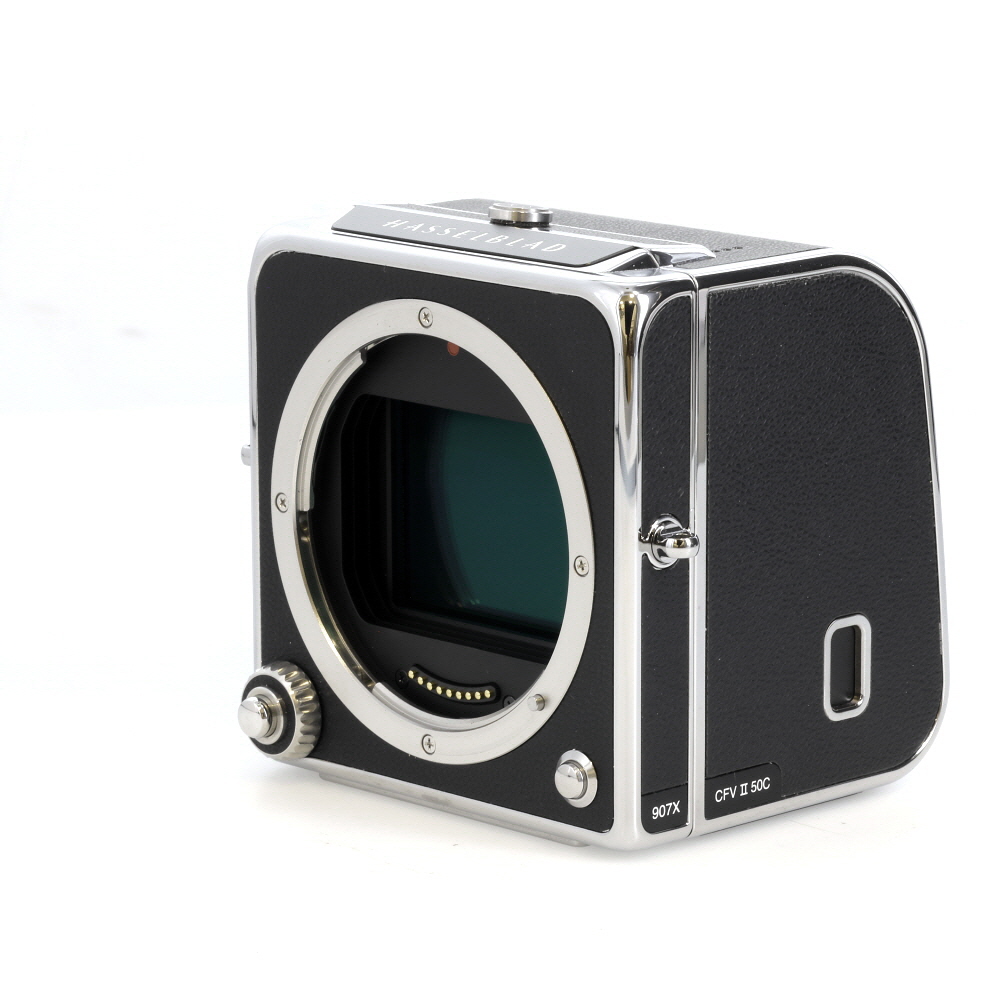
3. Reduced sensor lifespan due to continuous usage in long exposure photography.
It is important for photographers to be aware of these effects and take necessary precautions to protect their camera sensors when engaging in long exposure photography.
| Positive Effects | Negative Effects |
|---|---|
| Capturing light trails | Increased sensor heat |
| Creating smooth water effects | Risk of sensor burnout |
| Enhancing night photography | Reduced sensor lifespan |
How to Protect Your Camera During Long Exposure Shots
Long exposure shots can be a great way to capture stunning photos, but they can also put extra strain on your digital camera. To ensure your camera stays in top condition during long exposure photography, follow these tips:
1. Use a Tripod
One of the most important things you can do to protect your camera during long exposure shots is to use a sturdy tripod. This will help prevent camera shake and ensure your photos come out sharp and clear.
2. Monitor the Temperature
Extended use of your camera during long exposure shots can cause it to heat up. Be mindful of the temperature and take breaks if necessary to prevent overheating. You can also consider using a cooling pad or fan to help regulate the temperature.

| Tip: Avoid leaving your camera exposed to direct sunlight for extended periods of time, as this can also contribute to overheating. |
Signs of Sensor Damage from Long Exposure
When a digital camera is exposed to long exposure times, the sensor can suffer damage if not properly managed. Here are some signs that your camera’s sensor may be damaged from long exposure:
1. Hot Pixels: Hot pixels are bright spots that appear in images taken with long exposure times. These pixels can indicate sensor damage.
2. Dead Pixels: Dead pixels are dark spots that appear in images taken with long exposure times. These pixels can also indicate sensor damage.
3. Color Shifts: If you notice strange color shifts or inconsistencies in your images after long exposure shots, it could be a sign of sensor damage.
4. Image Noise: Increased image noise or graininess in long exposure shots can be a sign of sensor damage.

5. Uneven Exposure: If certain areas of your images appear overexposed or underexposed after long exposure shots, it may indicate sensor damage.
If you observe any of these signs in your images, it is important to have your camera’s sensor checked by a professional to prevent further damage.
Final Thoughts on Long Exposure and Camera Health
While long exposure photography can produce stunning images, it’s important to consider the potential impact on your camera’s health. Excessive use of long exposure settings can lead to increased sensor heat, which may result in image noise or even permanent damage to the sensor.
It’s essential to strike a balance between capturing the perfect shot and ensuring your camera’s longevity. Be mindful of the duration of your long exposure shots and give your camera breaks to cool down if necessary. Additionally, regularly cleaning your camera’s sensor and keeping it well-maintained can help mitigate any potential damage from long exposure photography.
Ultimately, with proper care and moderation, long exposure photography can be a rewarding and safe technique to explore with your digital camera.
FAQ
Can long exposure damage my digital camera?
Long exposure can potentially cause damage to a digital camera if the sensor overheats or if the camera is not designed to handle extended exposure times. It is advisable to check your camera’s manual for recommended exposure limits and to avoid leaving the camera’s sensor exposed to light for extended periods of time.
Is it safe to do long exposure photography with a digital camera?
It is generally safe to do long exposure photography with a digital camera as long as you follow the manufacturer’s guidelines and recommendations. Be mindful of the camera’s temperature and make sure it is not overheating during long exposure shots. Additionally, using a tripod and remote shutter release can help minimize camera shake and ensure sharp images.
What are the potential risks of using long exposure on a digital camera?
Using long exposure on a digital camera can pose certain risks such as overheating of the sensor, increased noise in the image, and potential damage to the camera’s components. To mitigate these risks, it is important to monitor the camera’s temperature, use noise reduction techniques, and avoid prolonged exposure times beyond what the camera is designed to handle.


I love long exposure night shots! But how often should I give my camera a break to prevent overheating? Is there a specific time limit for exposures?
I've been doing long exposure photography for a while, and I noticed hot pixels showing up in my shots after longer exposures. I started taking breaks between shots, and it really improved my image quality. It's a bit of a hassle, but worth it for better results!