
 Carmen J. Moore

Professional movie cameras have long been a crucial tool in the world of filmmaking, capturing the creative vision of directors and cinematographers on the big screen. However, the question of whether these cameras should use film or digital technology has been a topic of debate for years.
Traditionally, film cameras were the industry standard, offering a distinct aesthetic quality and a sense of nostalgia. The texture, color rendition, and dynamic range of film have a unique appeal that many filmmakers swear by, believing it adds a certain warmth and depth to the image that digital cameras struggle to replicate.

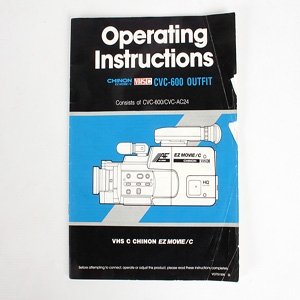
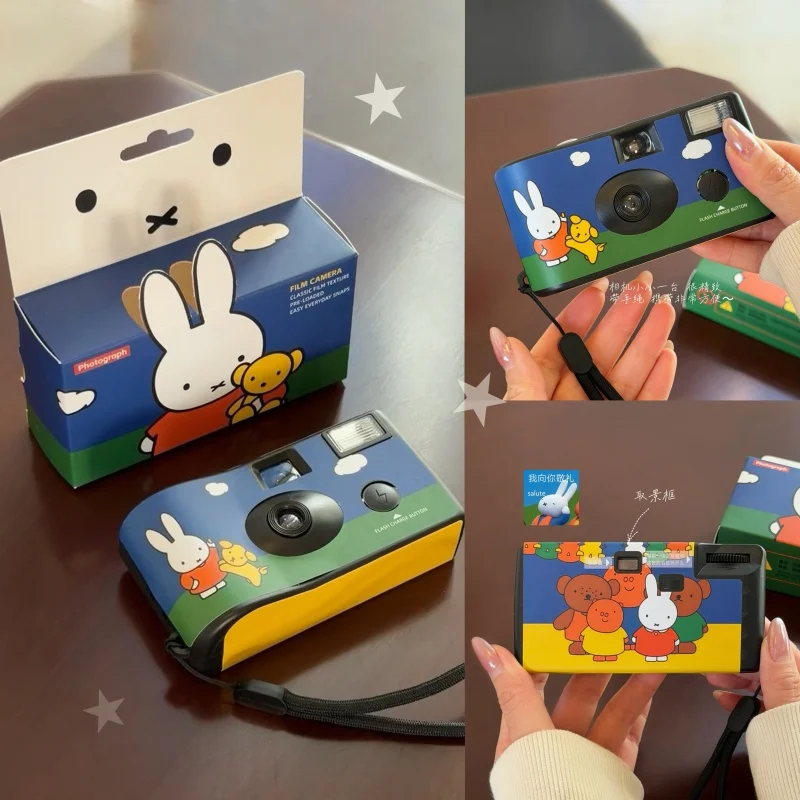
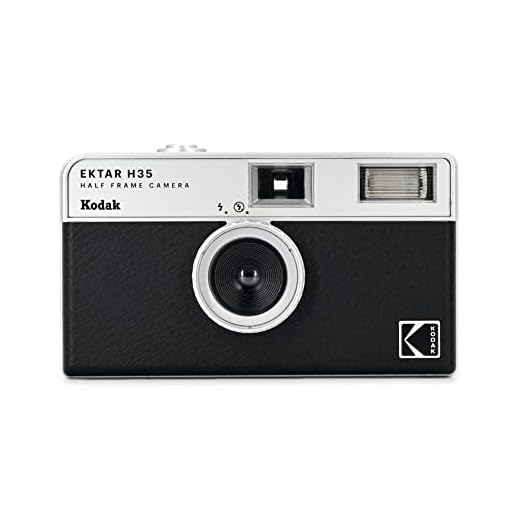
On the other hand, digital cameras have made significant advancements in recent years, offering high-resolution images, flexibility in post-production, and cost-effective workflows. Many filmmakers appreciate the convenience and efficiency of digital technology, allowing for faster turnaround times and easier distribution.
Overview of professional movie cameras
Professional movie cameras are advanced pieces of equipment used by filmmakers to capture high-quality video footage for movies, television shows, documentaries, and other visual media projects. These cameras are designed to meet the demanding requirements of professional cinematography, offering features such as high-resolution sensors, interchangeable lenses, precise control over exposure settings, and advanced image processing capabilities.
Professional movie cameras can be categorized into two main types: film cameras and digital cameras. Film cameras use photographic film to record images, while digital cameras capture images electronically using image sensors. Both types of cameras have their own unique characteristics and advantages, and filmmakers often choose between them based on the specific needs of their project.
| Feature | Film Cameras | Digital Cameras |
|---|---|---|
| Image Quality | Offers a unique aesthetic with grain and color rendition | Provides sharp, clean images with high resolution |
| Workflow | Requires film processing and scanning for digital editing | Allows for immediate review and editing of footage |
| Cost | Higher initial cost for film stock and processing | Lower initial cost with reusable digital storage |
| Flexibility | Limited ability to adjust exposure and settings in-camera | Offers extensive control over exposure and settings |
Ultimately, the choice between film and digital cameras depends on the filmmaker’s artistic vision, budget, and technical requirements. Many professionals appreciate the tactile and visual qualities of film cameras, while others prefer the convenience and flexibility of digital technology. Regardless of the type of camera used, professional movie cameras play a crucial role in bringing cinematic stories to life on the screen.
Differences between film and digital cameras
Film Cameras:

Film cameras use photographic film to capture images. They rely on chemical processes to develop the images captured on the film. Film cameras have a unique aesthetic quality and are favored by some photographers for their classic look.
Advantages:
- Rich color depth
- Unique film grain
- Classic aesthetic
Disadvantages:
- Cost of film and developing
- Limited number of shots per roll
- Cannot immediately review images
Digital Cameras:
Digital cameras use electronic sensors to capture images. They store images digitally, allowing for immediate review and editing. Digital cameras have become the standard in photography due to their convenience and versatility.

Advantages:
- Instant review and editing
- High resolution images
- Easy sharing and storage
Disadvantages:
- Lack of film aesthetic
- Potential loss of image quality in low light
- Dependence on batteries and technology
Advantages of film cameras
Film cameras have a unique charm and aesthetic that many photographers and filmmakers appreciate. Here are some advantages of using film cameras:
1. Image Quality
Film cameras produce images with a distinct look and feel that is often praised for its warmth and depth. Film can capture a wider range of colors and tones compared to digital sensors, resulting in rich and detailed photographs.
2. Analog Process
Using film cameras requires a more deliberate and thoughtful approach to photography. Photographers must carefully consider each shot, as film can be expensive and limited in the number of exposures. This analog process can lead to a more focused and intentional creative process.
| Advantages of Film Cameras |
| 1. Image Quality |
| 2. Analog Process |
Advantages of digital cameras
Digital cameras offer several advantages over film cameras:
Instant feedback
With digital cameras, you can instantly review the images you have taken on the camera’s screen. This allows you to make adjustments to your settings and composition on the spot, ensuring you get the shot you want.
Convenience
Digital cameras eliminate the need for film rolls and development, making it easier and more cost-effective to take and store a large number of photos. You can also quickly transfer your images to a computer for editing and sharing online.
Cost comparison: film vs digital
When it comes to the cost of using film versus digital cameras, there are several factors to consider.
- Initial cost: Film cameras tend to be more affordable upfront, but the cost of film, processing, and storage can add up over time. Digital cameras have a higher initial cost, but the ongoing costs are lower.
- Storage: Digital cameras allow for easy storage of photos on memory cards or hard drives, while film requires physical storage space for negatives and prints.
- Processing: Digital photos can be processed quickly and easily on a computer, while film processing involves additional time and cost at a lab.
- Flexibility: Digital cameras offer more flexibility in terms of editing and sharing photos, while film is limited by the quality of the original negative.
- Long-term cost: While digital cameras may have a higher initial cost, the long-term cost of using film can add up significantly over time, making digital a more cost-effective option in the long run.
Quality comparison: film vs digital
When it comes to comparing the quality of film and digital cameras, there are several factors to consider.
Resolution:
Film: Film cameras can capture incredibly high-resolution images, often surpassing the capabilities of digital cameras. Film is able to record fine details with clarity and depth.
Digital: Digital cameras have made significant advancements in resolution over the years, with many modern cameras offering high megapixel counts. While digital cameras may not match the resolution of film in all cases, they can still produce sharp and detailed images.
Color reproduction:
Film: Film is known for its rich and vibrant color reproduction. Different film stocks can produce unique color palettes that are difficult to replicate with digital cameras.
Digital: Digital cameras have the advantage of being able to adjust color settings in-camera or during post-processing. While digital color reproduction has improved over the years, some photographers still prefer the look of film for its distinct color characteristics.
Trends in professional movie camera technology
Professional movie camera technology has seen significant advancements in recent years, with a shift from traditional film cameras to digital cameras. Digital cameras offer filmmakers greater flexibility, efficiency, and cost-effectiveness compared to film cameras. Some key trends in professional movie camera technology include:
| 1. 4K and beyond | Professional movie cameras now offer resolutions of 4K and even higher, providing filmmakers with incredibly detailed images and the ability to capture stunning visuals. |
| 2. High dynamic range (HDR) | Cameras with HDR capabilities allow filmmakers to capture a wider range of colors and details in their footage, resulting in more vibrant and realistic images. |
| 3. Compact and lightweight designs | Modern professional movie cameras are becoming increasingly compact and lightweight, making them easier to handle and transport on set. |
| 4. Integrated stabilization systems | Many professional cameras now come with built-in stabilization systems, reducing the need for additional stabilization equipment and ensuring smoother footage. |
| 5. Wireless connectivity | Wireless connectivity features allow filmmakers to remotely control their cameras, transfer files wirelessly, and even stream live footage, enhancing workflow efficiency. |
FAQ
Are professional movie cameras still using film or have they switched to digital?
Professional movie cameras have largely switched from film to digital technology. While film is still used in some niche projects or for artistic reasons, the majority of professional filmmakers now prefer digital cameras due to their flexibility, ease of use, and cost-effectiveness.
What are the advantages of using digital cameras over film cameras in professional movie production?
Using digital cameras in professional movie production offers several advantages, including immediate playback for directors and crew to review shots, the ability to shoot in various lighting conditions without changing film stock, easier post-production editing and effects, and cost savings in terms of film stock and processing. Additionally, digital cameras often provide higher resolution and dynamic range compared to traditional film cameras.


I'm curious about the actual workflow when using film cameras. How do professionals manage the film processing and what challenges do they usually encounter?
Could someone explain why film still has a following in the industry when digital options are so advanced now?
Film continues to have a strong following due to its unique aesthetic qualities and the creative process it encourages. Many filmmakers appreciate the distinct color and texture film provides, which can be difficult to replicate digitally. Additionally, the limits of film can promote more intentional shooting.