
 Carmen J. Moore

Digital camera lenses have revolutionized the way we capture images, offering unparalleled clarity and detail. One of the key factors that contribute to the quality of a digital image is contrast, which refers to the difference between the lightest and darkest parts of the image.
Contrast plays a crucial role in creating a visually appealing and dynamic photograph. It helps to define shapes and textures, enhance colors, and bring out the fine details in an image. When it comes to digital camera lenses, the quality of the lens can have a significant impact on the contrast of the images it produces.
High-quality lenses are designed to minimize lens flare and aberrations, resulting in images with greater contrast and sharpness. The use of advanced lens coatings also helps to reduce glare and improve contrast, especially in challenging lighting conditions.
Understanding Lens Contrast
Contrast is a crucial aspect of image quality in photography. When it comes to digital camera lenses, the level of contrast can vary depending on the quality of the lens construction and the materials used.

Factors Affecting Lens Contrast
Several factors can influence the contrast of a lens, including the number and quality of lens elements, the coating applied to the lens surfaces, and the design of the lens itself. High-quality lenses with multiple elements and advanced coatings tend to produce images with higher contrast.
Measuring Lens Contrast
Lens contrast can be measured using various methods, including MTF (Modulation Transfer Function) charts and tests. These measurements provide valuable information about how well a lens can reproduce fine details and textures in an image.
| Lens Type | Contrast Level |
|---|---|
| Prime Lens | High |
| Zoom Lens | Variable |
Overall, understanding lens contrast is essential for photographers looking to achieve sharp, vibrant images with their digital cameras. Investing in high-quality lenses can significantly improve the contrast and overall image quality of your photos.
Factors Affecting Contrast Levels
There are several factors that can affect the contrast levels in digital camera lenses:
1. Lens Quality: The quality of the lens itself plays a significant role in determining the contrast levels. Higher quality lenses are usually able to produce sharper images with better contrast.
2. Lens Coatings: Lens coatings can also impact contrast levels. Anti-reflective coatings, for example, can help reduce glare and improve contrast in images.
3. Aperture Size: The size of the aperture can affect the amount of light that enters the lens, which in turn can impact contrast levels. A larger aperture allows more light to enter, potentially leading to better contrast.
4. Sensor Quality: The quality of the camera sensor can also influence contrast levels. Higher quality sensors are often able to capture more detail and produce images with better contrast.
5. Lighting Conditions: The lighting conditions in which a photo is taken can greatly impact contrast levels. Good lighting can enhance contrast, while poor lighting can result in washed-out or low-contrast images.
Advantages of Digital Camera Lenses
1. Versatility: Digital camera lenses offer a wide range of focal lengths, allowing photographers to capture various types of shots, from wide-angle landscapes to close-up portraits.
2. Image Quality: Digital camera lenses are designed to minimize optical distortions and aberrations, resulting in sharper images with better contrast and color accuracy.
3. Autofocus Technology: Many digital camera lenses come with advanced autofocus systems that can quickly and accurately focus on subjects, ensuring sharp and clear photos.
4. Image Stabilization: Some digital camera lenses are equipped with image stabilization technology, which helps reduce camera shake and blur, especially in low-light conditions or when using telephoto lenses.
5. Compatibility: Digital camera lenses are often designed to be compatible with a wide range of camera bodies, allowing photographers to easily switch between different lenses without compatibility issues.
Comparing Contrast in Film and Digital Photography
When comparing contrast in film and digital photography, it’s important to consider how each medium captures and reproduces contrast in images. Film photography is known for its rich tones and smooth transitions between shadows and highlights, often resulting in a more organic and classic look. Digital photography, on the other hand, tends to have more pronounced contrast, with sharper distinctions between dark and light areas.

One of the reasons for this difference is the way film and digital sensors respond to light. Film has a greater dynamic range, meaning it can capture a wider range of tones in a single image. Digital sensors, while improving in dynamic range over the years, still have limitations compared to film. This can result in a more contrasty image in digital photography.
However, the contrast in digital photography can be adjusted during post-processing, giving photographers more control over the final look of their images. With the use of editing software, photographers can fine-tune contrast levels to achieve the desired effect, whether it’s a high-contrast dramatic look or a softer, low-contrast style.
In conclusion, while film photography may offer a more subtle and nuanced contrast, digital photography provides flexibility and control in adjusting contrast levels to suit the photographer’s vision.
Enhancing Contrast with Post-Processing
While digital camera lenses play a significant role in capturing contrast in images, post-processing techniques can further enhance the contrast to make your photos stand out. Here are a few tips to help you boost the contrast in your images:
1. Adjust Levels and Curves
Use editing software like Adobe Photoshop or Lightroom to adjust the levels and curves of your image. This allows you to fine-tune the contrast by adjusting the brightness and darkness levels of different areas in the photo.
2. Apply Local Contrast Enhancements
Utilize tools like Clarity or Sharpening to apply local contrast enhancements to specific areas of your image. This technique can help bring out details and textures, enhancing the overall contrast of the photo.
Measuring Contrast in Camera Lenses
When it comes to evaluating the quality of a camera lens, contrast is a key factor to consider. Contrast refers to the difference in brightness between the light and dark areas of an image. A lens with high contrast will produce images with crisp, clear details and vibrant colors, while a lens with low contrast may result in dull, flat-looking photos.
Methods for Measuring Contrast:
- Modulation Transfer Function (MTF) testing: This method measures the lens’s ability to accurately reproduce fine details in an image. A lens with high MTF values across the frame will typically have better contrast.
- Contrast ratio testing: This test compares the brightness of the lightest and darkest areas of an image to determine the lens’s contrast performance. Higher contrast ratios indicate better performance.
By understanding how to measure contrast in camera lenses, photographers can make more informed decisions when choosing the right lens for their photography needs.
Choosing the Right Lens for High Contrast Photography
When it comes to capturing high contrast images, choosing the right lens is crucial. The lens you use can greatly impact the overall contrast and sharpness of your photos. Here are some tips for selecting the perfect lens for high contrast photography:
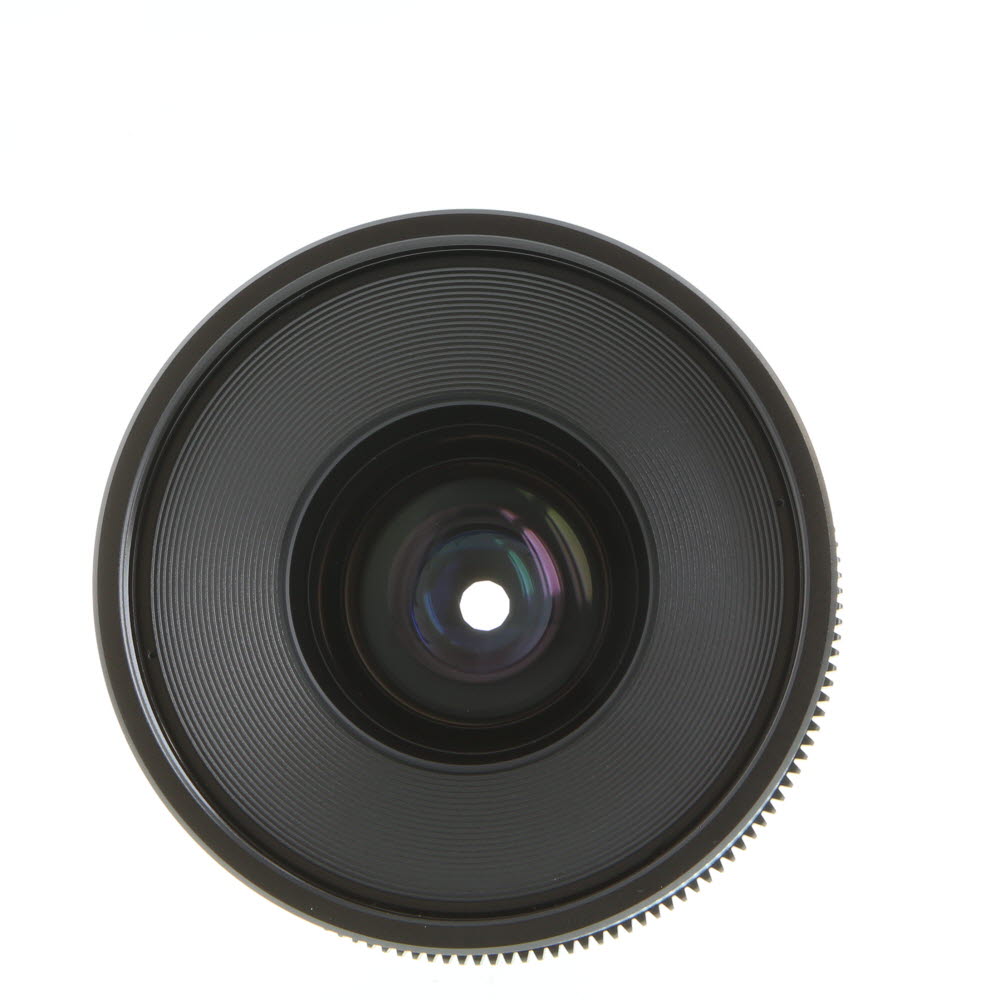
1. Prime Lenses
Prime lenses are known for their sharpness and clarity, making them a great choice for high contrast photography. They have a fixed focal length, which can help you achieve crisp images with excellent contrast.
2. Wide Aperture Lenses
Lenses with wide apertures allow more light to enter the camera, resulting in brighter images with better contrast. These lenses are ideal for low-light conditions and can help you achieve stunning high contrast shots.
Remember to consider the focal length, aperture, and optical quality of the lens when selecting one for high contrast photography. Experiment with different lenses to find the one that best suits your style and vision.
Impact of Lens Coatings on Contrast
One of the key factors that influence the contrast in digital camera lenses is the type of coatings applied to the lens surface. Lens coatings are designed to reduce reflections and improve light transmission, which ultimately affects the contrast of the images captured.
Anti-Reflective Coatings
Anti-reflective coatings help to minimize reflections on the lens surface, allowing more light to pass through the lens and reach the camera sensor. This results in improved contrast and sharper images, especially in situations with strong light sources or backlighting.
Multi-Coating Technology
Many modern digital camera lenses feature multi-coating technology, where multiple layers of coatings are applied to the lens elements. This helps to further reduce reflections and increase light transmission, leading to enhanced contrast and color fidelity in images.

Using Filters to Enhance Contrast
Filters are a great tool for enhancing contrast in digital photography. By using filters, you can manipulate the amount of light that enters the camera lens, resulting in a more contrasty image. Here are a few types of filters that can help you achieve this:
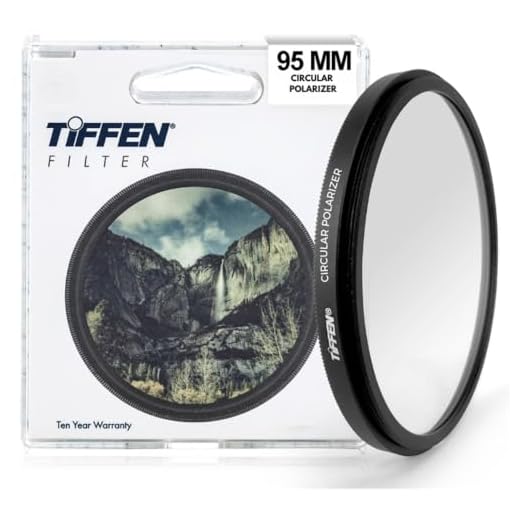
1. Polarizing Filter
A polarizing filter reduces reflections and glare, making colors appear more vibrant and increasing contrast in the image. It is especially useful for landscape photography where the sky may appear washed out without the filter.
2. Neutral Density Filter
A neutral density filter reduces the amount of light entering the lens without affecting the color balance. By using this filter, you can create a more dramatic contrast between light and dark areas in your photograph.
Experiment with different filters to see how they can enhance the contrast in your digital images. Remember to adjust your camera settings accordingly when using filters to achieve the desired effect.
FAQ
Are digital camera lenses more contrast than traditional lenses?
Yes, digital camera lenses are often designed to provide higher contrast levels compared to traditional lenses. This is achieved through advanced lens coatings, precision engineering, and optical design optimization specific to digital sensors.
How does higher contrast in digital camera lenses affect image quality?
The higher contrast in digital camera lenses can enhance image sharpness, clarity, and overall image quality. It helps to distinguish fine details, improve color saturation, and create more dynamic and impactful images.
What are the advantages of using digital camera lenses with increased contrast?
Using digital camera lenses with increased contrast can result in images with more depth and dimensionality. The enhanced contrast can make the subject stand out more prominently against the background, creating a more visually appealing and engaging photo.
Are there any specific techniques to maximize the contrast in digital camera lenses?
Yes, there are several techniques to maximize the contrast in digital camera lenses, such as using lens hoods to reduce flare, choosing the appropriate aperture for the desired depth of field, and utilizing post-processing tools to fine-tune contrast levels. Additionally, selecting high-quality lenses known for their contrast performance can also help achieve optimal results.


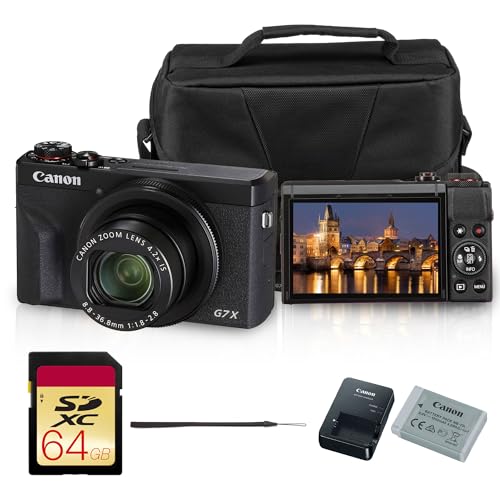
I’ve noticed that my older zoom lens produces softer images, especially in lower light. Switching to a prime lens really helped boost the contrast and clarity in my photos.
You mentioned that lens coatings affect contrast. Can you explain how anti-reflective coatings work and how they influence the final image quality in practical terms?
I think film can sometimes produce better contrast than digital photography due to its dynamic range. Even though digital allows for adjustments, I feel like film has a certain depth that's hard to replicate in post-processing.