
 Carmen J. Moore

Blurry backgrounds can add depth and focus to your photographs, making the subject stand out more prominently. One way to achieve this effect is by using a digital camera with a wide aperture and understanding the principles of depth of field.
Depth of field refers to the range of distance in a photograph that appears acceptably sharp. By adjusting the aperture settings on your camera, you can control the depth of field and create a blurred background while keeping the subject in focus.
To blur the background effectively, choose a wide aperture (low f-stop number) such as f/2.8 or f/4. This will create a shallow depth of field, allowing the background to blur while the subject remains sharp. Position the subject away from the background and focus on it to enhance the bokeh effect.


How to Blur Background: A Comprehensive Guide
Blurring the background in your photos can add a professional touch and make your subject stand out. Here are some tips to help you achieve that beautiful blurred background effect using your digital camera:
1. Use a wide aperture: Set your camera to a low f-stop number (e.g. f/2.8 or lower) to create a shallow depth of field, which will blur the background while keeping your subject in focus.
2. Increase the distance between your subject and the background: The farther your subject is from the background, the more pronounced the blur will be.
3. Choose the right lens: A lens with a longer focal length (e.g. 85mm or 100mm) will naturally create more background blur than a wide-angle lens.
4. Focus on your subject: Make sure to focus on your subject’s eyes or the most important part of the image to create a sharp, clear focal point against the blurred background.

5. Consider using a portrait mode or aperture priority mode on your camera to simplify the process and let the camera handle the settings for you.
With these tips in mind, you can capture stunning photos with a beautifully blurred background using your digital camera.
Understanding Depth of Field
Depth of field refers to the distance between the nearest and farthest objects in a scene that appear acceptably sharp in an image. A shallow depth of field means only a small portion of the image is in focus, while a deep depth of field means more of the image is sharp.
Depth of field is affected by several factors, including aperture, focal length, and distance from the subject. By adjusting these settings on your digital camera, you can control the depth of field in your photos and achieve the desired blur effect in the background.
Choosing the Right Aperture
One of the key factors in achieving a blurred background with your digital camera is selecting the right aperture setting. Aperture is the opening in the lens through which light passes, and it plays a crucial role in determining the depth of field in your images.
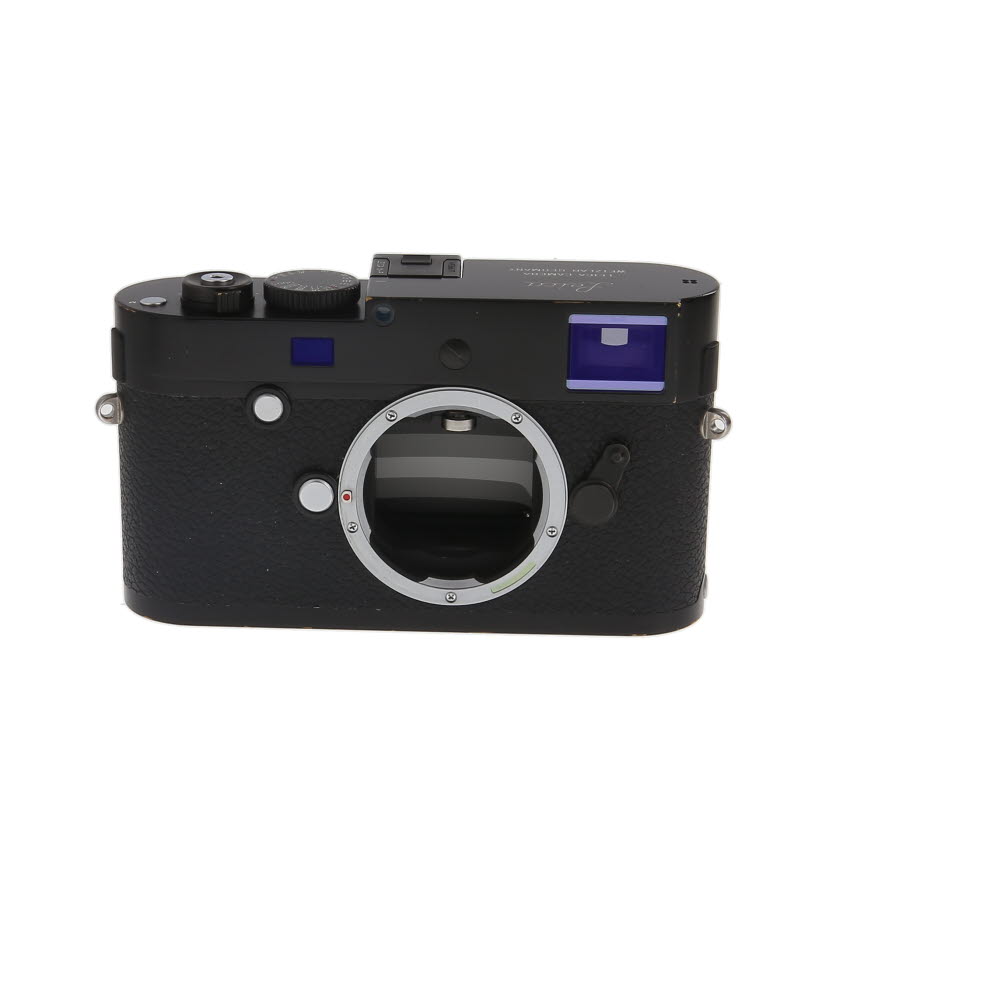
For a more pronounced background blur, you’ll want to use a wide aperture (small f-number), such as f/1.8 or f/2.8. This will create a shallow depth of field, keeping your subject sharp while the background becomes beautifully blurred.
Consider the Lighting
Keep in mind that when using a wide aperture, more light enters the camera, which can affect the exposure of your image. You may need to adjust your ISO or shutter speed to compensate for the increased light.
Using Manual Mode for Control
One of the best ways to achieve a blurred background effect is to use the manual mode on your digital camera. This mode gives you full control over the settings, allowing you to adjust the aperture and shutter speed to create the desired effect.
First, set your camera to manual mode by selecting “M” on the mode dial. Next, adjust the aperture to a low f-stop number (e.g. f/2.8) to create a shallow depth of field. This will blur the background while keeping your subject in focus.
Additionally, you can also adjust the shutter speed to control the amount of light entering the camera. A faster shutter speed will let in less light, while a slower shutter speed will let in more light. Experiment with different combinations of aperture and shutter speed to achieve the perfect blurred background effect.

Positioning Your Subject
When trying to blur the background of your photo, the positioning of your subject is crucial. Make sure your subject is positioned in the foreground of the image, with the background behind them. This will create a clear separation between your subject and the background, making it easier for the camera to blur the background effectively.
Consider placing your subject off-center to create a more interesting composition. This can help draw the viewer’s eye to the subject while still allowing the background to be blurred effectively.
Utilizing Distance to Blur Background
One effective way to blur the background using a digital camera is to utilize the distance between the subject and the background. By positioning your subject a significant distance away from the background, you can create a natural depth of field that results in a blurred background.
Here are some tips to maximize the blur effect:
1. Choose a Wide Aperture:
Using a wide aperture (low f-stop value) allows more light to enter the camera, resulting in a shallower depth of field. This helps in creating a blurred background while keeping the subject in focus.

2. Increase the Distance:
The farther the subject is from the background, the more pronounced the blur effect will be. Experiment with different distances to find the optimal balance between subject sharpness and background blur.
| Subject-Background Distance | Blur Effect |
| Close | Minimal blur |
| Medium | Moderate blur |
| Far | Significant blur |
Experimenting with Different Lenses
One of the key factors in achieving a blurred background is the type of lens you use. Different lenses have different aperture ranges, focal lengths, and bokeh effects that can affect the quality of background blur in your photos. Here are some tips for experimenting with different lenses:
1. Prime Lenses
Prime lenses with wide apertures (such as f/1.8 or f/1.4) are ideal for creating a shallow depth of field and beautiful bokeh. Experiment with different focal lengths to see how they affect the background blur in your photos.
2. Telephoto Lenses
Telephoto lenses with longer focal lengths can compress the background and create a more pronounced blur. Try using a telephoto lens with a wide aperture to isolate your subject and blur the background even more.
Considering the Lighting Conditions
One crucial factor to keep in mind when trying to blur the background using your digital camera is the lighting conditions of your shooting environment. The amount and direction of light can significantly impact the depth of field in your photos.

Here are some tips to consider:
- Shoot in soft, diffused lighting for a more pleasing background blur effect.
- Avoid harsh sunlight or direct artificial lighting, as they can create harsh shadows and reduce the overall blur effect.
- Use natural light to your advantage by positioning your subject in a way that the background is well-lit but not overexposed.
Post-Processing Techniques for Blur
Blur can also be added to photos during post-processing using various software tools. Some popular techniques include:
- Gaussian Blur: This technique applies a soft blur effect to the entire image, creating a smooth and dreamy look.
- Radial Blur: Radial blur adds a circular blur effect around a specific point in the image, drawing attention to the central subject.
- Depth of Field Blur: This technique mimics the natural blur that occurs in photos due to depth of field, making the subject stand out against a blurred background.
- Bokeh Effect: Bokeh creates a soft, out-of-focus background with pleasing circular highlights, often used in portrait photography.
- Masking and Feathering: By selectively applying blur to specific areas of the image using masks and feathering, you can control the focus and create a more artistic effect.
Practicing and Refining Your Skills
Once you have mastered the basics of blurring the background using your digital camera, it’s time to practice and refine your skills to achieve even better results. Here are some tips to help you improve:
Experiment with Different Aperture Settings
Try using different aperture settings to see how they affect the background blur. A wider aperture (lower f-stop number) will create a more pronounced blur, while a narrower aperture (higher f-stop number) will keep more of the background in focus.
Focus on Composition
Pay attention to the composition of your shots, as a well-framed subject can enhance the overall effect of the background blur. Experiment with different angles and perspectives to create visually appealing images.

Practice Makes Perfect: The more you practice, the better you will become at achieving the desired background blur effect. Don’t be afraid to experiment and try new techniques to refine your skills.
Exploring Creative Ways to Blur Backgrounds
Blurring the background of your photos can help draw attention to your subject and create a more professional look. There are several creative ways to achieve this effect, whether you’re using a digital camera or editing software.
1. Wide Aperture
One of the simplest ways to blur the background is to use a wide aperture on your camera. This means setting the aperture to a lower f-stop number, like f/2.8 or f/4. This will create a shallow depth of field, causing the background to blur while keeping your subject in focus.
2. Bokeh Effects
Another popular technique is to create bokeh effects by shooting lights or other small, out-of-focus elements in the background. This can add a dreamy and artistic quality to your photos, especially when using a lens with a wide aperture.
FAQ
Can I blur the background with any digital camera?
Yes, you can blur the background using a digital camera. However, the ability to achieve a blurred background, also known as bokeh, depends on the camera’s lens and aperture settings. Cameras with larger apertures (lower f-stop numbers) are better suited for creating a shallow depth of field, resulting in a blurred background.

What is the best aperture setting to blur the background?
The best aperture setting to blur the background is a wide aperture (small f-stop number). For example, using an aperture of f/2.8 or lower will help create a shallow depth of field, making the background blur more pronounced. Experimenting with different aperture settings and distances from the subject can help you achieve the desired level of background blur.
Do I need a special lens to blur the background?
While having a lens with a wider aperture can make it easier to blur the background, you don’t necessarily need a special lens to achieve this effect. Many kit lenses that come with digital cameras can still produce a nice background blur if used correctly. The key is to use a wide aperture setting, focus on your subject, and ensure there is enough distance between the subject and the background.
Are there any post-processing techniques to blur the background if I didn’t get it right in-camera?
Yes, there are post-processing techniques you can use to blur the background if you didn’t achieve the desired effect in-camera. Software like Adobe Photoshop or Lightroom offers tools like the Gaussian Blur filter or the Lens Blur filter that can help you selectively blur the background in your images. However, it’s always best to try to capture the effect naturally in-camera for a more authentic look.


I'm just getting into photography. How do I know when to use a wider aperture versus a smaller one? Any tips?
Great advice! Remember, wider apertures let in more light, which can affect your exposure, so adjust your ISO or shutter speed accordingly.
Good question! Generally, use a wider aperture (like f/2.8 or f/4) when you want to blur the background, and a smaller one (like f/8 or higher) when you want more of the scene in focus, like landscapes.
I recently tried blurring the background with my new DSLR, and using a prime lens really made a difference! I shot at f/1.8, and the bokeh was beautiful. It took some practice to find the right distance from the background, but it was worth it. I recommend practicing in different lighting conditions, too. The results vary a lot!
That sounds awesome! I've been thinking about getting a prime lens for portraits. Did you find that it was easier to focus on your subject with that lens compared to a zoom?
Absolutely! Prime lenses are often sharper and provide a more pronounced bokeh effect. They do require you to move around more for framing, but the results can be stunning.