
 Carmen J. Moore

Security cameras play a crucial role in safeguarding our homes and businesses. They provide us with a sense of security and peace of mind by monitoring our surroundings and deterring potential intruders. However, placing security cameras in the right locations is essential to maximize their effectiveness.
Choosing the right spots to install security cameras requires careful consideration of various factors, including the layout of the property, potential blind spots, and areas of high traffic. Whether you’re setting up security cameras at home or in a commercial building, strategic placement is key to ensuring comprehensive surveillance coverage.


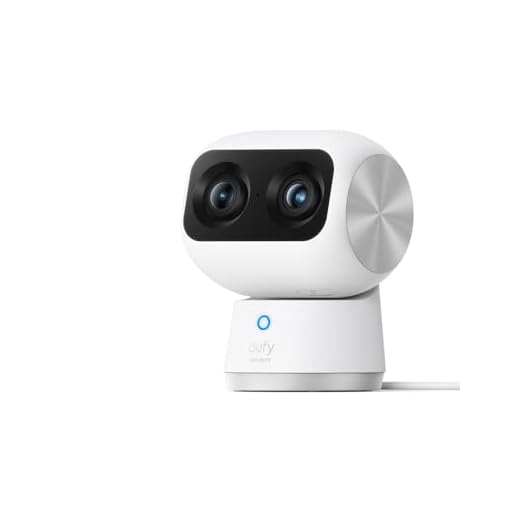
From entrances and exits to vulnerable areas like windows and backyards, each location serves a specific purpose in enhancing security measures. By strategically positioning security cameras in key areas, you can create a comprehensive surveillance network that provides optimal protection against potential threats.
Where to Install Security Cameras
When it comes to installing security cameras, strategic placement is key to maximizing their effectiveness. Here are some important areas to consider:
1. Entry Points
Place security cameras near all entry points of your home or business, such as doors and windows. This will help you monitor who is entering and exiting the premises.
2. High-Traffic Areas
Install cameras in high-traffic areas where people are likely to pass by frequently. This can include hallways, staircases, and common areas to capture any suspicious activity.
| Location | Reason |
|---|---|
| Driveway | Monitor vehicles coming and going |
| Backyard | Keep an eye on outdoor activities |
| Garage | Protect valuable vehicles and equipment |
| Front Porch | Deter porch pirates and package theft |
Choosing the Right Locations
When determining where to place security cameras, it’s important to consider several factors to ensure optimal coverage and effectiveness. Here are some key points to keep in mind:
1. Identify Critical Areas
Start by identifying the most critical areas that require surveillance, such as entry points, high-value assets, and areas with high foot traffic. These areas should be your top priority when positioning cameras.
2. Consider Lighting Conditions
Ensure that the locations you choose have adequate lighting for clear video footage. Low-light areas may require cameras with night vision capabilities or additional lighting sources to capture quality images.
By carefully selecting the right locations for your security cameras, you can enhance the overall security of your property and deter potential threats.
Indoor Security Camera Placement
When it comes to placing security cameras indoors, strategic placement is key to maximizing their effectiveness. Here are some tips to help you decide where to position your indoor security cameras:
1. Entry Points
Place cameras near all entry points such as doors and windows to capture any potential intruders entering your home or business.
2. High-Traffic Areas
Position cameras in high-traffic areas like hallways, living rooms, or kitchens to monitor activity and movement throughout the space.
Tip: Avoid pointing cameras directly at sources of light or reflective surfaces to prevent glare and ensure clear footage.
Outdoor Security Camera Placement
When it comes to outdoor security camera placement, strategic positioning is key to ensure optimal coverage and effectiveness. Here are some key tips to help you decide where to place your outdoor security cameras:
| 1. Entry Points: | Place cameras near all entry points such as doors, windows, and garage doors to capture any potential intruders. |
| 2. Perimeter: | Install cameras along the perimeter of your property to monitor the surrounding area and deter trespassers. |
| 3. High Traffic Areas: | Position cameras in areas with high foot traffic to capture clear images of any suspicious activity. |
| 4. Blind Spots: | Identify and cover any blind spots where intruders could potentially enter undetected. |
| 5. Height: | Mount cameras at a height that is out of reach but still provides a clear view of the area you want to monitor. |
| 6. Weather Protection: | Ensure that your outdoor cameras are weatherproof and positioned to withstand the elements for reliable performance. |
Considerations for Home Security
When installing security cameras in and around your home, there are several important considerations to keep in mind to ensure maximum effectiveness and coverage.
1. Entry Points
Place cameras at all entry points to your home, including front and back doors, garage doors, and windows. These areas are the most common points of entry for intruders.
2. High Traffic Areas
Install cameras in high traffic areas both inside and outside your home. This includes common areas like living rooms, hallways, and driveways where potential threats may be captured on camera.
Best Locations for Business Security
When installing security cameras for your business, it’s important to strategically place them in areas that provide maximum coverage and protection. Here are some of the best locations to consider:
1. Entrances and Exits
- Place cameras near all entrances and exits to monitor who is coming in and out of your business.
- Ensure the cameras cover a wide area to capture clear footage of individuals entering and leaving.
2. Parking Lots
- Install cameras in your parking lot to deter theft and vandalism.
- Position cameras at different angles to capture license plates and identify vehicles.
By strategically placing security cameras in these key locations, you can enhance the overall security of your business and create a safer environment for your employees and customers.
Common Mistakes to Avoid
When installing security cameras, it’s important to avoid common mistakes that can compromise the effectiveness of your security system. Here are some key pitfalls to steer clear of:
1. Placing cameras too high or too low
Positioning cameras at the wrong height can result in ineffective surveillance. Make sure to install cameras at eye level to capture clear images of individuals’ faces.
2. Neglecting blind spots
Failure to cover blind spots in your property leaves vulnerabilities in your security coverage. Conduct a thorough survey of your property to identify potential blind spots and ensure they are covered by your cameras.
| Mistake | Solution |
| Overlooking camera angles | Adjust camera angles to ensure optimal coverage of the area without obstructions. |
| Using low-quality cameras | Invest in high-resolution cameras for clearer images and better surveillance. |
| Ignoring lighting conditions | Consider lighting conditions to avoid glare or washed-out images. |
Final Tips for Camera Placement
When determining the placement of your security cameras, consider the following tips:
- Ensure proper lighting in the area where the camera will be installed to capture clear footage.
- Avoid pointing cameras directly at bright lights or reflective surfaces to prevent glare or overexposure.
- Place cameras at a height that is out of reach but still captures the desired field of view.
- Install cameras in areas with minimal obstructions like trees or bushes to avoid false alarms triggered by moving foliage.
- Consider the weather conditions of the location and choose weatherproof cameras for outdoor installations.
- Regularly check and clean the camera lenses to maintain optimal image quality.


I think placing cameras too close to entry points might make them easy targets for tampering. Maybe there should be a bit of distance?
That's a valid point. It’s important to balance visibility with security; cameras should be positioned to capture clear images while minimizing risk of tampering.
Is it necessary to have night vision cameras for outdoor placement? What if I have decent outdoor lighting?
While decent lighting can improve visibility, night vision cameras provide clear footage in low-light conditions, ensuring all areas are covered at night.
What are some good tips for ensuring that my security cameras have a clear view without obstruction? Any specific angles I should avoid?
I found that avoiding trees and tall bushes is crucial! They can block the view and trigger false alarms when the wind blows. Also, try not to point cameras directly at bright lights.
Don’t forget about indoor cameras too! Hallways and common areas are great for monitoring family or staff movement.
I disagree with the suggestion to place cameras too high. I think higher placements make it hard to capture clear images of individuals, especially if they're covering entrances. I believe it’s better to find a balance between height for protection and visibility for clarity.
What are the best camera types for outdoor use? I’m concerned about durability in different weather conditions.
For outdoor use, look for weatherproof cameras with high IP ratings, like IP65 or higher. These can withstand rain and dust, ensuring reliable performance.
I installed cameras near my front and back doors, and it really helped deter some suspicious activity. I also added one in my driveway. It feels much safer knowing I can monitor these areas.
I just installed security cameras around my house and I'm surprised by how much I can see. I placed one on the front porch and it really deters package thieves!
That's great to hear! Front porch cameras are indeed effective for deterring theft. Just make sure to keep the lens clean for the best visibility.
Can anyone explain why it's important to mount cameras at eye level? What benefits does that provide?
Mounting cameras at eye level helps capture clearer images of people's faces, making identification easier. It also reduces the risk of blind spots.
I’m trying to decide between DIY security camera systems and professional installation. Are there significant differences in effectiveness?
DIY systems can be cost-effective and flexible, but professional installations often provide expert placement advice and can ensure optimal coverage.