
 Carmen J. Moore
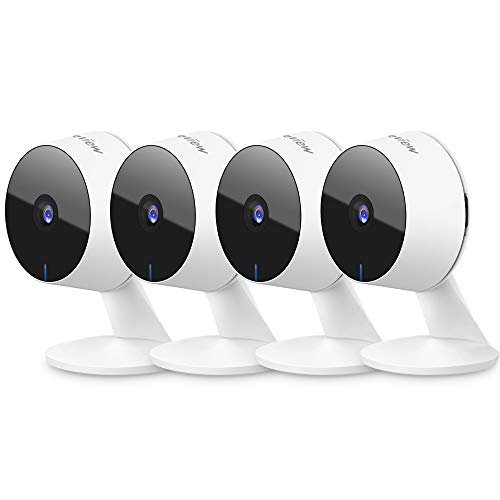
Security cameras have become a ubiquitous feature in modern retail stores, but have you ever wondered when stores first started using them? The use of security cameras in retail environments dates back several decades and has evolved significantly over time.


Initially, the introduction of security cameras in stores was driven by the need to deter theft and protect merchandise. As shoplifting and other forms of theft became more prevalent, retailers turned to surveillance technology as a means of monitoring and preventing criminal activity.
It wasn’t until the late 20th century that security cameras became a common sight in stores, with advancements in technology making them more affordable and easier to install. Today, security cameras are an essential tool for retailers in maintaining a safe and secure shopping environment for both customers and employees.
The Evolution of Store Security Cameras
Store security cameras have come a long way since their inception. In the early days, stores relied on simple closed-circuit television (CCTV) systems to monitor and record activities. These cameras were bulky and had limited resolution, making it difficult to capture clear images.
As technology advanced, store security cameras evolved to incorporate features such as motion detection, night vision, and remote monitoring. This allowed store owners to keep a closer eye on their premises and respond quickly to any suspicious activity.
Modern store security cameras are equipped with high-definition video recording capabilities, cloud storage, and advanced analytics. Some cameras even have facial recognition technology, making it easier to identify and track individuals.
Overall, the evolution of store security cameras has greatly improved the safety and security of stores, helping to deter theft and provide valuable evidence in the event of a crime.
Historical Background of Surveillance Systems
Surveillance systems have a long history that dates back to ancient civilizations. The concept of monitoring and observing people for security purposes can be traced back to the early Chinese and Egyptian societies. In ancient Rome, sentries were stationed at vantage points to keep a watchful eye on the city.
Modern surveillance systems began to take shape in the mid-20th century with the development of closed-circuit television (CCTV) technology. The first documented use of CCTV for security purposes was in Germany in the 1940s. Over the years, advancements in technology have led to the widespread adoption of surveillance cameras in various public and private settings.
Today, security cameras are an integral part of store security systems, helping to deter theft and monitor activities within the premises. The evolution of surveillance systems continues with the integration of artificial intelligence and video analytics, providing enhanced capabilities for monitoring and securing retail environments.
Early Adoption of Security Cameras
Security cameras have been used in stores for decades to deter theft and monitor customer behavior. The earliest known use of security cameras in retail stores dates back to the 1970s. At that time, these cameras were primarily used for live monitoring by security personnel rather than for recording footage.
As technology advanced, security cameras became more affordable and accessible to a wider range of businesses. By the 1990s, many stores had installed security cameras both inside and outside their premises to enhance security and prevent shoplifting. These cameras were typically connected to a centralized monitoring system, allowing store managers to keep an eye on their premises in real-time.
Advantages of Early Security Camera Adoption
The early adoption of security cameras in stores offered several advantages, including:
| 1. Enhanced Security | Security cameras acted as a deterrent to potential thieves and provided evidence in case of criminal activity. |
| 2. Improved Operations | By monitoring customer behavior, store managers could identify areas for improvement and optimize store layout. |
| 3. Reduced Losses | Security cameras helped reduce inventory shrinkage due to theft, ultimately leading to cost savings for the business. |
Impact of Security Cameras on Retail Industry
Security cameras have revolutionized the retail industry by providing a powerful tool for loss prevention and security. The presence of security cameras in stores has significantly reduced theft, shoplifting, and other criminal activities. This has helped retailers save money and protect their assets.
Benefits of Security Cameras in Retail:
- Prevention of theft and shoplifting
- Monitoring customer behavior
- Improved employee productivity
- Enhanced overall security
Moreover, security cameras in retail stores have also improved customer experience by creating a safer shopping environment. Customers feel more secure knowing that they are being monitored, which can lead to increased trust and loyalty towards the store.
Technological Advancements in Surveillance
Surveillance technology has come a long way since the early days of security cameras. Today, advanced surveillance systems use high-definition cameras with improved image quality and clarity. These cameras can capture detailed footage even in low-light conditions, making them effective for round-the-clock monitoring.
Furthermore, the integration of artificial intelligence (AI) and machine learning algorithms has enhanced the capabilities of surveillance systems. AI-powered cameras can automatically detect and track suspicious activities, alerting security personnel in real-time.
Moreover, the advent of cloud storage has revolutionized surveillance data management. Footage captured by security cameras can now be stored securely in the cloud, allowing for easy access and retrieval from anywhere with an internet connection.
Overall, technological advancements in surveillance have made security cameras more effective, efficient, and reliable in protecting both businesses and individuals.
Benefits of Using Security Cameras in Stores
Security cameras in stores offer numerous benefits, enhancing the overall security and safety of the premises. Here are some key advantages:
1. Theft Prevention
Security cameras act as a powerful deterrent to theft and shoplifting. The presence of cameras can significantly reduce the likelihood of criminal activities, protecting both merchandise and profits.
2. Monitoring and Surveillance
With security cameras, store owners and managers can monitor the premises in real-time and review footage later. This helps in identifying suspicious behavior, resolving disputes, and ensuring the safety of employees and customers.
Rise of Digital Surveillance Systems
In the early 2000s, the use of digital surveillance systems started to become more prevalent in stores and businesses. These systems offered higher resolution footage, easier storage options, and remote viewing capabilities. With the advancement of technology, digital surveillance cameras became more affordable and accessible, leading to their widespread adoption.
One of the key advantages of digital surveillance systems is the ability to easily store and review footage. Unlike analog systems that required physical tapes or disks, digital systems store footage on hard drives or in the cloud, allowing for quick retrieval and analysis. This has made it easier for store owners to monitor their premises and investigate incidents.
Furthermore, digital surveillance systems offer remote viewing capabilities, enabling store owners to monitor their premises from anywhere with an internet connection. This added convenience has made it easier for businesses to keep an eye on their operations even when they are not physically present.
Overall, the rise of digital surveillance systems has significantly improved the security measures in stores and businesses, providing better surveillance footage, easier storage options, and remote monitoring capabilities.
Legal and Ethical Considerations
While the use of security cameras in stores can provide numerous benefits, there are also legal and ethical considerations that must be taken into account. One of the key concerns is the privacy of individuals who may be captured on camera without their consent. Store owners must be mindful of privacy laws and regulations to ensure they are not infringing on the rights of their customers or employees.
Additionally, the data collected by security cameras must be handled and stored in a secure manner to prevent unauthorized access or misuse. Proper signage should be displayed to inform individuals that they are being recorded, and footage should only be used for legitimate security purposes.
Integration of AI in Store Security
In recent years, the integration of artificial intelligence (AI) technology in store security systems has revolutionized the way retailers protect their merchandise and premises. AI-powered security cameras can analyze live video feeds in real-time, automatically detecting suspicious activities and alerting security personnel.
The Benefits of AI in Store Security
1. Enhanced Surveillance: AI algorithms can track multiple objects simultaneously, identify patterns of behavior, and generate alerts for potential threats, providing enhanced surveillance capabilities.
2. Predictive Analytics: By analyzing historical data and trends, AI systems can predict potential security risks and help retailers proactively address security concerns before they escalate.
The Future of Store Security
As AI technology continues to advance, we can expect to see even more sophisticated security solutions that leverage machine learning and deep learning algorithms to enhance store security and minimize losses due to theft and other security breaches.
Future Trends in Retail Surveillance
Retail surveillance technology is constantly evolving to meet the growing demands of the industry. As stores strive to enhance security measures and improve customer experience, several trends are emerging in the field of retail surveillance.
1. Artificial Intelligence
One of the most significant trends in retail surveillance is the integration of artificial intelligence (AI) technology. AI-powered surveillance systems can analyze customer behavior, detect suspicious activities, and even predict potential security threats. This technology not only enhances security but also helps retailers optimize store layouts and improve marketing strategies.
2. IoT Integration
The Internet of Things (IoT) is playing a crucial role in the future of retail surveillance. By connecting various devices and sensors, retailers can create a networked surveillance system that provides real-time data and insights. IoT integration enables retailers to monitor inventory levels, track customer movements, and enhance overall store security.


When did stores really start using security cameras? I thought it was much earlier than the 1970s mentioned here. Can anyone confirm the timeline?
I remember reading that the first serious use of CCTV was in Germany during the 1940s, but yeah, it took a while for stores to adopt it widely.
I’m not convinced that having cameras really makes stores safer. Sometimes it feels invasive, and I wonder if it just shifts shoplifting elsewhere.
It's a valid concern. While cameras can deter crime, they can also lead to privacy issues. Balancing security and customer comfort is a challenge that many retailers face.
I've worked in retail for over 15 years, and I can say that the presence of security cameras has drastically changed how we manage theft. Initially, we just had basic CCTV systems, but now with AI and digital systems, we can monitor in real-time and analyze patterns. It not only helps with loss prevention but also improves customer service since we can see which areas are most crowded.