
 Carmen J. Moore

Home security cameras have become increasingly popular in recent years, providing homeowners with a sense of safety and control over their property. However, the question of whether kids should have access to these cameras is a topic of debate.
On one hand, allowing children access to home security cameras can help them feel more secure and connected to their family. It can also serve as a tool for parents to monitor their kids’ activities and ensure their safety when they are home alone.
On the other hand, some argue that constant surveillance can infringe on children’s privacy and create a sense of mistrust within the family. It may also lead to a feeling of being constantly watched and monitored, which can have negative psychological effects.
Ultimately, the decision of whether kids should have access to home security cameras depends on individual family dynamics and the level of trust and communication between parents and children. Finding a balance between safety and privacy is key in navigating this complex issue.

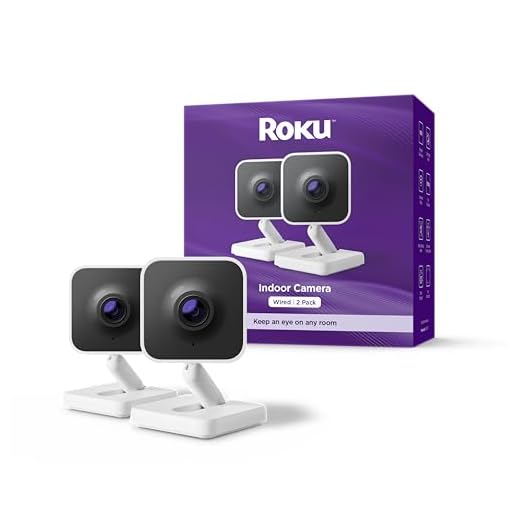

Pros and Cons of Allowing Kids Access to Home Security Camera
Home security cameras can provide a sense of safety and security for families, but when it comes to allowing kids access to these cameras, there are both pros and cons to consider.
Pros:
1. Safety: Kids can check the security camera feed to ensure that everything is okay at home when parents are away.
2. Accountability: Kids can be more responsible for their actions knowing that they are being monitored.
3. Peace of mind: Parents can have peace of mind knowing they can check on their kids remotely through the security cameras.
Cons:
1. Invasion of privacy: Constant monitoring through security cameras can infringe on kids’ privacy and make them feel uncomfortable.
2. Trust issues: Constant surveillance can lead to trust issues between parents and children, affecting the parent-child relationship.
3. Anxiety: Kids may feel anxious or stressed knowing they are being watched all the time, leading to negative emotional effects.
Advantages of Kids Having Access to Home Security Camera
1. Safety and Security: Having access to home security cameras can provide children with a sense of safety and security. They can easily check the cameras to see if anyone is approaching the house or if there are any unusual activities happening.
2. Monitoring Remote Areas: Kids can use home security cameras to monitor remote areas of the house that may not be easily visible. This can help them keep an eye on pets, siblings, or other family members when parents are not around.
3. Peace of Mind: Knowing that there are security cameras in place can give children peace of mind, especially when they are home alone or during the night. They can feel more confident and secure knowing that they have an extra layer of protection.
4. Learning Responsibility: Access to home security cameras can teach kids about responsibility and the importance of being aware of their surroundings. They can learn how to use technology for safety purposes and develop good habits around security.
5. Emergency Preparedness: In case of emergencies, kids can quickly check the security cameras to assess the situation and respond accordingly. This can help them act fast and seek help if needed, improving their emergency preparedness skills.
Disadvantages of Kids Having Access to Home Security Camera
While home security cameras can provide a sense of safety and security for families, allowing kids access to these cameras may have several disadvantages.
1. Invasion of Privacy
Kids may feel like their privacy is being invaded if they are constantly monitored by home security cameras. This can lead to feelings of distrust and discomfort within the family.
2. Increased Anxiety
Being aware of being watched can cause anxiety in children, leading to stress and worry about their every move being monitored by their parents or caregivers.
Overall, while home security cameras have their benefits, it is important to consider the potential negative impact on kids’ mental and emotional well-being when granting them access to these devices.
Impact on Children’s Privacy and Trust
One of the main concerns regarding kids having access to home security cameras is the impact on their privacy and trust. Children may feel constantly monitored and surveilled, leading to feelings of anxiety and stress. Their sense of privacy may be compromised as they may feel like they have no space where they can be themselves without being watched.
Moreover, constant surveillance may erode the trust between children and their parents or caregivers. Children may feel like they are always being watched and judged, which can lead to a breakdown in communication and a lack of trust in their relationships.
It is important to consider the psychological impact of having home security cameras on children and to find a balance between ensuring their safety and respecting their privacy and trust.
Parental Supervision and Monitoring
Parental supervision and monitoring are crucial aspects of raising children in the digital age. While home security cameras can provide an additional layer of safety and security for kids, it is important for parents to strike a balance between monitoring their children and respecting their privacy.
Parents should use home security cameras as a tool to keep an eye on their kids when necessary, such as when they are home alone or if there are safety concerns. However, it is important to communicate with children about the presence of cameras and explain the reasons for their use.
By maintaining open and honest communication with children, parents can build trust and ensure that the use of home security cameras does not infringe on their privacy. Ultimately, parental supervision and monitoring should be used as a means to keep children safe and secure, while also respecting their autonomy and independence.
Legal and Ethical Considerations
When considering whether kids should have access to home security cameras, it is essential to take into account the legal and ethical implications of such a decision.
Legal Considerations
From a legal standpoint, the use of home security cameras to monitor children raises concerns about privacy rights and consent. Depending on the jurisdiction, there may be laws governing the use of surveillance cameras in private residences, especially when it comes to recording minors. Parents should be aware of any legal restrictions and ensure they are in compliance with local regulations.
Ethical Considerations
On an ethical level, allowing kids access to home security cameras can raise questions about trust, autonomy, and the right to privacy. Children should have the opportunity to develop a sense of independence and privacy within their own home, and constant monitoring through security cameras may impact their sense of freedom and trust. Parents should consider the ethical implications of surveillance and weigh them against the potential benefits of increased security.
| Key Points: |
|---|
| Legal restrictions may apply to the use of home security cameras to monitor children. |
| Ethical considerations include trust, autonomy, and the right to privacy. |
Technology and Digital Literacy Development
Home security cameras provide an opportunity for kids to engage with technology and develop their digital literacy skills. By interacting with home security systems, children can learn about surveillance technology, data privacy, and the importance of cybersecurity. They can also gain hands-on experience with setting up and managing security cameras, which can be a valuable skill in today’s digital world.
Furthermore, using home security cameras can help children understand the concept of privacy and consent, as they learn about the implications of being monitored and the importance of respecting others’ boundaries. This can contribute to their overall digital literacy and help them navigate the complexities of the online world more effectively.
Psychological Effects on Children
Having constant surveillance in their own home can have a significant impact on children’s psychological well-being. It can lead to feelings of constant monitoring and invasion of privacy, which may cause stress, anxiety, and a sense of distrust towards their parents or guardians.
Children might also develop a sense of paranoia or fear of being watched all the time, affecting their ability to relax and feel safe in their own space. This heightened sense of surveillance can impact their sense of autonomy and independence, as they may feel like they are always being scrutinized.
Security and Safety Benefits
Having access to home security cameras can provide numerous security and safety benefits for kids and their families. Here are some key advantages:
- Monitoring: Parents can keep an eye on their kids from anywhere, ensuring their safety even when they are not physically present.
- Prevention: Security cameras can deter potential intruders or burglars, helping to keep the home and children safe.
- Emergency Response: In case of an emergency, parents can quickly assess the situation through the cameras and take appropriate action.
- Peace of Mind: Knowing that their children are under surveillance can give parents peace of mind and reduce anxiety about their safety.
- Accountability: Security footage can provide evidence in case of accidents or disputes, ensuring accountability and clarity in any situation.
Trust and Communication in the Family
Trust and communication are essential components of a healthy family dynamic. When it comes to the use of home security cameras and children, these elements become even more crucial. Parents need to establish trust with their children and maintain open lines of communication to ensure that the use of security cameras is understood and accepted.
Building Trust
Trust is built over time through consistent behavior and transparency. Parents should explain to their children why security cameras are in place and how they are used to ensure safety and security. By being open about the purpose of the cameras and involving children in discussions about privacy and boundaries, trust can be fostered within the family.
Effective Communication
Communication is key to addressing any concerns or issues that may arise from the presence of home security cameras. Encouraging children to voice their thoughts and feelings about the cameras can help parents understand any discomfort or anxiety they may have. By engaging in open and honest conversations, parents can address any misunderstandings and ensure that their children feel respected and heard.
Setting Boundaries and Guidelines for Kids’ Access to Home Security Camera
As parents, it is essential to establish clear boundaries and guidelines regarding kids’ access to home security cameras. Here are some important considerations:
1. Explain the purpose of the security cameras to your children and the importance of privacy and security.
2. Set specific rules on when and how kids can view the camera footage, such as only with adult supervision or in case of emergencies.
3. Limit access to certain areas of the house that may be covered by security cameras to maintain privacy.
4. Discuss the consequences of misusing or tampering with the security cameras to instill a sense of responsibility.
5. Regularly communicate with your kids about the importance of respecting others’ privacy and the purpose of the security cameras in ensuring safety.
By setting clear boundaries and guidelines, you can help your kids understand the role of home security cameras while promoting a safe and secure environment for your family.


I think it’s important to remember that while technology can help, we shouldn’t lose sight of personal interactions. Kids need to feel secure without being constantly monitored.
I disagree with the notion that cameras could erode trust. If used properly, they can serve as a safety net, not a surveillance tool. It’s all about how you approach it as a family.
I'm really torn about this topic. On one hand, I want my kids to feel safe, but on the other hand, I don’t want them to feel like they’re being watched all the time. How do others find that balance?
That's a tough spot! We have cameras but only in common areas. It helps with safety but also keeps trust intact.
What’s the best way to talk to kids about the cameras? Should I explain everything up front, or let them discover it?
It's generally best to have an open conversation beforehand. Explain the purpose of the cameras and encourage questions to build trust.
I’m not sure if giving kids access is a good idea. It seems like it might be better to keep surveillance separate from their everyday life, unlike GPS tracking for safety. Anyone else feel that way?
I get what you mean. GPS feels more like a safety tool, while security cameras could cause stress.
I allowed my kids access to our security camera app, and it actually worked out well at first. They could check in on the dog when we were out. But then they started checking too often, and it made them anxious when the feed glitched. We had to talk about how privacy is also important.