
 Carmen J. Moore
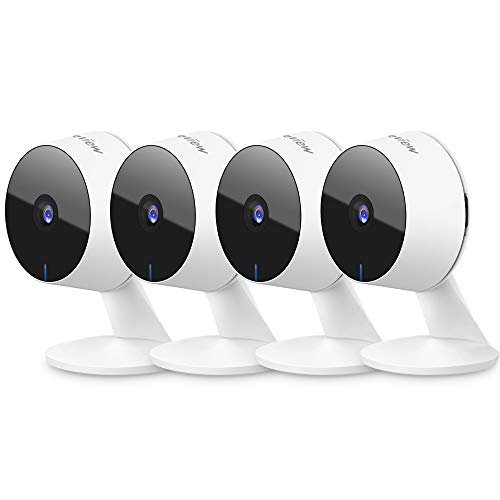
When it comes to setting up a security camera system, one of the common questions that arises is whether WiFi is required for security cameras.
While WiFi can offer convenience and flexibility in terms of installation and monitoring, it is not always a necessity for security cameras.


There are various types of security cameras available, including wired and wireless options, each with its own set of features and requirements.
Understanding the pros and cons of WiFi-enabled security cameras can help you determine whether WiFi is necessary for your specific security needs.
Is WiFi Necessary for Security Camera?
Many modern security cameras rely on WiFi connectivity to function effectively. WiFi allows the cameras to transmit data wirelessly to a central hub or the cloud, providing remote access to live video feeds and alerts. While WiFi is not always a strict requirement for security cameras, it offers significant advantages in terms of convenience and flexibility.
Benefits of WiFi-enabled Security Cameras:
1. Remote Access: With WiFi, you can monitor your security cameras from anywhere using a smartphone or computer.
2. Alerts and Notifications: WiFi cameras can send real-time alerts to your devices when motion is detected, enhancing security.
Alternatives to WiFi:
Some security cameras can operate without WiFi by using local storage options like SD cards or DVR systems. However, these solutions may lack the convenience and accessibility of WiFi-enabled cameras.
Benefits of Using WiFi for Security Cameras
WiFi-enabled security cameras offer a range of benefits that make them a popular choice for home and business surveillance systems. Here are some key advantages:
Convenience
One of the main benefits of using WiFi for security cameras is the convenience it provides. WiFi cameras are easy to install and set up, and they can be placed virtually anywhere within the range of the WiFi signal. This flexibility allows for quick and hassle-free installation, without the need for complicated wiring.
Remote Access
With WiFi connectivity, you can access your security camera footage remotely from anywhere with an internet connection. This means you can check in on your property or business in real-time, receive alerts and notifications, and even control your camera settings from your smartphone or computer. The ability to monitor your security cameras remotely provides added peace of mind and security.
Advantages of Non-WiFi Security Cameras
Non-WiFi security cameras offer several advantages over their WiFi-enabled counterparts. Here are some key benefits:
1. Enhanced Security
Non-WiFi security cameras are less susceptible to hacking or interference compared to WiFi cameras. By operating on a closed circuit, these cameras provide a more secure monitoring system for your property.
2. Reliable Connection
Since non-WiFi security cameras do not rely on a wireless network, they offer a more stable connection. This ensures continuous surveillance without the risk of signal loss or interruptions.
| Advantages of Non-WiFi Security Cameras |
|---|
| Enhanced Security |
| Reliable Connection |
Factors to Consider When Choosing WiFi Security Cameras
When selecting WiFi security cameras for your home or business, there are several important factors to consider to ensure you get the right system for your needs. Here are some key considerations:
1. Connectivity
- Check the WiFi range of the camera to ensure it can reach the desired location.
- Ensure the camera is compatible with your existing WiFi network for seamless integration.
2. Resolution and Image Quality
- Look for cameras with high-resolution capabilities for clear and detailed images.
- Consider features like night vision and motion detection for enhanced security.
By carefully considering these factors, you can choose the right WiFi security camera system to meet your specific needs and keep your property safe and secure.
How to Set Up a WiFi Security Camera System
Setting up a WiFi security camera system is a great way to enhance the security of your home or business. Follow these steps to get your system up and running:
- Choose the right WiFi security camera for your needs.
- Install the camera in a strategic location with a good WiFi signal.
- Connect the camera to your WiFi network using the provided instructions.
- Download the camera’s app on your smartphone or computer.
- Set up the camera’s settings, such as motion detection and recording options.
- Test the camera to ensure it is functioning properly.
- Monitor the camera’s feed regularly to keep an eye on your property.
By following these steps, you can easily set up a WiFi security camera system to improve the safety and security of your home or business.
Security Risks of Using WiFi Security Cameras
While WiFi security cameras offer convenience and flexibility, they also come with certain security risks that users should be aware of. Here are some potential risks associated with using WiFi security cameras:
1. Vulnerability to Hacking
WiFi security cameras can be vulnerable to hacking if not properly secured. Hackers may exploit weak passwords, outdated firmware, or known security vulnerabilities to gain unauthorized access to the camera feed or control the camera remotely. This can lead to privacy breaches and unauthorized surveillance.
2. Network Interference
WiFi security cameras rely on a stable internet connection to function effectively. However, network interference or signal jamming can disrupt the camera’s connection to the network, causing gaps in surveillance coverage or rendering the camera inaccessible. This can compromise the overall security of the premises being monitored.
Comparison of WiFi vs Non-WiFi Security Cameras
When it comes to security cameras, there are two main types: WiFi-enabled and non-WiFi cameras. Both have their own set of advantages and disadvantages, so it’s important to consider your specific needs before making a decision. Here’s a comparison of WiFi vs non-WiFi security cameras:
| Feature | WiFi Security Cameras | Non-WiFi Security Cameras |
|---|---|---|
| Connection | Connects to your home WiFi network, allowing remote access and control | Requires a wired connection to a recording device or monitor |
| Installation | Easy to install without the need for cables | May require professional installation due to wiring |
| Flexibility | Can be placed anywhere within WiFi range | Limited by the length of cables |
| Reliability | Dependent on WiFi signal strength | Not affected by WiFi signal issues |
| Security | Potential vulnerability to hacking if not properly secured | Less vulnerable to hacking as it doesn’t rely on WiFi |
Best Practices for Securing WiFi Security Cameras
Securing your WiFi security cameras is crucial to ensure the privacy and safety of your home or business. Follow these best practices to enhance the security of your devices:
1. Change Default Passwords
One of the first steps in securing your WiFi security cameras is to change the default passwords. Default passwords are often easy to guess and can be exploited by hackers. Create strong, unique passwords for each device and make sure to update them regularly.
2. Enable Encryption
Enable encryption on your WiFi network to protect the data transmitted between your security cameras and the monitoring device. Use WPA2 or WPA3 encryption protocols for a higher level of security.
- Regularly update firmware
- Use a separate network for security cameras
- Monitor network activity
- Enable two-factor authentication
By following these best practices, you can significantly reduce the risk of unauthorized access to your WiFi security cameras and ensure the safety of your property.


I'm thinking about getting a WiFi security camera, but I'm concerned about hacking. How can I make sure my camera stays secure?
Does using a WiFi security camera mean I can't access the footage without the internet? What if my WiFi goes down?
Good question! Most WiFi security cameras will allow you to access footage stored locally on an SD card or DVR even if your internet goes down. However, remote access will be lost until your WiFi is restored.
I recently installed a non-WiFi security camera system because I wanted something more reliable. The installation was a bit tricky since it required wiring, but I've noticed that I don't have to worry about signal loss or internet issues. I feel a lot safer knowing that it's less vulnerable to hacking. Anyone else had a similar experience?