
 Carmen J. Moore

Security cameras are essential tools for monitoring and protecting your property. However, many users wonder whether running a security camera at its highest settings is a good idea.
While high settings may provide clearer images and more detailed footage, there are some potential drawbacks to consider. Running a security camera at its highest settings can consume more bandwidth and storage space, which may lead to slower performance and increased costs.
Additionally, constantly running a security camera at its highest settings can put extra strain on the camera’s hardware, potentially shortening its lifespan. It’s important to strike a balance between image quality and performance to ensure that your security camera operates effectively and efficiently.
Benefits of High Settings
Running security cameras at their highest settings can offer several benefits that enhance the overall surveillance experience:
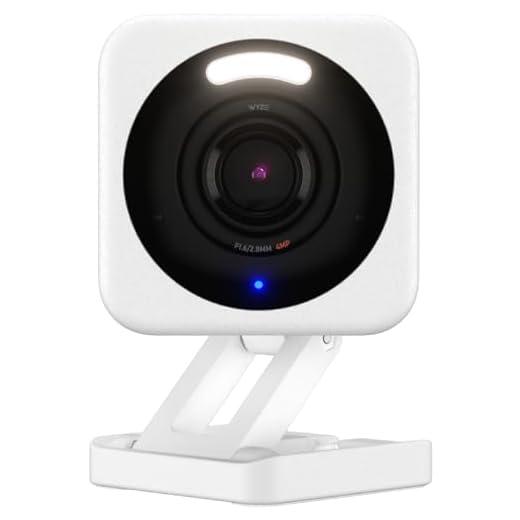

Improved Image Quality
Higher settings typically result in better image quality, allowing for clearer and more detailed footage. This can be crucial when trying to identify individuals or incidents captured on camera.
Enhanced Security
With higher settings, security cameras can capture more information, providing a more comprehensive view of the area under surveillance. This can help improve security measures and ensure better monitoring of activities.
| Increased Coverage | Higher settings can extend the coverage area of security cameras, allowing for a wider field of view and better monitoring of larger spaces. |
| Enhanced Night Vision | Some security cameras offer improved night vision capabilities at higher settings, enabling better visibility in low-light conditions. |
Potential Risks
While running security cameras at their highest settings can provide clearer images and better surveillance, it also comes with potential risks. One of the main concerns is the increased storage and bandwidth requirements. High-quality video footage takes up more space on your storage devices and requires more bandwidth for streaming and accessing remotely.
Additionally, running cameras at maximum settings can put a strain on your network infrastructure, leading to slower performance for other devices connected to the same network. This can impact the overall efficiency and effectiveness of your security system.
Impact on Camera Lifespan
Running a security camera at its highest settings can have an impact on the camera’s lifespan. Constantly operating the camera at maximum resolution, frame rate, and bitrate can put a strain on the camera’s hardware components, leading to increased wear and tear over time.
Higher settings also require more processing power and storage space, which can lead to overheating and potential data corruption. This can result in shorter camera lifespan and more frequent maintenance or replacement costs.
Recommendations:
- Adjust settings based on your specific needs and environment to balance image quality and camera longevity.
- Regularly monitor camera performance and temperature to prevent overheating and potential damage.
Considerations for Surveillance Footage
When setting up security cameras, it’s important to consider the quality of the footage you need. Running cameras at the highest settings may provide clearer images, but it can also consume more storage space and bandwidth. You should balance between image quality and storage needs based on your specific security requirements.
Additionally, high-resolution footage may require more processing power and bandwidth for live streaming and remote access. Make sure your network infrastructure can support the data flow from high-quality cameras without compromising performance.
Consider the lighting conditions in the areas you are monitoring. Higher settings may be necessary in low-light environments to capture clear footage, but they can also lead to overexposure in well-lit areas. Adjust settings accordingly to ensure optimal visibility without sacrificing detail.
Regularly review and adjust camera settings based on changing conditions and security needs. Testing different configurations can help you find the right balance between image quality, storage requirements, and network performance for effective surveillance monitoring.
Optimizing Camera Performance
Running security cameras at their highest settings can provide better image quality, but it can also strain the camera’s hardware and increase storage requirements. To optimize camera performance, consider the following tips:
1. Adjust Resolution and Frame Rate
Lowering the resolution and frame rate can reduce the strain on the camera and storage system while still providing adequate video quality for surveillance purposes.
2. Use Motion Detection
Enable motion detection settings to only record when there is activity in the camera’s field of view. This can help reduce the amount of footage that needs to be stored and reviewed.
Expert Recommendations
Running security cameras at the highest settings can have both advantages and disadvantages. It is recommended to consult with a professional security camera installer or technician to determine the optimal settings for your specific security needs.
Here are some expert recommendations to consider:
| Resolution: | Higher resolution settings provide clearer images but require more storage space. Adjust the resolution based on your monitoring requirements. |
| Frame Rate: | Higher frame rates capture more details but can impact storage and bandwidth. Choose a frame rate that balances quality and efficiency. |
| Compression: | Use efficient compression techniques to reduce file sizes without compromising image quality. H.264 or H.265 are commonly used codecs. |
| Lighting Conditions: | Adjust camera settings for different lighting conditions to ensure optimal image quality. Consider using IR illuminators for low-light environments. |
| Network Bandwidth: | Optimize network bandwidth by adjusting video quality settings and utilizing bandwidth management tools to prevent congestion. |


I disagree with the idea that lower settings are always better. For indoor security, the highest settings help catch facial details that are critical during an incident. It’s worth the storage and bandwidth for the added security.
What are the best settings for a security camera if I want to monitor a large outdoor area? Should I prioritize resolution over frame rate?
For monitoring large outdoor areas, it's often best to use a higher resolution to capture more detail, but you should also consider a balanced frame rate. A resolution of 1080p with a frame rate of 15-30 fps usually works well. Adjust based on your storage and bandwidth capabilities.
Can running a camera at its highest settings really cause it to overheat? How can I monitor that?
Yes, running a camera at maximum settings can lead to overheating due to increased processing demands. To monitor this, check for any temperature readings on your device, or ensure good ventilation around the camera.
I've been using my security camera at the highest settings for a year. At first, the image quality was fantastic, but I started noticing my network slowing down. I eventually had to lower the resolution to keep everything running smoothly. Lower settings still provide decent quality, and it saved a lot of storage space. Has anyone else faced similar issues?
Yes, I had the same problem! I thought higher settings would always be better, but it really impacted my overall network performance.