
 Carmen J. Moore

Ensuring the safety and security of your home is a top priority for many homeowners. One effective way to enhance the security of your property is by installing security cameras. These cameras can provide you with peace of mind by allowing you to monitor your property remotely and deter potential intruders.
However, setting up security cameras around your house can be a daunting task if you’re not familiar with the process. In this guide, we’ll walk you through the steps you need to take to set up security cameras effectively and ensure that your home is well-protected.
From choosing the right camera system to positioning the cameras strategically, we’ll cover everything you need to know to set up security cameras around your house like a pro. By the end of this article, you’ll have the knowledge and confidence to install security cameras that will help keep your home safe and secure.
Importance of Home Security Cameras
Home security cameras play a crucial role in safeguarding your property and loved ones. They provide a sense of security and peace of mind, allowing you to monitor your home even when you are away. By installing security cameras around your house, you can deter potential intruders and burglars, as well as keep an eye on any suspicious activity.


Benefits of home security cameras:
- Crime deterrence: Visible security cameras can act as a deterrent to potential criminals, reducing the risk of break-ins and theft.
- Monitoring: With security cameras, you can keep an eye on your property in real-time and review footage to identify any security threats or incidents.
- Remote access: Many modern security cameras offer remote access via mobile apps, allowing you to check live feeds and receive alerts on your smartphone.
- Evidence collection: In the unfortunate event of a crime or incident, security camera footage can serve as valuable evidence for law enforcement and insurance purposes.
Overall, investing in home security cameras is a proactive measure to enhance the safety and security of your home, giving you peace of mind and protection against potential threats.
Choosing the Right Security Camera System
When selecting a security camera system for your home, there are several factors to consider to ensure you choose the right one for your needs.
1. Camera Resolution
High-resolution cameras provide clearer images and better video quality. Consider cameras with at least 1080p resolution for optimal clarity.
2. Camera Type
Decide whether you need wired or wireless cameras. Wired cameras are more reliable but may require professional installation, while wireless cameras offer easy setup and flexibility.
Consider factors such as night vision, motion detection, and weatherproofing when choosing security cameras for your home.
Planning Camera Placement for Maximum Coverage
When setting up security cameras around your house, it’s essential to strategically plan the placement to ensure maximum coverage and effectiveness. Here are some key tips to keep in mind:
1. Identify Vulnerable Entry Points
Start by identifying the vulnerable entry points of your property, such as doors, windows, and other access points. These areas are the most likely targets for intruders, so make sure to place cameras to cover these spots effectively.
2. Consider Camera Angles
Think about the best angles for your cameras to capture footage. Place them high enough to avoid tampering but low enough to capture faces clearly. Consider the field of view and adjust the camera angles accordingly to cover the widest area possible.
Installing Security Cameras Outdoors
Installing security cameras outdoors is a crucial step in ensuring the safety of your home. Follow these steps to set up your outdoor security cameras effectively:
1. Choose the Right Location
When installing outdoor security cameras, select strategic locations that cover entry points, driveways, and other vulnerable areas around your house. Ensure the cameras have a clear line of sight and are mounted out of reach to prevent tampering.
2. Weatherproof Your Cameras
Outdoor security cameras are exposed to the elements, so it’s essential to choose weatherproof cameras that can withstand rain, snow, and extreme temperatures. Install protective housing or enclosures for added durability.
Setting Up Security Cameras Indoors
When setting up security cameras indoors, consider the following tips:
1. Choose strategic locations
Place cameras in areas where they can capture the most activity, such as entryways, hallways, and common areas.
2. Consider privacy concerns
Be mindful of areas where privacy is important, such as bedrooms or bathrooms, and avoid placing cameras in these spaces.
Connecting Cameras to a Monitoring System
Once you have installed your security cameras around your house, the next step is to connect them to a monitoring system for real-time surveillance. Follow these steps to set up the connection:
- Choose a central location for your monitoring system, preferably in a secure and easily accessible area.
- Connect each camera to the monitoring system using the provided cables and connectors. Make sure to follow the manufacturer’s instructions for proper installation.
- Configure the monitoring system to recognize each camera and set up the viewing parameters, such as recording schedules and motion detection settings.
- Test the connection by accessing the monitoring system on a computer or mobile device to ensure that you can view live footage from all cameras.
- Secure the monitoring system with a strong password to prevent unauthorized access.
- Regularly check the monitoring system to ensure that all cameras are functioning properly and adjust settings as needed for optimal security.
Securing Your Security Camera System
Once you have set up your security camera system, it is crucial to ensure that it is secure from potential threats. Here are some tips to help you secure your security camera system:
Change Default Passwords
One of the first steps you should take is to change the default passwords on your security cameras. Default passwords are often easily accessible to hackers, so creating unique and strong passwords will help protect your system.
Enable Encryption
Make sure that your security camera system uses encryption to secure the data that is transmitted between the cameras and the recording device. Encryption helps prevent unauthorized access to your footage.
Regularly Update Firmware
Keep your security camera system up to date by installing the latest firmware updates. Manufacturers often release updates to fix security vulnerabilities, so staying current will help protect your system.
By following these security measures, you can help ensure that your security camera system remains secure and your property stays protected.
Adjusting Camera Settings for Optimal Performance
Properly adjusting your security camera settings is crucial to ensure optimal performance and maximize the effectiveness of your surveillance system. Here are some key tips to help you get the most out of your security cameras:
1. Positioning
Make sure to position your cameras strategically to cover the areas you want to monitor. Adjust the angle and height of the camera to capture the best view.
2. Image Quality
Adjust the image quality settings on your cameras to balance between clarity and storage space. High-quality images may require more storage, so find the right balance for your needs.
Monitoring and Managing Your Cameras Remotely
Once you have set up your security cameras around your house, you can monitor and manage them remotely using various methods. Here are some ways to access your camera feeds and control settings from anywhere:
1. Mobile Apps
Many security camera systems come with mobile apps that allow you to view live footage, receive alerts, and adjust camera settings from your smartphone or tablet. Download the app associated with your camera system and follow the instructions to connect to your cameras remotely.
2. Web Browser Access
Some security camera systems offer web browser access, allowing you to log in to a secure website to view your camera feeds and make adjustments. Simply enter the login credentials provided by your camera system and access your cameras from any computer with an internet connection.
| Remote Monitoring Tips: | Make sure your cameras are connected to a reliable internet connection for seamless remote access. |
|---|---|
| Set up alerts to receive notifications on your mobile device when motion is detected or other events occur. | |
| Regularly check your camera feeds to ensure they are functioning properly and capturing the intended areas. |
Troubleshooting Common Security Camera Issues
Setting up security cameras around your house is a great way to enhance safety and security. However, sometimes you may encounter issues with your security cameras that need troubleshooting. Here are some common problems and solutions:
1. Camera Not Powering On
If your camera is not powering on, check the power source and connections. Make sure the power cable is securely plugged in and that the outlet is working. If the camera still does not power on, try using a different power cable or adapter.
2. Poor Image Quality
If you are experiencing poor image quality, check the camera lens for dirt or smudges. Clean the lens with a soft cloth to improve image clarity. Additionally, adjust the camera settings to optimize image quality, such as adjusting the resolution or frame rate.
Remember: Regular maintenance and monitoring of your security cameras can help prevent common issues and ensure they are functioning properly to keep your home safe.
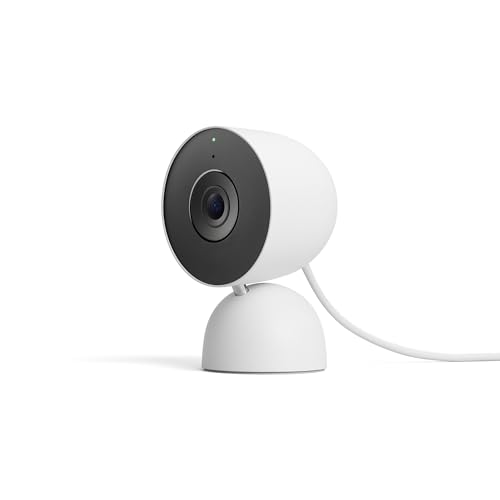


What’s the best type of camera for monitoring both indoor and outdoor areas? I want something reliable but not too complex to set up.
I recently set up security cameras around my house, and I wish I had planned the placement better. I initially put them too high, and now I can't adjust the angles easily. I suggest testing different angles before finalizing the installation. Also, make sure your camera's field of view covers the entry points well!
Can anyone clarify what exactly ‘weatherproof’ means for outdoor cameras? Does it just mean they can handle rain, or are there temperature limits too?
Weatherproof means the camera is designed to withstand exposure to rain and snow. However, check the specifications for temperature ranges to ensure they can operate effectively in your local climate.
I’ve seen that some cameras come with cloud storage options. They can be really useful for accessing footage later without needing extra hardware. Just a thought!
I disagree with the idea that visible cameras alone will deter burglars. In my neighborhood, some houses with visible cameras still got robbed. It’s more about the overall system and vigilance than just having cameras.
While visible cameras can act as a deterrent, it’s true that a comprehensive security system combined with neighborhood watch and good practices is more effective.