
 Carmen J. Moore

Security cameras are an integral part of modern surveillance systems, providing a sense of security and monitoring for various locations. However, some individuals may want to intercept security cameras for various reasons, such as privacy concerns or criminal activities. In this guide, we will explore the methods and techniques used to intercept security cameras.
It is important to note that intercepting security cameras without proper authorization is illegal and unethical. This guide is for informational purposes only and should not be used for any illegal activities.

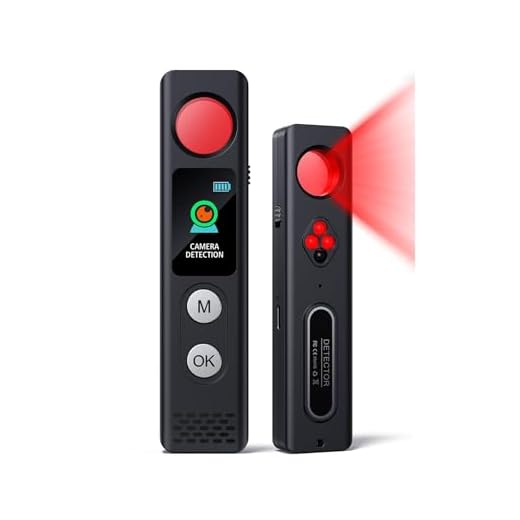

Intercepting security cameras can involve hacking into the camera system, physically tampering with the cameras, or using specialized tools to disrupt the camera signals. These methods require technical knowledge and skills, as well as a deep understanding of how security camera systems work.
Best Ways to Intercept Security Cameras
Intercepting security cameras can be a risky and illegal activity, but some individuals may have legitimate reasons for wanting to do so. Here are some of the best ways to intercept security cameras:
1. Jamming the Signal
Jamming the signal of a security camera involves disrupting the wireless communication between the camera and the monitoring system. This can be done using specialized equipment that emits radio frequency interference.
2. Hacking the System
Hacking the system of a security camera involves gaining unauthorized access to the camera’s network or software. This can be done by exploiting vulnerabilities in the camera’s firmware or using password-cracking techniques.
Tools for Intercepting Cameras
There are various tools that can be used to intercept security cameras, allowing you to gain access to live feeds or manipulate the footage. Some of the commonly used tools include:
1. Network Scanners
Network scanners like Nmap can be used to scan for open ports on the network where the security cameras are connected. Once open ports are identified, you can attempt to gain access to the camera feeds by exploiting vulnerabilities in the camera’s software.
2. Packet Sniffers
Packet sniffers such as Wireshark can be used to intercept network traffic and analyze the data packets being sent between the security cameras and the monitoring system. By capturing and analyzing the packets, you may be able to extract login credentials or other sensitive information that can be used to access the cameras.
Techniques to Disable Cameras
When attempting to disable security cameras, it is important to proceed with caution and avoid breaking any laws. Here are some techniques that individuals may use to disable security cameras:
- Physical obstruction: One simple method is to physically block the camera’s view with an object, such as tape, a hat, or a piece of cloth. This can temporarily disable the camera’s ability to capture footage.
- Blinding the camera: Another technique is to use a powerful light source, such as a flashlight or laser pointer, to blind the camera’s lens. This can distort or wash out the image being captured.
- Signal jamming: Some individuals may use signal jammers to disrupt the camera’s wireless communication, preventing it from transmitting data to the monitoring station. However, this method is illegal in many jurisdictions.
- Physical damage: In extreme cases, individuals may resort to physically damaging the camera, such as cutting its cables or breaking its lens. This is a destructive method and may have legal consequences.
It is important to note that interfering with security cameras is illegal in many places and can result in criminal charges. Individuals should always seek legal advice and consider the consequences before attempting to disable security cameras.
Legal Implications of Camera Interception
Intercepting security cameras without proper authorization is illegal and can result in serious consequences. It violates privacy laws and can lead to criminal charges. It is important to understand the legal implications of camera interception before attempting to do so.
Consequences of Camera Interception
If caught intercepting security cameras, you may face legal action, including fines, imprisonment, or both. Depending on the severity of the offense and the laws in your jurisdiction, the consequences could be severe.
Privacy Laws and Rights
Intercepting security cameras violates the privacy rights of individuals who are being recorded. It is essential to respect the privacy of others and abide by the laws governing surveillance and monitoring activities.
- Always obtain proper authorization before accessing or intercepting security cameras.
- Be aware of the legal implications and consequences of camera interception.
- Respect the privacy rights of individuals and avoid unauthorized surveillance activities.
Risks Associated with Camera Interception
Intercepting security cameras can expose you to various risks and consequences. Here are some of the potential risks:
Legal Consequences
Interfering with security cameras without proper authorization is illegal and can lead to criminal charges. Depending on the jurisdiction, you could face fines, imprisonment, or other legal penalties.
Privacy Violations
By intercepting security cameras, you may violate the privacy of individuals who are being monitored. This can lead to lawsuits, reputational damage, and other serious consequences.
How to Identify Vulnerable Cameras
Identifying vulnerable security cameras can be a crucial step in intercepting them. Here are some tips to help you identify cameras that may be easier to hack:
1. Look for cameras with default or weak passwords. Many users fail to change the default passwords of their security cameras, making them vulnerable to hacking.
2. Check for cameras that are not regularly updated. Outdated firmware can leave cameras susceptible to security vulnerabilities.
3. Search for cameras that are connected to insecure networks. Cameras connected to unsecured Wi-Fi networks or networks with weak encryption are easier targets for hackers.
4. Identify cameras with known security flaws. Stay informed about security vulnerabilities in popular camera models and brands to avoid using compromised devices.
By paying attention to these factors, you can better identify security cameras that may be susceptible to interception.
Steps to Protect Your Cameras
Protecting your security cameras is essential to maintain the security of your property. Follow these steps to ensure that your cameras are secure:
- Change the default password: Make sure to change the default password on your camera and use a strong, unique password to prevent unauthorized access.
- Update firmware regularly: Check for firmware updates for your cameras and install them promptly to patch any security vulnerabilities.
- Secure your network: Ensure that your Wi-Fi network is secure with a strong password and encryption to prevent hackers from accessing your cameras.
- Disable remote access: If you don’t need remote access to your cameras, disable this feature to reduce the risk of unauthorized access.
- Use two-factor authentication: Enable two-factor authentication for your camera system to add an extra layer of security.
- Monitor camera activity: Regularly check the footage from your cameras to ensure that they are working properly and there are no signs of tampering.
Common Mistakes to Avoid when Intercepting Cameras
When attempting to intercept security cameras, it is important to be cautious and avoid common mistakes that could compromise your efforts. Here are some key mistakes to avoid:
| 1. | Not researching the target system thoroughly |
| 2. | Using the wrong tools or software for the job |
| 3. | Interfering with the camera’s physical components |
| 4. | Not covering your tracks properly |
| 5. | Being careless or reckless during the interception process |
Impact of Camera Interception on Privacy
Camera interception poses a significant threat to personal privacy. By gaining unauthorized access to security cameras, individuals or malicious actors can invade the privacy of others, capturing sensitive information and activities without consent. This intrusion can lead to a breach of trust and a sense of violation among those affected. Furthermore, intercepted camera footage can be used for nefarious purposes, such as blackmail, identity theft, or stalking.
Moreover, camera interception can compromise the security of a location or property. By bypassing surveillance systems, criminals can gather intelligence, plan intrusions, or carry out illegal activities undetected. This not only endangers the safety of individuals but also undermines the effectiveness of security measures put in place to protect them.
In conclusion, camera interception has far-reaching implications for privacy and security. It underscores the importance of safeguarding surveillance systems against unauthorized access and emphasizes the need for individuals and organizations to prioritize the protection of sensitive information and personal data.
Future Trends in Camera Security
As technology continues to evolve, the future of camera security is poised to see several exciting trends. Here are some of the key developments to watch out for:
- Artificial Intelligence Integration: AI-powered cameras are becoming more prevalent, enabling advanced features such as facial recognition, behavior analysis, and object detection.
- Cloud-Based Solutions: Cloud storage and processing are increasingly being utilized in camera security systems, providing scalability, accessibility, and enhanced data security.
- Smart Home Integration: Cameras are being integrated into smart home ecosystems, allowing for seamless control and monitoring through voice assistants and mobile apps.
- 4K and Beyond: Ultra-high-definition resolutions like 4K are becoming standard, with developments in even higher resolutions and enhanced image quality on the horizon.
- Edge Computing: Cameras with built-in processing capabilities are emerging, reducing reliance on centralized servers and enabling faster real-time analysis.


I once worked in a security firm and we had to deal with a case where someone tried to intercept our cameras. It was surprising how many vulnerabilities were out there, especially with older models that still used default passwords. We had to educate our clients on regular updates and strong password practices to prevent unauthorized access. It’s crazy how many people don’t realize they’re at risk!
This article mentions jamming signals as a method for intercepting security cameras. Can someone explain how that actually works and what kind of equipment is typically used?
Jamming relies on devices that emit radio frequency interference to disrupt communications between the camera and its monitoring system. Common equipment used for this purpose includes signal jammers, which can be illegal to use in many areas.